Autosampler Wastewater
Autosampler Wastewater
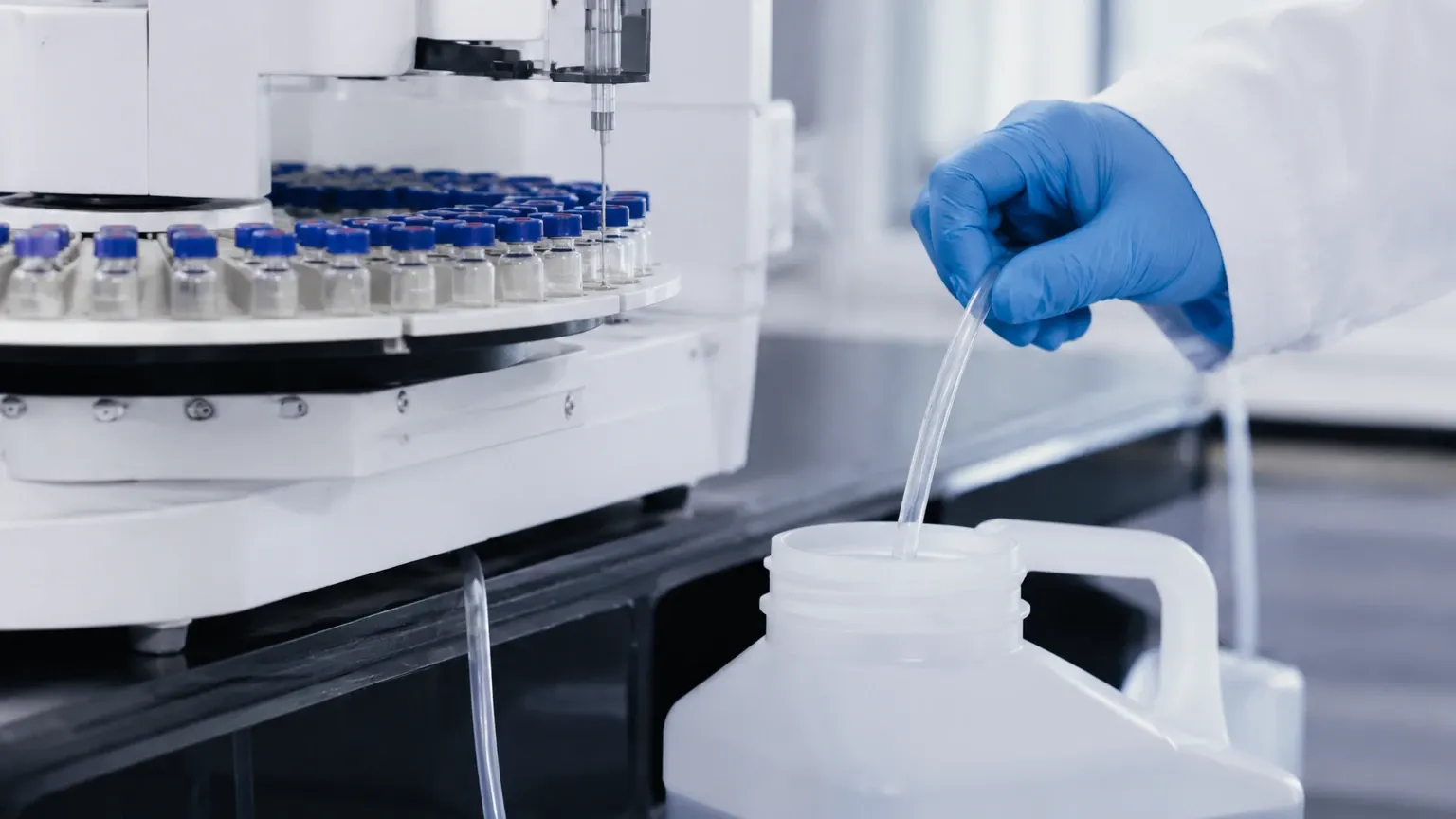
In the field of industrial and municipal water management, the ability to obtain representative samples of effluent is critical for regulatory compliance, process optimization, and environmental protection. An autosampler wastewater system automates the collection of liquid samples, ensuring that data reflects the actual conditions of a waste stream over time rather than a single, potentially misleading moment. For engineers and plant managers, choosing the right sampling strategy requires a deep understanding of both the sampling hardware and the level and flow measurement technologies that trigger them.
The Importance of Automated Sampling
Manual sampling, often referred to as "grab sampling," provides a snapshot of wastewater quality. However, wastewater characteristics in industrial processes or municipal sewers fluctuate significantly due to production cycles, weather events, or diurnal patterns. An automated sampler (autosampler) mitigates the labor-intensive nature of manual collection and eliminates human error, providing a series of samples that can be analyzed individually or as a composite.
Reliable sampling is the foundation of Wastewater Treatment Plant (WWTP) operations. It allows for the accurate calculation of loading rates, the identification of toxic spikes that could upset biological treatment processes, and the verification of discharge permits. To achieve this, the sampler must be integrated with precise instrumentation to ensure samples are taken at the correct intervals or volumes.
Measurement Principles and Triggering Mechanisms
Before selecting an autosampler, it is essential to understand the measurement principles that dictate how and when a sample is collected. Most modern systems utilize one of three primary triggering methods:
1. Time-Proportional Sampling
This is the simplest method, where the sampler is programmed to collect a fixed volume of wastewater at regular time intervals (e.g., every 30 minutes). While easy to implement, it does not account for changes in flow rate. If the flow doubles, the sample still only represents the same time slice, potentially under-representing the total pollutant load.
2. Flow-Proportional Sampling
This method is the industry standard for discharge monitoring. The sampler receives a signal from a flow meter—often an ultrasonic or radar-based level sensor mounted over a flume or weir. For every unit of volume that passes (e.g., every 1,000 liters), the sampler takes a pulse and collects a sample. This ensures that the final composite sample is truly representative of the total volume discharged. For comprehensive instrumentation options that support these triggers, engineers often Review product options and application support to ensure compatibility between the flow meter and the sampler controller.
3. Event-Based Sampling
In applications like stormwater monitoring or industrial spill detection, sampling is triggered by a specific condition. This could be a sudden rise in liquid level detected by a radar level meter or a change in pH. When the threshold is crossed, the autosampler begins a high-frequency sampling routine to capture the peak of the event.
Types of Autosamplers for Wastewater
Autosamplers are generally categorized by their mobility and their ability to preserve samples.
* Portable Autosamplers: Designed for short-term studies, sewer monitoring, or remote locations. They are typically battery-powered and lightweight. While some offer ice-cooling, they generally lack active refrigeration.
* Stationary Samplers: These are permanent installations, usually housed in weather-protected enclosures. They are almost always powered by AC mains and include integrated refrigeration systems to maintain samples at 4°C (39.2°F), which is a standard requirement for biological and chemical oxygen demand (BOD/COD) testing.
* Sequential vs. Composite: Sequential samplers deposit each sample into a separate bottle (e.g., 24 bottles for 24 hours), allowing for a time-series analysis. Composite samplers deposit all aliquots into a single large container, providing an average concentration for the entire period.
Practical Selection Table
When evaluating an autosampler wastewater solution, consider the following technical parameters:
| Feature | Portable Sampler | Stationary Refrigerated Sampler |
| :— | :— | :— |
| Power Source | 12V DC Battery / Solar | 110V/220V AC |
| Sample Preservation | Ice / Insulated Base | Active Refrigeration (Compressor) |
| Typical Application | Sewer tracking, Stormwater | Treatment plant influent/effluent |
| Suction Lift Max | 6 – 8 meters (19.7 – 26.2 ft) | 8 – 9 meters (26.2 – 29.5 ft) |
| Weight (Empty) | 15 – 25 kg | 50 – 100+ kg |
| Communication | Modbus, 4-20mA, Bluetooth | Modbus, 4-20mA, Ethernet, Profibus |
Installation Considerations
Proper installation is as important as the device itself. If the intake is poorly positioned, the data will be skewed.
1. Intake Placement: The intake strainer should be placed in a representative part of the flow stream, typically at 60% of the depth in a channel. Avoid placing it too close to the bottom where heavy solids (grit) settle, or too close to the surface where fats, oils, and grease (FOG) accumulate.
2. Suction Line Slope: Ensure the suction tubing has a continuous downward slope toward the source. This prevents liquid from pooling in the line, which can lead to cross-contamination between samples or freezing in cold climates.
3. Pump Calibration: Most wastewater autosamplers use peristaltic pumps. The rollers and tubing wear over time, which can change the sample volume. Regular calibration—checking that a requested 100ml sample is actually 100ml—is mandatory for data integrity.
4. Integration with Level Sensors: To perform flow-proportional sampling, the sampler must be linked to a flow meter. In open channels, this is usually achieved via an ultrasonic level sensor. The sensor measures the head height in a flume, and the internal electronics convert that height into a flow rate, sending a pulse to the sampler. Accurate level measurement is the "brain" of the sampling operation.
Limitations and Common Risks
Despite their automation, these systems are not "set and forget." Several factors can compromise the sampling process:
* Clogging: Wastewater often contains fibrous materials and large solids. If the intake strainer or the internal tubing becomes blocked, the sampler will fail to collect the required volume. High-velocity "purge" cycles before and after sampling are necessary to clear the lines.
* Cross-Contamination: If the suction line is not properly rinsed between samples, residue from the previous sample can contaminate the current one. This is especially critical in industrial applications with high chemical concentrations.
* Sample Degradation: For biological parameters, samples must be kept cold. In portable applications, if the ice melts before the technician retrieves the bottles, the biological activity in the wastewater may change the chemical composition (e.g., nitrogen species or BOD levels).
* Vertical Lift Limits: Peristaltic pumps rely on a vacuum. If the vertical distance between the liquid surface and the sampler exceeds 8 meters (approximately 26 feet), the pump may struggle to pull the sample, leading to inconsistent volumes or pump failure.
Integration with Level Measurement Technology
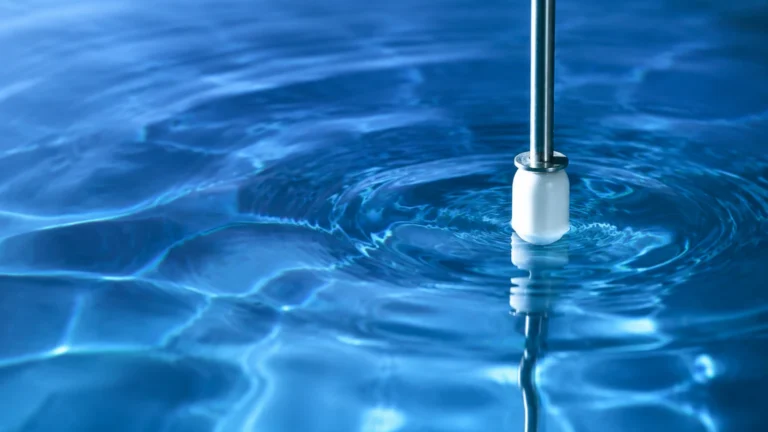
For an autosampler wastewater project to succeed, it must be paired with reliable level measurement. In many industrial environments, the turbulence or foam on the surface of the wastewater can interfere with older ultrasonic sensors. In such cases, non-contact radar level meters are preferred. These sensors provide the millimetric accuracy required to calculate flow rates in flumes and weirs, which in turn ensures the autosampler triggers at the precise moment required for a representative composite.
Welk provides a range of industrial level measurement instruments, including radar and ultrasonic sensors, that are designed to withstand the corrosive and humid environments typical of wastewater applications. These instruments serve as the primary data source for the sampler's controller, allowing for seamless integration into a plant's SCADA system.
Frequently Asked Questions (FAQs)
Q: How often should I replace the pump tubing?
A: In high-frequency sampling applications, peristaltic tubing should be inspected monthly and typically replaced every 3 to 6 months. Worn tubing loses its elasticity, resulting in inaccurate sample volumes.
Q: Can I use an autosampler for hazardous (Class I, Div 1) areas?
A: Yes, but you must specify an explosion-proof or intrinsically safe model. Standard samplers are not rated for explosive atmospheres often found in certain industrial sewer lines.
Q: What is the benefit of a refrigerated sampler over an iced one?
A: Refrigerated samplers maintain a constant temperature (usually 4°C ± 1°C) regardless of ambient conditions. This is essential for regulatory reporting (NPDES in the US or similar global standards) where sample temperature must be documented upon arrival at the lab.
Q: How do I handle high-solids wastewater?
A: Use a sampler with a high-speed peristaltic pump (at least 0.5 m/s or 1.6 ft/s line velocity) to keep solids in suspension during transport. Additionally, ensure the intake strainer is designed to deflect large debris while allowing representative particulates to enter.
Conclusion
Selecting an autosampler wastewater system requires a holistic view of the monitoring site. From the physical constraints of the installation to the precision of the level sensors used for flow calculation, every component must work in harmony to produce defensible data. By understanding the measurement principles and the specific needs of the waste stream, engineers can implement a sampling program that meets both regulatory requirements and operational goals. For those looking to optimize their measurement triggers, it is highly recommended to Review product options and application support to find the most accurate level and flow solutions for their specific environment.