Benefits of Electrification
Benefits of Electrification
In the context of industrial process control, electrification refers to the transition from manual, mechanical, or pneumatic measurement systems to integrated electronic sensing and digital communication technologies. For level measurement, this shift represents a move away from visual sight glasses and manual tank dipping toward sophisticated sensors like radar, ultrasonic, and hydrostatic transmitters. The benefits of electrification in level monitoring extend beyond simple data collection; they encompass improved accuracy, enhanced safety, and the foundation for automated industrial ecosystems.
Modern industrial facilities are increasingly replacing legacy mechanical systems with electronic instruments to meet the demands of Industry 4.0. By converting physical levels into digital signals, operators gain real-time visibility into their processes, allowing for more precise inventory management and tighter control over chemical, water treatment, and oil and gas operations.
Measurement Principles of Electrified Level Sensors
Before evaluating the specific benefits of electrification, it is essential to understand the electronic principles that replace traditional mechanical methods. Electrified level measurement generally falls into two categories: non-contact and contact-based electronic sensing.
Radar Level Measurement (ToF)
Radar level meters utilize electromagnetic waves to determine the distance to a liquid or solid surface. The sensor emits a high-frequency signal (typically in the GHz range), which travels at the speed of light, reflects off the material surface, and returns to the receiver. The instrument calculates the level based on the Time of Flight (ToF). Because electromagnetic waves are unaffected by air temperature or pressure, radar is considered the gold standard for electrified level measurement in complex environments.
Ultrasonic Level Sensing
Similar to radar, ultrasonic sensors use ToF but rely on sound waves. The transducer emits an ultrasonic pulse that reflects off the target surface. The time taken for the echo to return is proportional to the distance. While more cost-effective than radar, ultrasonic sensors are sensitive to air temperature fluctuations and heavy foam, requiring electronic temperature compensation to maintain accuracy.
Hydrostatic Pressure Measurement
Hydrostatic level transmitters measure the pressure exerted by a liquid column at a specific point (usually the bottom of a tank). The electronic sensor converts this pressure into a level reading based on the formula: *Level = Pressure / (Density × Gravity)*. This method is highly effective for vented tanks and deep wells where a submerged probe is required.
Core Benefits of Electrification in Process Industries
The transition to electronic level measurement provides several transformative advantages for plant managers and engineers.
1. Enhanced Accuracy and Repeatability
Mechanical systems, such as float-and-tape gauges, are subject to wear, friction, and mechanical fatigue, which degrade accuracy over time. Electrified sensors, particularly radar and hydrostatic types, offer high precision—often with an accuracy of ±2 mm or better. Because these sensors have few or no moving parts, they provide consistent repeatability, ensuring that process variables remain within strict tolerances.
2. Real-Time Data Integration
One of the primary benefits of electrification is the ability to transmit data instantaneously to a Central Control Room (CCR). Through protocols such as 4-20mA, HART, Modbus RS485, or Profibus, electronic level meters integrate seamlessly into PLC and SCADA systems. This connectivity allows for automated alerts, trend analysis, and remote monitoring, which are impossible with manual mechanical gauges.
3. Improved Operational Safety
Electrification significantly reduces the need for personnel to climb tanks or enter hazardous zones to perform manual measurements. In the oil and gas or chemical industries, where exposure to toxic vapors or high-pressure environments is a risk, electronic sensors provide a safer alternative. Furthermore, electrified level switches can be configured as redundant high-level alarms to prevent tank overfills and environmental spills.
4. Reduced Maintenance Costs
While the initial investment in electronic sensors may be higher than simple mechanical floats, the long-term maintenance costs are typically lower. Without mechanical linkages to lubricate or floats to get stuck in viscous fluids, electrified instruments offer a longer service life with minimal intervention. Self-diagnostic features in modern transmitters can even alert maintenance teams to potential issues before a failure occurs.
Selection Criteria for Electrified Level Instruments
Choosing the right electronic instrument requires an analysis of the application's physical and chemical properties. The following table outlines key selection criteria for the most common electrified technologies.
| Criteria | Radar (Non-Contact) | Ultrasonic | Hydrostatic | Magnetic Level Gauge (with Transmit) |
| :— | :— | :— | :— | :— |
| Measurement Range | Up to 70m+ | Up to 15m – 20m | Up to 200m (Submersible) | Up to 6m |
| Media Type | Liquids, Solids, Slurries | Clean Liquids, Granules | Liquids only | Liquids only |
| Pressure Limits | High (Up to 40 bar+) | Atmospheric | High (Submerged depth) | High (Up to 160 bar) |
| Temperature Limits | -40°C to +250°C+ | -40°C to +80°C | -20°C to +80°C | -196°C to +450°C |
| Accuracy | Excellent (±1mm to ±3mm) | Good (±0.25% of range) | Very Good (±0.1% to ±0.5%) | Good (±5mm) |
| Common Use Case | Chemical reactors, Oil tanks | Water tanks, Open channels | Deep wells, Fuel storage | High-pressure boilers |
When evaluating these options, engineers should consult the Main Page of technical providers to review specific model specifications and compatibility charts.
Installation Considerations and Best Practices
To fully realize the benefits of electrification, proper installation is critical. Electronic sensors are sensitive to their physical positioning and electrical environment.
* Positioning and Dead Zones: Every electronic sensor has a "dead zone" or "blocking distance" near the sensor face where measurement is impossible. Ensure the sensor is mounted high enough to avoid this zone during maximum fill levels.
* Obstruction Clearance: For radar and ultrasonic sensors, the signal beam must have a clear path to the liquid surface. Internal tank structures like ladders, agitators, or heating coils can cause false echoes. Modern electronic meters often feature "false echo suppression" software to ignore these reflections.
* Electrical Shielding: To prevent electromagnetic interference (EMI) from high-voltage equipment or variable frequency drives (VFDs), use shielded cables and ensure the instrument is properly grounded.
* Environmental Protection: For outdoor installations, use sunshades to prevent overheating of the electronic housing and ensure the Ingress Protection (IP) rating (e.g., IP67 or IP68) is appropriate for the site conditions.
Limitations and Challenges of Electrified Systems
Despite the clear advantages, electrification introduces specific challenges that must be managed:
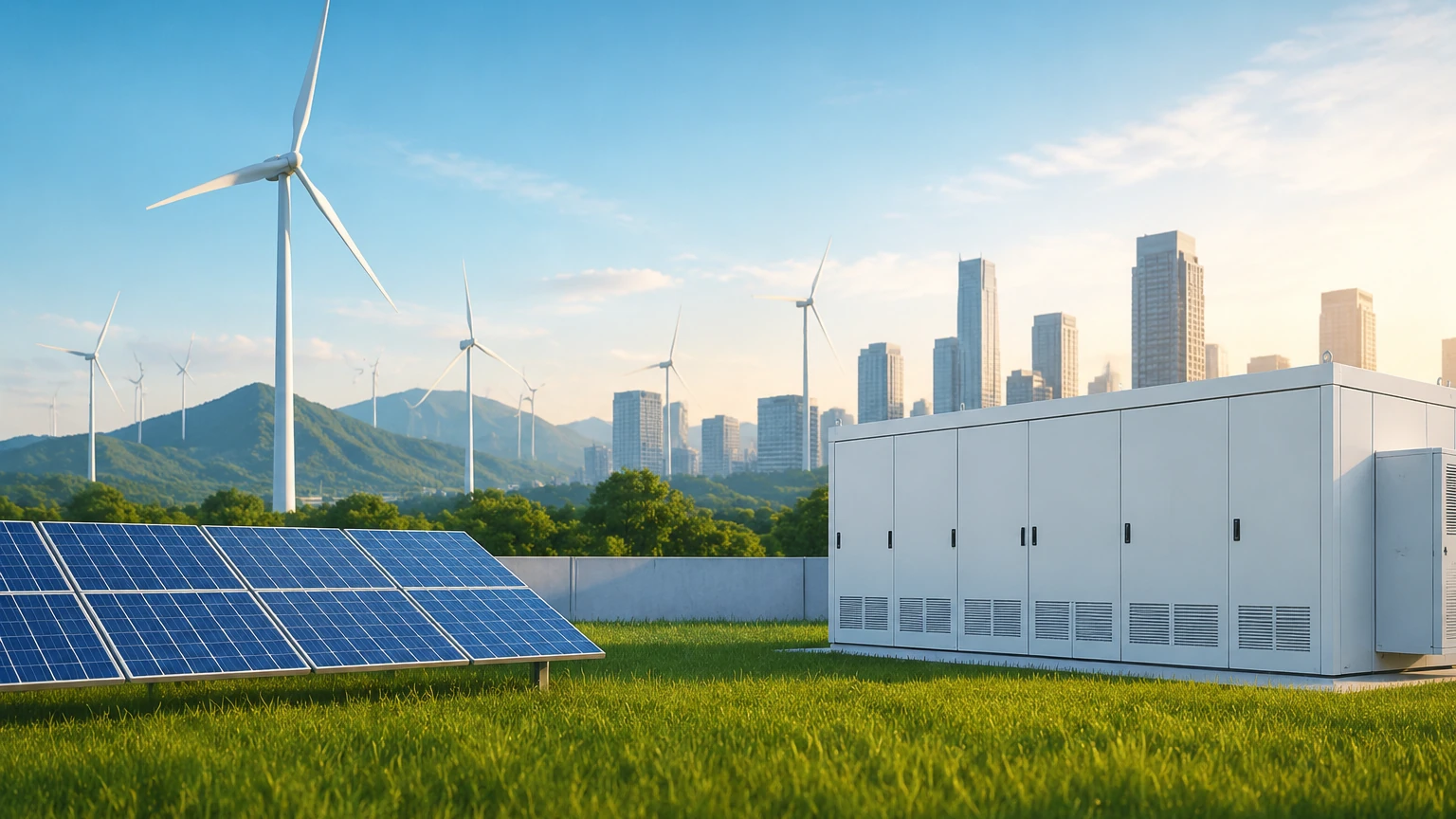
1. Power Dependency: Unlike a simple mechanical float, electronic sensors require a stable power supply (typically 24V DC). In remote areas, this may necessitate solar power or battery-operated systems with low-power wireless transmission (LoRaWAN or NB-IoT).
2. Dielectric Constant Requirements: Radar sensors depend on the dielectric constant (εr) of the material. Materials with very low dielectric constants (like certain oils or liquefied gases) reflect less energy, requiring high-sensitivity radar units or guided wave radar (GWR) probes.
3. Signal Interference: In tanks with heavy turbulence, thick foam, or steam, ultrasonic signals may be absorbed or scattered. In such cases, radar or hydrostatic sensors are preferred as they are less affected by surface conditions.
Frequently Asked Questions (FAQs)
Q: Can electronic level meters work in explosive atmospheres?
A: Yes. Most professional manufacturers offer "Intrinsically Safe" (Ex ia) or "Explosion-Proof" (Ex d) versions of their electronic sensors, specifically designed for use in hazardous zones common in the oil and gas industry.
Q: How does electrification assist in inventory management?
A: By connecting electronic sensors to a centralized database, companies can track inventory levels across multiple sites in real-time. This allows for automated reordering, reduces the risk of stockouts, and optimizes logistics.
Q: Is it difficult to switch from mechanical to electronic systems?
A: The transition is generally straightforward. Many electronic sensors are designed to fit into existing tank process connections (e.g., 1.5", 2", or 3" NPT/Flange). The primary addition is the requirement for signal wiring and power.
Q: Do electronic sensors require frequent recalibration?
A: Most modern solid-state sensors are factory-calibrated and exhibit very low drift. Periodic verification is recommended, but full recalibration is rarely needed compared to the constant adjustments required by mechanical gauges.
Q: What is the impact of electrification on sustainability?
A: Electrification supports sustainability by preventing leaks and overfills through precise monitoring. Furthermore, it enables more efficient pump control, reducing the energy consumption of water and wastewater systems.
Conclusion
The benefits of electrification in level measurement are undeniable for modern industrial operations. By replacing manual and mechanical processes with accurate, reliable, and integrated electronic sensors, facilities can achieve higher safety standards and better operational efficiency. Whether utilizing the precision of radar or the versatility of hydrostatic transmitters, the shift toward electronic measurement is a fundamental step in modernizing process control. For those seeking to upgrade their current systems, it is advisable to Review product options and application support to ensure the selected technology aligns with specific site requirements and environmental conditions.