Capteurs De Pression
Capteurs De Pression
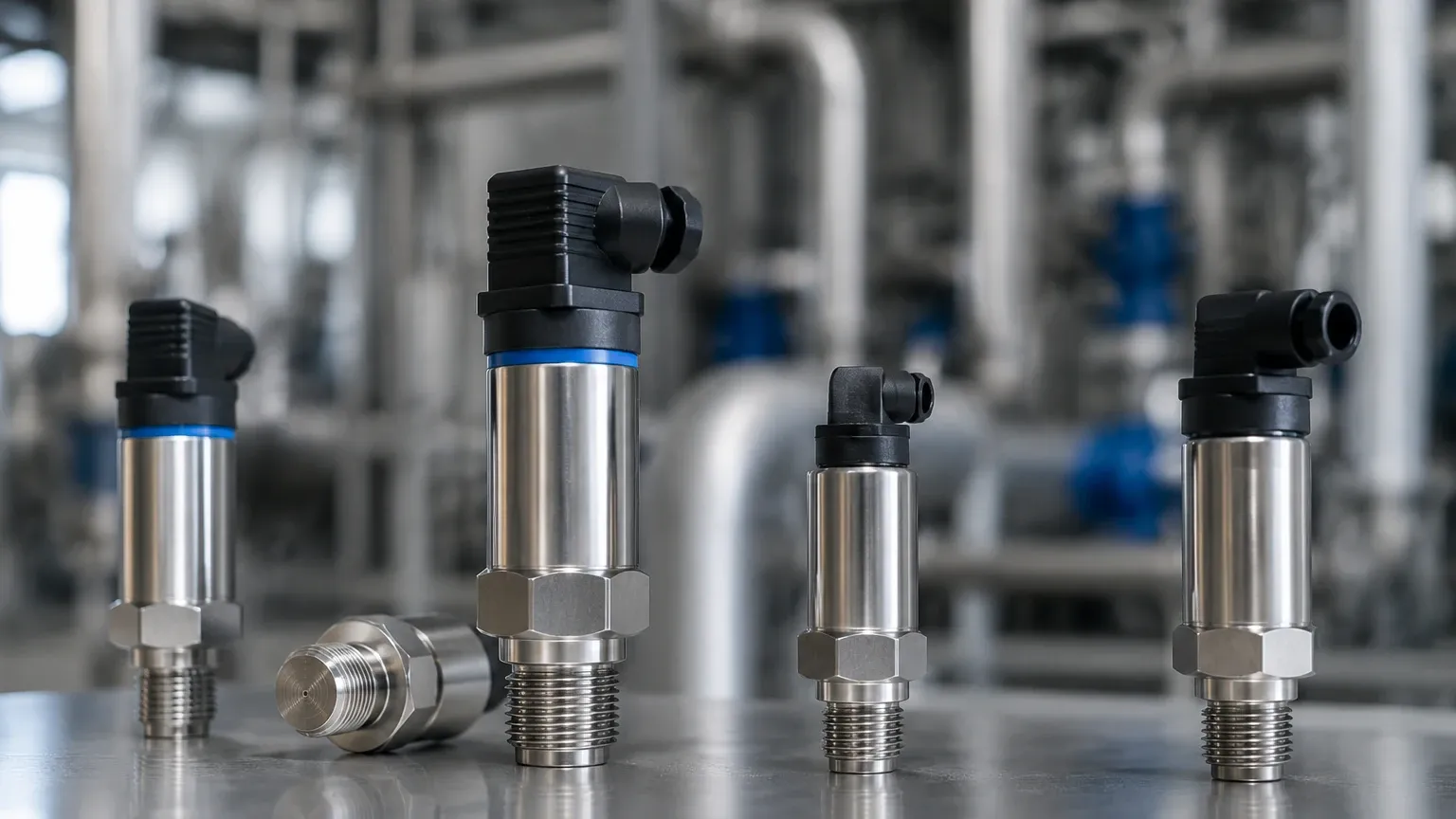
In the landscape of industrial automation and process control, the measurement of liquid levels is a fundamental requirement. Among the various technologies available, pressure-based measurement—utilizing what are known in technical contexts as capteurs de pression—remains one of the most reliable and widely implemented methods. These instruments, specifically hydrostatic level transmitters, convert the physical force of a liquid column into an electrical signal, providing precise data for inventory management, pump control, and safety monitoring.
For engineers and procurement specialists, understanding the mechanics, application boundaries, and selection criteria of these sensors is essential for ensuring long-term operational stability. This guide explores the engineering principles behind pressure-based level measurement and provides a practical framework for selecting the right equipment for industrial environments.
Measurement Principles: From Pressure to Level
The use of capteurs de pression for level measurement is based on the principle of hydrostatics. Hydrostatic pressure is the pressure exerted by a fluid at equilibrium at a given point within the fluid, due to the force of gravity.
The Hydrostatic Equation
The relationship between the height of a liquid and the pressure it exerts at the base of a vessel is defined by the following formula:
P = ρ × g × h
* P is the hydrostatic pressure (measured in Pascals or bar).
* ρ (rho) is the density of the liquid (kg/m³).
* g is the acceleration due to gravity (approximately 9.81 m/s²).
* h is the height of the liquid column (meters).
Because gravity is constant and the density of a specific liquid is usually known, the pressure measured at the bottom of a tank is directly proportional to the height of the liquid. For example, in a tank of water (density ≈ 1000 kg/m³), every 10 meters of depth generates approximately 1 bar (14.5 psi) of pressure. By measuring this pressure, the transmitter can calculate the exact level of the medium.
Gauge vs. Differential Pressure
When selecting capteurs de pression, it is vital to distinguish between the two primary measurement types used in level applications:
1. Gauge Pressure (Hydrostatic): Used for vented or open-to-atmosphere tanks. The sensor measures the pressure of the liquid relative to the atmospheric pressure. To ensure accuracy, the sensor must be vented to the atmosphere (usually via a small tube in the cable) so that changes in barometric pressure do not cause measurement errors.
2. Differential Pressure (DP): Used for pressurized or closed vessels (such as boilers or chemical reactors). In these environments, the space above the liquid is filled with gas or steam under pressure. A DP transmitter measures the difference between the pressure at the bottom of the tank and the gas pressure at the top, isolating the pressure exerted solely by the liquid column.
Types of Pressure Sensors for Level Measurement
Industrial applications require different form factors depending on the installation environment and the nature of the liquid.
1. Submersible Level Transmitters
These are specialized capteurs de pression designed to be lowered directly into the medium. They are typically housed in a stainless steel body with a high ingress protection rating (IP68). They are ideal for deep wells, reservoirs, and wastewater sumps where mounting a sensor at the side or bottom of the tank is not feasible.
2. Externally Mounted Transmitters
These sensors are installed on the outside of a tank through a threaded connection or a flange. They are common in chemical processing and food production where the tank has a dedicated port near the bottom. These are easier to maintain as they do not require the removal of the sensor from the top of the tank.
3. Flush Diaphragm Sensors
In applications involving viscous liquids, slurries, or food products that might clog a standard pressure port, flush diaphragm sensors are used. The sensing element is level with the process connection, preventing buildup and allowing for easy cleaning (CIP/SIP processes).
Selection Criteria for Industrial Applications
Choosing the correct instrument requires a thorough analysis of the process conditions. Before finalizing a specification, engineers should evaluate the following factors:
Media Compatibility
The chemical properties of the liquid dictate the materials of the sensor. While 316L stainless steel is standard, highly corrosive media like acids or seawater may require Hastelloy, Tantalum, or Ceramic diaphragms. For more information on material compatibility and robust hardware options, you may Review product options and application support via our technical catalog.
Pressure Range and Overpressure
The sensor must be rated for the maximum possible height of the liquid. However, it is also important to consider potential "pressure spikes" or overpressure conditions caused by pump starts or valve closures. A sensor with a high overpressure rating (e.g., 2x or 3x the nominal range) provides a safety margin against diaphragm damage.
Temperature Compensation
Liquid density changes with temperature. Advanced capteurs de pression include internal temperature sensors to compensate for these fluctuations, ensuring that the level reading remains accurate even if the process fluid heats up or cools down.
Signal Output
In modern industrial automation, the 4-20 mA current loop is the standard. However, many projects now require digital protocols such as HART, Modbus RS485, or Profibus to allow for remote configuration and diagnostic feedback.
Technical Comparison: Level Measurement Technologies
While pressure-based measurement is versatile, it is often compared with ultrasonic and radar technologies. The following table summarizes the key differences:
| Feature | Hydrostatic (Pressure) | Ultrasonic | Radar (Non-Contact) |
| :— | :— | :— | :— |
| Measurement Principle | Physical weight/pressure | Sound wave reflection | Electromagnetic wave reflection |
| Best For | Deep wells, pressurized tanks | Water/Wastewater, open channels | Chemical tanks, solids, high temp |
| Contact with Media | Yes | No | No |
| Affected by Foam? | No | Yes (High interference) | Minimal |
| Affected by Density?| Yes | No | No |
| Installation | Bottom or Submerged | Top-mounted | Top-mounted |
| Relative Cost | Low to Medium | Medium | High |
Installation and Calibration Best Practices
Proper installation is the most significant factor in the longevity of capteurs de pression. Even the highest quality instrument will fail or provide inaccurate data if installed incorrectly.
1. Venting for Submersible Sensors: For gauge pressure sensors, the cable contains a capillary vent tube. This tube must remain unobstructed and protected from moisture. Using a desiccant filter at the end of the vent tube is highly recommended to prevent internal condensation, which can lead to sensor drift or electronic failure.
2. Mounting Position: Sensors should be installed away from turbulent areas, such as near an agitator or a high-velocity inflow pipe. If turbulence is unavoidable, a stilling well (a perforated pipe) should be used to protect the sensor and stabilize the measurement.
3. Zero Calibration: Once installed, the sensor should be zeroed to account for the exact mounting height and any atmospheric offsets. This ensures the "empty" reading corresponds correctly to the tank's physical bottom.
4. Lightning and Surge Protection: In outdoor applications like reservoir monitoring, the sensors are susceptible to lightning strikes. Utilizing surge protection modules at both the sensor and the control panel is a critical risk-mitigation step.
Limitations and Common Risks
While capteurs de pression are highly effective, they have specific limitations that must be managed:
* Density Sensitivity: Since the level calculation depends on density, any change in the liquid's composition (e.g., mixing different chemicals) or significant temperature swings will introduce error. If the density is variable, non-contact methods like radar may be more appropriate.
* Sediment Buildup: In wastewater or mining slurries, sediment can settle on the diaphragm. Regular maintenance and the use of flush diaphragms or protective cages are necessary to prevent the sensor from becoming "blinded."
* Mechanical Damage: The diaphragm is a delicate component, often only a few microns thick. It should never be touched or cleaned with sharp objects.
Frequently Asked Questions (FAQs)
Q: Can capteurs de pression be used in tanks with foam?
A: Yes. Unlike ultrasonic sensors, which can be confused by foam absorbing the sound waves, hydrostatic sensors measure the weight of the liquid below the foam. They are largely unaffected by surface conditions.
Q: How often should these sensors be calibrated?
A: For most industrial applications, an annual calibration check is sufficient. However, in critical safety applications or highly corrosive environments, semi-annual inspections are recommended to check for diaphragm wear and signal drift.
Q: What is the maximum depth a submersible pressure sensor can measure?
A: Standard industrial sensors can measure up to 200 meters (approx. 20 bar) or more, depending on the cable strength and the sensor's range. For very deep applications, the tensile strength of the cable becomes a primary engineering consideration.
Q: Is it possible to use a single pressure sensor for a pressurized tank?
A: No. A single gauge pressure sensor will measure the sum of the liquid pressure and the gas pressure above it. To get an accurate level, you must use a differential pressure transmitter or two synchronized sensors to subtract the headspace pressure.
Conclusion
Capteurs de pression represent a mature, reliable, and cost-effective solution for a vast range of industrial level measurement challenges. By understanding the hydrostatic principle and carefully matching sensor materials and mounting styles to the specific process environment, engineers can achieve high-precision monitoring with minimal maintenance. Whether for water treatment, chemical processing, or industrial automation, these instruments provide the data necessary for efficient and safe operations.
For further technical specifications or to discuss a custom measurement solution for your facility, visit the Welk Main Page to explore our full range of level measurement technologies.