Cbd Extraction Machine Cost
Cbd Extraction Machine Cost
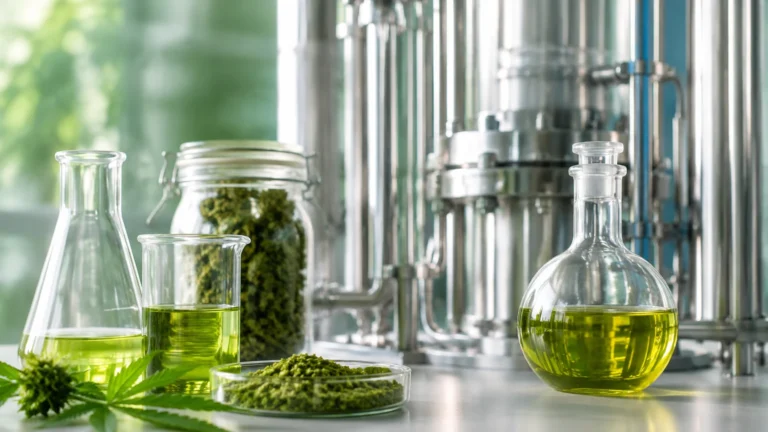
In the rapidly evolving botanical processing industry, understanding the components of cbd extraction machine cost is essential for facility managers and process engineers. The total investment required for a CBD extraction system is not merely the purchase price of the primary vessel; it encompasses the integration of thermal control systems, solvent recovery units, and the critical instrumentation required to ensure safety and process repeatability.
From an engineering perspective, the efficiency of an extraction line is heavily dependent on the precision of its control systems. Accurate level measurement within solvent tanks, decarboxylation vessels, and collection chambers prevents costly overflows, ensures optimal solvent-to-biomass ratios, and maintains the safety standards required in hazardous environments. For those evaluating the market, reviewing comprehensive Main Page resources for industrial instrumentation is a necessary step in budgeting for a complete, automated system.
Measurement Principles in Extraction Processes
Before analyzing the specific factors that influence cbd extraction machine cost, it is vital to understand the measurement principles that govern these industrial systems. Extraction involves the phase change of solvents and the movement of fluids under varying temperatures and pressures.
Radar Level Measurement (Time-of-Flight)
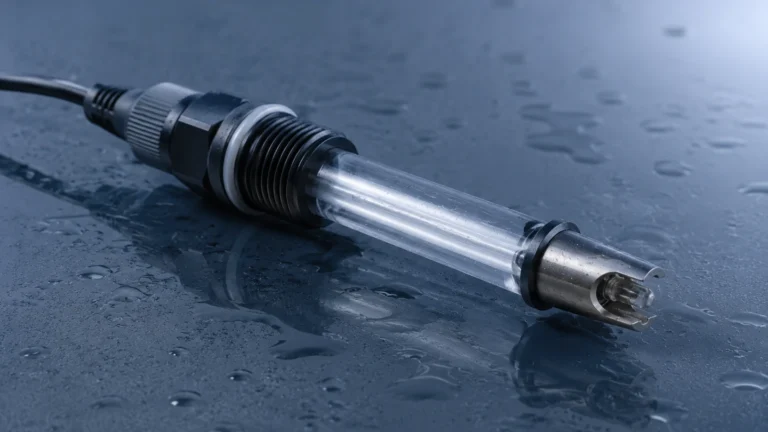
Radar level meters, particularly guided wave radar (GWR) and non-contact pulsed radar, are frequently used in extraction machines. These devices emit high-frequency electromagnetic pulses. In a CBD extraction context, when these pulses hit the surface of a solvent like ethanol or supercritical CO2, they are reflected back. The sensor calculates the distance based on the time of flight. This is critical for pressurized CO2 tanks where visual inspection is impossible.
Ultrasonic Level Sensing
Ultrasonic sensors use sound waves to detect the level of liquids in atmospheric tanks. While cost-effective, they are limited by vacuum conditions or heavy vapor clouds, which can occur during ethanol recovery. In such cases, the speed of sound changes, necessitating temperature compensation or a shift to radar technology.
Hydrostatic Pressure
Hydrostatic transmitters measure the pressure exerted by the liquid column at the bottom of a tank. This is a reliable method for large-scale solvent storage tanks. The cost of integrating these sensors is relatively low, but they require the density of the fluid to remain constant to provide an accurate level reading.
Factors Influencing Cbd Extraction Machine Cost
The price of extraction equipment varies significantly based on the technology employed, the throughput capacity, and the degree of automation. Below are the primary categories of extraction systems and their associated cost drivers.
Supercritical CO2 Extraction Systems
Supercritical CO2 extraction is favored for its ability to produce high-quality, solvent-free extracts. However, because CO2 requires extremely high pressures (often exceeding 350 bar) to reach a supercritical state, the machinery must be built with heavy-duty stainless steel and specialized seals.
* Entry-Level (5L – 10L): $150,000 – $250,000
* Mid-Range (20L – 100L): $300,000 – $600,000
* Industrial Scale (200L+): $800,000 – $2,000,000+
The instrumentation for these systems must be rated for high pressure. Level switches and transmitters used in CO2 separators must provide real-time data to prevent dry-running of pumps or overfilling of collection vessels.
Ethanol Extraction Systems
Ethanol extraction is the industry standard for high-volume hemp processing. The cbd extraction machine cost for ethanol systems is generally lower than CO2 on a per-kilogram-processed basis, but the footprint and solvent management requirements are larger.
* Centrifuge Systems: $50,000 – $150,000
* Falling Film Evaporators (Solvent Recovery): $75,000 – $300,000
* Fully Automated Inline Systems: $500,000 – $1,500,000
In ethanol systems, the primary cost driver for instrumentation is explosion-proof (Ex) certification. Since ethanol is flammable, all level sensors and transmitters must meet ATEX or IECEx standards.
Hydrocarbon (Butane/Propane) Extraction
Hydrocarbon extraction is used for specific concentrate types. While the machines themselves can be less expensive than CO2 systems, the facility requirements (C1D1 rooms) significantly increase the total project cost.
* Closed-Loop Systems: $30,000 – $150,000
The Role of Level Instrumentation in Cost Management
While it may seem like a minor component, the choice of level measurement technology directly impacts the operational expenditure (OPEX) and the long-term cbd extraction machine cost.
1. Reduced Solvent Waste: Precise level control in solvent recovery units ensures that the maximum amount of ethanol or CO2 is reclaimed, reducing the need for frequent replenishment.
2. Safety and Compliance: Automated level switches act as a secondary safety layer, preventing tank overfills that could lead to hazardous spills in a facility.
3. Batch Consistency: In B2B manufacturing, consistency is key. Level sensors ensure that the exact volume of solvent is used for every batch of biomass, ensuring a predictable yield and potency.
Practical Selection Table for Extraction Level Sensors
When specifying a system, engineers should refer to the following table to match the measurement technology with the specific extraction stage.
| Process Stage | Recommended Technology | Key Benefit | Typical Cost Impact |
| :— | :— | :— | :— |
| Solvent Storage | Hydrostatic / Ultrasonic | High accuracy for large volumes | Low to Moderate |
| Extraction Vessel | Guided Wave Radar (GWR) | Works in high pressure/vacuum | Moderate to High |
| Separator/Collection | Magnetic Level Gauge | Visual + Electronic feedback | Moderate |
| Waste/Slurry Tank | Non-contact Radar | Resists buildup and coating | Moderate |
| Overflow Protection | Tuning Fork Level Switch | Fail-safe point detection | Low |

Installation and Engineering Considerations
Integrating level measurement into an extraction line requires careful planning. For a facility manager, the following technical considerations should be addressed during the procurement phase:
Sanitary Requirements
CBD extraction is a food-grade or pharmaceutical-grade process. All sensors must feature 316L stainless steel construction and sanitary fittings (such as Tri-clamp connections). This prevents bacterial growth and ensures the system can be cleaned via CIP (Clean-in-Place) protocols.
Temperature Extremes
Cryogenic ethanol extraction often operates at temperatures as low as -40°C to -80°C. Level transmitters must be rated for these extremes, or they must be installed with thermal offsets to protect the electronics. Conversely, decarboxylation and distillation happen at high temperatures, requiring heat-resistant sensor probes.
Signal Integration
Modern extraction facilities utilize PLC (Programmable Logic Controller) or SCADA systems. Level meters should support standard industrial protocols such as 4-20mA HART, Modbus, or Profibus. This allow for the seamless integration of data into the facility's central control hub, which is a significant factor in the total cbd extraction machine cost when considering labor and automation.
Limitations and Challenges
No single measurement technology is perfect for every stage of CBD extraction.
* Dielectric Constant: Some solvents have low dielectric constants, making them difficult for standard radar to detect. In these cases, high-sensitivity probes or coaxial GWR must be used.
* Foaming: During the evaporation of ethanol, foaming can occur. Ultrasonic sensors may struggle with foam as it absorbs the sound waves. Radar or mechanical float-based systems are often preferred in these specific vessels.
* Vessel Geometry: Small extraction vessels with internal agitators or baffles can create interference for non-contact sensors. Careful positioning or the use of stilling wells is required to ensure accurate readings.
Frequently Asked Questions (FAQ)
Q: How does automation affect the cbd extraction machine cost?
A: Automation can increase the initial capital expenditure by 20% to 40%. However, it significantly reduces labor costs and human error, often leading to a return on investment (ROI) within 12 to 18 months through increased throughput and batch consistency.
Q: Can I use standard industrial level sensors for CBD extraction?
A: Only if they meet the necessary sanitary (3-A or EHEDG) and safety (ATEX/IECEx) certifications. Using non-certified sensors in a solvent-rich environment is a major safety risk and can lead to regulatory fines.
Q: What is the maintenance requirement for level sensors in these machines?
A: Most modern solid-state sensors (like radar and ultrasonic) require very little maintenance. However, sensors in contact with crude oil or resin may require periodic cleaning to prevent buildup from affecting the accuracy of the reading.
Q: Does the size of the extraction machine change the type of level sensor needed?
A: Yes. Smaller benchtop units may rely on visual sight glasses or simple float switches. Large-scale industrial towers require continuous level transmitters (like GWR) to provide the granular data needed for automated process control.
Conclusion
Evaluating the cbd extraction machine cost requires a holistic view of the production line. While the extraction vessel is the heart of the operation, the peripheral instrumentation—specifically level measurement technology—is the nervous system that ensures the process remains safe, efficient, and profitable. By selecting the correct measurement principle for each stage of the process, process engineers can optimize solvent recovery, ensure product quality, and maintain a high standard of safety in the processing facility. For more detailed technical specifications on level measurement hardware, engineers are encouraged to consult the Main Page for the latest in industrial sensor technology.