Hemp Ethanol Extraction Equipment
Hemp Ethanol Extraction Equipment
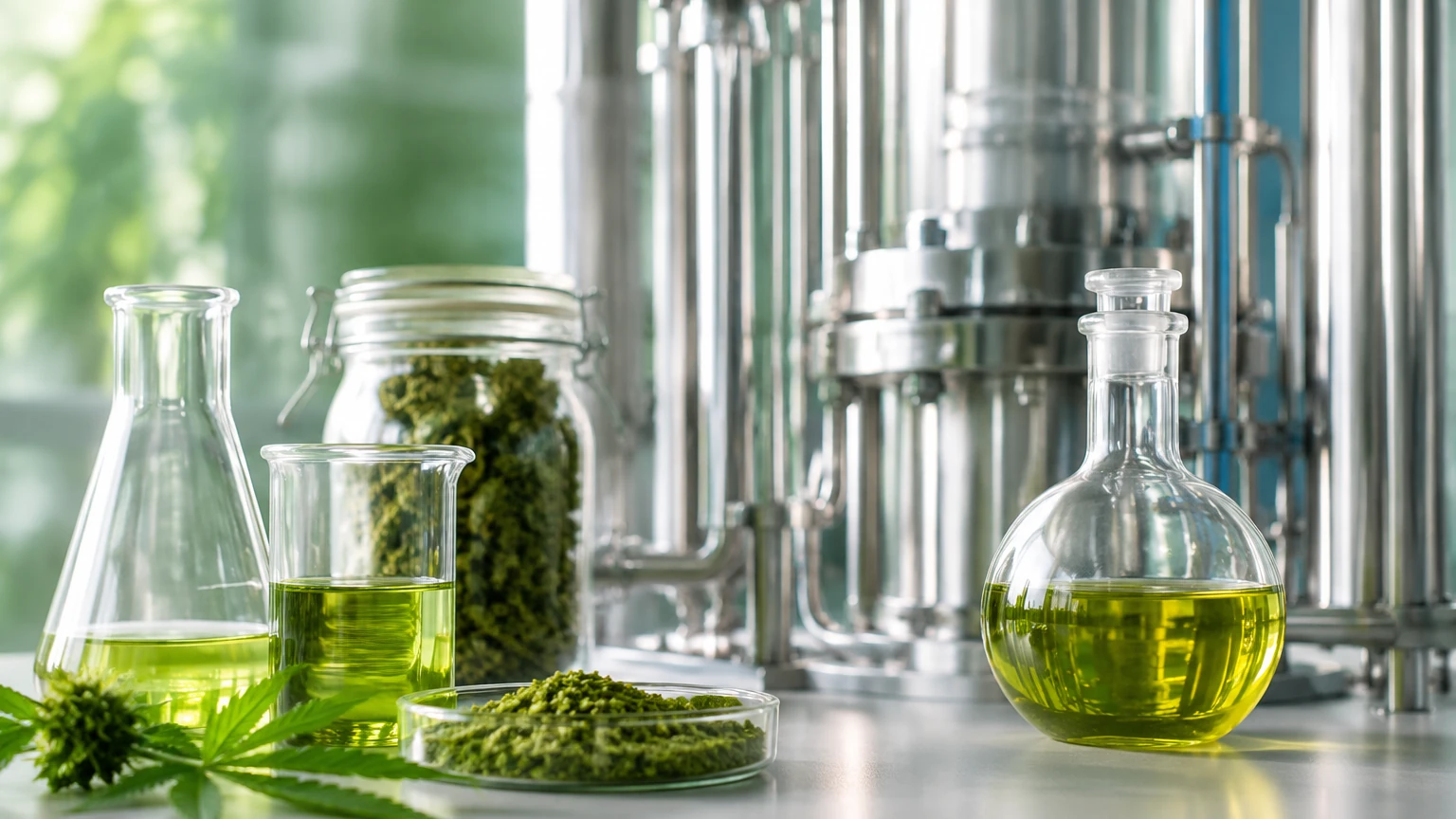
In the industrial processing of hemp, ethanol extraction has emerged as the primary method for high-volume cannabinoid recovery. Unlike CO2 or hydrocarbon methods, hemp ethanol extraction equipment is capable of processing thousands of kilograms of biomass daily with high efficiency and relatively lower capital expenditure for the throughput achieved. However, the use of ethanol—a flammable, volatile solvent—requires sophisticated engineering, precise process control, and reliable instrumentation to ensure safety and product consistency.
For B2B stakeholders, selecting the right hemp ethanol extraction equipment involves more than just evaluating the primary extraction vessel. It requires a comprehensive understanding of the entire solvent loop, including extraction, filtration, evaporation, and solvent recovery. Central to these operations is the accurate measurement of fluid levels within tanks and reactors, which prevents overflows, ensures pump protection, and maintains the mass balance of the system.
Understanding Hemp Ethanol Extraction Equipment Systems
Industrial hemp ethanol extraction typically follows a cold-process methodology. By chilling the ethanol to temperatures between -40°C and -80°C, processors can selectively extract cannabinoids while leaving behind undesirable waxes, lipids, and chlorophyll. This eliminates the need for extensive winterization steps later in the process.
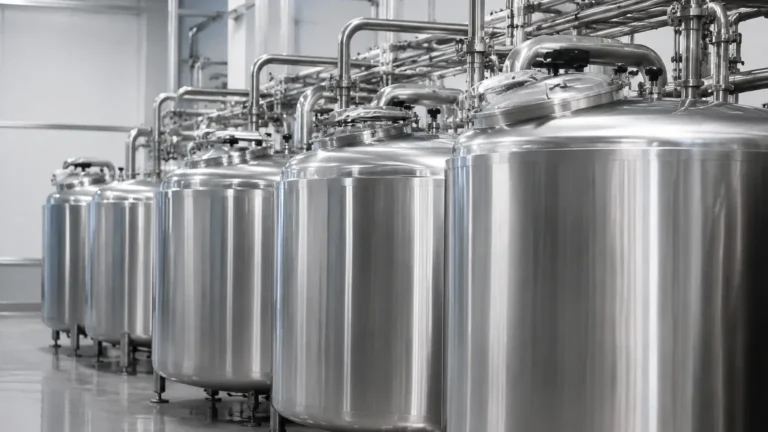
The core components of a professional hemp ethanol extraction line include:
1. Centrifuge Extractors: These units house the hemp biomass in mesh bags. Chilled ethanol is introduced, and the centrifuge spins at high speeds to force the solvent through the material, washing away the target compounds.
2. Filtration Skids: After extraction, the "miscella" (the mixture of ethanol and hemp extract) must be filtered to remove fine particulates and plant debris.
3. Falling Film Evaporators (FFE): These are critical for solvent recovery. The miscella is heated, and the ethanol is evaporated and condensed for reuse, leaving behind a concentrated crude oil.
4. Decarboxylation Vessels: These heated reactors convert acidic cannabinoids (like CBDa) into their active forms (CBD) by removing a carboxyl group, usually through controlled heating.
5. Solvent Storage Tanks: Large-scale operations require bulk storage for both clean and recovered ethanol, necessitating robust level monitoring to manage inventory and safety.
Level Measurement Principles in Ethanol-Based Extraction
To automate these systems, engineers must integrate sensors that can withstand low temperatures and the chemical properties of ethanol. Before selecting specific hemp ethanol extraction equipment components, it is essential to understand the physics behind measurement technologies.
Radar Level Measurement (Time-of-Flight)
Radar sensors emit high-frequency electromagnetic pulses (typically in the 26 GHz or 80 GHz range). These pulses travel to the surface of the ethanol, reflect back, and the sensor calculates the distance based on the time-of-flight.
* Dielectric Constant Considerations: Ethanol has a dielectric constant (εr) of approximately 24 at room temperature. This is high enough to provide a strong reflection for radar waves, making non-contact radar an excellent choice for ethanol tanks.
* Vapor Handling: Radar is generally unaffected by the vapors present in the headspace of an ethanol tank, provided the frequency is high enough to penetrate light condensation on the antenna.
Ultrasonic Level Measurement
Ultrasonic sensors use sound waves rather than electromagnetic waves. The sensor measures the time it takes for a sound pulse to bounce off the liquid surface and return.
* Limitation: In hemp ethanol extraction equipment, ultrasonic sensors face challenges due to the varying density of ethanol vapors. Sound speed changes with gas composition and temperature, which can lead to measurement errors unless the sensor is temperature-compensated and calibrated for the specific vapor environment.
Hydrostatic Pressure Measurement
This principle measures the pressure exerted by the liquid column at the bottom of the tank. The pressure (P) is equal to the height of the liquid (h) multiplied by the density (ρ) and gravity (g).
* Density Sensitivity: Because ethanol density changes significantly with temperature (it expands as it warms), hydrostatic sensors must be paired with temperature probes to provide an accurate "compensated" level reading. This is particularly important in cold-extraction systems where temperatures fluctuate between -80°C and ambient.
Selecting Level Sensors for Extraction Vessels and Storage
When configuring a facility, the Main Page of an instrumentation provider offers various technologies, but the selection must be tailored to the specific stage of the extraction process.
Centrifuge and Reactor Level Control
In centrifuges, the level of ethanol must be precisely controlled to ensure the biomass is fully submerged without overfilling the drum. Because these units often involve high-speed rotation and vibration, non-contact radar is preferred over mechanical floats. The sensor must be rated for hazardous locations (Class I, Division 1 or ATEX Zone 0/1) due to the presence of ethanol vapors.
Evaporator and Recovery Monitoring
In Falling Film Evaporators, maintaining a consistent level in the separator flask is vital. If the level is too high, crude oil may be carried over into the solvent recovery line (entrainment). If it is too low, the heat exchanger may run dry, causing "baking" of the extract. Hydrostatic transmitters with flush diaphragms are often used here because they are easy to clean and can handle the viscous nature of the concentrated crude oil.
Technical Comparison of Level Measurement Technologies
The following table provides a practical engineering reference for selecting instrumentation for hemp ethanol extraction equipment.
| Technology | Accuracy | Best Application | Limitations | Hazardous Area Suitability |
| :— | :— | :— | :— | :— |
| 80 GHz Radar | ±1 mm | Bulk Ethanol Storage, Centrifuges | Higher initial cost | Excellent (Ex ia / Ex d) |
| Ultrasonic | ±0.25% of range | Water-based cleaning tanks | Affected by ethanol vapors | Limited |
| Hydrostatic | ±0.1% of span | Evaporator bottoms, Crude oil tanks | Requires density compensation | Good (with barrier) |
| Magnetic Gauge | Visual | Buffer tanks, Day tanks | Mechanical parts can stick | Good (no power needed) |
| Level Switch | Point level | Overfill protection | Contact-based; requires cleaning | Excellent |
Installation Considerations for Extraction Skids
Proper installation is as critical as the choice of technology. In hemp ethanol extraction equipment, the physical layout of the piping and vessels often presents challenges.
1. Nozzle Geometry: For radar sensors, the mounting nozzle should be short and wide enough to prevent signal interference from the nozzle walls. For 80 GHz radar, smaller nozzles (DN25 or 1") are often sufficient due to the narrow beam angle.
2. Internal Obstructions: Extraction vessels often contain agitators, spray balls for CIP (Clean-in-Place), and baffles. Sensors must be positioned so the signal beam does not strike these objects. Modern radar sensors offer "false signal suppression" to ignore these reflections.
3. Sanitary Standards: Since hemp extracts are often intended for human consumption (as CBD oil), all instrumentation must meet sanitary standards. This involves using 316L stainless steel wetted parts and Tri-Clamp or other hygienic process connections to prevent bacterial growth.
4. Chilled Environments: In ultra-cold extraction, ice can form on the exterior of tanks and sensors. Ensure that the sensor housing is rated for the ambient environment and that the cable entries are properly sealed against moisture ingress.
Operational Risks and Safety Limitations
Operating hemp ethanol extraction equipment involves inherent risks that must be mitigated through engineering controls.
* Foaming: During the evaporation or decarboxylation process, the miscella can foam aggressively. Ultrasonic sensors often fail in these conditions as the foam absorbs the sound wave. Radar sensors are more resilient but may still require specific frequency adjustments or the use of a stilling well to provide a stable reading.
* Vacuum Conditions: Many extraction processes, especially solvent recovery, operate under vacuum to lower the boiling point of ethanol. Level sensors must be rated for full vacuum to prevent diaphragm deformation or seal failure.
* Explosion Protection: Ethanol is a Category 2 flammable liquid. All electrical equipment in the vicinity of the extraction skid must be certified for hazardous areas. This includes not just the sensor head, but also the cabling and the barriers in the control panel.
Frequently Asked Questions
Q: Why is 80 GHz radar preferred over 26 GHz for ethanol extraction?
A: 80 GHz radar has a much narrower beam angle (typically 3° to 6°). This allows it to be installed in vessels with complex internals or narrow nozzles without picking up interference from the tank walls or agitator blades, which is common in compact extraction skids.
Q: Can I use a standard hydrostatic pressure transmitter for ethanol?
A: Only if the transmitter is calibrated for the specific gravity of ethanol (~0.789) and features a chemical-resistant diaphragm. Furthermore, it must be rated for the operating temperature, as standard sensors may fail at -80°C.
Q: How do I handle level measurement in a vessel with a heavy agitator?
A: Non-contact radar is the best solution. By using the sensor's software to map out the agitator blades as "static" or "background" noise, the sensor can track the liquid level through the moving blades.
Q: What is the impact of "winterization" on level sensors?
A: Winterization involves precipitating waxes out of the extract. These waxes can coat contact-based sensors (like tuning forks or floats), leading to false readings. Non-contact sensors are highly recommended for any stage where waxes or heavy lipids are present.
Conclusion
Selecting the appropriate hemp ethanol extraction equipment requires a balance of throughput capacity, solvent efficiency, and precise process monitoring. By integrating advanced level measurement technologies—such as 80 GHz radar and compensated hydrostatic transmitters—processors can ensure their systems operate safely and within optimal parameters. For engineers and facility managers looking to upgrade their instrumentation or design new extraction lines, reviewing the technical specifications and product options on the Main Page is a critical step in building a compliant and efficient hemp processing facility.