Cbd Oil Extractor
Cbd Oil Extractor
In the rapidly evolving landscape of botanical processing, the efficiency of a cbd oil extractor system is heavily dependent on the precision of its instrumentation. Industrial extraction involves complex phase changes, high pressures, and volatile solvents, all of which require rigorous monitoring to ensure product consistency and operational safety. Level measurement is a cornerstone of this automation, providing the data necessary to manage solvent recovery, crude oil collection, and winterization processes.
For engineers and facility managers, selecting the right level sensor for an extraction environment requires an understanding of both the chemical properties of the solvents and the physical constraints of the extraction vessel. Whether utilizing CO2, ethanol, or hydrocarbon methods, the integration of reliable level transmitters is essential for preventing tank overfills and ensuring the continuous flow of the production line.
Measurement Principles in Extraction Environments
Before selecting a sensor for a cbd oil extractor, it is vital to understand the underlying physics of different measurement technologies. In industrial level sensing, we primarily categorize instruments by their interaction with the medium.
Radar Level Measurement (Time-of-Flight)
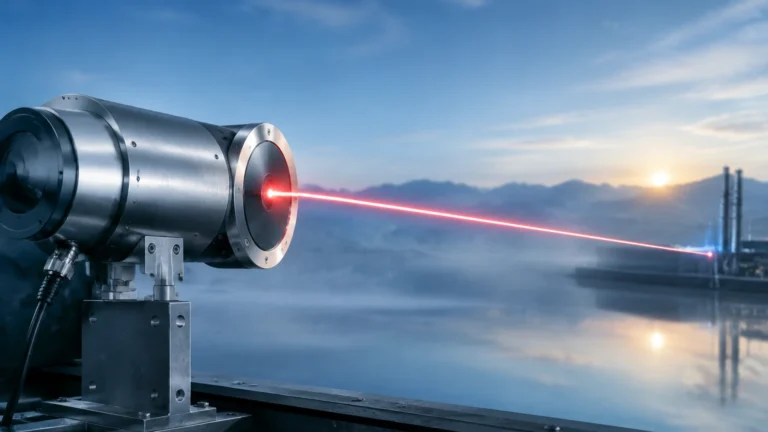
Radar level meters, particularly those operating at high frequencies like 80GHz, utilize electromagnetic pulses. These pulses are emitted from the antenna, reflect off the surface of the liquid, and return to the sensor. The distance is calculated based on the time-of-flight. This method is highly effective for CBD extraction because it is non-contact and unaffected by the heavy vapors or high-pressure environments often found in solvent storage and recovery tanks.
Ultrasonic Level Sensing
Ultrasonic sensors function similarly to radar but use sound waves instead of electromagnetic waves. While cost-effective, they are generally limited to atmospheric tanks. In a cbd oil extractor setup, ultrasonic sensors are best suited for water-jacketed cooling tanks or wastewater management, as the sound waves can be distorted by the dense solvent vapors or vacuum conditions present in the primary extraction chambers.
Hydrostatic Pressure Measurement
Hydrostatic transmitters measure the pressure exerted by the liquid column at the bottom of a tank. Since pressure is directly proportional to the height of the liquid (based on its density), this provides a reliable level reading. This is a common choice for large-scale ethanol storage tanks where the density of the fluid remains relatively constant.
Magnetic Level Gauges
Magnetic gauges use a float containing a magnet that moves with the liquid level. This magnet interacts with an external indicator or a reed-switch transmitter. This provides both a visual local indication and an electronic signal for the control system, making it a robust mechanical backup for critical vessels.
Level Sensor Selection for Different Extraction Methods
The choice of instrumentation is dictated by the specific solvent and the physical state of the extraction process. For a detailed look at specific hardware configurations, you may visit the Main Page of our product catalog.
1. Supercritical CO2 Extraction
CO2 extraction operates at extremely high pressures, often exceeding 70 bar (1,015 psi). Level sensors must be rated for these pressures and be capable of distinguishing between the liquid and gaseous phases of CO2. Radar level meters with high-pressure seals are the industry standard here.
2. Ethanol Extraction
Ethanol is a common solvent for high-throughput CBD production. Because ethanol is flammable, all instrumentation must be ATEX or SIL2 certified. Hydrostatic transmitters are frequently used in these vessels due to their reliability in deep tanks, though non-contact radar is preferred if the ethanol is being agitated or if there is significant foam during the filtration stage.
3. Hydrocarbon Extraction (Butane/Propane)
Hydrocarbon extraction involves highly volatile solvents. The sensors used in a hydrocarbon cbd oil extractor must be explosion-proof (Class I, Div 1). Because these solvents have low dielectric constants, guided wave radar or high-sensitivity non-contact radar is necessary to ensure a strong signal reflection from the liquid surface.
Practical Selection Table
| Technology | Best Application | Pressure Range | Accuracy | Limitations |
| :— | :— | :— | :— | :— |
| 80GHz Radar | Solvent Recovery, Crude Storage | Up to 100 bar | ±2 mm | Higher initial cost |
| Hydrostatic | Large Ethanol Bulk Tanks | Up to 40 bar | ±0.1% FS | Sensitive to density changes |
| Ultrasonic | Buffer Tanks, Water Treatment | Atmospheric | ±0.25% | Not for vacuum or high vapor |
| Magnetic Gauge | High-Pressure Separators | Up to 160 bar | ±5 mm | Mechanical moving parts |
Installation Considerations for CBD Extraction Systems
Proper installation is as critical as the technology choice itself. In a cbd oil extractor, several factors can interfere with accurate readings:
1. Agitation and Turbulence: Many extraction tanks use internal mixers. If using radar or ultrasonic sensors, the beam must be positioned to avoid the agitator blades. Alternatively, a stilling well can be installed to provide a calm surface for measurement.
2. Nozzle Geometry: The mounting nozzle should be short enough to prevent the sensor's signal from reflecting off the nozzle walls (the "ringing" effect). For radar sensors, the antenna should ideally extend slightly past the nozzle neck.
3. Vapor and Condensation: In solvent recovery, condensation can build up on the sensor face. Selecting a sensor with a PTFE or PEEK face can help shed droplets, and 80GHz radar is specifically designed to "see through" heavy steam or vapor clouds.
4. Foaming: CBD crude oil can foam during solvent evaporation. Ultrasonic waves are often absorbed by foam, leading to a loss of signal. In these cases, hydrostatic pressure or guided wave radar (GWR) is a more dependable solution.
Limitations of Level Measurement in Extraction
While modern sensors are highly advanced, they are not universal solutions. Hydrostatic sensors fail to provide accurate readings if the fluid density changes significantly due to temperature fluctuations, unless a secondary pressure sensor is used for compensation. Similarly, non-contact radar may struggle with extremely low dielectric fluids (like pure hydrocarbons) unless the electronics are specifically tuned for low-reflectivity surfaces.
In a cbd oil extractor, the presence of internal piping, heating coils, and baffles can create "false echoes." Advanced radar units allow for "false echo suppression," where the software learns the tank's internal structure and ignores static reflections, but this requires careful commissioning during the setup phase.
Frequently Asked Questions (FAQ)
Q: Can I use the same level sensor for both CO2 and Ethanol extraction?
A: Generally, no. CO2 extraction requires sensors rated for much higher pressures (supercritical levels), whereas ethanol extraction focuses more on chemical compatibility and explosion-proof ratings at lower pressures.
Q: How does vacuum affect level measurement?
A: Vacuum conditions render ultrasonic sensors useless because sound requires a medium (air) to travel. Radar, however, works perfectly in a vacuum as electromagnetic waves do not require a gaseous medium.
Q: What maintenance is required for these sensors?
A: Non-contact radar requires very little maintenance. Hydrostatic sensors should be checked periodically for sediment buildup at the diaphragm, and magnetic floats should be inspected for mechanical wear or buildup of botanical waxes.
Q: Is it necessary to have a local display on the extractor?
A: While most data is sent to a central PLC (Programmable Logic Controller), having a local display on the cbd oil extractor allows operators to perform manual checks and ensures safety during power outages or system maintenance.
Conclusion
Achieving precision in a cbd oil extractor requires a systematic approach to level measurement. By understanding the measurement principles of radar, hydrostatic, and ultrasonic technologies, process engineers can select the most appropriate tool for their specific solvent and pressure requirements. Accurate level data not only improves the yield of the extraction process but also serves as a critical safety barrier in the handling of industrial solvents. For further technical specifications and to Review product options and application support, please consult our engineering resources.