Chemical Tank Level Monitoring
Chemical Tank Level Monitoring
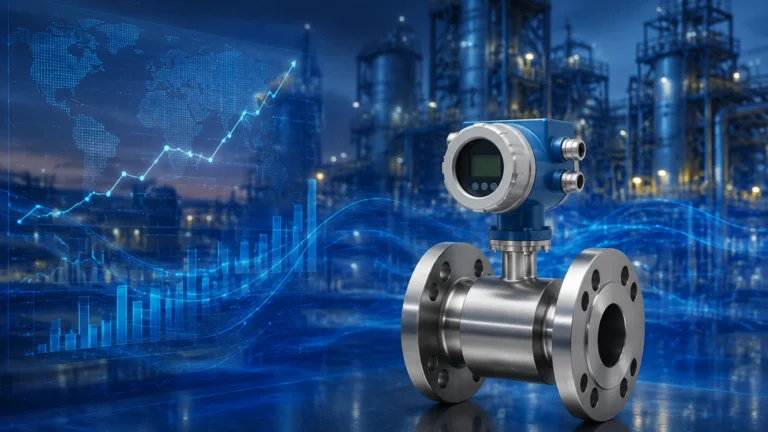
Effective chemical tank level monitoring is a cornerstone of modern industrial process control. In environments involving corrosive, volatile, or high-purity substances, the ability to accurately track inventory and prevent overfills is not merely an operational convenience but a critical safety and regulatory requirement. This guide examines the technical principles, selection criteria, and installation nuances essential for engineers and plant managers tasked with managing chemical storage and process vessels.
Understanding the Importance of Accurate Chemical Level Monitoring
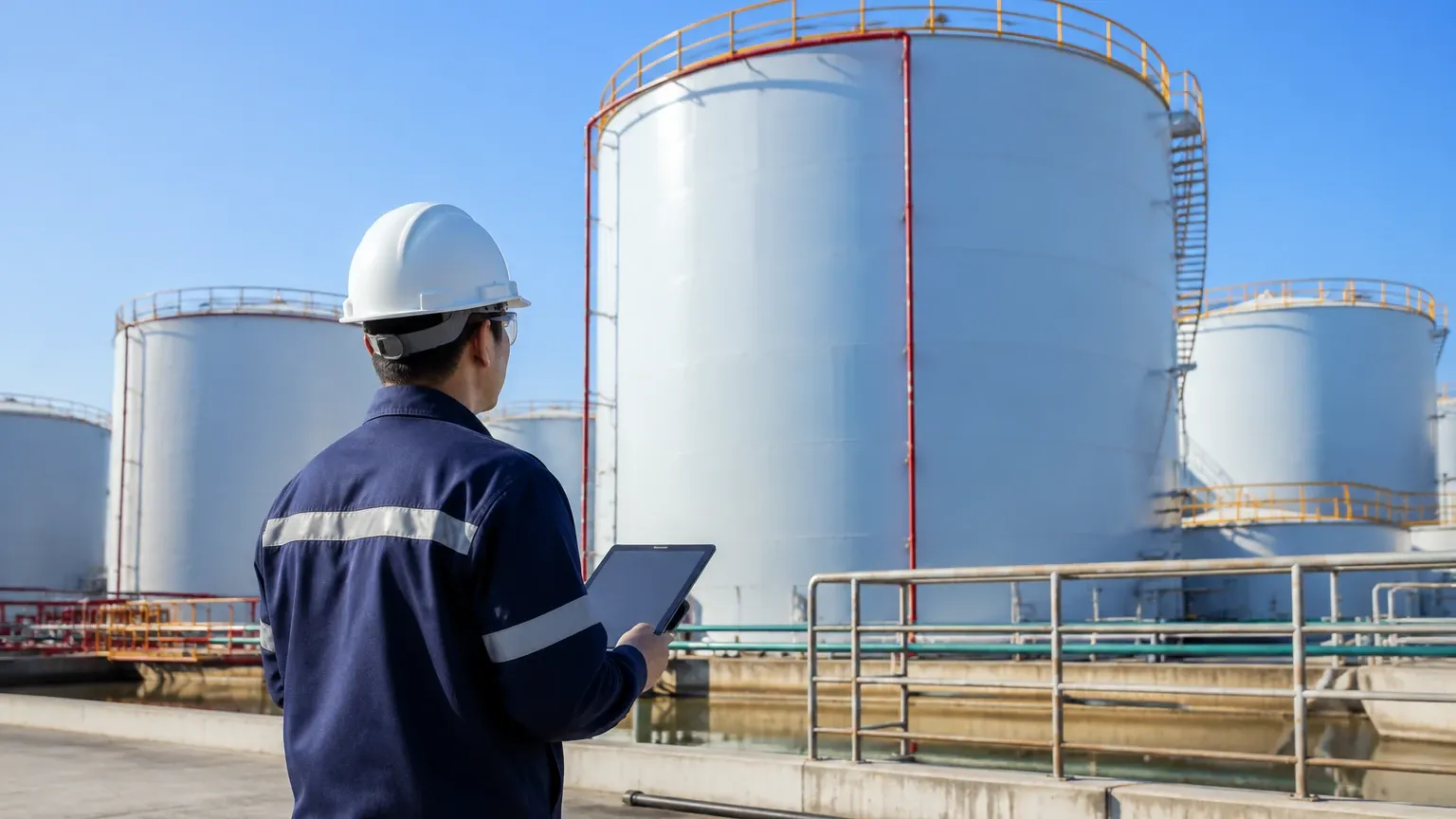
Chemical processing industries—ranging from water treatment and pharmaceuticals to petrochemicals—rely on precise level data to maintain mass balance, ensure batch consistency, and protect infrastructure. Inaccurate monitoring can lead to catastrophic tank ruptures, environmental contamination, or costly production downtime.
Monitoring systems for chemicals must account for diverse physical properties, including varying densities, dielectric constants, and the presence of corrosive vapors. Furthermore, many chemical applications occur in hazardous areas, requiring instrumentation that complies with international explosion-proof standards such as ATEX or IECEx. By selecting the appropriate technology, facilities can achieve reliable data integration into PLC or SCADA systems, facilitating automated replenishment and emergency shutdown protocols.
Core Measurement Principles for Chemical Applications
Before selecting a specific instrument, it is vital to understand the physics behind common level measurement technologies. Each method interacts differently with the chemical media and the tank environment.
Radar Level Measurement (Non-Contact and Guided)
Radar technology is often the preferred choice for complex chemical tank level monitoring due to its high accuracy and independence from media properties like density or pressure.
* Non-Contact Radar: These sensors emit high-frequency microwave pulses (typically 26GHz or 80GHz) that reflect off the liquid surface. The time-of-flight determines the distance. 80GHz radar is particularly effective for chemical tanks because its narrow beam angle avoids internal obstructions like agitators or heating coils.
* Guided Wave Radar (GWR): This technology uses a probe (cable or rod) to guide the microwave signal to the liquid surface. GWR is highly effective for chemicals with low dielectric constants or applications involving heavy steam and foam, as the probe ensures the signal reaches the surface and returns reliably.
Ultrasonic Level Sensors
Ultrasonic sensors function by emitting sound waves that bounce off the liquid surface. While cost-effective and easy to install, their performance in chemical tanks can be affected by the gas composition above the liquid. Since the speed of sound varies depending on the medium it travels through (e.g., nitrogen blankets or solvent vapors), temperature compensation and gas-phase calibration are necessary for accuracy.
Hydrostatic Pressure Transmitters
Hydrostatic measurement relies on the principle that the pressure at the bottom of a tank is proportional to the liquid height and its specific gravity ($P =
ho gh$). For chemical tanks, these transmitters often utilize flush-mounted diaphragms made of corrosion-resistant materials like Hastelloy C, Tantalum, or Ceramic to prevent chemical attack.
Magnetic Level Gauges
Magnetic gauges provide both a local visual indication and a remote electronic signal. A float containing a magnet moves with the liquid level inside a bypass chamber, flipping external magnetic flaps. This method is highly valued in the chemical industry because the liquid is entirely contained within a pressure-rated chamber, eliminating the risk of glass breakage associated with traditional sight glasses.
Selecting Materials for Corrosive Environments
The longevity of a level sensor in a chemical environment depends heavily on material compatibility. Standard 316L stainless steel is insufficient for many aggressive acids or alkalis. Engineers must evaluate the wetted parts of the instrument against the chemical's concentration and temperature.
1. PTFE/PFA (Teflon): Widely used for lining radar antennas and coating GWR probes. It offers near-universal chemical resistance to acids like Hydrochloric (HCl) and Sulfuric ($H_2SO_4$).
2. PVDF (Kynar): A common choice for ultrasonic sensor housings and hydrostatic transmitter bodies in water treatment and mild chemical applications.
3. Ceramic Diaphragms: Highly resistant to abrasion and chemical corrosion, making them ideal for hydrostatic sensors in slurries or aggressive chemical mixtures.
4. Titanium and Hastelloy: Reserved for high-temperature, high-pressure environments involving chlorides or organic acids where standard alloys would fail rapidly.
Application-Specific Challenges: Foam, Vapors, and Agitation
Chemical tanks are rarely static environments. Several factors can interfere with accurate level readings:
Managing Surface Foam
Foam can absorb ultrasonic and radar signals, leading to "lost echo" errors. In tanks where foaming is prevalent, Guided Wave Radar is typically the most robust solution, as the signal is concentrated along the probe, allowing it to penetrate the foam layer and detect the true liquid interface.
Dealing with Vapors and Condensation
Volatile chemicals create dense vapor layers or condensation on sensor faces. Non-contact radar sensors with integrated "drip-off" antenna designs prevent condensate buildup from reflecting the signal prematurely. For ultrasonic sensors, heavy vapors can change the speed of sound significantly, leading to measurement errors of 5% to 10% if not properly compensated.
Agitation and Turbulence
Many chemical reactors use agitators to mix contents. This creates a turbulent surface and potential mechanical interference. Using a stilling well or a bypass pipe can provide a calm surface for measurement. Alternatively, high-frequency 80GHz radar can be programmed to ignore the reflections from moving agitator blades through advanced software filtering (false echo suppression).
Comparative Selection Guide and Technical Specifications
To assist in the initial engineering phase, the following table compares the primary technologies used in chemical tank level monitoring.
| Technology | Accuracy | Chemical Resistance | Best For | Limitations |
| :— | :— | :— | :— | :— |
| 80GHz Radar | ±1 mm | Excellent (with PTFE) | Narrow tanks, aggressive vapors | High initial cost |
| Guided Wave Radar | ±2 mm | Excellent (with coatings) | Low dielectric liquids, foam | Probe can attract buildup |
| Ultrasonic | ±0.25% of range | Good (PVDF/PP) | Water-based chemicals, open sumps | Sensitive to vapors/vacuum |
| Hydrostatic | ±0.1% to 0.5% | Excellent (Ceramic/Alloy) | Vented or pressurized tanks | Requires constant density |
| Magnetic Gauge | ±5 mm to 10 mm | Excellent (Bypass design) | High pressure, visual safety | Moving parts (float) |
For a comprehensive range of instruments tailored to these specifications, professionals often consult the Main Page of specialized manufacturers to compare model-specific tolerances and output protocols like 4-20mA HART, Modbus, or Foundation Fieldbus.
Installation Best Practices and Safety Compliance
Correct installation is as important as technology selection. Even the most advanced radar sensor will fail if placed incorrectly.
* Nozzle Geometry: Ensure the sensor is not mounted too close to the tank wall. Reflections from the wall can interfere with the signal. For radar, the nozzle height should be kept to a minimum to prevent internal reflections within the mounting neck.
* Dead Zones (Blocking Distance): Every sensor has a minimum distance it cannot measure (the "dead zone"). Ensure the tank's maximum fill level does not enter this zone, or use a nozzle extension to raise the sensor.
* Grounding and Shielding: In chemical plants with significant electrical noise from large pumps and motors, use shielded cabling and ensure the instrument is properly grounded to prevent signal drift.
* Seal Integrity: For tanks containing toxic or flammable chemicals, the process connection must provide a secondary seal. This prevents the process media from escaping into the electronics housing or the atmosphere if the primary sensing element fails.
Frequently Asked Questions
Q: How do I measure the level of a chemical with a very low dielectric constant?
A: Guided Wave Radar (GWR) is the most reliable method for low-dielectric liquids (dielectric constant < 2.0). The probe guides the energy, ensuring a sufficient reflection is returned to the sensor.
Q: Can I use one sensor for multiple different chemicals in the same tank?
A: If using hydrostatic pressure, you must recalibrate the sensor for each chemical's specific gravity. Radar and ultrasonic sensors are generally independent of density and are better suited for multi-chemical use, provided the materials are compatible with all substances.
Q: What is the benefit of 80GHz radar over 26GHz radar in chemical tanks?
A: 80GHz radar has a much narrower beam (often as small as 3 degrees). This allows it to be installed in tanks with internal pipes, ladders, or agitators without receiving false reflections from those objects.
Conclusion
Selecting the right system for chemical tank level monitoring requires a holistic view of the chemical's properties, the vessel's physical constraints, and the required safety standards. While radar remains the gold standard for versatility and precision, hydrostatic and magnetic technologies offer robust alternatives for specific pressure and visual requirements. By adhering to material compatibility charts and rigorous installation standards, industrial facilities can ensure long-term reliability and safety in their chemical handling processes. For further technical documentation and product configurations, engineers are encouraged to review available resources on the Main Page to align their project requirements with the latest sensor innovations.