Sewer Monitoring
Sewer Monitoring
Sewer monitoring is a critical component of modern urban infrastructure management and industrial wastewater treatment. It involves the continuous tracking of flow levels, velocity, and environmental conditions within a collection system to ensure operational efficiency, regulatory compliance, and public safety. Effective monitoring allows engineers to detect blockages, manage Combined Sewer Overflows (CSOs), and optimize the performance of lift stations and treatment plants.
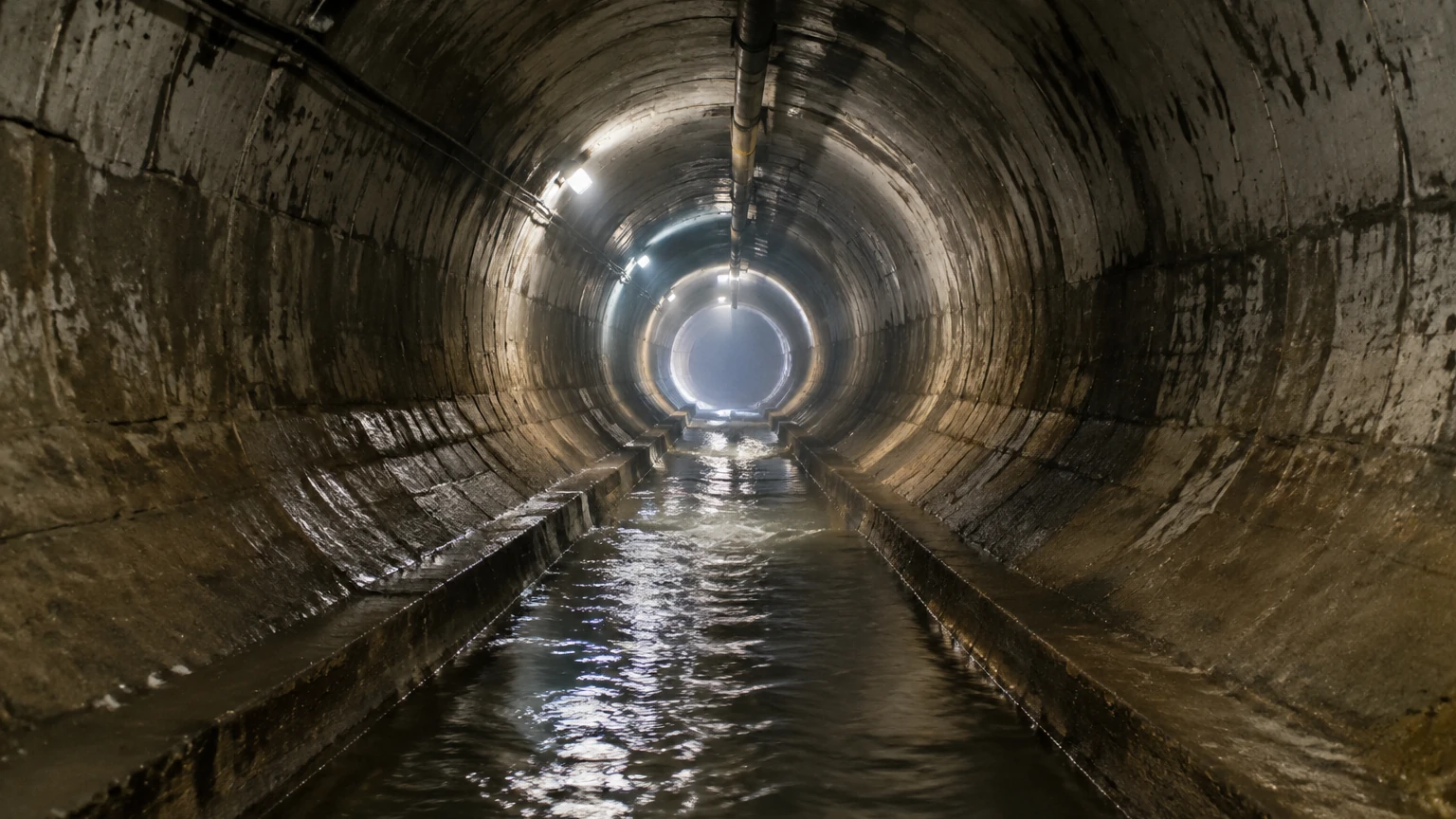
In the context of industrial automation and municipal engineering, selecting the right instrumentation requires a deep understanding of the physical environment. Sewerage systems are notoriously harsh, characterized by high humidity, corrosive gases such as hydrogen sulfide (H2S), and turbulent, debris-laden fluids. This article examines the core measurement principles used in sewer monitoring and provides a technical framework for selecting and installing level measurement solutions.
Measurement Principles for Wastewater Systems
Before selecting a specific device, it is essential to understand the physics behind the most common measurement technologies. In sewer monitoring, level measurement is typically the primary data point used to derive flow rates or trigger alarms.
Radar Level Measurement
Radar level meters operate on the principle of Time-of-Flight (ToF). The sensor emits high-frequency microwave pulses (typically in the 24 GHz or 80 GHz range) that travel to the surface of the wastewater and reflect back to the antenna. The distance is calculated based on the time interval between emission and reception.
* Advantages: As a non-contact technology, radar is unaffected by the density, temperature, or pressure of the air. Modern 80 GHz radar units offer a very narrow beam angle, which is ideal for narrow manholes where internal structures like ladders or pipes might otherwise cause false echoes.
* Limitations: While highly reliable, radar sensors require a clear line of sight to the liquid surface.
Ultrasonic Level Measurement
Ultrasonic sensors also use the ToF principle but employ sound waves instead of microwaves. The transducer emits an ultrasonic pulse that bounces off the liquid surface. The time it takes for the echo to return is proportional to the distance.
* Advantages: Cost-effective and easy to install for open-channel flow or shallow wet wells.
* Limitations: Sound speed is affected by air temperature and gas composition. In sewer environments, high concentrations of methane or CO2 can change the speed of sound, leading to measurement errors unless temperature compensation and proper calibration are used. They are also sensitive to heavy foam and steam.
Hydrostatic Pressure Measurement
Hydrostatic transmitters are submersible sensors that measure the pressure exerted by the liquid column above them. This pressure is directly proportional to the depth of the fluid (P = ρgh).
* Advantages: Excellent for deep sumps or lift stations where surface foam or turbulence makes non-contact measurement difficult.
* Limitations: Because the sensor is in direct contact with the sewage, it is prone to fouling from grease, rags, and solids. Frequent cleaning is often required to prevent the sensing diaphragm from becoming clogged.
Selection Criteria for Sewer Level Sensors
Choosing the appropriate technology depends on the specific requirements of the monitoring site. Engineers should evaluate the following factors before finalizing a specification.
1. Environmental Conditions
Sewer environments are classified as hazardous areas. Sensors must often carry ATEX or IECEx certifications for explosive atmospheres (Zone 0 or Zone 1). Furthermore, the presence of H2S requires materials that resist corrosion, such as PVDF, PTFE, or high-grade stainless steel.
2. Physical Constraints
In manhole monitoring, space is limited. A sensor with a wide beam angle may detect the walls of the manhole rather than the water level. In these instances, high-frequency radar is preferred due to its focused signal. For deep wet wells where the liquid surface is frequently covered in thick foam, hydrostatic sensors are often more reliable than ultrasonic options.
3. Power and Connectivity
Many sewer monitoring points are located in remote areas without access to the power grid. In these cases, low-power sensors capable of operating on battery or solar power are required. Data is typically transmitted via cellular (NB-IoT, LTE-M) or LoRaWAN networks to a central SCADA system.
Comparison Table: Level Measurement Technologies
| Feature | Radar (Non-contact) | Ultrasonic (Non-contact) | Hydrostatic (Contact) |
| :— | :— | :— | :— |
| Accuracy | High (±2mm) | Moderate (±0.25% of range) | Moderate (±0.5% of range) |
| Maintenance | Very Low | Low | Moderate to High |
| Resistance to Foam | Good | Poor | Excellent |
| Resistance to Vapors | Excellent | Poor | Excellent |
| Installation Complexity | Low | Low | Moderate |
| Typical Range | Up to 30m+ | 0.3m to 15m | 1m to 200m |
For a comprehensive overview of available technologies and technical specifications, engineers can Review product options and application support on our Main Page.
Installation Best Practices in Manholes and Wet Wells
Proper installation is as important as selecting the right sensor. Even the most advanced radar meter will fail if it is positioned incorrectly.
1. Avoid the Dead Zone: Every non-contact sensor has a "dead zone" (or blocking distance) directly beneath the transducer where measurement is impossible. Ensure the sensor is mounted high enough that the maximum expected water level does not enter this zone.
2. Beam Path Clearance: Ensure the signal beam is not obstructed by ladders, pipes, or the manhole benching. For ultrasonic sensors, the beam spreads in a cone shape; for radar, this cone is much tighter but still exists.
3. Stilling Wells: In high-turbulence areas, such as near an influent pipe in a wet well, a stilling well (a vertical pipe that dampens surface ripples) can be used to provide a stable surface for the sensor to measure.
4. Submergence Protection: In areas prone to flooding, non-contact sensors should be fitted with submergence shields or rated to IP68. This ensures that if the manhole surcharges, the sensor is not damaged and can resume measurement immediately once the level drops.
Overcoming Environmental Challenges in Sewerage Networks
Sewer monitoring faces several unique challenges that can compromise data integrity if not addressed during the design phase.
Corrosion and Material Choice
Hydrogen sulfide gas reacts with moisture to form sulfuric acid. This can rapidly degrade standard aluminum housings or low-grade plastics. For long-term sewer monitoring, sensors should utilize chemically resistant plastics like PVDF or specialized coatings. Cables must be made of robust materials like PUR (Polyurethane) or FEP to prevent embrittlement.
Condensation and Steam
In many sewer systems, the temperature of the wastewater is higher than the ambient air temperature, leading to heavy condensation on the sensor face. While radar signals can penetrate thin layers of condensation, ultrasonic signals are often scattered. Specialized "drip-off" antenna designs in radar meters help prevent water droplets from pooling on the lens, ensuring a clear signal path.
Debris and Solids
Raw sewage contains a high percentage of solids, fats, oils, and grease (FOG). This is the primary reason why non-contact measurement is preferred for sewer networks. If a contact-based sensor like a hydrostatic transmitter must be used, it should be installed in a location with lower velocity to minimize the risk of physical damage from large debris, and it should be inspected regularly for grease buildup.
Frequently Asked Questions
Q: How often should sewer monitoring sensors be calibrated?
A: Non-contact radar sensors generally do not require routine calibration once commissioned, as they have no moving parts and the microwave signal is stable. Hydrostatic sensors should be checked annually for zero-drift caused by diaphragm fatigue or buildup.
Q: Can radar sensors measure through a manhole cover?
A: No. While radar can penetrate some non-metallic materials like plastic or fiberglass, it cannot penetrate standard cast iron or concrete manhole covers. The sensor must be mounted underneath the cover or a specialized antenna must be used.
Q: What is the best way to monitor flow in a partially filled sewer pipe?
A: This is typically done using the "Area-Velocity" method. A level sensor (radar or ultrasonic) measures the depth of the water, and an area-velocity probe (often using Doppler sonar) measures the speed of the flow. The two values are combined with the pipe geometry to calculate the flow rate in cubic meters per hour (m³/h).
Q: How do I prevent lightning damage to sensors in a sewer network?
A: Since sewer pipes can act as long conductors, surge protection is vital. Ensure that the instruments are properly grounded and that surge protection devices (SPDs) are installed on the signal lines before they enter the RTU (Remote Terminal Unit).
Conclusion
Reliable sewer monitoring is the backbone of proactive wastewater management. By moving from reactive maintenance to data-driven operations, municipalities and industrial facilities can significantly reduce the risk of environmental contamination and infrastructure failure. Whether utilizing the precision of 80 GHz radar or the robustness of hydrostatic pressure transmitters, understanding the underlying measurement principles and environmental constraints is the first step toward a successful monitoring strategy. For detailed technical guidance and to explore our full range of industrial level measurement instruments, please visit our Main Page.