Co2 Detection for Brewery
Co2 Detection for Brewery
In the modern brewing industry, carbon dioxide (CO2) is both a critical ingredient and a significant operational hazard. From the natural byproduct of fermentation to the pressurized gas used for carbonation and tank purging, CO2 is present at nearly every stage of production. Implementing robust co2 detection for brewery environments is not merely a regulatory requirement; it is a fundamental component of process safety and quality control. This guide explores the principles of CO2 detection, its relationship with liquid level measurement in pressurized vessels, and the technical criteria for selecting monitoring systems in industrial brewing applications.
Measurement Principles for Gas and Level Monitoring
To effectively manage CO2 within a brewery, engineers must understand the physical principles governing gas detection and how these interact with the liquid level measurement of beer and raw materials. CO2 is a colorless, odorless gas that is approximately 1.5 times heavier than air. It tends to collect in low-lying areas, such as pits, sumps, and the bottom of fermentation cellars.
NDIR (Non-Dispersive Infrared) Technology
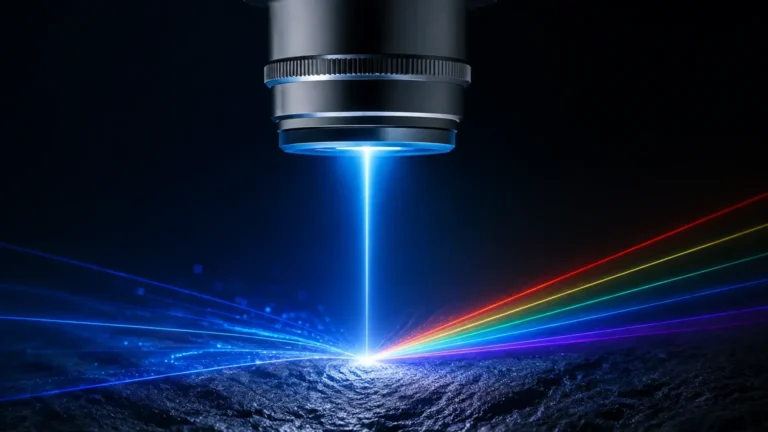
The gold standard for co2 detection for brewery applications is Non-Dispersive Infrared (NDIR) technology. This principle relies on the fact that CO2 molecules absorb specific wavelengths of infrared light—typically around 4.26 micrometers.
An NDIR sensor consists of an infrared source, a sample chamber, a filter, and a detector. As air enters the chamber, the detector measures how much infrared light is absorbed. The degree of absorption is directly proportional to the concentration of CO2 present. NDIR sensors are preferred in breweries because they are highly specific to CO2, have a long operational life (often exceeding 10 years), and are not "poisoned" by the volatile organic compounds (VOCs) or high humidity levels common in cellar environments.
The Relationship Between Gas Blanketing and Level Measurement
In many brewery vessels, CO2 is used to create an inert gas blanket above the liquid to prevent oxidation. This environment poses unique challenges for level measurement instruments. For example, ultrasonic level sensors rely on the speed of sound to calculate distance. Because the speed of sound in CO2 (approximately 267 m/s) is significantly slower than in air (approximately 343 m/s), an uncompensated ultrasonic sensor will provide highly inaccurate readings in a CO2-rich headspace.
To ensure accuracy, breweries often turn to technologies that are independent of gas composition, such as guided wave radar (GWR) or hydrostatic pressure transmitters. Welk provides a range of these solutions, ensuring that even in high-pressure CO2 environments, the liquid level is monitored with precision. For more information on integrating these sensors into your facility, you may Review product options and application support on our Main Page.
Key Evaluation Criteria for Brewery Detection Systems
When selecting a system for co2 detection for brewery use, several technical factors must be evaluated to ensure the equipment can withstand the harsh conditions of a production floor.
1. Ingress Protection (IP Rating)
Breweries are wet environments characterized by frequent washdowns and high humidity. Detection units should have a minimum rating of IP65, though IP67 is preferred for sensors located near cleaning-in-place (CIP) stations. The housing must resist corrosion from both water and the acidic or alkaline cleaning agents used in the industry.
2. Measurement Range and Alarm Setpoints
A standard CO2 detector should monitor concentrations from 0 to 5% by volume (50,000 ppm). Safety protocols typically require a multi-stage alarm system:
* TWA (Time Weighted Average): 5,000 ppm (0.5%) over an 8-hour shift.
* Low Alarm: 15,000 ppm (1.5%) for immediate evacuation of the local area.
* High Alarm: 30,000 ppm (3.0%) for facility-wide emergency response.
3. Temperature Compensation
Brewery cellars are often kept at low temperatures (0°C to 5°C), while brewhouses can reach much higher temperatures. CO2 sensors must include internal temperature compensation to prevent drift, as gas density and infrared absorption characteristics change with thermal fluctuations.
Practical Selection Table for Gas and Level Monitoring
The following table compares common technologies used in brewery gas and level management to assist in equipment selection.
| Technology | Primary Use | Advantages | Limitations |
| :— | :— | :— | :— |
| NDIR Sensors | Ambient CO2 Detection | Highly accurate, long lifespan, specific to CO2. | Higher initial cost than electrochemical. |
| Hydrostatic Transmitters | Liquid Level (Tanks) | Unaffected by CO2 gas blankets or foam. | Requires contact with the liquid; density dependent. |
| Radar (80GHz) | Non-contact Level | Extremely precise; ignores gas composition. | Higher cost; requires clear line of sight. |
| Electrochemical | O2/Toxic Gas Monitoring | Low cost, compact. | Short lifespan in high humidity; prone to cross-sensitivity. |
| Magnetic Gauges | Visual Tank Level | No power required; clear visual indication. | Limited to vertical mounting; mechanical parts. |
Common Risks in Brewery CO2 Management
Failure to implement adequate co2 detection for brewery operations leads to two primary risks: personnel safety hazards and product quality degradation.
Asphyxiation and Physiological Effects
CO2 is not just a simple asphyxiant that displaces oxygen; it is also toxic in high concentrations. Because it is odorless, workers may not realize they are entering a high-CO2 environment until they experience symptoms such as dizziness, headaches, or loss of consciousness. Most brewery accidents occur in confined spaces, such as inside fermentation tanks during manual cleaning or in walk-in coolers where CO2 leaks from kegging lines.
Impact on Fermentation Control
From a process perspective, the pressure of the CO2 blanket above the fermenting wort influences the rate of yeast metabolism and the production of esters. If the CO2 is not properly vented or if the pressure is not accurately monitored alongside the liquid level, the flavor profile of the beer can be altered. Integrating CO2 sensors with the tank's automated venting valves ensures a consistent environment for the yeast.
Installation and Placement Considerations
The effectiveness of a co2 detection for brewery system depends heavily on the physical placement of the sensors. Incorrect installation can lead to a false sense of security.
Sensor Height
Because CO2 is heavier than air, sensors should be mounted at "head height" for standing workers? No. They should be mounted low to the ground, typically 30 cm to 45 cm (12 to 18 inches) above the finished floor level. This allows the system to detect a leak as the gas pools, providing an early warning before the concentration reaches the breathing zone.
Strategic Locations
Sensors should be placed near potential leak sources and in areas where gas naturally accumulates:
* CO2 Storage Tanks: Near the manifold and delivery lines.
* Fermentation Cellars: At the lowest point of the room.
* Bright Beer Tanks: Near the carbonation stones and sample valves.
* Bottling/Canning Lines: Where CO2 is used for bottle purging.
* Walk-in Coolers: Especially near the floor where keg connections are made.
Integration with Ventilation
Modern systems should be interlocked with the facility's HVAC or dedicated exhaust fans. When the low-level alarm is triggered, the system should automatically increase air exchange rates to disperse the gas. This automated response is a critical layer of protection that reduces reliance on manual intervention during an emergency.

Maintenance and Calibration Protocols
To maintain the integrity of co2 detection for brewery safety, a rigorous maintenance schedule is required. While NDIR sensors are stable, they still require periodic verification.
1. Bump Testing: This involves exposing the sensor to a known concentration of CO2 to ensure the alarms activate. This should be performed monthly.
2. Calibration: A full calibration using certified span gas should be conducted every 6 to 12 months, depending on the manufacturer’s recommendations and the harshness of the environment.
3. Sensor Replacement: Most NDIR CO2 sensors have a lifespan of 10-15 years, but the peripheral electronics or pumps (if using a sampled system) may require more frequent service.
Limitations of CO2 Detection Systems
While highly effective, these systems have limitations that engineers must account for:
* Point Detection vs. Area Detection: A single sensor only measures the concentration at its specific location. In large cellars, multiple sensors are required to ensure no "dead zones" exist.
* Cross-Interference: While NDIR is specific, extreme humidity or steam can occasionally cause signal attenuation if the sensor does not have adequate moisture filters.
* Pressure Sensitivity: CO2 sensors are calibrated for atmospheric pressure. If used inside a pressurized vessel (which is generally not recommended for safety sensors), the readings will be skewed.
Frequently Asked Questions (FAQs)
Q: Can I use an oxygen (O2) sensor instead of a CO2 sensor?
A: No. While CO2 displaces oxygen, an O2 sensor may not trigger an alarm until the CO2 concentration is already at a dangerous level. For example, if CO2 rises to 5%, oxygen only drops from 20.9% to about 19.8%. A worker would be in severe danger from CO2 toxicity while the O2 sensor still shows a "safe" level.
Q: How many sensors do I need for my fermentation room?
A: As a general rule, one sensor should cover approximately 50 to 80 square meters of open floor space, with additional sensors placed near high-risk areas like CO2 headers.
Q: Does CO2 affect the accuracy of my level meters?
A: Yes, specifically for ultrasonic meters. For accurate tank level measurement in CO2 environments, it is recommended to use radar or hydrostatic transmitters from our Main Page.
Conclusion
Implementing a comprehensive strategy for co2 detection for brewery operations is a multifaceted task that blends gas safety with process automation. By selecting NDIR-based sensors, placing them at the correct floor height, and integrating them with the facility's ventilation and level monitoring systems, brewers can protect their staff and ensure the highest quality of their product. As a professional manufacturer, Welk continues to provide the industrial level measurement instruments necessary to operate these complex environments safely and efficiently.