Decarbonized Energy System
Decarbonized Energy System
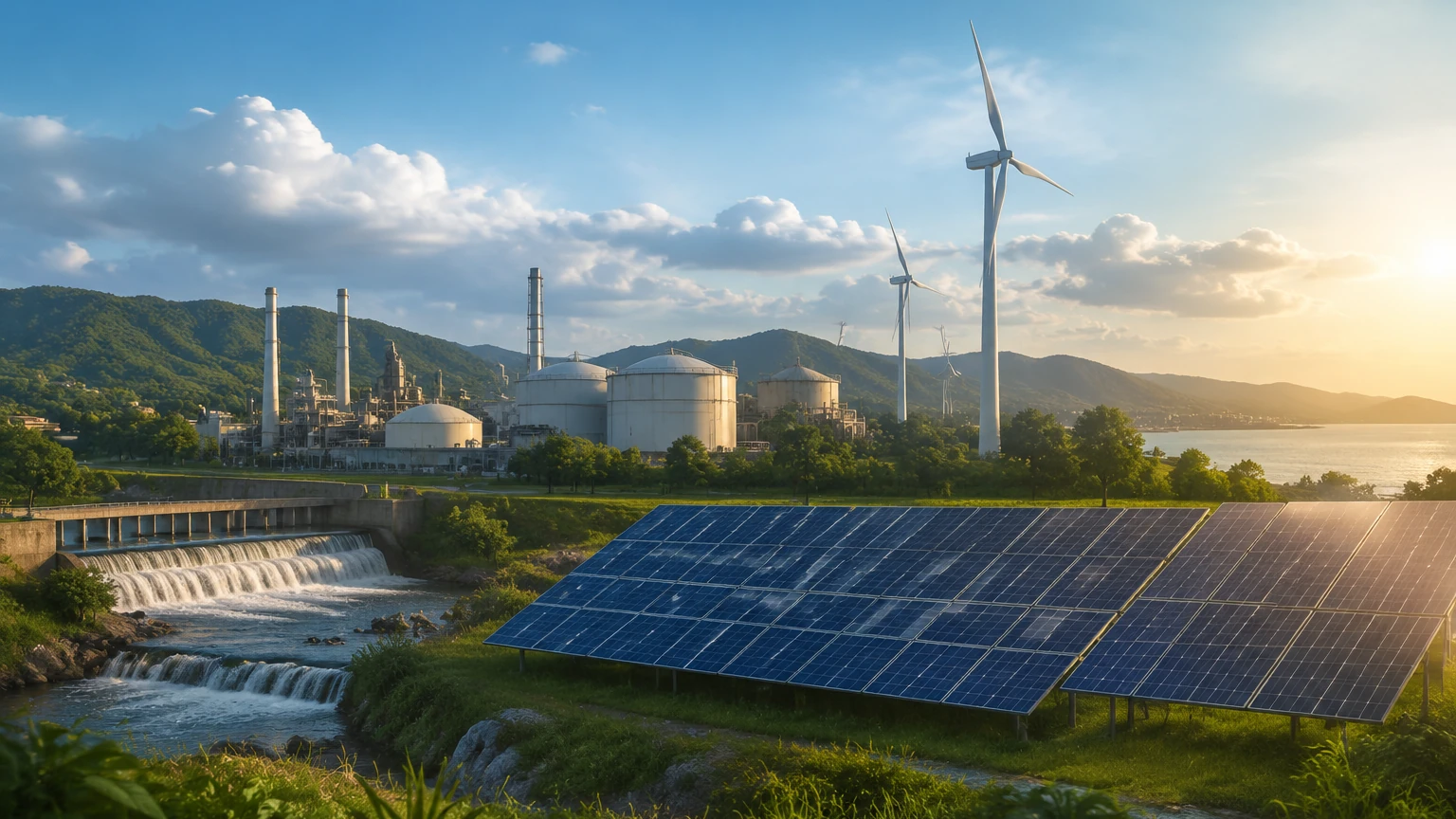
The global transition toward a decarbonized energy system represents one of the most significant shifts in industrial history. This transition involves moving away from fossil-fuel-based power generation and process heating toward a mix of renewable energy sources, hydrogen economies, carbon capture, and advanced energy storage. For engineers and plant managers, this shift necessitates a fundamental re-evaluation of process control and instrumentation. Accurate level measurement is no longer just a matter of inventory management; it is a critical safety and efficiency requirement for the new generation of energy infrastructure.
In a decarbonized energy system, the fluids and solids being measured often present unique challenges. From the cryogenic temperatures required for liquid hydrogen storage to the corrosive nature of amine solutions used in carbon capture, selecting the right level measurement technology is essential for operational longevity and system reliability.
The Evolution Toward a Decarbonized Energy System
A decarbonized energy system relies on several pillars: green hydrogen production, carbon capture and storage (CCS), large-scale battery or thermal energy storage, and the expansion of bioenergy. Each of these sectors requires precise level monitoring to maintain process stability.
For example, in green hydrogen production via electrolysis, maintaining the correct water level in the electrolyzer and the gas-liquid separators is vital to prevent equipment damage and ensure gas purity. Similarly, in CCS facilities, liquid CO2 must be monitored under high pressure and low temperatures. The integration of these technologies into a cohesive energy grid demands instrumentation that can communicate seamlessly with automation systems while providing high-accuracy data in real-time.
Core Measurement Principles for Level Sensing
Before selecting a device for use within a decarbonized energy system, it is necessary to understand the physical principles governing different measurement technologies. Each method has strengths and limitations based on the physical properties of the medium, such as dielectric constant, density, and temperature.
Radar Level Measurement (Non-Contact and Guided)
Radar technology is widely considered the gold standard for many green energy applications. It operates on the Time-of-Flight (ToF) principle.
* Non-Contact Radar: These sensors emit high-frequency microwave pulses (often at 26GHz or 80GHz). The pulses reflect off the surface of the medium and return to the sensor. The distance is calculated based on the time it takes for the signal to travel. 80GHz radar is particularly effective in a decarbonized energy system because its narrow beam angle allows it to avoid internal tank obstructions like agitators or heating coils.
* Guided Wave Radar (GWR): GWR uses a physical probe (cable or rod) to guide the microwave pulse to the surface. This is highly effective for low-dielectric liquids, such as certain biofuels or liquefied gases, where a non-contact signal might be too weak to return a reliable echo.
Ultrasonic Level Measurement
Ultrasonic sensors emit sound waves at frequencies above the human hearing range. Like radar, they use the ToF principle. However, because sound requires a medium (air or gas) to travel, these sensors are sensitive to changes in gas composition, temperature, and pressure. In a decarbonized energy system, ultrasonic sensors are frequently used in water treatment processes associated with hydrogen production or in open-air sumps for bioenergy feedstock processing.
Hydrostatic Level Measurement
This principle relies on the relationship between the height of a liquid and the pressure it exerts at the bottom of a vessel. The formula $P = \rho gh$ (where $P$ is pressure, $\rho$ is density, $g$ is gravity, and $h$ is height) defines the measurement. Hydrostatic transmitters are robust and simple, making them ideal for large storage tanks of water or stable chemicals, provided the density of the medium remains constant.
Magnetic Level Gauges and Switches
Magnetic level gauges provide a visual indication of level through a float-and-flap system. They are often used as redundant safety systems. Level switches, utilizing float, tuning fork, or capacitive principles, provide point-level detection to prevent overfills or dry-running of pumps in critical energy infrastructure.
Application Requirements in Green Energy Infrastructure
When designing a decarbonized energy system, engineers must match the measurement principle to the specific application. Below are the primary areas where advanced level measurement is deployed:
1. Green Hydrogen Production
Electrolyzers split water into hydrogen and oxygen. The level of deionized water must be strictly controlled. Because hydrogen is a highly explosive gas, instruments must be ATEX or IECEx certified. Radar and hydrostatic transmitters are the preferred choices here due to their reliability in pressurized environments.
2. Carbon Capture and Storage (CCS)
CCS involves capturing CO2 from industrial exhausts and liquefying it for transport or underground injection. Liquid CO2 is stored at high pressures (up to 7 MPa) and low temperatures. Guided Wave Radar is often selected because the probe ensures a strong signal return even when the CO2 is near its critical point, where the dielectric difference between the liquid and gas phases narrows.
3. Bioenergy and Anaerobic Digestion
Bioenergy plants process organic waste into biogas. These tanks often contain foam, turbulence, and varying steam layers. Non-contact radar with high-frequency signals (80GHz) is the most effective solution here, as it can penetrate steam and ignore light foam layers that would confuse ultrasonic sensors.
Technical Comparison and Selection Matrix
Choosing the right instrument requires balancing performance with environmental constraints. The following table provides a general guideline for selecting level instruments in a decarbonized energy system context.
| Technology | Best For | Limitations | Typical Accuracy |
| :— | :— | :— | :— |
| 80GHz Radar | Small tanks, corrosive liquids, biofuels | High initial cost | ±1 mm |
| Guided Wave Radar | Low dielectric liquids, liquid CO2 | Subject to probe coating/corrosion | ±2 mm |
| Ultrasonic | Water treatment, open channels | Affected by wind, steam, and vacuum | ±0.25% of range |
| Hydrostatic | Deep wells, vented tanks | Requires constant density | ±0.1% to 0.5% of span |
| Magnetic Gauge | Visual redundancy, high-pressure boilers | Mechanical wear over time | ±5 mm to 10 mm |
Installation Considerations and Operational Risks
Even the most advanced sensor will fail if not installed correctly. In the context of a decarbonized energy system, specific risks must be mitigated during the engineering phase.
Nozzle Geometry and Dead Zones
Every sensor has a "dead zone" or blocking distance—a region near the sensor face where measurement is impossible. For radar and ultrasonic sensors, the nozzle height must be calculated so that the maximum liquid level never enters this zone. Furthermore, the nozzle diameter should be wide enough to prevent signal interference from the nozzle walls.
Chemical Compatibility
In bioenergy or carbon capture, sensors are often exposed to aggressive chemicals like amines or acidic condensates. Wetted parts should be constructed from 316L stainless steel, Hastelloy, or PTFE-coated materials to prevent premature failure. For hydrogen applications, material embrittlement must be considered, although this primarily affects high-pressure metallic components.
Temperature and Pressure Extremes
Decarbonization processes often involve thermal energy storage (molten salts) or cryogenic storage. Standard sensors are typically rated up to 150°C or 200°C. For higher temperatures, cooling fins or remote-mounted electronics are necessary to protect the sensitive circuitry from heat damage.
Frequently Asked Questions (FAQ)
Q: Can radar level meters measure liquid hydrogen?
A: Measuring liquid hydrogen is extremely challenging due to its very low dielectric constant (approx. 1.2) and cryogenic temperature (-253°C). Specialized Guided Wave Radar with low-temperature extensions or high-sensitivity non-contact radar is required, often in combination with vacuum-insulated nozzles.
Q: Why is 80GHz radar preferred over 26GHz in green energy applications?
A: 80GHz radar has a much smaller wavelength, allowing for a narrower beam angle. This makes it easier to install in tanks with internal structures and provides better focus on the liquid surface, which is critical when dealing with the turbulent surfaces often found in chemical reactors or mixing tanks.
Q: How do I handle foam in a biogas digester?
A: Light foam can often be bypassed by high-frequency radar. However, if the foam is dense and persistent, a Guided Wave Radar or a mechanical system like a magnetic level gauge may be more reliable, as they are less affected by surface conditions.
Conclusion
As industries transition toward a decarbonized energy system, the precision of level measurement becomes a cornerstone of operational safety and carbon accounting. Whether managing water for electrolysis, capturing carbon from flue gases, or storing renewable energy in the form of biofuels, selecting the correct measurement principle is vital. Engineers must account for the physical properties of the medium, the environmental conditions of the site, and the specific safety requirements of the process.
For more detailed technical specifications and to explore a wide range of industrial level measurement tools, including radar, ultrasonic, and hydrostatic solutions, you can visit the Main Page for comprehensive product information and application support. Ensuring your instrumentation is aligned with the demands of modern energy systems is the first step toward a sustainable and efficient industrial future.