Dielectric Constant Aluminum
Dielectric Constant Aluminum
In the field of industrial level measurement, the dielectric constant ($ε_r$) is the primary physical property determining the success and accuracy of radar-based instrumentation. When discussing the dielectric constant aluminum, engineers often encounter a unique set of physical parameters. Aluminum, as a highly conductive metal, behaves differently than the liquids or dielectric solids typically measured in process tanks. Understanding how this property influences signal reflection is essential for selecting the correct instrumentation from a Main Page of industrial solutions.
Measurement Principles and the Role of Dielectric Constants
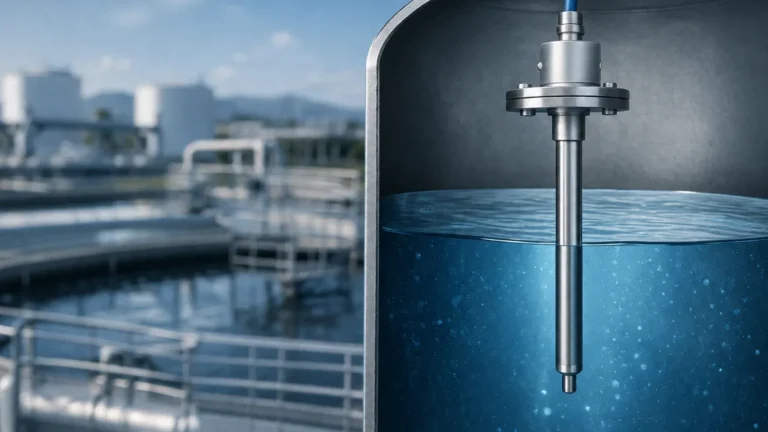
To understand why the dielectric constant aluminum is a critical factor, one must first understand the principle of Time-of-Flight (ToF) measurement. Radar level meters, such as those manufactured by Welk, emit electromagnetic pulses that travel at the speed of light. When these pulses encounter a change in the dielectric constant of the medium, a portion of the energy is reflected back to the sensor.
The strength of this reflection is governed by the reflection coefficient ($ρ$), which is calculated based on the difference between the dielectric constant of the air (approximately 1.0) and the dielectric constant of the target material. For non-conductive materials like oils or plastics, the dielectric constant is low (typically 1.8 to 5.0), resulting in a weak reflection.
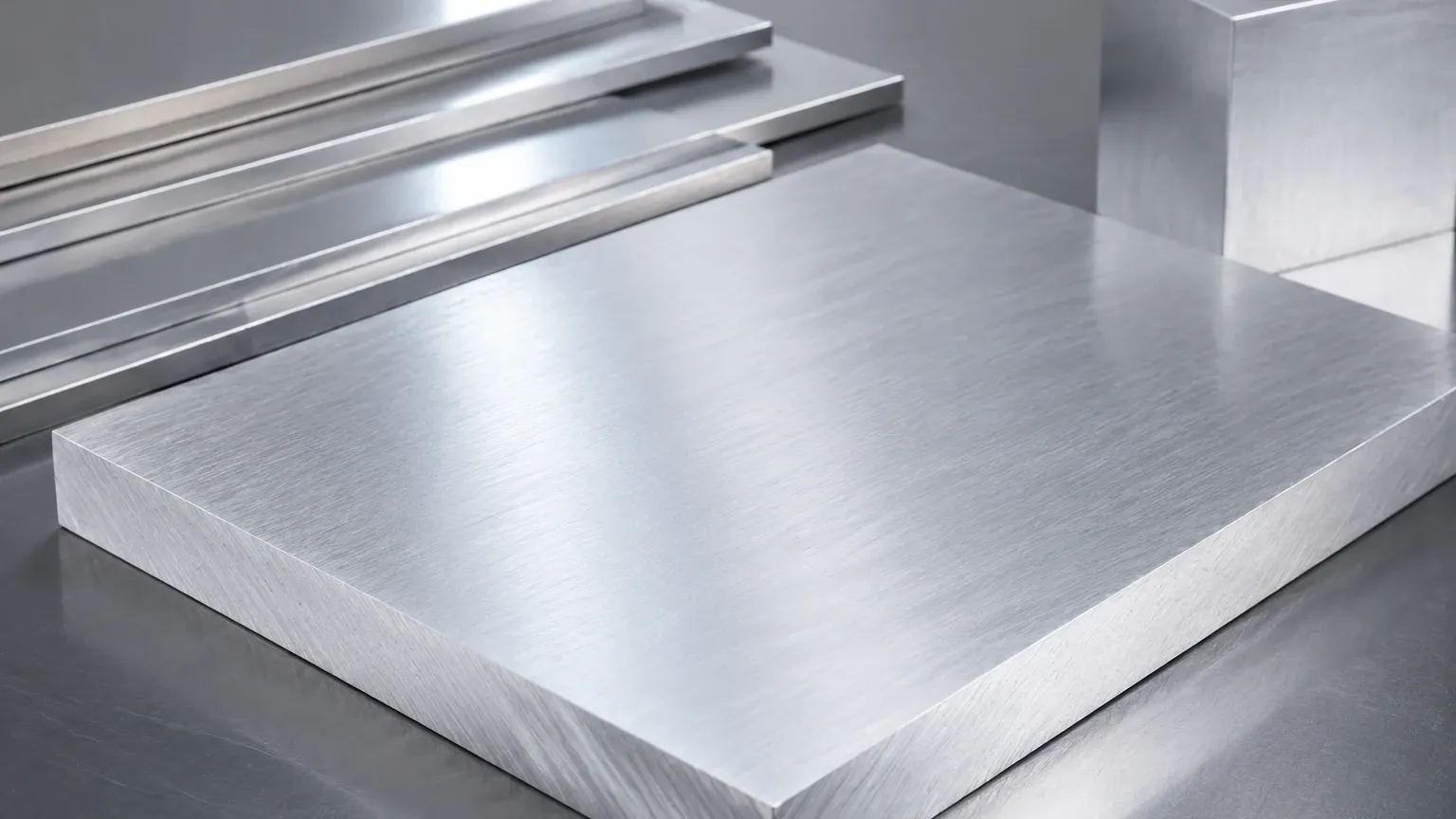
However, metals like aluminum are conductors. In electromagnetic theory, a perfect conductor has an infinite effective dielectric constant. This means that when a radar signal hits a solid aluminum plate or a molten aluminum surface, nearly 100% of the energy is reflected. While this makes aluminum an "ideal" target for signal strength, it also introduces challenges regarding multiple echoes and signal saturation that must be managed through proper calibration and sensor selection.
The Dielectric Constant of Aluminum in Different Forms
While pure, solid aluminum acts as a perfect reflector, the "dielectric constant aluminum" value varies significantly depending on the physical state of the material being measured. In industrial B2B applications, aluminum is rarely measured as a single flat sheet; it is more commonly found as alumina powder, aluminum scrap, or molten liquid.
1. Alumina (Aluminum Oxide)
Alumina ($Al_2O_3$) is the raw material used to produce aluminum. Unlike the metal itself, alumina is a ceramic insulator. Its dielectric constant typically ranges from 9.0 to 10.0 in solid form, but as a bulk powder stored in silos, the effective dielectric constant drops to between 2.0 and 4.0 due to the large volume of air trapped between the particles. This requires high-sensitivity radar sensors to ensure a reliable return signal.
2. Aluminum Scrap and Pellets
In recycling and secondary smelting, aluminum is often handled as shredded scrap or small pellets. Because these materials are metallic, the individual surfaces are highly reflective. However, the irregular geometry of the scrap causes the radar signal to scatter in multiple directions. The "effective" dielectric constant remains high, but the signal processing must account for diffuse reflection rather than specular reflection.
3. Molten Aluminum
In smelting and casting operations, measuring the level of molten aluminum is critical. Molten aluminum maintains its high conductivity, providing an excellent reflection. The challenge here is not the dielectric constant aluminum itself, but the extreme temperatures (often exceeding 700°C) and the presence of a dross layer (aluminum oxide skin) on the surface, which may have a different dielectric signature than the liquid metal beneath.
Technology Selection for Aluminum Applications
Choosing the right technology requires balancing the material's dielectric properties with the environmental conditions of the application. Welk provides a range of instruments suited for these varied needs.
| Technology | Suitability for Aluminum | Key Advantage | Limitation |
| :— | :— | :— | :— |
| 80 GHz Radar | Excellent | Narrow beam angle avoids silo walls; high sensitivity for alumina powder. | Higher initial cost than ultrasonic sensors. |
| 26 GHz Radar | Good | Robust performance in heavy dust or steam; ideal for large scrap piles. | Wider beam angle requires careful installation. |
| Guided Wave Radar (GWR) | Moderate | Direct contact measurement; unaffected by dust. | Cable wear in abrasive alumina; probe may melt in molten metal. |
| Ultrasonic Sensors | Low to Moderate | Cost-effective for simple liquid applications. | Heavily affected by temperature gradients and dust. |
| Capacitance Switches | High | Excellent for point-level detection of powders. | Requires contact with the material; sensitive to coating. |
Installation Considerations for High-Reflectivity Materials
Because the dielectric constant aluminum results in such high reflectivity, the installation process must focus on minimizing interference. High-energy reflections can bounce off the surface, hit the tank wall, and return to the sensor, creating "false echoes" that the software might mistake for the actual level.
1. Nozzle Design: For non-contact radar, the nozzle should be as short and smooth as possible. Any weld seams or burrs inside the nozzle will reflect the radar signal strongly, potentially masking the signal from the aluminum surface.
2. Beam Orientation: The radar should be mounted perpendicular to the surface of the material. In silos containing aluminum powder or scrap, the material often forms a cone. The sensor should be positioned at approximately 1/6th to 1/3rd of the diameter from the wall to get an average level reading.
3. Stands and Obstructions: Avoid mounting sensors near ladders, agitators, or structural beams. Because aluminum reflects signals so efficiently, even a small metallic bracket can create a significant interference signal.
4. Heat Shielding: In molten aluminum applications, the sensor must be protected from radiant heat. Using a cooling sleeve or a standoff pipe with a PTFE or ceramic process seal allows the radar to measure the high-dielectric metal while keeping the electronics within safe operating temperatures.
Limitations and Challenges
Despite the favorable dielectric constant aluminum, certain industrial conditions can complicate measurement:
* Dust and Vapor: In alumina silos, extreme dust can attenuate the signal. While radar penetrates dust better than ultrasonic waves, high-frequency 80 GHz units with advanced signal processing are preferred to maintain accuracy.
* Surface Turbulence: In molten aluminum holding furnaces, surface turbulence or the presence of thick dross (slag) can disperse the radar signal. Dross, being a mix of oxide and trapped metal, has a lower dielectric constant than pure molten aluminum, which can cause slight variations in the detected surface height.
* Silo Geometry: Large aluminum storage facilities often have complex internal geometries. The high reflectivity of the metal means that "multipath" reflections are common, where the signal bounces several times before returning to the sensor. Advanced software algorithms are required to filter these out.
Practical Recommendations for Engineers
When specifying a level meter for aluminum-related processes, confirm the following data points before proceeding:
* Material State: Is it solid scrap, fine alumina powder, or molten liquid?
* Dielectric Constant: If measuring a compound (like aluminum hydroxide), verify the specific $ε_r$ value, as it will be significantly lower than the metal.
* Process Temperature: Ensure the sensor flange and seal can withstand the ambient and process heat.
* Accuracy Requirements: High-frequency radar (80 GHz) offers millimeter precision, which is often required for inventory management in large silos.
For a comprehensive overview of available hardware and technical specifications, engineers should consult the Main Page of the manufacturer’s catalog to compare model capabilities against their specific process parameters.
Frequently Asked Questions (FAQs)
Q: Does the dielectric constant of aluminum change with temperature?
A: For solid and molten aluminum, the conductivity remains high enough across all industrial temperature ranges that the dielectric constant is effectively infinite for radar reflection purposes. However, the dielectric constant of aluminum *compounds* (like Alumina) may shift slightly with extreme temperature changes.
Q: Can I use Guided Wave Radar (GWR) for aluminum powder?
A: Yes, GWR is effective for alumina powder. However, because alumina is abrasive, the cable or rod probe may experience wear over time. Additionally, the pull-down force on the cable in a large silo can be significant, so the mechanical strength of the probe must be verified.
Q: Why is 80 GHz radar preferred over 26 GHz for aluminum silos?
A: The 80 GHz frequency allows for a much narrower beam angle (often as small as 3 degrees). This prevents the signal from hitting the silo walls or internal reinforcements, which is particularly important when dealing with the high-reflectivity environment created by aluminum.
Q: Is a special license required for high-frequency radar?
A: Most modern industrial radar level meters operate in the ISM (Industrial, Scientific, and Medical) bands or are LPR (Level Probing Radar) certified, meaning they do not require a special site license for use in enclosed metallic tanks or silos.
By understanding the physical implications of the dielectric constant aluminum and selecting instrumentation designed for high-reflectivity environments, process facilities can achieve reliable, maintenance-free level measurement in even the most demanding aluminum production and recycling applications.