Dissolved Oxygen Meter for Water
Dissolved Oxygen Meter for Water
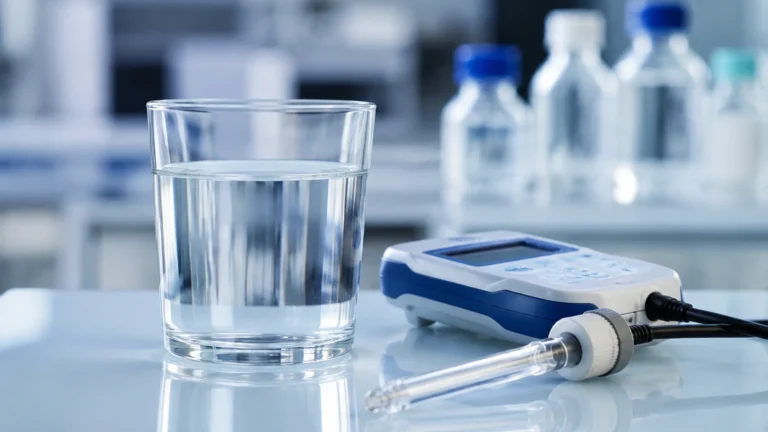
In industrial water treatment, aquaculture, and chemical processing, monitoring dissolved oxygen (DO) is a critical parameter for process control and environmental compliance. A dissolved oxygen meter for water measures the amount of gaseous oxygen ($O_2$) dissolved in a liquid medium. Unlike the oxygen molecules that make up the water structure ($H_2O$), dissolved oxygen is free oxygen that is available to microorganisms and aquatic life, or capable of causing oxidation in industrial equipment.
For engineers and plant operators, selecting the right DO measurement technology is essential to ensure long-term accuracy and minimize maintenance costs. This guide explores the underlying measurement principles, selection criteria, and practical installation requirements for industrial DO monitoring.
Measurement Principles of Dissolved Oxygen Sensors
Industrial dissolved oxygen meters typically utilize one of two primary technologies: electrochemical (amperometric) or optical (luminescent). Understanding these principles is the first step in selecting a device that aligns with specific process conditions.
1. Electrochemical Sensors
Electrochemical sensors are further divided into polarographic and galvanic types. Both rely on a semi-permeable membrane that allows oxygen molecules to pass through into an electrolyte solution, where a chemical reaction occurs.
* Polarographic Sensors: These require an external polarizing voltage to be applied to the electrodes. Oxygen diffuses through the membrane and is reduced at the cathode, creating a current proportional to the partial pressure of oxygen. These sensors often require a "warm-up" period to stabilize the voltage before measurements can be taken.
* Galvanic Sensors: These use two dissimilar metals (such as silver and zinc/lead) that create a self-polarizing potential. The reaction happens spontaneously when oxygen is present. Galvanic sensors are ready for use immediately upon power-up, but the internal electrodes are consumed over time, leading to a shorter overall lifespan compared to polarographic types.
2. Optical (Luminescent) Sensors
Optical dissolved oxygen sensors, often referred to as LDO (Luminescent Dissolved Oxygen) sensors, represent the modern standard for many industrial applications. They operate on the principle of "fluorescence quenching."
An optical sensor contains a sensing element coated with a luminescent dye. A blue LED shines on the dye, exciting the molecules, which then emit red light as they return to their ground state. If oxygen molecules are present, they "quench" this luminescence, causing the red light to fade faster. The sensor measures the phase shift or the decay time of the red light, which is inversely proportional to the oxygen concentration. Because this method does not consume oxygen or chemicals, it is highly stable and requires significantly less maintenance than membrane-based sensors.
Comparison and Selection Criteria
Choosing between optical and electrochemical technologies depends on the specific demands of the application, such as the presence of hydrogen sulfide ($H_2S$), the required cleaning frequency, and the flow rate of the water.
Technical Selection Table
| Feature | Electrochemical (Membrane) | Optical (Luminescent) |
| :— | :— | :— |
| Oxygen Consumption | Consumes oxygen during measurement | Does not consume oxygen |
| Flow Requirement | Requires constant flow (typically >0.3 m/s) | No minimum flow required |
| Maintenance | High (membrane/electrolyte replacement) | Low (annual or biennial cap replacement) |
| Response Time | Fast (30–60 seconds) | Moderate (45–90 seconds) |
| H2S Sensitivity | High (poisons the electrolyte) | None |
| Initial Cost | Lower | Higher |
| Operational Cost | Higher (labor and consumables) | Lower |
| Typical Range | 0–20 mg/L | 0–50 mg/L |
When evaluating a dissolved oxygen meter for water, engineers should prioritize optical sensors for aeration tanks where fouling is common, while electrochemical sensors may be suitable for clean water applications where high-speed response is the primary concern.
Key Factors in Sensor Specification
Beyond the measurement principle, several technical specifications must be confirmed to ensure the instrument survives the process environment.
Temperature Compensation
Oxygen solubility is highly dependent on temperature. As temperature increases, the ability of water to hold dissolved oxygen decreases. A professional DO meter must include an integrated temperature sensor (such as a $Pt100$ or $Pt1000$ RTD) to provide automatic temperature compensation ($ATC$). This ensures that the reading reflects the actual concentration regardless of thermal fluctuations in the process.
Pressure and Salinity
In deep tanks or pressurized pipelines, the partial pressure of oxygen increases, which can artificially inflate DO readings if not compensated. Similarly, salinity (salt content) reduces oxygen solubility. Advanced transmitters allow for the manual input or live feed of pressure and salinity data to correct the final output, usually expressed in mg/L or parts per million (ppm).
Materials of Construction
For industrial automation, the sensor body is typically constructed from 316L stainless steel or corrosion-resistant plastics like PVC or PEEK. The choice depends on the chemical composition of the water. In wastewater treatment, ruggedized housings are necessary to withstand the abrasive nature of suspended solids.
Installation Considerations
Proper installation is as important as the technology itself. Poor placement can lead to unrepresentative readings or premature sensor failure.
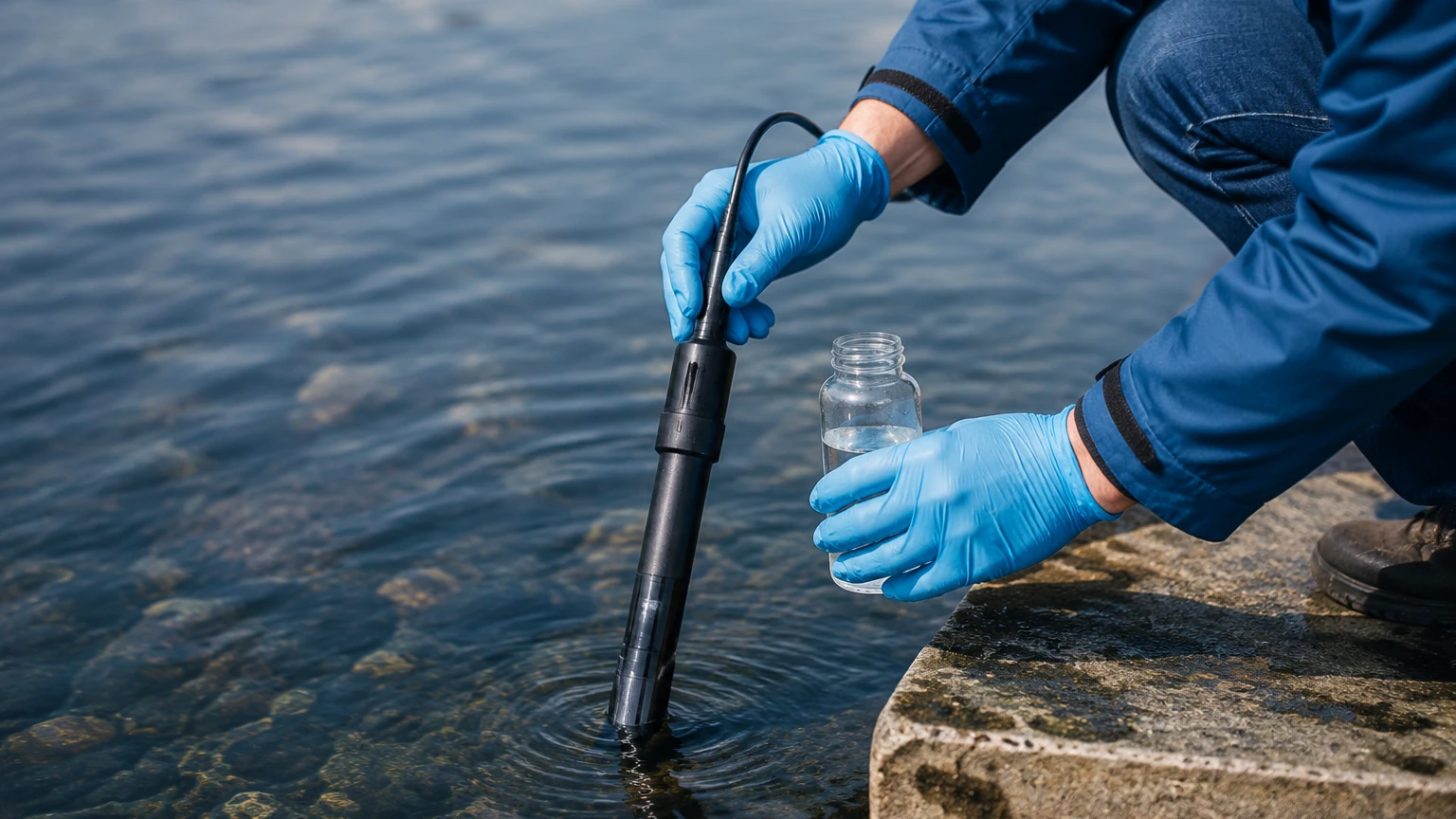
1. Immersion Depth: The sensor should be submerged deep enough to avoid surface turbulence, which can introduce atmospheric oxygen and cause localized spikes in readings. A depth of 0.5 to 1.0 meter (approx. 1.6 to 3.3 feet) is standard for open tanks.
2. Flow Velocity: If using a membrane-based sensor, the water must be moving. In stagnant tanks, a stirrer attachment or a bypass loop with a pump is required to prevent oxygen depletion at the sensor tip.
3. Mounting Angle: Sensors should ideally be mounted at an angle (usually 15° to 45° from the vertical) to prevent air bubbles from becoming trapped on the sensing surface. Trapped bubbles will cause the meter to read 100% saturation regardless of the actual water oxygen levels.
4. Accessibility: Maintenance is inevitable. Ensure the sensor is mounted on a swing arm or a retractable assembly that allows the operator to pull the sensor out for cleaning and calibration without shutting down the entire process.
Common Risks and Limitations
While modern DO meters are robust, certain conditions can compromise their performance:
* Biofouling: In biological wastewater treatment, biofilm can grow on the sensor tip. This film consumes oxygen, leading to a "false low" reading. Regular cleaning—either manual or via automated compressed air/water spray systems—is mandatory.
* Chemical Interference: Certain chemicals, particularly strong oxidants or reducing agents, can interfere with electrochemical reactions. Optical sensors are generally immune to these, but they can be affected by high concentrations of specific solvents that might degrade the luminescent coating.
* Pressure Shocks: Sudden changes in pressure (water hammer) can rupture the delicate membranes of electrochemical sensors. In pipeline installations, optical sensors are preferred for their solid-state construction.
Calibration Procedures
Calibration ensures the accuracy of the dissolved oxygen meter for water over time. There are two common methods used in industrial settings:
* Air Calibration (Water-Saturated Air): This is the most common and practical method. The sensor is held in the air just above the water surface. Since the concentration of oxygen in the atmosphere is constant (approximately 20.9%), the meter can be calibrated to this known value. It is essential that the sensor tip is moist but not dripping with water during this process.
* Winkler Titration: This is a laboratory-based chemical method used to verify the accuracy of the electronic meter. A water sample is taken, and its DO is determined via titration. The meter is then adjusted to match this "gold standard" value. While highly accurate, it is labor-intensive and not suitable for frequent field use.
Frequently Asked Questions (FAQ)
Q: How often should I calibrate my DO sensor?
A: For optical sensors, calibration check every 3 to 6 months is often sufficient. Membrane sensors may require weekly or monthly calibration depending on the stability of the electrolyte and the rate of membrane fouling.
Q: What is the difference between % Saturation and mg/L?
A: % Saturation measures the amount of oxygen in the water relative to the maximum amount the water can hold at that specific temperature and pressure. mg/L (or ppm) measures the actual mass of oxygen per volume. Most industrial processes use mg/L for precise control, while % Saturation is often used for environmental health assessments.
Q: Can I use a DO meter in saltwater?
A: Yes, but you must account for salinity. Salt reduces the solubility of oxygen. If your meter does not have an automatic salinity compensation feature, you will need to manually calculate the correction factor based on the known conductivity or chlorinity of the water.
Q: Why is my reading stuck at the maximum value?
A: This is usually caused by an air bubble trapped on the sensor membrane or optical cap. It can also indicate a failed membrane or a depleted electrolyte in electrochemical sensors. Check the physical condition of the sensor head first.
Conclusion
Effective dissolved oxygen monitoring is a cornerstone of efficient industrial water management. By understanding the trade-offs between optical and electrochemical technologies, and by adhering to strict installation and calibration protocols, facilities can achieve reliable data and optimized process performance. For those seeking to integrate these sensors into broader automation systems, reviewing the Main Page for compatible transmitters and integrated level measurement solutions is a recommended next step in system design.
Welk provides a comprehensive range of industrial measurement instruments designed to withstand the rigors of chemical, water treatment, and oil and gas applications. When selecting a dissolved oxygen meter for water, always confirm the specific chemical compatibility and pressure requirements of your process to ensure long-term operational success.