Electrical Pressure Is Measured in
Electrical Pressure Is Measured in
In the realm of industrial automation and process control, understanding the fundamental units of physics is essential for the correct selection and installation of instrumentation. One of the most common questions encountered by junior engineers and technicians is how various physical forces are quantified. When discussing the force that drives an electric current through a circuit, we often use the term "electrical pressure." In technical and scientific terms, electrical pressure is measured in volts (V).
This measurement, known as voltage or potential difference, is the cornerstone of electrical engineering. For a manufacturer like Welk, which specializes in level measurement instruments such as radar level meters and ultrasonic sensors, voltage is the primary force that powers the sophisticated electronics required to monitor industrial processes. Understanding how electrical pressure functions is not merely a theoretical exercise; it is a practical necessity for ensuring that instruments operate accurately and safely within a facility's power infrastructure.
The Principle of Electrical Pressure
To understand why electrical pressure is measured in volts, it is helpful to use the hydraulic analogy, which is particularly relevant in the field of level measurement. In a water system, pressure is the force that pushes water through pipes. This pressure can be generated by a pump or by the weight of water in a tank (hydrostatic pressure).
In an electrical system, voltage acts as the pump. It is the electromotive force (EMF) that pushes electric charges (electrons) through a conductor. The higher the voltage, the greater the "pressure" available to overcome resistance and move current.
Defining the Volt
By international standard (SI units), one volt is defined as the difference in electric potential between two points of a conducting wire when an electric current of one ampere dissipates one watt of power between those points. Alternatively, it can be expressed as one joule of energy per coulomb of charge ($V = J/C$).
In industrial level measurement, this "pressure" is what allows a Main Page transmitter to send a signal across hundreds of meters of cabling from a storage tank to a central control room. Without sufficient electrical pressure, the signal would degrade, leading to inaccurate readings or total system failure.
Measurement Principles in Industrial Instrumentation
In the context of level meters, electrical pressure is measured and managed in two primary ways: as a power source and as a signal carrier.
1. Power Supply Voltage
Most industrial level sensors require a specific range of voltage to operate. If the electrical pressure is too low, the internal components—such as the microwave oscillator in a radar level meter or the piezoelectric crystal in an ultrasonic sensor—will not function. Common industrial voltages include:
* 24V DC: The industry standard for loop-powered instruments.
* 220V AC / 110V AC: Often used for four-wire systems where high power is required for heating elements or high-intensity displays.
2. Signal Voltage
While many modern systems use a 4-20mA current loop (because current is less susceptible to voltage drops over long distances), some systems still utilize voltage-based signals, such as 0-5V or 0-10V. In these cases, the level of the liquid in a tank is converted into a proportional electrical pressure that the PLC (Programmable Logic Controller) interprets as a depth or volume measurement.
Practical Selection Table for Level Meter Power Requirements
When selecting a level measurement solution, matching the instrument’s electrical requirements to your site’s infrastructure is critical. The following table outlines typical electrical pressure requirements for various Welk instruments.
| Instrument Type | Typical Operating Voltage | Current Consumption | Common Application |
| :— | :— | :— | :— |
| Radar Level Meter | 24V DC (18-36V range) | < 22mA (Loop powered) | Chemical tanks, oil storage |
| Ultrasonic Level Sensor | 24V DC or 220V AC | 100mA – 200mA | Water treatment, open channels |
| Hydrostatic Transmitter | 12V to 36V DC | 4-20mA | Deep wells, pressurized vessels |
| Magnetic Level Gauge | 24V DC (Transmitter) | 20mA | High-temperature boilers |
| Level Switch (Float) | Up to 250V AC/DC | N/A (Contact rating) | Pump control, overflow alarm |
Voltage Drop and Installation Considerations
Because electrical pressure is measured in volts, engineers must account for "voltage drop" during installation. This is the decrease in electrical potential as current flows through the resistance of the cabling.
Calculating Voltage Drop
In long-distance installations—common in large-scale water treatment plants or tank farms—the resistance of the copper wire can significantly reduce the voltage reaching the sensor. The formula for voltage drop is:
$$V_{drop} = I \times R$$
Where:
* I is the current in amperes.
* R is the resistance of the wire in ohms.
If a hydrostatic level transmitter requires a minimum of 12V to operate and is powered by a 24V supply, the total voltage drop across the cabling must not exceed 12V. If the cable is several kilometers long, the resistance may become high enough that the "electrical pressure" at the sensor falls below the operational threshold.
Shielding and Grounding
To maintain an accurate measurement of electrical pressure, industrial cables must be shielded. Electromagnetic interference (EMI) from nearby motors or power lines can induce unwanted voltage onto the signal wires, leading to "noise." Proper grounding ensures that this interference is directed to the earth, protecting the integrity of the measurement.
Limitations and Common Risks
While voltage is a fundamental tool, it carries inherent risks and limitations in industrial environments.
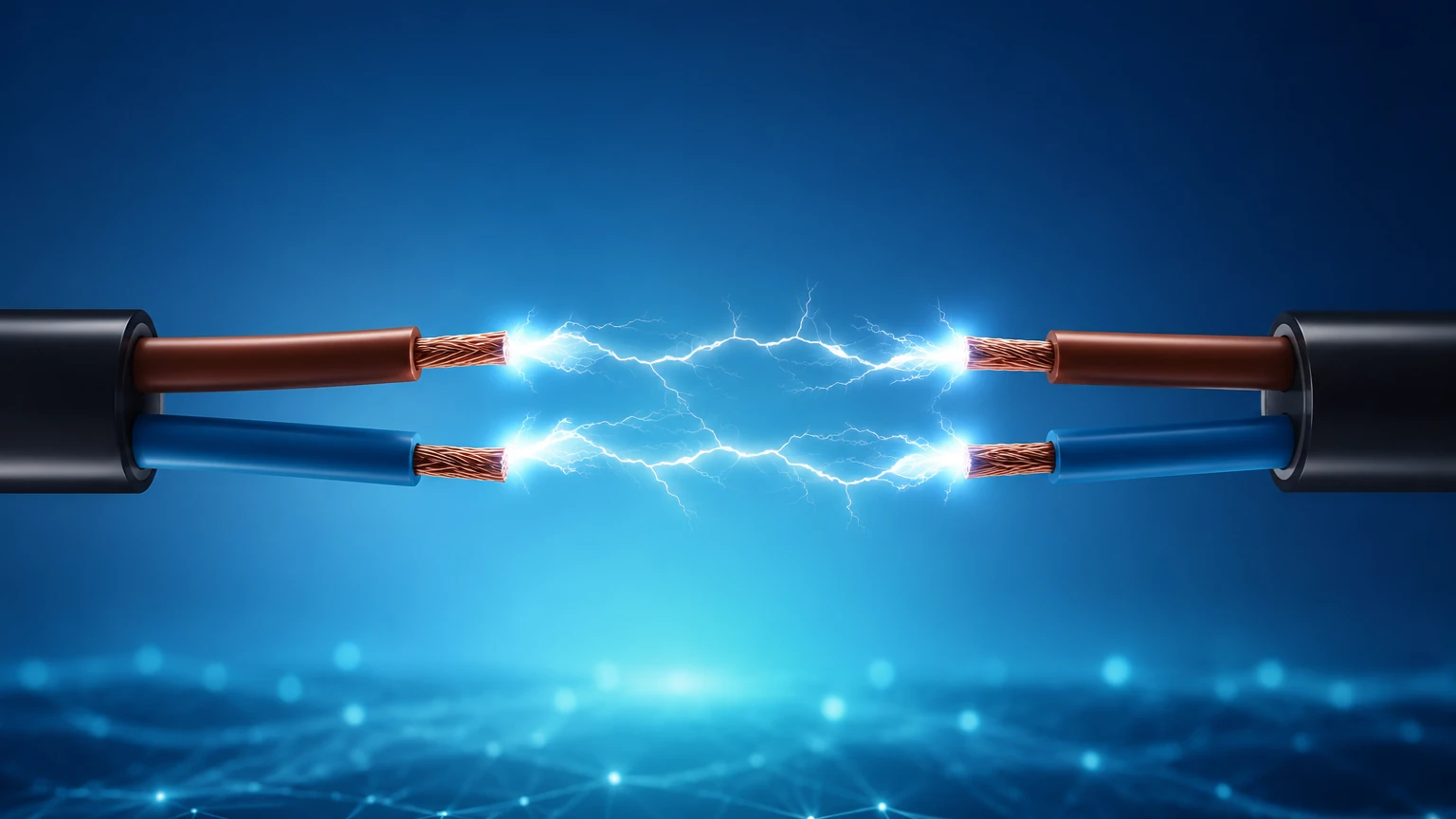
1. Overvoltage Surges: Lightning strikes or power grid fluctuations can cause a sudden spike in electrical pressure. Without surge protection, this can destroy the sensitive circuit boards inside radar or ultrasonic level meters.
2. Intrinsic Safety: In hazardous environments (such as oil refineries), high electrical pressure can create sparks. In these areas, "Intrinsically Safe" (IS) barriers are used to limit the voltage and current to levels that cannot ignite explosive atmospheres.
3. Measurement Error: In voltage-signal systems (0-10V), any resistance in the wire directly changes the measured voltage at the PLC, leading to an inaccurate level reading. This is why Welk generally recommends 4-20mA current loops for long-distance transmission, as current remains constant throughout the loop regardless of wire resistance.
Frequently Asked Questions (FAQs)
Is electrical pressure the same as electrical current?
No. Electrical pressure is measured in volts and represents the potential energy. Electrical current is measured in amperes (amps) and represents the actual flow of electrons. Think of voltage as the pressure in a water pipe and current as the flow rate of the water.
Why is 24V DC the standard for level meters?
24V DC is considered a "safe" low voltage that reduces the risk of electric shock to personnel while providing enough electrical pressure to power sensors and drive signals through several hundred meters of wire. It is also easily backed up with battery systems.
Can I use a 12V power supply for a 24V radar level meter?
Generally, no. Most industrial radar level meters require a minimum of 18V to 24V to power the microwave electronics. If the electrical pressure is insufficient, the device may power on but fail to provide a stable measurement or communicate with the control system.
How do I measure voltage in a 4-20mA loop?
To check if a level transmitter is receiving enough electrical pressure, you can use a digital multimeter set to DC Volts. Measure across the positive and negative terminals at the instrument. For a standard 24V system, you should typically see between 18V and 24V depending on the load and cable length.
Conclusion
Understanding that electrical pressure is measured in volts is the first step in mastering industrial instrumentation. Whether you are installing a hydrostatic transmitter in a deep well or a high-frequency radar meter in a chemical reactor, the management of voltage is critical to system reliability. By ensuring correct power supply levels, accounting for voltage drops, and protecting against surges, you can maximize the lifespan and accuracy of your measurement assets.
For engineers seeking reliable, accurate, and cost-effective level measurement solutions, it is vital to pair high-quality instrumentation with sound electrical practices. To explore our full range of radar, ultrasonic, and hydrostatic sensors designed for diverse industrial environments, please visit our Main Page for detailed technical specifications and application support.