Electrification and Decarbonization
Electrification and Decarbonization
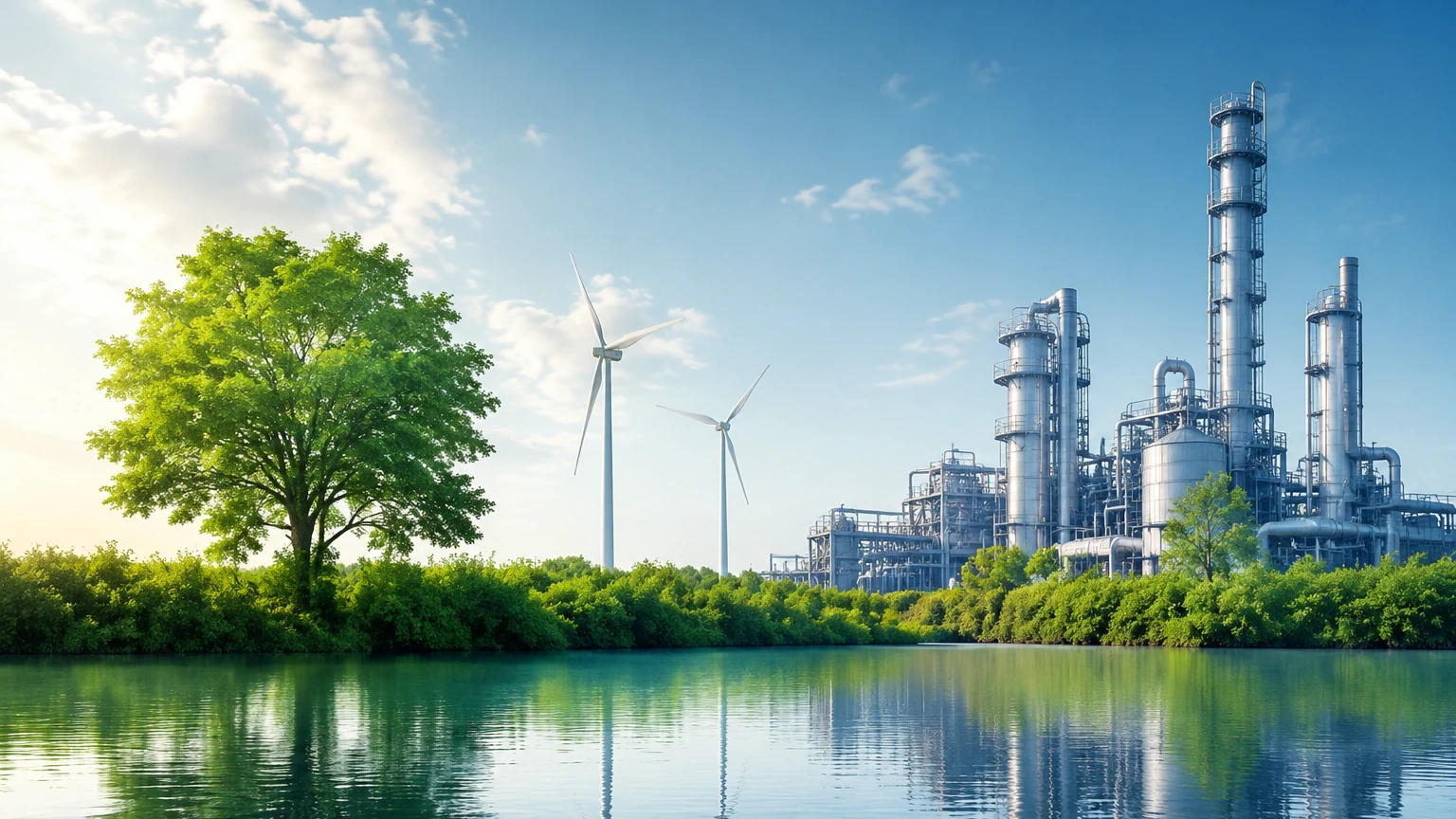
In the current industrial landscape, the twin objectives of electrification and decarbonization have transitioned from corporate social responsibility goals to core operational mandates. For process industries—ranging from water treatment and chemical manufacturing to oil and gas—achieving these goals requires a fundamental shift in how assets are monitored and controlled. Precise level measurement stands at the center of this transition, acting as the primary data source for optimizing resource utilization, reducing energy waste, and ensuring the safety of electrified processes.
The Industrial Shift: Defining the Context
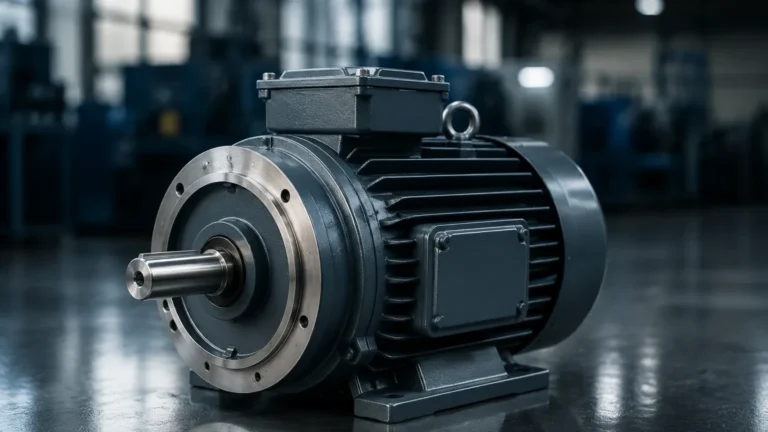
Electrification refers to the process of replacing technologies that use fossil fuels (such as coal, oil, and natural gas) with technologies that use electricity as their primary energy source. In industrial plants, this often involves replacing pneumatic actuators with electric ones and moving from steam-driven processes to electric heating and pumping.
Decarbonization, while closely linked, is the broader effort to reduce or eliminate carbon dioxide (CO2) and other greenhouse gas emissions from industrial operations. This is achieved through improved energy efficiency, the reduction of chemical waste, and the prevention of fugitive emissions. Level measurement instruments are critical tools in this effort, providing the granular data necessary to minimize the environmental footprint of complex industrial systems.
Core Measurement Principles and Their Role in Sustainability
Before selecting an instrument for an electrified or decarbonized facility, it is essential to understand the physical principles governing level measurement. Welk provides several core technologies, each suited to specific environmental and process conditions.
1. Radar Level Measurement (FMCW and Pulse)
Radar level meters utilize electromagnetic waves to determine the distance to a liquid or solid surface. Frequency Modulated Continuous Wave (FMCW) radar, particularly at high frequencies like 80GHz, offers exceptional accuracy (up to ±1 mm).
* Principle: The sensor emits a continuous signal with a constantly changing frequency. The difference between the emitted and received frequency is proportional to the distance.
* Sustainability Impact: Because radar is non-contact and highly accurate, it prevents overfills and optimizes tank capacity. This reduces the energy required for redundant pumping and minimizes the risk of chemical spills that would require energy-intensive remediation.
2. Ultrasonic Level Sensors
Ultrasonic sensors use sound waves to measure level, making them an ideal choice for water treatment and open-channel flow applications.
* Principle: The sensor transmits a pulse of sound that reflects off the surface of the medium. The time-of-flight (ToF) is measured to calculate distance.
* Sustainability Impact: Ultrasonic sensors are often lower-power devices, facilitating the electrification of remote sites where solar power or battery storage is used. They are essential for monitoring water scarcity and optimizing wastewater treatment cycles.
3. Hydrostatic Level Transmitters
Hydrostatic measurement relies on the pressure exerted by a liquid column to determine the level.
* Principle: Based on the formula $P = \rho gh$ (where $P$ is pressure, $\rho$ is density, $g$ is gravity, and $h$ is height), the sensor measures the static pressure at the bottom of a vessel.
* Sustainability Impact: These sensors are highly reliable for deep-well monitoring and vented tanks. By providing stable data on groundwater levels, they support sustainable water management practices, a key component of broad decarbonization strategies.
4. Magnetic Level Gauges and Switches
Magnetic gauges provide both visual indication and electronic feedback through the use of a float containing a permanent magnet.
* Principle: As the liquid level changes, the float moves, flipping magnetic flaps for visual display and triggering reed switches or transmitters for remote monitoring.
* Sustainability Impact: Magnetic gauges are "leak-proof" by design because the measurement chamber is completely sealed from the indicator. This eliminates fugitive emissions of volatile organic compounds (VOCs), directly supporting decarbonization in the chemical and oil sectors.
The Relationship Between Level Measurement and Decarbonization
Decarbonization is often a game of margins. In large-scale chemical processing, a 1% improvement in accuracy can lead to a significant reduction in the energy required for heating or cooling reagents. Precise level measurement contributes to decarbonization in three primary ways:
1. Energy Optimization: Many industrial processes involve moving liquids between vessels. If level data is inaccurate, pumps may run longer than necessary or operate at sub-optimal points on their efficiency curves. Electrified pumping systems integrated with high-precision radar sensors ensure that energy is consumed only when necessary.
2. Waste Reduction: Inaccurate level readings often lead to "buffer" stocks—keeping more material in a tank than needed to avoid running dry. This excess material requires more energy to maintain (heating/agitation). Reducing these buffers through accurate measurement lowers the overall energy intensity of the plant.
3. Emission Prevention: In the oil and gas industry, electrification and decarbonization involve replacing gas-driven pneumatic controllers with electric transmitters. This eliminates the "venting" of methane, a potent greenhouse gas, into the atmosphere.
Electrification of the Process Loop
The transition to an electrified process loop involves moving away from mechanical or pneumatic systems toward fully digital, networked instrumentation. Modern level meters from Welk are designed to integrate into these smart grids.
Features such as 4-20mA HART, Modbus RTU, and Profibus allow level meters to communicate directly with Energy Management Systems (EMS). This connectivity allows a facility to adjust its processing speed based on the availability of renewable energy (e.g., ramping up production when solar or wind output is high), a strategy known as demand-side management.
Selection Guide for Level Measurement Technologies
Choosing the right instrument is critical for meeting electrification and decarbonization targets. The following table provides a comparison based on typical industrial requirements.
| Technology | Typical Range | Accuracy | Best Application | Sustainability Benefit |
| :— | :— | :— | :— | :— |
| 80GHz Radar | Up to 120m | ±1mm | Chemical reactors, tall silos | Highest precision; minimizes raw material waste. |
| Ultrasonic | 0.3m – 20m | ±0.25% | Water tanks, basins | Low power consumption; ideal for remote solar sites. |
| Hydrostatic | 1m – 200m | ±0.2% | Deep wells, fuel tanks | Simple electrification of legacy mechanical systems. |
| Magnetic Gauge | 0.3m – 6m | ±5mm | Toxic/Corrosive liquids | Zero-leakage design; prevents fugitive emissions. |
| Level Switch | Point level | N/A | Overfill protection | Critical safety layer to prevent environmental disasters. |
For more detailed technical specifications and support in selecting the right instrument for your specific project, you can visit the Main Page to review product options and application support.
Installation Considerations for Sustainable Operations
To ensure that level measurement instruments contribute effectively to electrification and decarbonization, installation must be performed with precision.
* Nozzle Design: For radar and ultrasonic sensors, the mounting nozzle should be as short and wide as possible to prevent signal interference. Interference requires higher signal processing power, which, while minor, adds up across thousands of instruments in a large facility.
* Stilling Wells: In turbulent tanks (e.g., those with agitators), using a stilling well can stabilize the liquid surface. This allows the sensor to provide a steady reading without excessive digital filtering, leading to more responsive control loops and better energy management.
* Power Supply Stability: As plants electrify, the load on the internal grid increases. Level transmitters should be installed with appropriate surge protection and stable power supplies to prevent data gaps that could lead to process inefficiencies.
Limitations and Environmental Factors
While modern instrumentation is robust, certain environmental factors can limit the effectiveness of electrification and decarbonization efforts if not addressed:
* Vapor and Foam: Heavy steam or foam can attenuate ultrasonic and some radar signals. In these cases, guided wave radar or magnetic level gauges are often preferred to ensure data integrity.
* Temperature Extremes: High-temperature processes require specialized cooling jackets or standoff mounting for electronics. Efficient thermal management of the instruments themselves is a small but necessary part of the plant's overall heat balance.
* Signal Interference: In highly electrified environments, electromagnetic interference (EMI) from large motors or variable frequency drives (VFDs) can affect sensor signals. Using shielded cabling and proper grounding is essential for maintaining the accuracy required for decarbonization goals.
Frequently Asked Questions (FAQ)
Q: How does upgrading from a manual gauge to an electric transmitter aid decarbonization?
A: Manual gauges require physical inspection, often involving travel or manual venting of tanks. Electric transmitters provide real-time data to a central system, allowing for automated optimization of the entire process, which reduces energy consumption and chemical waste.
Q: Are radar level meters energy-efficient?
A: Yes. Most modern radar meters operate on a 2-wire loop-powered system, consuming very little electricity (typically less than 0.5 Watts). Their primary contribution to energy efficiency is through the optimization of the process they monitor.
Q: Can level measurement help in monitoring carbon capture and storage (CCS)?
A: Absolutely. Level measurement is vital in CCS for monitoring the level of captured CO2 in high-pressure storage tanks and during the sequestration process in deep geological formations.
Conclusion
The journey toward electrification and decarbonization is a technical challenge that requires precision at every level of the process loop. By implementing advanced level measurement solutions, engineers can gain the visibility needed to eliminate waste, optimize energy use, and transition away from carbon-intensive legacy systems. Whether through high-frequency radar or robust hydrostatic transmitters, the data provided by these instruments is the foundation upon which a sustainable industrial future is built.