Electrification of Industry
Electrification of Industry
The global industrial landscape is undergoing a fundamental transformation characterized by the transition from fossil-fuel-based mechanical processes to advanced electrical systems. This process, known as the electrification of industry, is driven by the dual goals of enhancing operational efficiency and achieving sustainability targets. In this context, the role of precise instrumentation becomes paramount. As factories replace steam-driven or pneumatic systems with electric motors, heaters, and automated controllers, the demand for high-accuracy sensing technology—particularly in level measurement—has reached unprecedented levels.
For process engineers and plant managers, the electrification of industry represents more than just a change in power source; it is a shift toward data-driven automation. Level measurement instruments serve as the primary sensory inputs for these electrified systems, ensuring that chemical reactors, water treatment tanks, and oil storage facilities operate within safe and optimal parameters. This article explores the technical foundations of level measurement within the framework of industrial electrification and provides a guide for selecting the right technologies for modern applications.
The Impact of Electrification on Industrial Process Control
Historically, many industrial processes relied on pneumatic signals (3-15 psi) or manual mechanical gauges to monitor fluid levels. However, the electrification of industry has rendered these legacy systems largely obsolete. Modern electrified plants utilize Distributed Control Systems (DCS) and Programmable Logic Controllers (PLC) that require high-speed, digital, or electronic analog signals to function.
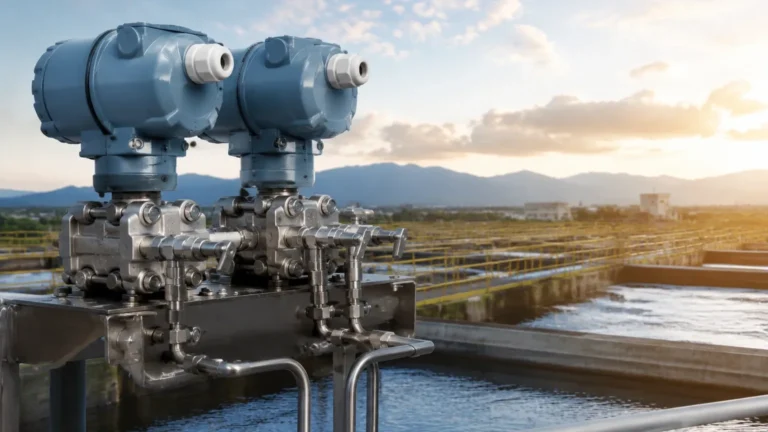
The integration of level sensors into an electrified infrastructure allows for real-time monitoring and rapid response to process fluctuations. For instance, in an electrified water treatment plant, ultrasonic or radar level meters can communicate directly with variable frequency drives (VFDs) on electric pumps, adjusting flow rates instantaneously to maintain tank levels. This level of synchronization is essential for reducing energy waste and preventing equipment wear, both of which are core objectives of modern industrial electrification.
Understanding Level Measurement Principles
Before selecting an instrument, it is critical to understand the physics behind the measurement. In the context of the electrification of industry, sensors must be able to convert physical properties into reliable electrical signals. Welk, a professional manufacturer of industrial level measurement instruments, focuses on several core technologies designed for these environments.
Radar Level Measurement
Radar level meters operate on the Time-of-Flight (ToF) principle. The device emits high-frequency microwave pulses (typically in the GHz range) toward the surface of the medium. These waves reflect off the surface and return to the sensor. The distance is calculated using the formula:
Distance = (Speed of Light × Travel Time) / 2
Because radar waves do not require a medium for propagation, they are unaffected by vacuum, pressure, or temperature fluctuations, making them ideal for complex chemical processes.
Ultrasonic Level Measurement
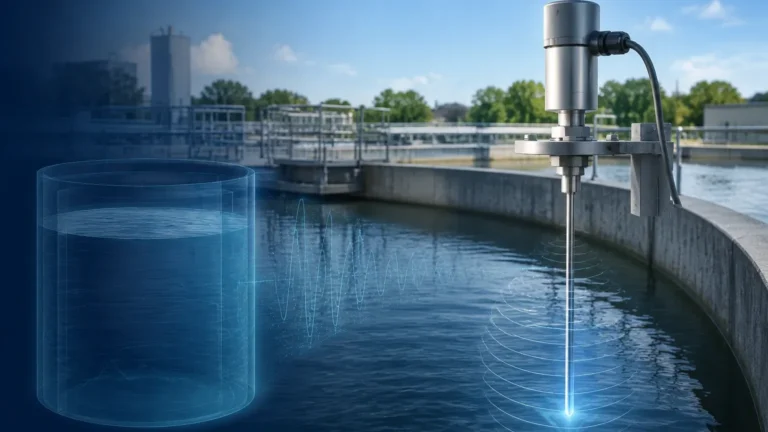
Similar to radar, ultrasonic sensors use the ToF principle but utilize sound waves instead of electromagnetic waves. A piezoelectric crystal within the sensor converts electrical energy into mechanical sound pulses. The time taken for the echo to return is measured. While cost-effective, ultrasonic sensors are sensitive to air temperature changes and heavy foam, which can attenuate the sound signal.
Hydrostatic Level Measurement
This principle is based on the relationship between the height of a liquid and the pressure it exerts at the base of a container. The formula used is:
P = ρ × g × h
Where *P* is pressure, *ρ* (rho) is the liquid density, *g* is gravity, and *h* is the height. A hydrostatic transmitter measures this pressure and converts it into a 4-20mA signal. This method is highly reliable for vented tanks where density remains constant.
Magnetic Level Gauges
Magnetic gauges use a float containing a permanent magnet that rises and falls with the liquid level. This float interacts with an external indicator or a reed switch transmitter. In electrified systems, these are often paired with magnetostrictive transmitters to provide a continuous electronic output alongside a visual reference.
Selection Criteria for Level Instrumentation in Modern Factories
When evaluating instruments within the scope of the electrification of industry, several technical factors must be prioritized to ensure compatibility with electrified control architectures.
1. Signal Output and Communication: For a plant to be truly electrified, sensors must support standard protocols. While 4-20mA analog signals remain common, digital protocols like HART, Modbus, or Profibus are increasingly preferred for their ability to transmit diagnostic data alongside the primary level measurement.
2. Power Supply Requirements: Most industrial level sensors operate on 24V DC power, which aligns with standard industrial power supplies. Low power consumption is a key consideration for remote installations powered by localized battery or solar systems.
3. Accuracy and Repeatability: In automated electrified processes, even minor inaccuracies can lead to significant cumulative errors. Radar meters typically offer the highest accuracy (up to ±2mm), whereas hydrostatic sensors are valued for their long-term stability.
4. Environmental Resilience: Electrified environments often involve high-power electrical equipment that can generate electromagnetic interference (EMI). Sensors must have robust shielding and compliance with EMC (Electromagnetic Compatibility) standards to prevent signal noise.
For a comprehensive look at available technologies, engineers can Review product options and application support to match specific process requirements with the appropriate hardware.
Practical Selection Table for Level Measurement Technologies
| Technology | Accuracy | Measuring Range | Media Type | Temp. Range | Main Advantage |
| :— | :— | :— | :— | :— | :— |
| Radar (80GHz) | ±2 mm | Up to 120 m | Liquids/Solids | -40 to +250°C | Non-contact, high precision |
| Ultrasonic | ±0.25% FS | Up to 30 m | Liquids | -40 to +80°C | Cost-effective for water |
| Hydrostatic | ±0.1% to 0.5% | Up to 200 m | Liquids | -20 to +100°C | Simple installation in deep wells |
| Magnetic Gauge | ±5 mm | Up to 6 m | Liquids | -40 to +450°C | Visual + Electronic redundancy |
| Level Switch | N/A | Point level | Liquids/Solids | -50 to +150°C | Overfill protection |

Installation and Integration Considerations
Successful implementation of level sensors in an electrified facility requires careful attention to installation geometry and electrical integration.
* Dead Zones (Blocking Distance): Both ultrasonic and radar sensors have a "dead zone" directly beneath the sensor where measurements cannot be taken. This must be accounted for when mounting the sensor relative to the maximum fill level.
* Mounting Position: Sensors should be mounted away from inlet pipes to avoid turbulence and false reflections. For radar and ultrasonic units, the beam path must be clear of internal obstructions like ladders or agitators.
* Grounding and Shielding: To mitigate the risks associated with the electrification of industry—specifically electrical noise from high-voltage motors—signal cables should be shielded and grounded at a single point (usually the control cabinet) to prevent ground loops.
* Calibration: While many modern sensors come pre-calibrated, field calibration using the actual medium is recommended to account for specific gravity (for hydrostatic) or dielectric constants (for radar).
Limitations and Risks in Industrial Electrification
While the electrification of industry offers numerous benefits, it also introduces specific challenges that must be managed:
* Dependence on Power Quality: Electronic sensors are sensitive to voltage spikes and brownouts. Implementing surge protection and Uninterruptible Power Supplies (UPS) is necessary for critical level monitoring.
* Data Overload: The transition to digital sensors provides a wealth of data. Without a proper data management strategy, operators can be overwhelmed by alarms and diagnostic messages.
* Cybersecurity: As level sensors become part of an interconnected Industrial Internet of Things (IIoT), they become potential entry points for cyber threats. Ensuring that gateways and network protocols are secure is a vital component of the electrification process.
Frequently Asked Questions (FAQs)
Q: How does the dielectric constant affect radar level measurement?
A: Radar relies on the reflection of electromagnetic waves. Materials with a high dielectric constant (like water) reflect waves strongly, while materials with a low dielectric constant (like oils or plastic pellets) reflect less energy. High-frequency radar (80GHz) is better at measuring low-dielectric materials than older low-frequency models.
Q: Can ultrasonic sensors be used in vacuum tanks?
A: No. Ultrasonic waves require a medium (air or gas) to travel. In a vacuum, there is no medium to carry the sound, so the sensor will not function. Radar is the preferred choice for vacuum applications.
Q: What is the difference between a level transmitter and a level switch?
A: A level transmitter provides continuous measurement of the level (e.g., 0-100%), whereas a level switch provides a discrete signal (on/off) when the liquid reaches a specific point. Switches are typically used for high-level alarms or dry-run protection for pumps.
Q: Why is hydrostatic measurement preferred in deep wells?
A: Hydrostatic transmitters are submersible. They can be lowered to the bottom of a deep well or borehole, measuring the column of liquid above them. This is often more practical and cost-effective than mounting a long-range radar at the top of a narrow shaft.
Q: How does electrification improve safety in chemical plants?
A: Electrification allows for the removal of manual sampling and visual inspections in hazardous areas. By using remote electronic level sensors, operators can monitor toxic or flammable substances from a safe distance in a control room, with automated safety interlocks that trigger faster than human intervention.
In summary, the electrification of industry is a comprehensive movement that demands a sophisticated approach to instrumentation. By understanding the principles of radar, ultrasonic, and hydrostatic measurement, and by selecting instruments that align with digital control standards, industrial operators can ensure their facilities are efficient, safe, and ready for the future of automated manufacturing. For further technical specifications and to explore high-performance measurement solutions, visit the Main Page of Welk's industrial catalog.