Elko Mining Show
Elko Mining Show
The Elko Mining Show, officially known as the Elko Mining Expo, is one of the oldest and most respected mining exhibitions in the United States. Held annually in Elko, Nevada—the heart of the state's gold mining country—this event serves as a critical junction for professional engineers, site managers, and procurement specialists. For those involved in industrial automation and process control, the expo provides a unique opportunity to evaluate the robust instrumentation required to maintain efficiency and safety in the harsh environments of open-pit and underground mining.
In the mining sector, precision in level measurement is not merely a matter of inventory management; it is a fundamental requirement for operational safety, environmental compliance, and reagent optimization. Whether managing tailings dams, monitoring chemical reagents in leaching circuits, or tracking ore levels in primary crushers, the choice of level measurement technology can significantly impact the bottom line. This guide examines the technological landscape often showcased at the Elko Mining Show and provides an engineering framework for selecting and installing level measurement instruments.
The Role of Level Measurement in Mining Operations
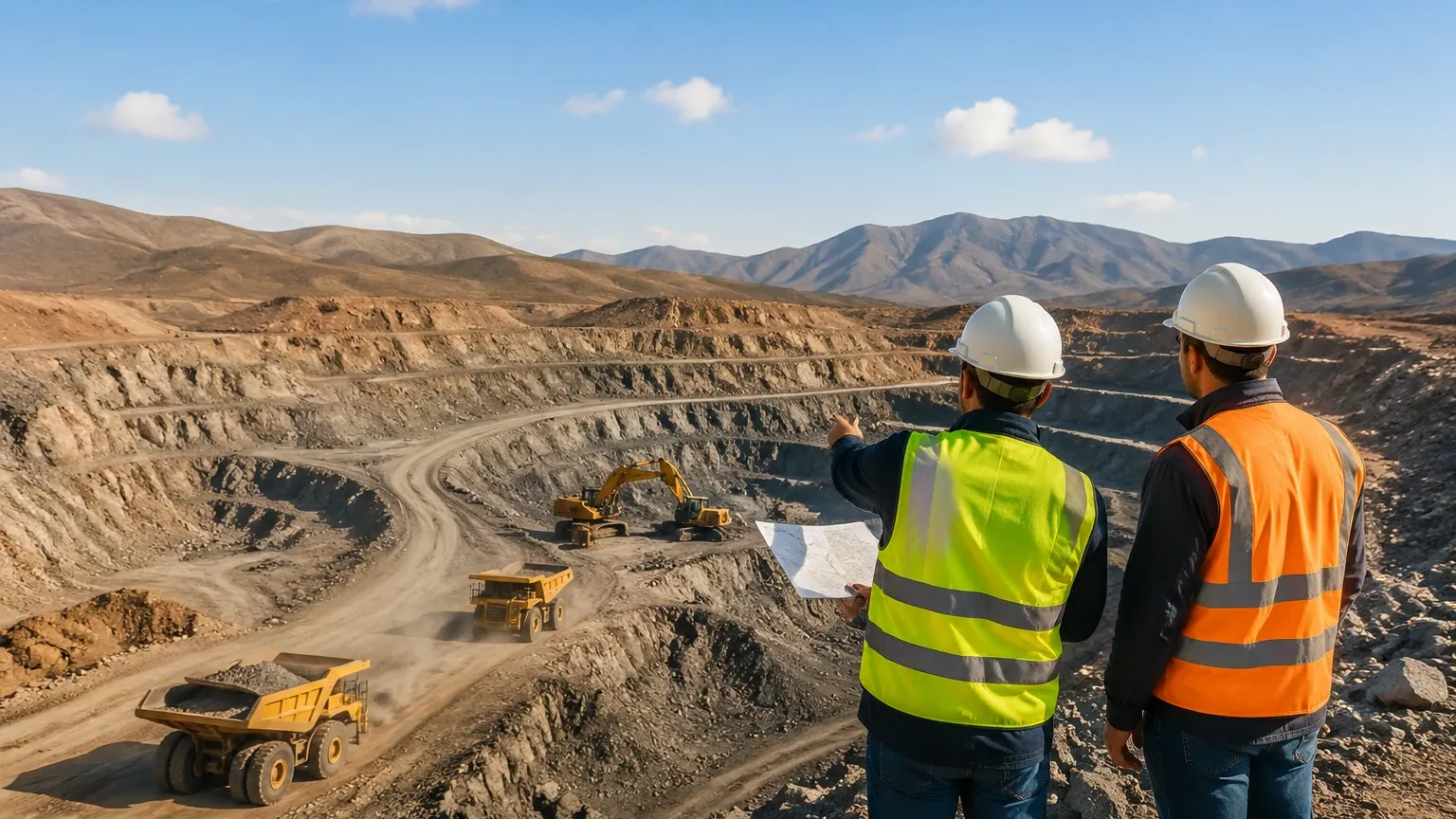
Modern mining relies on a complex series of chemical and physical processes. Each stage requires specific level monitoring to prevent overflows, pump cavitation, or process interruptions. At events like the Elko Mining Show, the focus often shifts toward how these instruments handle the extreme conditions of the Great Basin, including high dust concentrations, fluctuating temperatures, and corrosive chemical exposures.
Key Applications in the Mining Cycle
1. Ore Storage and Silos: Monitoring the level of crushed ore (solids) requires sensors that can penetrate heavy dust and ignore the steep angles of repose formed by the material.
2. Chemical Reagent Tanks: Gold recovery often involves aggressive chemicals such as sodium cyanide, sulfuric acid, and various flocculants. Level sensors must be chemically compatible and highly accurate to ensure precise dosing.
3. Thickeners and Clarifiers: Measuring the interface between solids and liquids is essential for optimizing the separation process.
4. Tailings Management: Continuous monitoring of tailings ponds is a regulatory requirement to ensure dam integrity and environmental safety.
Measurement Principles and Technology Overview
Before selecting a device at an industry event, it is essential to understand the physics behind the primary measurement technologies used in mining.
Radar Level Measurement (ToF)
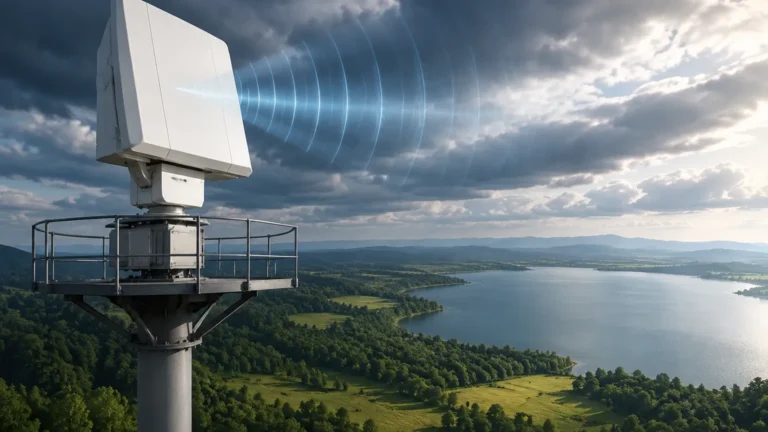
Radar level meters operate on the Time-of-Flight (ToF) principle. The device emits a high-frequency electromagnetic wave (typically in the 26GHz or 80GHz range) that travels to the material surface and reflects back to the sensor. The distance is calculated based on the time it takes for the pulse to return.
* Non-contact Radar: Ideal for mining because it has no moving parts and does not touch the medium. 80GHz radar is particularly effective in dust-heavy environments like ore bins because its narrow beam angle avoids reflections from internal tank structures or buildup on the walls.
* Guided Wave Radar (GWR): Uses a probe to guide the signal. This is excellent for liquids with low dielectric constants or applications where foam is present on the surface.
Ultrasonic Level Sensors
Ultrasonic sensors emit sound waves that bounce off the surface of the medium. The sensor measures the time interval between emission and reception to determine the level. While cost-effective, ultrasonic technology is sensitive to air temperature fluctuations, heavy dust, and surface turbulence, which can attenuate the sound signal. In mining, these are typically reserved for water storage or sumps where conditions are relatively stable.
Hydrostatic Level Transmitters
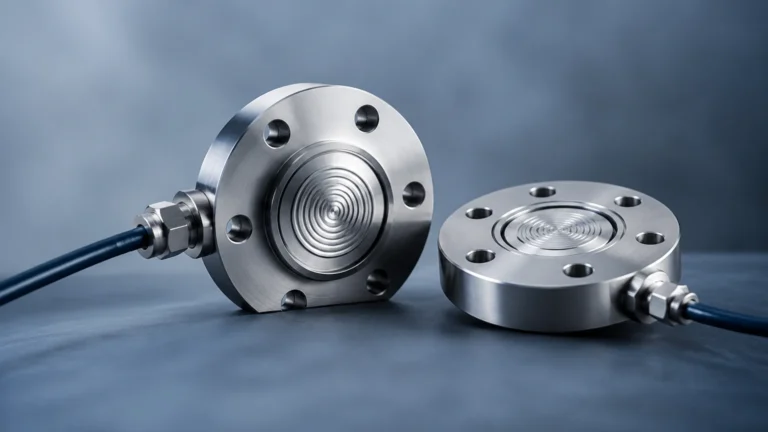
These sensors measure the pressure exerted by a liquid column. Since pressure is directly proportional to the height of the liquid (based on its specific gravity), the transmitter provides a continuous level reading. Submersible hydrostatic sensors are frequently used in deep wells, boreholes, and tailings monitoring where non-contact methods are impractical.
Magnetic Level Gauges
Used primarily for liquid storage, these gauges utilize a float containing a magnet that moves with the liquid level. This float interacts with an external indicator or a reed switch transmitter. They provide a high-visibility local display and are often used in reagent tanks where a mechanical backup to electronic systems is required for safety.
Practical Selection Criteria for Mining Instrumentation
When evaluating vendors at the Elko Mining Show, engineers should use a standardized set of criteria to compare different technologies. The following table summarizes the suitability of common level measurement methods for typical mining applications.
| Application | Recommended Technology | Key Advantage | Limitation |
| :— | :— | :— | :— |
| Crushed Ore Silos | 80GHz Radar | Penetrates dust; narrow beam | High initial cost |
| Cyanide/Acid Tanks | PTFE-coated Radar | Chemical resistance; non-contact | Must verify dielectric constant |
| Water Reservoirs | Ultrasonic | Cost-effective; easy install | Sensitive to wind and foam |
| Tailings Ponds | Hydrostatic (Submersible) | Reliable in deep/open water | Requires specific gravity compensation |
| Process Sumps | Ultrasonic or Radar | Handles turbulence and solids | Buildup can affect ultrasonic face |
| Fuel Storage | Magnetic Level Gauge | Local visual plus electronic output | Moving parts can wear over time |
Installation Considerations in Harsh Environments
Even the most advanced sensor will fail if improperly installed. Mining environments present unique challenges that must be addressed during the design phase.
Dealing with Dust and Buildup
In ore processing, dust is ubiquitous. For radar sensors, using a lens antenna with a flat surface helps prevent dust accumulation. If buildup is inevitable, many industrial radar units include an air purge connection to periodically blow dust off the antenna face. For ultrasonic sensors, the "dead zone" or blocking distance must be carefully calculated to ensure the sensor does not lose signal when the tank is full.
Material Properties and Dielectric Constants
Radar measurement accuracy depends on the dielectric constant (εr) of the material. Most ores and minerals have a high enough εr for reliable reflection. However, for certain dry powders or hydrocarbons, a Guided Wave Radar (GWR) may be necessary to ensure a strong return signal. At the Elko Mining Show, it is advisable to provide vendors with specific material data sheets to confirm compatibility.
Mounting and Beam Angle
In large silos or tanks with internal agitators and ladders, the beam angle is critical. A wide beam will hit the internal structures, creating "false echoes" that can lead to incorrect readings. Modern radar sensors utilize software-based "false echo suppression," but selecting a sensor with a narrow beam angle (e.g., 3° to 6°) from the start reduces the reliance on software filtering.
Navigating the Elko Mining Show for Process Engineers
Attending the expo requires a strategic approach to move beyond marketing brochures and into technical validation. For those looking to upgrade their level measurement systems, the following steps are recommended:
1. Verify Certifications: Ensure the instruments meet MSHA (Mine Safety and Health Administration) or relevant ATEX/IECEx standards for explosive atmospheres, especially if the sensors are used in underground coal mines or near volatile chemicals.
2. Inquire About OEM/ODM Capabilities: Many mining operations have unique tank geometries or mounting requirements. Ask vendors if they provide customized mounting flanges or specialized housing materials like 316L stainless steel or Hastelloy.
3. Evaluate Integration Protocols: Modern mines utilize sophisticated SCADA and PLC systems. Ensure the instruments support standard protocols such as 4-20mA HART, Modbus RS485, or Profibus.
4. Discuss Maintenance Cycles: Inquire about the expected lifespan of the sensors in high-vibration environments. Mining equipment is subject to constant mechanical stress; sensors should have ruggedized electronics and high Ingress Protection (IP67 or IP68) ratings.
Frequently Asked Questions (FAQ)
Q: Why is 80GHz radar preferred over 26GHz for mining solids?
A: The higher frequency allows for a much smaller antenna and a narrower beam. This is crucial in ore bins where internal bracing and dust are common. The narrow beam ignores the walls and internal obstacles, focusing solely on the material surface.
Q: How do I measure the level of a tailings pond with varying density?
A: Hydrostatic sensors depend on density. If the density of the tailings slurry changes significantly, the level reading will drift. In these cases, non-contact radar is preferred as it is independent of the liquid's density and only requires a stable surface for reflection.
Q: Can ultrasonic sensors be used in chemical tanks?
A: Yes, provided the sensor face is made of a compatible material like PVDF or PTFE. However, if the chemical produces vapors, the speed of sound changes, which can lead to inaccuracies. Radar is generally more reliable for chemical tanks because electromagnetic waves are not affected by vapor composition.
Q: What is the impact of heavy vibration on level transmitters?
A: Vibration can cause fatigue in electronic components and mechanical connections. For equipment mounted on crushers or near heavy machinery, it is essential to use sensors with potted electronics and robust mounting brackets to dampen the vibration.
Conclusion
The Elko Mining Show remains a vital venue for discovering the tools that keep the mining industry moving. As operations become more automated and environmental regulations tighten, the importance of selecting the right level measurement technology cannot be overstated. By understanding the underlying principles of radar, ultrasonic, and hydrostatic measurement, and by applying rigorous selection criteria, engineers can ensure their sites operate with maximum precision and safety.
For more detailed technical specifications and to explore a wide range of industrial level measurement solutions suitable for the mining and water treatment industries, please visit our Main Page. Selecting the right instrument today prevents the operational headaches of tomorrow, ensuring that your facility remains productive long after the expo has concluded.