Ethanol Hemp Extraction Equipment
Ethanol Hemp Extraction Equipment
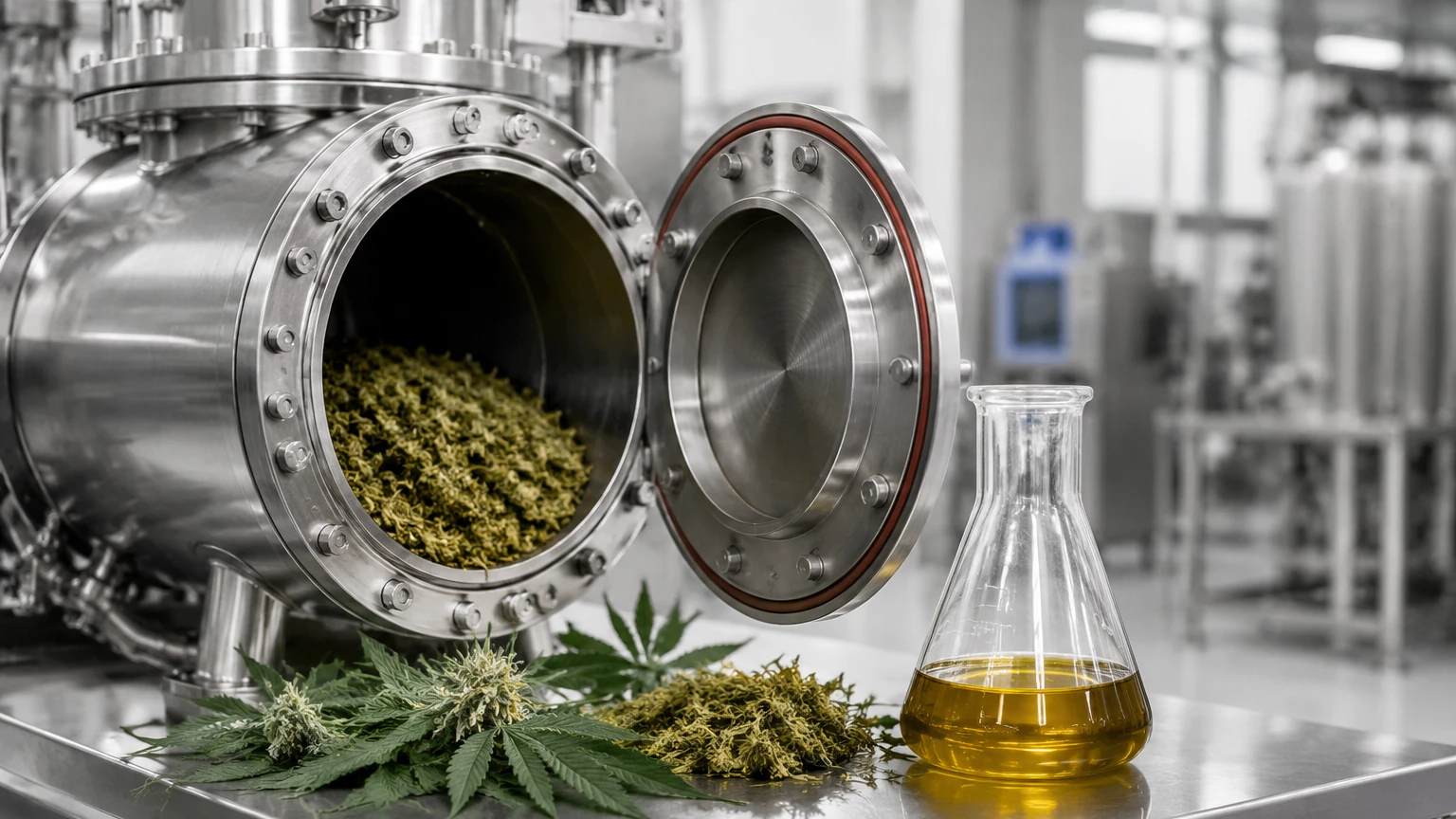
In the rapidly evolving botanical processing industry, ethanol hemp extraction equipment serves as the backbone for large-scale cannabinoid production. Ethanol is favored as a solvent due to its efficiency, safety profile compared to hydrocarbons, and its ability to be recovered and reused. However, managing the complex fluids involved—ranging from cryogenic ethanol to viscous hemp crude—requires precise instrumentation. Accurate level measurement is critical not only for process efficiency and yield but also for operational safety in environments where flammable solvents are present.
The Role of Level Measurement in Ethanol Hemp Extraction
Ethanol hemp extraction equipment relies on a series of interconnected vessels, including solvent storage tanks, extraction reactors, centrifuges, and evaporation systems. At each stage, knowing the exact liquid level is essential for automation and safety.
In the extraction phase, hemp biomass is soaked in chilled ethanol (often at temperatures as low as -40°C to -80°C). Precise level control ensures that the biomass is fully submerged without overfilling the vessel, which could lead to solvent loss or hazardous spills. During the recovery phase, falling film evaporators or rotary evaporators separate the ethanol from the hemp oil. Here, level sensors prevent the heating elements from running dry and ensure a consistent flow rate through the system.
For engineers designing or operating these systems, selecting the right instrumentation involves understanding the physical properties of the fluids, the environmental conditions of the facility, and the specific requirements of the extraction process.
Measurement Principles for Solvent and Extract Management
Before selecting specific sensors for ethanol hemp extraction equipment, it is important to understand the measurement principles commonly employed in industrial level sensing.
Radar Level Measurement (Time of Flight)
Radar level meters operate on the Time of Flight (ToF) principle. The sensor emits an electromagnetic pulse (either through the air or guided along a probe) that reflects off the surface of the liquid. The time it takes for the signal to return is proportional to the distance. Because radar uses electromagnetic waves, it is largely unaffected by vapor, temperature, or pressure changes within the tank. Ethanol has a dielectric constant of approximately 24, which provides a strong reflection for radar signals, making this a highly reliable technology for solvent tanks.
Ultrasonic Level Measurement
Ultrasonic sensors emit high-frequency sound waves. Like radar, they measure the time it takes for the pulse to reflect off the liquid surface. However, sound waves require a medium (air or gas) to travel. In ethanol extraction, the presence of heavy solvent vapors can change the speed of sound, potentially leading to inaccuracies unless the sensor includes temperature and vapor compensation. Ultrasonic sensors are generally more cost-effective but are best suited for stable environments.
Hydrostatic Pressure Measurement
Hydrostatic sensors measure the pressure exerted by the liquid column at the bottom of a tank. Since pressure is directly proportional to the height of the liquid and its density ($P = \rho gh$), the level can be calculated accurately. In hemp extraction, density changes can occur as the ethanol becomes saturated with cannabinoids or as the temperature fluctuates. Hydrostatic sensors used in this application must be calibrated for the specific gravity of the fluid at the operating temperature.
Magnetic Level Gauges
Magnetic level gauges consist of a float containing a magnet that moves within a bypass chamber. As the float rises and falls with the liquid level, it flips magnetic flags on an external scale or interacts with a reed switch/transmitter. This provides a clear visual indication and a secondary electronic signal, which is useful for pressurized solvent storage vessels.
Selecting Level Sensors for Extraction Vessels and Recovery Systems
When integrating sensors into ethanol hemp extraction equipment, the choice depends on the specific vessel's function and the fluid's characteristics.
| Process Stage | Typical Fluid | Primary Challenge | Recommended Technology |
| :— | :— | :— | :— |
| Bulk Solvent Storage | Virgin Ethanol | Large volume, vapor space | Radar or Magnetic Level Gauge |
| Chilling/Buffer Tank | Cryogenic Ethanol | Low temperature (-80°C) | Guided Wave Radar or Hydrostatic |
| Extraction Reactor | Ethanol + Biomass | Agitation, solids presence | Non-contact Radar |
| Evaporation/Recovery | Ethanol + Hemp Oil | High viscosity, foaming | Guided Wave Radar or Level Switches |
| Crude Oil Storage | Concentrated Extract | High viscosity, small tanks | Hydrostatic or Ultrasonic |
Extraction Reactors and Centrifuges
In the primary extraction vessel, the presence of hemp biomass and mechanical agitators can interfere with contact-based sensors. Non-contact 80GHz radar is often the preferred choice here. The high frequency allows for a narrow beam angle, which can avoid internal obstructions like baffles or agitator blades. Furthermore, non-contact measurement prevents the buildup of sticky hemp resins on the sensor probe.
Solvent Recovery (Evaporators)
In falling film evaporators, maintaining a consistent liquid level in the boiling chamber is vital for preventing "burn-on" and ensuring efficient heat transfer. Because these systems often operate under vacuum, the sensor must be rated for low-pressure environments. Guided wave radar (GWR) is particularly effective here, as the probe guides the signal directly to the liquid surface, ignoring the turbulence and vapor common in boiling processes.
Installation and Safety Considerations in Hazardous Environments
Ethanol is a Class I, Division 1 (C1D1) or Division 2 (C1D2) hazardous material, depending on the proximity to the source of vapor. All instrumentation used in ethanol hemp extraction equipment must meet strict explosion-proof or intrinsically safe standards.
1. Hazardous Area Ratings: Ensure that level meters carry ATEX, IECEx, or UL/CSA certifications for flammable vapors. This usually involves housing the electronics in an explosion-proof enclosure or using a barrier to limit the electrical energy entering the hazardous zone.
2. Sanitary Requirements: Since hemp extracts are often destined for human consumption (as CBD oil or food additives), the sensors should ideally meet sanitary standards such as 3-A or EHEDG. This includes using stainless steel (316L) for wetted parts and ensuring a surface finish (Ra) that prevents bacterial growth.
3. Mounting and Nozzles: For radar and ultrasonic sensors, the mounting position is critical. Sensors should be placed away from the tank wall to avoid false reflections and away from the fill inlet to prevent interference from the incoming liquid stream.
4. Temperature Compensation: In cryogenic ethanol applications, the electronics must be thermally isolated from the process connection to prevent damage or condensation within the housing. Cooling fins or extended necks are common features for sensors operating at -40°C and below.
Limitations and Challenges in Hemp Processing
While modern instrumentation is highly capable, ethanol hemp extraction equipment presents unique challenges that can affect sensor performance:
* Foaming: During the evaporation or decarboxylation stages, hemp oil can produce significant foam. Ultrasonic sensors may lose their signal in foam, as the sound waves are absorbed rather than reflected. Radar, particularly guided wave radar, is better at penetrating foam to find the true liquid level.
* Resin Buildup: Hemp crude is extremely viscous and sticky. Over time, this resin can coat probes or floats. In such cases, non-contact radar or hydrostatic sensors with flush diaphragms are easier to clean and maintain than mechanical floats.
* Vapor Density: High concentrations of ethanol vapor can attenuate ultrasonic signals. If using ultrasonic technology, it is essential to ensure the sensor is rated for the specific gas environment and that the software can compensate for changes in the speed of sound.
For a comprehensive overview of available technologies for these applications, users can visit the Main Page to review product options and application support.
Frequently Asked Questions (FAQ)
Q: Can I use a standard water level sensor for ethanol extraction?
A: Generally, no. Ethanol is flammable and has a different dielectric constant and density than water. Sensors must be rated for hazardous locations (C1D1/C1D2) and calibrated for the specific properties of ethanol.
Q: How does temperature affect hydrostatic level measurement in ethanol?
A: Ethanol's density changes significantly with temperature. If you are measuring ethanol at -60°C and then at room temperature, a hydrostatic sensor will show different levels for the same volume unless the system includes temperature compensation to adjust the density calculation.
Q: Is non-contact radar worth the extra cost over ultrasonic?
A: In ethanol hemp extraction equipment, radar is often the better investment. It is immune to the heavy vapors and temperature fluctuations common in extraction labs, leading to fewer false readings and less downtime.
Q: What maintenance is required for level sensors in hemp oil tanks?
A: For sensors in contact with crude hemp oil, regular cleaning is required to prevent resin buildup. Using a flush-mounted hydrostatic transmitter or a non-contact radar can significantly reduce the maintenance frequency compared to float-based systems.
Conclusion
Selecting the appropriate instrumentation for ethanol hemp extraction equipment is a critical step in scaling botanical processing operations. By understanding the measurement principles of radar, ultrasonic, and hydrostatic technologies, engineers can ensure that their systems operate with the precision required for high-quality cannabinoid production. Safety remains the top priority; therefore, all equipment must be properly rated for hazardous environments and designed to withstand the chemical and thermal demands of ethanol processing. Implementing reliable level control not only protects the equipment and personnel but also optimizes the extraction yield, ensuring a more profitable and sustainable operation.