Evaluate the Energy Company Equinor on Liquid Natural Gas
Evaluate the Energy Company Equinor on Liquid Natural Gas
When technical professionals and procurement managers evaluate the energy company Equinor on liquid natural gas (LNG), the focus often shifts from mere production volumes to the engineering integrity and instrumentation precision required to manage cryogenic fluids. Equinor, a Norwegian state-controlled multinational energy company, has established itself as a cornerstone of the European energy security landscape, particularly through its Snøhvit LNG project.
For those in the industrial automation and process control sectors, evaluating Equinor’s LNG operations involves understanding the rigorous demands of cryogenic level measurement, storage safety, and the technical specifications of the equipment used to monitor these volatile assets. This article provides a technical overview of Equinor’s LNG footprint and the critical level measurement technologies required to support such high-stakes industrial operations.
Equinor’s Role in the Global LNG Supply Chain
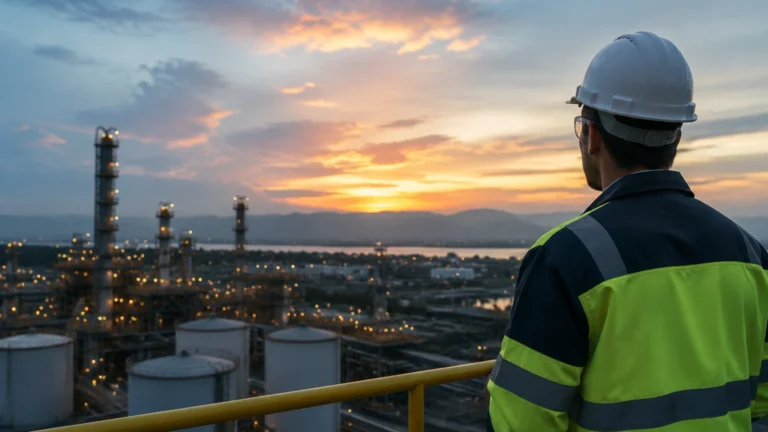
Equinor’s primary LNG asset is the Hammerfest LNG plant located on Melkøya island in Norway. This facility processes gas from the Snøhvit field in the Barents Sea. As the first large-scale LNG export facility in Europe, Hammerfest LNG represents a benchmark for operating in harsh, sub-arctic environments.
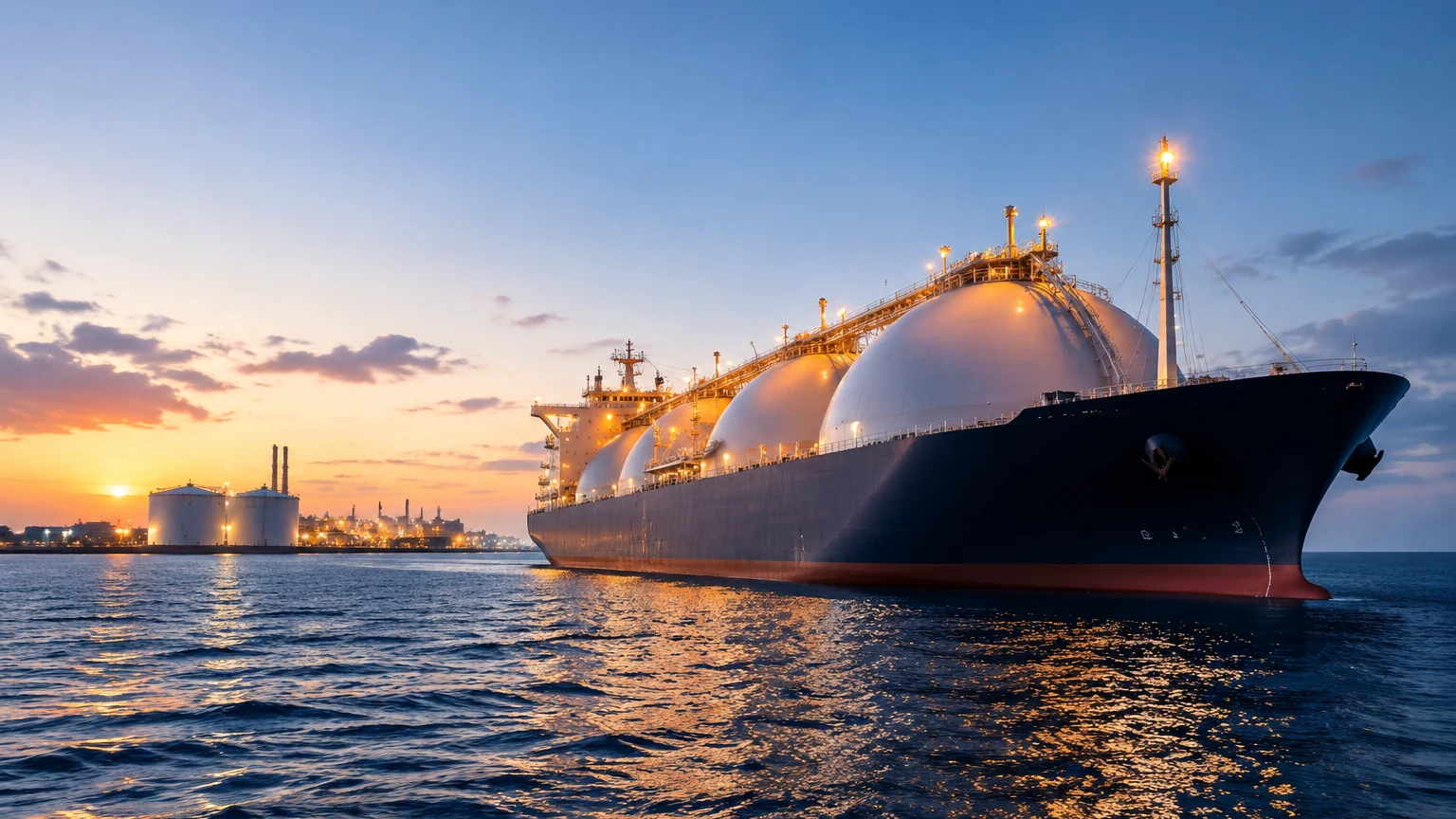
Evaluating Equinor on LNG requires looking at their capacity for innovation in carbon capture and storage (CCS) integrated with LNG production. However, from a practical engineering perspective, the focus remains on the storage and transport of LNG at -162°C (-260°F). At these temperatures, natural gas is condensed into a liquid state, reducing its volume by approximately 600 times, which allows for efficient long-distance shipping. The technical challenge lies in maintaining this state and accurately measuring the inventory within massive cryogenic storage tanks.
Principles of Level Measurement in LNG Applications
Before selecting instrumentation for LNG facilities, it is essential to understand the physical principles governing level measurement in cryogenic conditions. LNG is a boiling liquid; it is constantly absorbing heat from the environment, leading to "boil-off gas" (BOG). This creates a dynamic environment inside the tank that can interfere with traditional measurement methods.
Non-Contact Radar (FMCW)
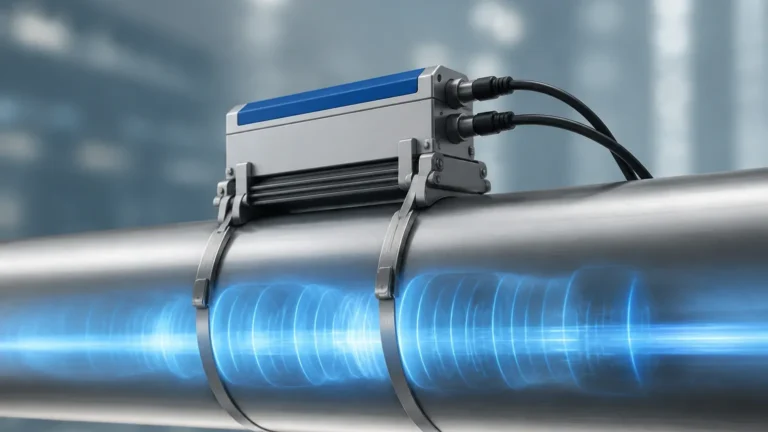
Frequency Modulated Continuous Wave (FMCW) radar is the industry standard for LNG level measurement. The transmitter emits a continuous signal with a constantly changing frequency. The difference between the emitted and received frequency is proportional to the distance to the liquid surface. Because radar waves are unaffected by the vapor space composition or temperature gradients, they provide high accuracy without contacting the cryogenic fluid.
Hydrostatic Pressure Measurement
This method calculates the level based on the pressure exerted by the liquid column. In LNG tanks, this requires high-precision differential pressure transmitters. While reliable, this method requires accurate density data, which can fluctuate in LNG due to aging (the preferential evaporation of nitrogen and methane).
Guided Wave Radar (GWR)
GWR utilizes Time Domain Reflectometry (TDR) by sending a microwave pulse down a probe or cable. When the pulse hits the LNG surface, the change in dielectric constant causes a reflection. While highly accurate, the physical probe must be rated for extreme cryogenic temperatures to prevent material embrittlement.
Technical Evaluation Criteria for LNG Instrumentation
When evaluating the infrastructure of a major player like Equinor, the following technical criteria are used to select level measurement solutions for their storage and processing facilities:
1. Cryogenic Compatibility: All wetted parts must be constructed from materials like 316L stainless steel or specialized alloys that maintain ductility at -162°C.
2. Accuracy and Repeatability: Given the high value of LNG, even a 1 mm error in a large-diameter storage tank can equate to thousands of dollars in inventory discrepancy.
3. Redundancy: Critical tanks typically employ a combination of primary and secondary level technologies (e.g., Radar and Servo gauges) to ensure continuous monitoring during maintenance.
4. Safety Certifications: Instruments must meet ATEX, IECEx, or SIL 2/3 requirements, as LNG vapor is highly flammable when mixed with air.
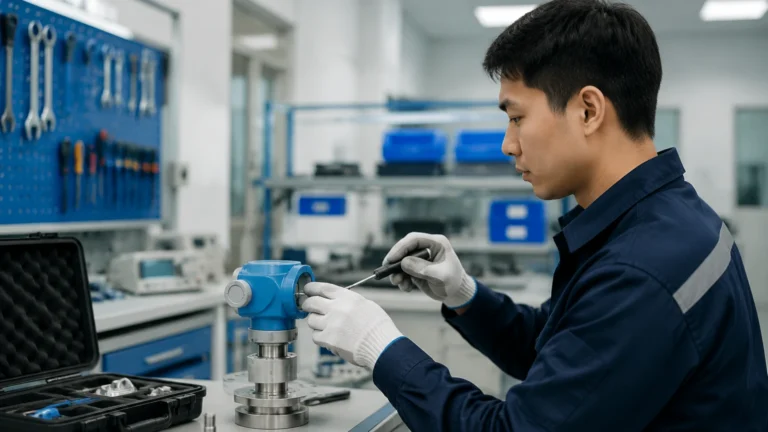
For a comprehensive look at industrial-grade sensors suitable for these environments, engineers can Review product options and application support to find solutions that meet international safety and precision standards.
Comparison of Level Measurement Technologies for LNG
| Technology | Accuracy | Maintenance | Suitability for LNG | Limitations |
| :— | :— | :— | :— | :— |
| FMCW Radar | ±0.5 mm to ±2 mm | Low (Non-contact) | Excellent | Requires proper nozzle alignment. |
| Guided Wave Radar | ±2 mm | Moderate | Good for small tanks | Probe can be affected by heavy turbulence. |
| Hydrostatic | ±0.1% of span | Moderate | Good for backup | Dependent on constant density monitoring. |
| Servo Gauges | ±0.4 mm | High (Moving parts) | Traditional Standard | Mechanical wear in the wire/displacer. |
| Ultrasonic | ±10 mm | Low | Poor | Sound speed varies significantly with vapor density. |
Installation Considerations for Cryogenic Level Meters
Installing level measurement instruments in an LNG environment, such as those operated by Equinor, requires strict adherence to engineering protocols to prevent leaks and ensure signal integrity.
* Stilling Wells: For both radar and displacement gauges, stilling wells (pipes with bypass holes) are often used to protect the measurement from surface turbulence caused by filling or boiling. The well must be perfectly vertical to prevent the sensor from hitting the pipe walls.
* Isolation Valves: To allow for maintenance without decommissioning the tank, full-bore ball valves are installed between the tank nozzle and the instrument. These valves must be cryogenic-rated with extended bonnets to keep the packing at a higher temperature.
* Thermal Insulation: The mounting flanges and nozzles must be heavily insulated to prevent ice build-up, which can cause mechanical stress or interfere with the electronics of the transmitter.
* Vapor Space Management: The instrument must be capable of handling the high-pressure vapor space often found in pressurized LNG spheres or the low-pressure but nitrogen-rich atmosphere of atmospheric tanks.
Limitations and Operational Risks
Evaluating Equinor’s LNG operations also means acknowledging the inherent risks of the medium. LNG is subject to "stratification," where layers of different densities form within a tank. If these layers mix suddenly, it can cause a "rollover," resulting in a massive release of boil-off gas.
Level meters alone cannot detect stratification; they must be paired with Multi-point Temperature and Density (LTD) probes. A limitation of many standard level meters is their inability to provide density profiles. Therefore, a complete evaluation of an LNG storage system must include an integrated suite of sensors rather than a single point of measurement.
Furthermore, signal attenuation in radar systems can occur if there is excessive frost on the antenna. This is why high-quality radar units designed for LNG often feature integrated purging systems or specialized antenna designs that shed condensation and ice.
Frequently Asked Questions (FAQ)
Q: Why is radar preferred over ultrasonic for LNG level measurement?
A: Ultrasonic waves rely on the air or gas in the vapor space to travel. In LNG tanks, the vapor composition and temperature can change rapidly, significantly altering the speed of sound and causing massive errors. Radar uses electromagnetic waves, which are not affected by the gas composition.
Q: Can a standard magnetic level gauge be used for LNG?
A: Standard magnetic level gauges are generally not suitable for LNG unless they are specifically designed with vacuum-jacketed insulation and cryogenic-rated floats. Without insulation, the gauge would instantly frost over, making the visual indicator unreadable and potentially freezing the float in place.
Q: How often do LNG level meters need calibration?
A: In high-value custody transfer applications, instruments are often verified annually. However, because modern FMCW radar has no moving parts and internal reference points, the electronic calibration remains stable for several years.
Q: What is the significance of Equinor's Snøhvit field for LNG technology?
A: The Snøhvit field is significant because it utilizes subsea production templates that send gas directly to shore for liquefaction, bypassing the need for a surface platform. This requires highly reliable, long-distance monitoring and control systems.
Conclusion
To effectively evaluate the energy company Equinor on liquid natural gas, one must look past the corporate reports and into the technical reality of their operations. The success of facilities like Hammerfest LNG relies on the precise integration of cryogenic level measurement, temperature monitoring, and safety systems.
For engineers tasked with implementing similar solutions, selecting the right technology—whether it be FMCW radar for non-contact precision or hydrostatic sensors for redundant monitoring—is the first step in ensuring operational safety and economic viability. By adhering to strict installation standards and understanding the limitations of each measurement principle, operators can maintain the high level of integrity demonstrated by industry leaders in the LNG sector. For further technical specifications and to explore a wide range of industrial measurement tools, visit the Main Page for detailed product data and engineering support.
Download Evaluate the Energy Company Equinor on Liquid Natural Gas as a PDF