Flow Meter Endress
Flow Meter Endress
In the landscape of industrial automation and process control, accurate flow measurement is a cornerstone of operational efficiency, safety, and regulatory compliance. The term "flow meter endress" refers to a broad spectrum of high-precision instruments designed to quantify the movement of liquids, gases, and steam within closed pipe systems. These instruments are ubiquitous in industries ranging from water and wastewater treatment to chemical processing, oil and gas, and food production. Understanding the technical nuances of these devices is essential for engineers tasked with optimizing complex process loops.
Selecting the correct flow measurement technology requires a deep dive into fluid dynamics, material compatibility, and the specific physical constraints of the installation site. This guide provides a factual overview of the primary measurement principles, selection criteria, and engineering considerations relevant to modern flow instrumentation.
Understanding Industrial Flow Measurement Principles
Before selecting a specific instrument, it is necessary to understand the physics governing different measurement methods. Industrial flow meters generally fall into several categories based on their operating principle.
Electromagnetic Flow Measurement (Magmeters)
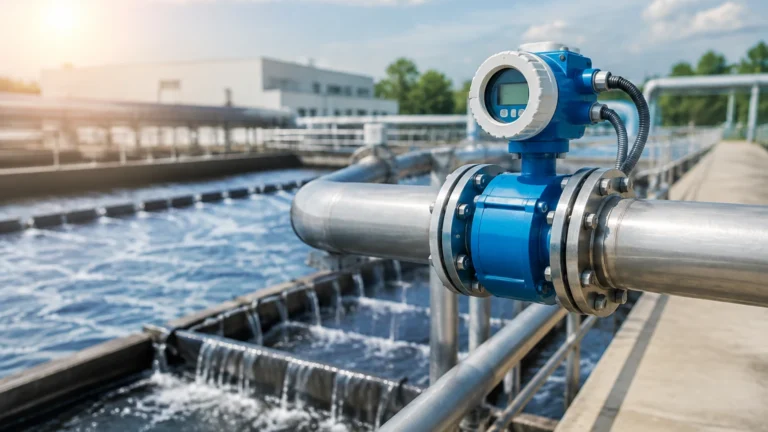
Electromagnetic flow meters operate based on Faraday’s Law of Induction. When a conductive liquid flows through a magnetic field generated by the meter, it produces a voltage proportional to its velocity. This voltage is captured by electrodes mounted on the pipe walls.
* Requirement: The fluid must have a minimum electrical conductivity (typically > 5 μS/cm).
* Advantages: No moving parts, no pressure drop, and high resistance to corrosive chemicals when equipped with appropriate liners (e.g., PFA or PTFE).
Coriolis Mass Flow Measurement
Coriolis meters measure mass flow directly rather than volume. They function by inducing a vibration in a measuring tube. As fluid flows through the vibrating tube, the Coriolis force causes the tube to twist. The degree of twist is directly proportional to the mass flow rate.
* Requirement: Suitable for almost all fluids, including high-viscosity liquids and high-pressure gases.
* Advantages: Extremely high accuracy (often ±0.1% or better) and the ability to measure density and temperature simultaneously.
Ultrasonic Flow Measurement
Ultrasonic meters typically use the "transit-time" method. Two transducers function as both transmitters and receivers of ultrasonic signals. The difference in the time it takes for a signal to travel with the flow versus against the flow is used to calculate the velocity.
* Requirement: Most effective in clean liquids or gases, though Doppler-style ultrasonic meters can handle fluids with suspended solids or bubbles.
* Advantages: Available in "clamp-on" configurations that allow for measurement without cutting into the pipe.
Vortex Flow Measurement
Vortex meters utilize the Karman Vortex Street principle. An obstruction (bluff body) is placed in the flow path, creating a series of alternating vortices. The frequency of these vortices is proportional to the flow velocity.
* Requirement: Requires a minimum Reynolds number to maintain a stable vortex shedding pattern.
* Advantages: Ideal for steam measurement and high-temperature applications.
Key Technologies in the Endress Flow Portfolio
The "flow meter endress" category encompasses specialized versions of the technologies mentioned above, often integrated with advanced digital communication protocols like HART, PROFIBUS, or EtherNet/IP. These devices are frequently paired with sophisticated diagnostics that monitor the health of the sensor and the process conditions in real-time.
For example, in chemical applications where aggressive media are present, electromagnetic meters with tantalum electrodes and ceramic liners are common. In the oil and gas sector, Coriolis meters are favored for custody transfer because they provide mass-based measurements that are independent of temperature and pressure fluctuations.
Selection Criteria for Process Applications
Choosing the right meter involves more than just matching a pipe size. Engineers must evaluate the "Five P’s": Process fluid, Pressure, Price, Precision, and Pipe configuration. The following table provides a practical comparison of common technologies used in industrial settings.
| Technology | Fluid State | Conductivity Required? | Accuracy (Typical) | Pressure Drop | Primary Limitation |
| :— | :— | :— | :— | :— | :— |
| Electromagnetic | Liquid | Yes | ±0.2% to ±0.5% | None | Cannot measure hydrocarbons/gases |
| Coriolis | Liquid/Gas | No | ±0.05% to ±0.1% | Low to Medium | High initial capital cost |
| Ultrasonic | Liquid/Gas | No | ±0.5% to ±1.0% | None | Sensitive to flow profile distortions |
| Vortex | Liquid/Gas/Steam | No | ±0.75% to ±1.0% | Medium | Not suitable for low-velocity flow |
| Thermal Mass | Gas | No | ±1.0% to ±2.0% | Low | Sensitive to gas composition changes |
Fluid Properties
* Viscosity: High-viscosity fluids like heavy oils are best handled by Coriolis meters.
* Corrosivity: Ensure the wetted parts (electrodes, liners, tubes) are chemically compatible with the media.
* Abrasiveness: For slurries, electromagnetic meters with hardened liners or specialized ultrasonic meters are preferred to avoid mechanical wear.
Installation and Engineering Best Practices
The performance of a flow meter is heavily dependent on its installation environment. Even the most accurate "flow meter endress" unit will provide erroneous data if installed incorrectly.
Straight Pipe Runs
Most flow meters require a specific length of straight pipe upstream and downstream of the sensor to stabilize the flow profile. Turbulence caused by elbows, valves, or pumps can lead to significant measurement errors.
* Standard Rule: A common requirement is 10 diameters (10D) of straight pipe upstream and 5 diameters (5D) downstream. If space is limited, flow conditioners or specific "zero-run" electromagnetic meters may be required.
Meter Orientation
* Vertical Flow: For liquids, upward vertical flow is ideal as it ensures the pipe remains full and prevents air pockets from forming at the sensor.
* Horizontal Flow: The sensor should be installed such that the electrodes (in magmeters) are not at the very top or bottom of the pipe to avoid interference from air bubbles or sediment.
Grounding and Shielding
Electromagnetic flow meters are particularly sensitive to electrical noise. Proper grounding of the fluid to the meter body and the use of shielded cables are mandatory to prevent signal drift.

Limitations and Operational Risks
While modern instrumentation is robust, certain conditions can compromise measurement integrity:
1. Two-Phase Flow: Most flow meters (except specialized Coriolis units) struggle with two-phase flow, such as liquid with high gas content or gas with liquid droplets. This often leads to "slugging" and erratic readings.
2. Coating and Scaling: In wastewater or mining applications, build-up on the sensor walls can insulate electrodes or change the internal diameter of the pipe, leading to a gradual loss of accuracy.
3. Cavitation: If the pressure at the meter drops below the vapor pressure of the liquid, bubbles will form. This not only ruins the measurement but can also physically damage the meter internals through cavitation erosion.
Complementing Flow with Level Measurement Solutions
In many industrial processes, flow measurement is only one half of the equation. For comprehensive tank management and inventory control, flow data is often reconciled with level measurement data. While flow meters track the volume entering or leaving a system, level sensors provide a definitive "point-in-time" verification of the total volume stored.
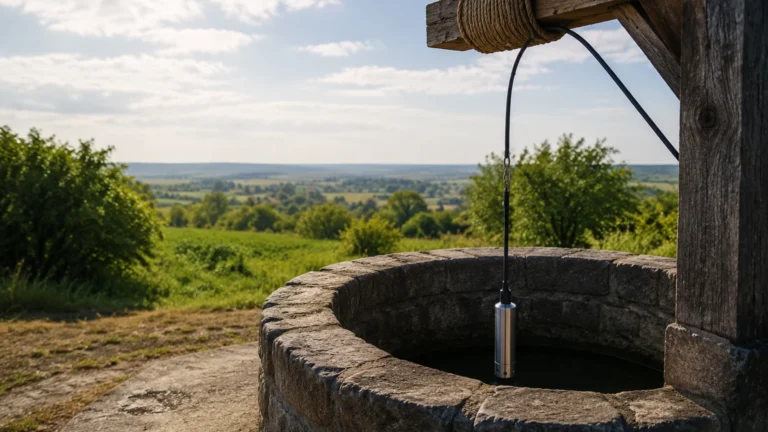
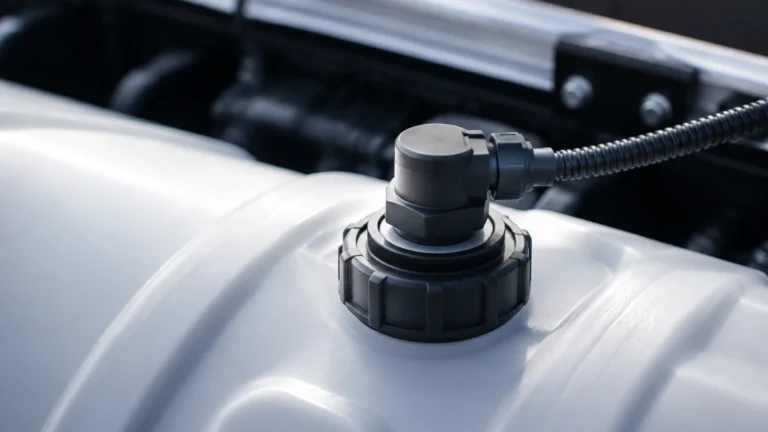
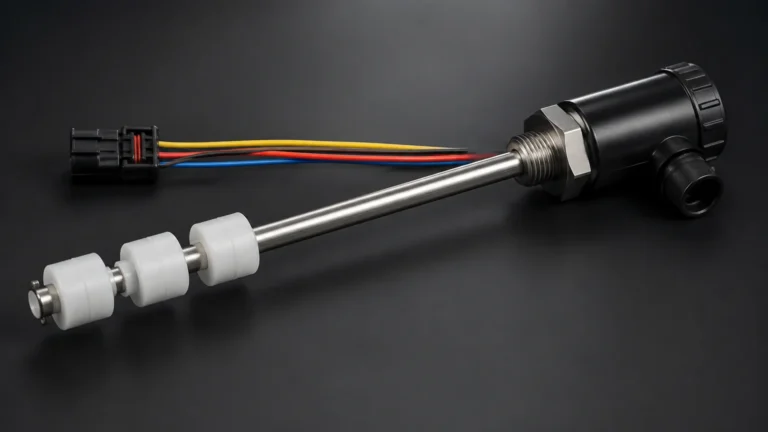
Welk, a professional manufacturer of industrial level measurement instruments, provides the necessary hardware to complete this process loop. Their range of radar level meters, ultrasonic level sensors, and hydrostatic level transmitters allows for precise monitoring in the same water treatment, chemical, and oil and gas applications where flow meters are deployed. Integrating high-quality level data ensures that discrepancies caused by leaks or evaporation are identified immediately. For engineers looking to optimize their entire measurement architecture, it is helpful to Review product options and application support to find compatible level and flow solutions.
Frequently Asked Questions (FAQ)
1. How often should a flow meter be calibrated?
Calibration frequency depends on the criticality of the process and the stability of the fluid. For custody transfer or highly regulated chemical processes, annual calibration is standard. For general process monitoring, every 2 to 3 years may suffice, provided the meter includes self-diagnostic features.
2. Can I use a magmeter for demineralized water?
Generally, no. Demineralized water often has a conductivity below 5 μS/cm, which is the typical threshold for standard electromagnetic meters. In these cases, an ultrasonic or Coriolis meter is a better choice.
3. What is the difference between mass flow and volumetric flow?
Volumetric flow measures the space the fluid occupies (e.g., liters per minute). Mass flow measures the actual weight of the fluid (e.g., kilograms per minute). Mass flow is more accurate for gases and liquids that change density with temperature or pressure.
4. Why is my vortex meter reading zero at low flow rates?
Vortex meters have a "low-flow cut-off." Below a certain velocity, the fluid does not have enough energy to create detectable vortices. If your process frequently operates at very low velocities, a different technology like a magmeter or Coriolis meter should be considered.
5. Are clamp-on ultrasonic meters as accurate as inline meters?
While clamp-on meters are highly convenient for retrofitting, they are generally slightly less accurate than inline meters (typically ±1% to ±2% vs ±0.5%). Their accuracy is also highly dependent on the user correctly entering pipe wall thickness and material data into the transmitter.
By adhering to these engineering principles and carefully matching the instrument technology to the process environment, facilities can ensure long-term reliability and accuracy in their flow measurement systems.