Flow Sampler
Flow Sampler
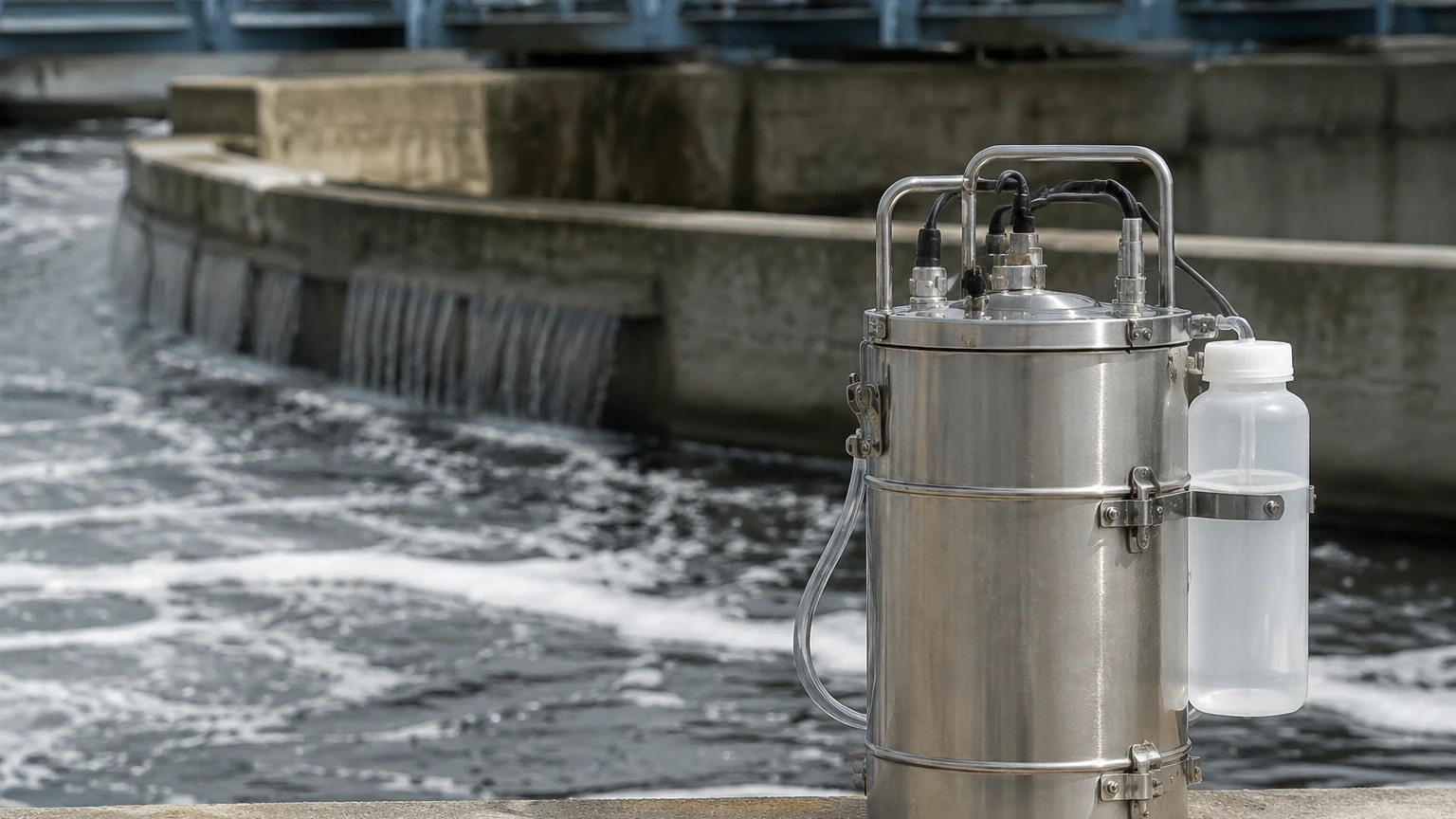
In industrial process control and environmental monitoring, obtaining a representative sample of a fluid stream is as critical as measuring its flow rate or pressure. A flow sampler is a specialized instrument designed to extract a precise volume of liquid or gas from a pipeline or open channel for laboratory analysis. Whether the goal is regulatory compliance in wastewater treatment, quality control in chemical processing, or custody transfer in the oil and gas sector, the accuracy of the final analysis depends entirely on how well the sample represents the bulk material.
While level measurement instruments, such as those found on our Main Page, provide real-time data on volume and inventory, the flow sampler provides the qualitative data necessary for process optimization. This article explores the principles of flow sampling, selection criteria, and the integration of these devices with broader instrumentation systems.
Understanding the Principles of Flow Sampling
The primary objective of any flow sampler is to collect a "representative sample." This means the physical and chemical characteristics of the sample must be identical to those of the fluid stream at the time of collection. Achieving this requires an understanding of fluid dynamics and the specific sampling methodology employed.
The Mechanics of Extraction
Sampling typically involves a probe or intake line submerged in the fluid. A pump (peristaltic, vacuum, or pressurized) or a mechanical plunger draws the fluid into a collection container. In pressurized pipelines, the differential pressure between the process line and the sample container may be used to drive the fluid. In open channels, such as those found in water treatment plants, peristaltic pumps are preferred because they prevent cross-contamination by keeping the fluid contained within the tubing.
Isokinetic Sampling
In streams containing suspended solids or droplets (multiphase flow), isokinetic sampling is essential. This principle dictates that the velocity of the fluid entering the sampling nozzle must be equal to the velocity of the free-stream fluid. If the sampling velocity is too high or too low, the inertia of the particles will cause them to be over-represented or under-represented in the sample, leading to inaccurate concentration data.
Sampling Methods: Time-Proportional vs. Flow-Proportional
Choosing the right sampling method is the first step in system design. The method determines when and how often a sample is taken, which significantly impacts the statistical validity of the data.
1. Time-Proportional Sampling
This is the simplest form of automated sampling. The device is programmed to take a fixed volume of fluid at regular time intervals (e.g., 100 ml every 15 minutes).
* Best for: Processes where the flow rate and fluid composition are relatively constant.
* Limitation: If the flow rate fluctuates, time-proportional sampling fails to account for the volume of fluid passing the point of interest. A high-flow period with high pollutant concentration would be weighted the same as a low-flow period, skewing the results.
2. Flow-Proportional Sampling
In this method, the sampler is integrated with a flow meter. The sampler takes a sample after a specific volume of fluid has passed (e.g., one sample every 1,000 liters).
* Best for: Variable flow environments, such as municipal wastewater or industrial discharge.
* Requirement: Requires a pulse or 4-20mA signal from an external flow meter to trigger the sampling event.
3. Sequential vs. Composite Sampling
* Sequential Sampling: Each sample is placed in a separate bottle. This allows for the analysis of process changes over time (e.g., hourly variations).
* Composite Sampling: Multiple samples are combined into a single large container. This provides an average "snapshot" of the fluid over a specific period, such as a 24-hour shift.
Integrating Samplers with Level and Flow Measurement Systems
A flow sampler does not operate in isolation. It is part of a wider instrumentation ecosystem that includes level transmitters and flow meters. Welk’s industrial level measurement instruments play a supportive role in ensuring these systems function correctly.
Level Control in Sample Storage
When collecting composite samples, it is vital to monitor the level within the collection tank. If a sampler continues to pump into a full container, it can lead to spills, equipment damage, and loss of data. Ultrasonic level sensors or non-contact radar level meters are frequently used to monitor the level in sample carousels or bulk composite tanks. These sensors can provide an interlock signal to the sampler to cease operation once the maximum capacity is reached.
Flow-Triggered Sampling
In open-channel applications, such as flumes or weirs, a level meter is used to calculate the flow rate based on the head height of the liquid. The level meter (often ultrasonic) converts the level reading into a flow value and sends a signal to the flow sampler. This integration ensures that the sampling frequency accurately reflects the volume of discharge, meeting environmental regulatory standards.
Technical Selection Criteria for Industrial Flow Samplers
When selecting a flow sampler for a specific application, engineers must evaluate several technical parameters to ensure long-term reliability and accuracy.
| Criteria | Considerations |
| :— | :— |
| Fluid Type | Is the fluid corrosive, abrasive, or viscous? Does it contain large solids? |
| Pressure & Temperature | High-pressure lines require specialized sample coolers and pressure-reducing valves. |
| Sample Volume | Does the lab require 50 ml or 5 liters for analysis? |
| Container Material | Glass is preferred for organics; plastic (HDPE) is standard for inorganic metals. |
| Cooling Requirements | Many environmental samples must be kept at 4°C (39.2°F) to prevent biological degradation. |
| Power Source | Is AC power available, or is a battery/solar-powered unit required for remote sites? |
Material Compatibility
The wetted parts of the sampler—including the intake strainer, tubing, and pump head—must be compatible with the process fluid. For example, in the chemical industry, PTFE (Teflon) tubing may be required for aggressive solvents, while medical-grade silicone is often used in food and beverage applications to maintain purity.
Installation Best Practices and Maintenance
Proper installation is the difference between a high-maintenance headache and a reliable data source.
Intake Placement
The sampling probe should be placed in a section of the pipe where the fluid is well-mixed. This is typically found after a pump, valve, or elbow, but far enough downstream to avoid excessive turbulence. In horizontal pipes, the probe should be inserted from the side to avoid drawing sediment from the bottom or gases from the top.
Suction Lift and Line Velocity
For samplers using peristaltic pumps, the vertical distance between the fluid source and the sampler (suction lift) should be minimized. Most industrial samplers can handle a lift of up to 6–8 meters. To prevent solids from settling in the intake line, the transport velocity should be at least 0.6 m/s (2 ft/s). Many modern samplers include a "pre-purge" and "post-purge" cycle, using air to clear the line before and after each sample to prevent cross-contamination.
Maintenance Checklist
* Tubing Replacement: Peristaltic pump tubing undergoes constant mechanical stress and should be replaced according to the manufacturer's schedule.
* Cleaning: The intake strainer and sample bottles must be cleaned regularly to prevent biofilm buildup or chemical carryover.
* Calibration: If the sampler is flow-proportional, the communication between the flow meter and the sampler must be verified periodically.
Common Risks and Limitations in Automated Sampling
Despite their automation, flow samplers face several challenges that can compromise sample integrity.
1. Cross-Contamination: If the intake line is not properly purged, residues from the previous sample can contaminate the current one. This is especially critical in trace-element analysis.
2. Volatile Loss: When sampling liquids containing volatile organic compounds (VOCs), the vacuum created by some pumps can cause the compounds to "flash" or evaporate out of the liquid, leading to low readings in the lab.
3. Solid Obstruction: Large debris in wastewater can clog intake strainers. Selection of an appropriate strainer size is a balance between protecting the pump and ensuring representative solids are captured.
4. Temperature Fluctuations: If the sampler’s internal refrigeration fails, biological samples can degrade rapidly, rendering the 24-hour composite sample useless for regulatory reporting.
Frequently Asked Questions (FAQ)
Q: How do I know if I need a refrigerated flow sampler?
A: If you are sampling for biological oxygen demand (BOD), suspended solids, or organic pollutants, most regulatory bodies require the sample to be maintained at 4°C to inhibit biological activity and chemical changes.
Q: Can a flow sampler be used in hazardous (Ex) zones?
A: Yes, but you must specify an ATEX or IECEx certified sampler. These units are designed with explosion-proof enclosures and intrinsically safe electronics to prevent ignition in volatile environments.
Q: What is the maximum distance the sampler can be from the fluid source?
A: While some pumps can pull fluid over long horizontal distances (up to 30 meters), it is best to keep the distance as short as possible to reduce the volume of "dead liquid" in the tubing and minimize the power required for the pump.
Q: How does a level meter improve sampling?
A: A level meter provides the necessary data for flow calculation in open channels and prevents overflow in sample containers. For high-precision applications, Welk's radar level meters offer the reliability needed to ensure the sampling system operates within its design limits.
Conclusion
A flow sampler is a vital tool for any facility that requires precise knowledge of its fluid composition. By understanding the differences between time-proportional and flow-proportional methods and ensuring proper integration with level and flow instrumentation, engineers can build robust monitoring systems.
For more information on the level measurement technologies that support these sampling systems, including radar and ultrasonic sensors, visit our Main Page. Selecting the right combination of level control and sampling technology ensures not only compliance with environmental regulations but also the optimization of complex industrial processes.