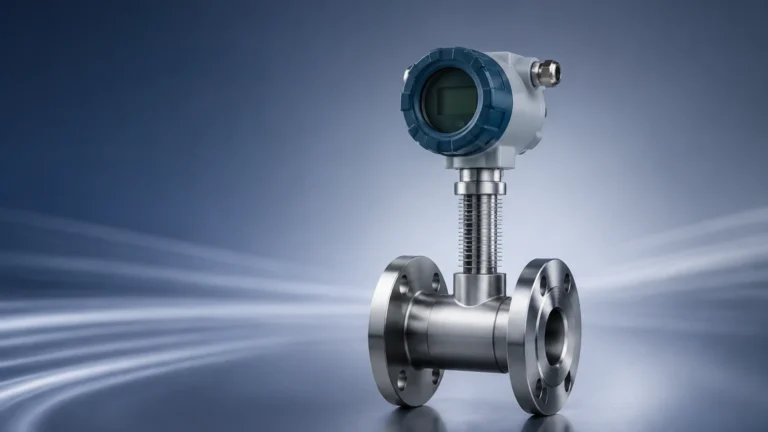
Gauge Level
Gauge Level
In industrial process control, the term "gauge level" refers to the visual or physical indication of the liquid height within a tank or pressure vessel. While modern industrial facilities increasingly rely on digital transmitters and automated control systems, the mechanical level gauge remains a critical component for local monitoring, safety redundancy, and calibration verification. This guide explores the principles of gauge level measurement, the various technologies available, and the engineering criteria required for selecting the appropriate instrument for specific applications.
Principles of Gauge Level Measurement
Before selecting a specific instrument, it is essential to understand the underlying physical principles that govern how a gauge level is determined. Most industrial level gauges operate on one of two primary principles: the law of communicating vessels or the principle of buoyancy.
The Law of Communicating Vessels
This principle states that in a set of interconnected containers, the liquid level remains the same across all containers, provided the density and pressure remain constant. In practice, a bypass chamber or a glass tube is mounted to the side of a tank. Because the chamber is connected to the tank at both the top and bottom, the liquid level in the gauge reflects the exact level in the main vessel. This is the foundation for traditional glass level gauges and magnetic level gauges.
The Principle of Buoyancy (Archimedes' Principle)
Magnetic level gauges utilize a float containing a permanent magnet assembly. As the liquid level in the bypass chamber rises or falls, the float moves accordingly. This magnetic field then interacts with an external indicator (such as magnetic flaps or a follower) to provide a visual representation of the level. This method isolates the process fluid from the viewing area, enhancing safety in high-pressure or toxic environments.
Types of Level Gauges and Their Applications
Choosing the right technology depends on the chemical compatibility of the fluid, the operating pressure, and the required visibility distance. For a comprehensive overview of available technologies, engineers often consult the Main Page of instrumentation providers to compare specifications.
1. Magnetic Level Gauges
Magnetic level gauges are the preferred choice for modern industrial applications involving hazardous, flammable, or high-pressure liquids. They consist of a non-magnetic bypass chamber, a float, and an external indicator rail.
* Advantages: No glass in contact with the process, high pressure/temperature capabilities, and the ability to add switches or transmitters for remote monitoring.
* Best For: Oil and gas, chemical processing, and high-pressure steam boilers.
2. Reflex Glass Gauges
Reflex gauges use a prism-shaped glass to indicate the liquid level. The light entering the gauge is reflected by the prisms in the vapor space (appearing bright/silvery) and absorbed by the liquid (appearing dark/black). This creates a sharp, high-contrast line at the liquid-vapor interface.
* Advantages: Clear visibility of the level even from a distance.
* Limitations: Not suitable for viewing the color or clarity of the liquid; cannot be used for interface measurement between two liquids.
3. Transparent Glass Gauges
Transparent gauges feature two parallel pieces of flat glass with the process fluid between them. This allows the operator to see through the fluid, making it possible to observe the color, turbidity, or the interface between two different liquids.
* Advantages: Ideal for interface detection and observing fluid quality.
* Limitations: Lower pressure ratings compared to reflex or magnetic types; requires backlighting for clear visibility in dark environments.
Selection Criteria for Gauge Level Instruments
When specifying a gauge level system, engineers must evaluate several technical parameters to ensure long-term reliability and safety. The following table provides a comparison of common selection factors.
| Feature | Magnetic Level Gauge | Reflex Glass Gauge | Transparent Glass Gauge |
| :— | :— | :— | :— |
| Pressure Range | Up to 400 bar (5800 psi) | Up to 250 bar (3625 psi) | Up to 120 bar (1740 psi) |
| Temperature Range | -196°C to 450°C | -30°C to 400°C | -30°C to 400°C |
| Fluid Visibility | Indirect (Indicator) | High Contrast | Direct (See-through) |
| Interface Detection | Yes (Specific Float) | No | Yes |
| Hazardous Fluids | Excellent (Sealed) | Moderate | Moderate |
| Maintenance | Low | High (Glass cleaning) | High (Gasket checks) |
Fluid Properties
The density (specific gravity) of the fluid is the most critical factor for magnetic gauges, as the float must be engineered to sit precisely at the liquid surface. For glass gauges, the chemical aggressiveness of the fluid determines whether specialized glass (such as Borosilicate) or protective mica shields are required.
Operating Environment
External factors such as ambient temperature, wind, and corrosive atmospheres influence the choice of materials. In cryogenic applications, anti-frost blocks are necessary to prevent ice buildup from obscuring the gauge level. In high-temperature applications, insulation jackets are used to maintain process temperature and protect personnel.
Installation and Maintenance Considerations
Proper installation is vital for the accuracy and safety of gauge level indicators. Failure to follow engineering best practices can lead to mechanical stress on the vessel or inaccurate readings.
Mounting and Alignment
Level gauges are typically mounted via flanges (e.g., DN25 or 1-inch ANSI) or NPT threaded connections. It is imperative that the bypass chamber is mounted perfectly vertical. Even a slight tilt can cause the float in a magnetic gauge to stick against the chamber walls, leading to false level readings.
Venting and Draining
Every gauge installation should include a vent valve at the top and a drain valve at the bottom. These allow for safe commissioning, decommissioning, and cleaning. During startup, the valves should be opened slowly to prevent "pressure shocks" that can damage the glass or the internal float.
Insulation and Heat Tracing
For fluids that solidify or become highly viscous at ambient temperatures (such as heavy oils or waxes), the gauge level chamber should be equipped with steam or electric heat tracing. This ensures the fluid inside the gauge remains at the same temperature and viscosity as the fluid in the main tank.

Limitations and Risks
While robust, gauge level instruments have specific limitations that must be managed:
* Coating and Buildup: In magnetic gauges, if the process fluid is prone to scaling or crystallization, solids can accumulate inside the chamber and impede float movement. Regular flushing via the drain valve is required.
* Pressure Limitations: Glass gauges are susceptible to thermal shock and mechanical impact. In high-pressure steam applications, the glass can gradually erode (glass thinning), requiring periodic replacement of the glass and gaskets.
* Visibility Issues: In transparent gauges, dark or opaque liquids can make it difficult to see the meniscus without high-intensity backlighting.
Frequently Asked Questions (FAQ)
Q: How often should a magnetic level gauge float be inspected?
A: In clean service, floats can last for years without maintenance. However, in corrosive or scaling services, a bi-annual inspection of the float for integrity and buildup is recommended.
Q: Can a gauge level indicator be used for remote control?
A: Yes. Magnetic level gauges can be fitted with reed switches for point-level alarms or a magnetostrictive transmitter for continuous 4-20mA or HART output to a PLC/DCS. This provides both local visual confirmation and remote monitoring.
Q: What is the difference between a reflex and a transparent glass gauge?
A: A reflex gauge uses light refraction to create a high-contrast black/silver display, which is easier to read for single liquids. A transparent gauge uses two clear glasses to allow light to pass through, which is necessary for seeing the color of the liquid or the line where two different liquids meet.
Q: Why is specific gravity important for magnetic gauges?
A: The float is designed to displace a specific weight of liquid. If the actual fluid density is lower than the design density, the float will sink. If it is significantly higher, the float will sit too high, leading to an offset in the gauge level reading.
Conclusion
Selecting the correct gauge level technology is a balance between safety requirements, process conditions, and budget. While glass gauges offer a direct view of the process, magnetic level gauges provide a safer, more versatile solution for modern industrial environments. By understanding the measurement principles and following rigorous installation standards, facilities can ensure reliable level monitoring for their most critical assets. For detailed technical specifications and to explore various level measurement solutions, professionals can visit the Main Page of Welk's product catalog to find the right fit for their specific industrial application.