Green Hydrogen Systems
Green Hydrogen Systems
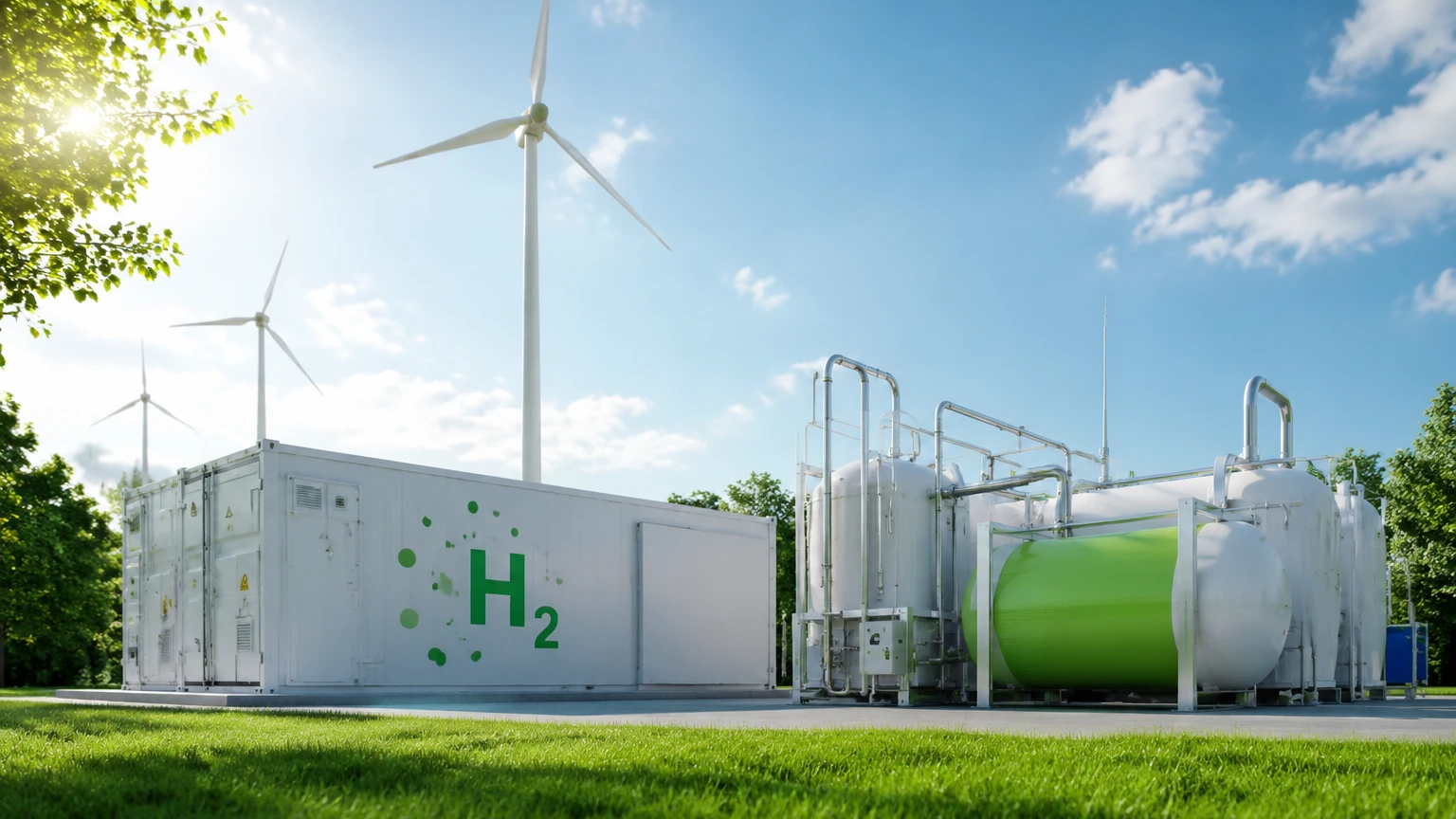
The global transition toward decarbonization has positioned green hydrogen systems as a cornerstone of future energy infrastructure. Unlike traditional hydrogen production, which relies on steam methane reforming (SMR) of natural gas, green hydrogen is produced through the electrolysis of water using renewable energy sources such as wind or solar power. For engineers and plant operators, managing these systems requires a sophisticated understanding of fluid dynamics, gas-liquid separation, and high-precision instrumentation.
In green hydrogen systems, level measurement is critical for maintaining the efficiency of electrolyzer stacks, ensuring the safety of gas-liquid separators, and managing storage tanks. Precise control of water levels and electrolyte concentrations prevents equipment damage and optimizes the electrochemical reaction. This guide explores the technical requirements for level instrumentation within these advanced energy systems.
Understanding the Infrastructure of Green Hydrogen Systems
A typical green hydrogen facility consists of several key components where level monitoring is essential. The heart of the system is the electrolyzer, which may be an Alkaline Electrolyzer (AEM), a Proton Exchange Membrane (PEM) electrolyzer, or a Solid Oxide Electrolyzer (SOEC).
In these systems, ultrapure water or an electrolyte solution (such as KOH) is fed into the cells. As the water splits into hydrogen and oxygen, the resulting gas-liquid mixtures must be separated. This occurs in separation tanks where level sensors ensure that the liquid level remains within a narrow operating window. If the level is too high, liquid can carry over into the gas processing stream; if it is too low, gas can enter the liquid pumps, causing cavitation and system failure.
Beyond the electrolyzer, green hydrogen systems include water treatment units, buffer tanks, and high-pressure or cryogenic storage vessels. Each of these stages demands specific measurement technologies capable of handling varying pressures, temperatures, and chemical compositions.
Level Measurement Principles for Hydrogen Applications
To select the correct instrumentation for green hydrogen systems, it is necessary to understand the underlying physical principles of measurement. Each technology offers distinct advantages depending on the process stage.
Radar Level Measurement (Time-of-Flight)
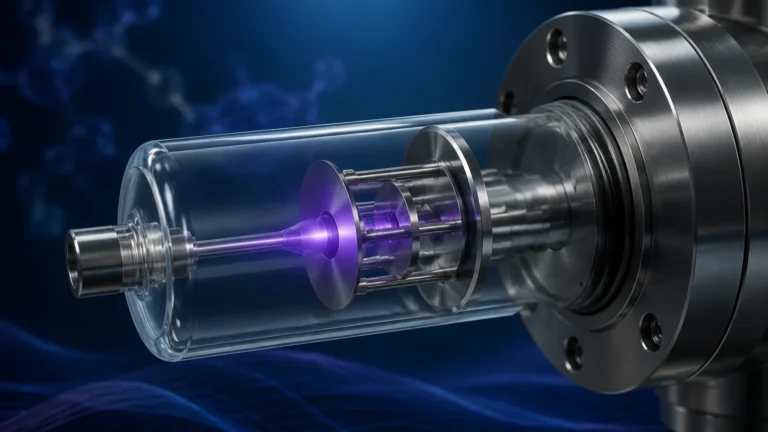
Radar level meters operate on the principle of electromagnetic wave reflection. The sensor emits a high-frequency signal (typically 26GHz or 80GHz) that travels to the surface of the medium and reflects back. The distance is calculated based on the time-of-flight.
In green hydrogen systems, non-contact radar is often preferred for storage tanks because it is unaffected by the density or pressure of the hydrogen gas above the liquid. For separation tanks where foam might be present, guided wave radar (GWR) is frequently used, as the probe guides the signal directly to the liquid surface, providing a more stable reading in turbulent conditions.
Hydrostatic Pressure Measurement
Hydrostatic level transmitters measure the pressure exerted by a liquid column at the bottom of a vessel. The relationship is defined by the formula:
*P = ρ × g × h*
(Where P is pressure, ρ is density, g is gravity, and h is height).
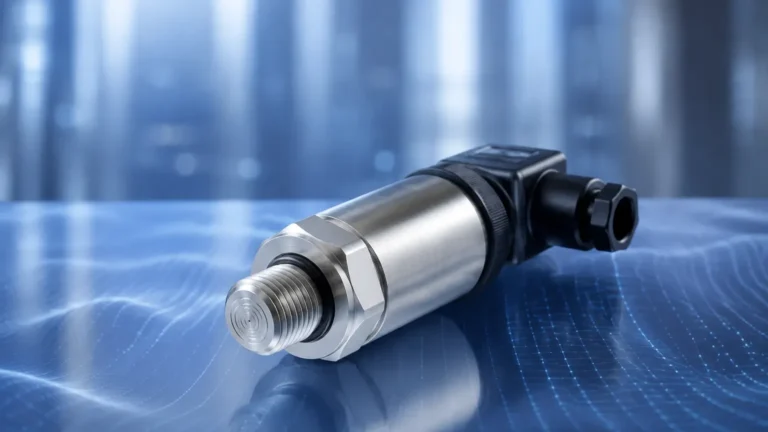
This method is highly effective for water feed tanks and electrolyte storage. However, in pressurized electrolyzer systems, a differential pressure (DP) transmitter is required to compensate for the high head pressure of the hydrogen gas. By measuring the pressure at both the bottom and the top of the tank, the system can isolate the liquid level accurately.
Magnetic Level Gauges
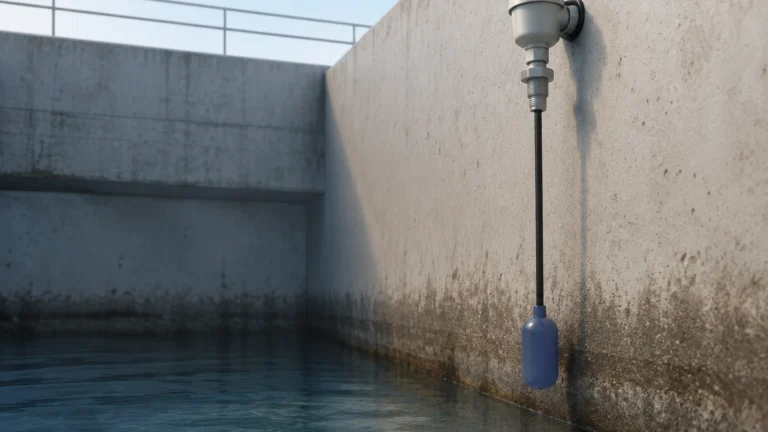
Magnetic level gauges utilize a float containing a permanent magnet. As the liquid level rises or falls, the float moves within a bypass chamber, actuating a series of magnetic flags or a continuous transmitter mounted outside the chamber. This provides both a local visual indication and a remote signal. This technology is robust and ideal for high-pressure hydrogen separators where a clear visual reference is required for safety protocols.
Ultrasonic Level Sensors
Ultrasonic sensors function similarly to radar but use sound waves instead of electromagnetic waves. While cost-effective for atmospheric water tanks, they are generally not recommended for high-pressure hydrogen environments because the speed of sound varies significantly with gas composition and pressure, leading to measurement errors.
Technical Selection Criteria for Hydrogen Level Sensors
Selecting the right instrument involves evaluating the specific conditions of the green hydrogen system. The following table provides a comparison of common technologies used in these applications.
| Technology | Application | Pressure Range | Accuracy | Advantages |
| :— | :— | :— | :— | :— |
| 80GHz Radar | Storage & Buffer Tanks | Up to 100 bar | ±1 mm | Non-contact, high precision, handles vapors. |
| Guided Wave Radar | Separator Vessels | Up to 400 bar | ±2 mm | Reliable in turbulence and low dielectric media. |
| Hydrostatic (DP) | Electrolyzer Feed | High Pressure | ±0.1% FS | Proven technology, easy to calibrate. |
| Magnetic Gauge | High-Pressure Separators | Up to 250 bar | ±5 mm | Visual backup, no power required for local display. |
| Level Switches | Overfill Protection | N/A | Point Detection | Essential for redundant safety interlocking. |
When evaluating hardware, engineers should Review product options and application support to ensure the selected device meets the specific chemical and pressure requirements of the project.
Installation Guidelines and Material Compatibility
Green hydrogen systems present unique challenges regarding material integrity and installation. Hydrogen is the smallest molecule and can permeate many materials, leading to "hydrogen embrittlement" in certain metals.
Material Selection
For all wetted parts, Stainless Steel 316L is typically the minimum requirement. In alkaline electrolyzers, where potassium hydroxide (KOH) is used, materials must also be resistant to caustic corrosion. For high-pressure hydrogen storage, specialized alloys or hydrogen-certified coatings may be necessary for the diaphragms of pressure transmitters.
Sealing and Process Connections
Given the leak-prone nature of hydrogen, process connections should favor welded joints or high-integrity compression fittings over standard NPT threads. Flanged connections should use gaskets specifically rated for hydrogen service. For level instruments installed in bypass chambers, ensuring the verticality of the chamber is critical for the free movement of magnetic floats.
Hazardous Area Certification
Hydrogen is highly flammable with a wide explosive range (4% to 75% in air). All electronic level instruments used in green hydrogen systems must carry ATEX, IECEx, or equivalent hazardous area certifications. This usually involves "Ex d" (explosion-proof) or "Ex i" (intrinsically safe) protection methods.
Operational Limitations and Safety Protocols
While modern level measurement technologies are highly reliable, green hydrogen systems impose specific limitations that must be managed:
1. Gas Bubbles in Electrolytes: In the electrolyzer stack, the liquid is often filled with gas bubbles (hydrogen or oxygen). This can change the effective density of the fluid, which affects hydrostatic pressure measurements. In such cases, radar or magnetic gauges are often more reliable as they detect the actual liquid surface.
2. Dielectric Constants: Radar measurement relies on the dielectric constant (εr) of the medium. Pure water has a high dielectric constant (~80), making it easy to detect. However, if the system involves non-conductive fluids or high-pressure gas phases that change the dielectric properties of the space above the liquid, the radar signal must be tuned accordingly.
3. Redundancy: Safety standards for hydrogen production often require SIL 2 or SIL 3 (Safety Integrity Level) ratings. This is achieved by using redundant level sensors—for example, combining a continuous radar transmitter with a high-level vibrating fork switch for independent overfill protection.
Frequently Asked Questions
Q: Can ultrasonic sensors be used in hydrogen separator tanks?
A: It is generally not recommended. Hydrogen gas has a significantly different acoustic impedance and sound velocity compared to air. Furthermore, the high pressures in separators make ultrasonic measurement highly inaccurate.
Q: How does temperature affect level measurement in green hydrogen systems?
A: In cryogenic liquid hydrogen storage (-253°C), standard sensors will fail. Specialized cryogenic level probes, such as capacitance-based sensors or differential pressure transmitters with extended capillary tubes, are required. For standard electrolysis (typically 60°C to 90°C), most industrial radar and hydrostatic sensors perform well.
Q: Why is 80GHz radar preferred over 26GHz radar?
A: 80GHz radar has a narrower beam angle, which allows it to avoid internal obstructions like heating coils or agitators commonly found in process tanks. It also provides better resolution, which is essential when measuring small liquid volumes in compact green hydrogen systems.
Q: What maintenance is required for magnetic level gauges?
A: Maintenance is minimal, but the bypass chamber should be flushed periodically to prevent the buildup of particulates or scale from the electrolyte, which could cause the float to stick.
Conclusion
The successful operation of green hydrogen systems depends on the integration of precise, reliable, and safe level measurement technologies. From monitoring the water feed in PEM electrolyzers to managing high-pressure separator vessels, the choice of instrumentation impacts both system efficiency and safety. By understanding the measurement principles of radar, hydrostatic, and magnetic systems, and by adhering to strict material compatibility standards, engineers can build robust hydrogen infrastructures. For those seeking specific hardware configurations or technical consultation, the Main Page offers a comprehensive overview of industrial level measurement solutions tailored for the evolving energy sector.