Heat Monitoring Devices
Heat Monitoring Devices
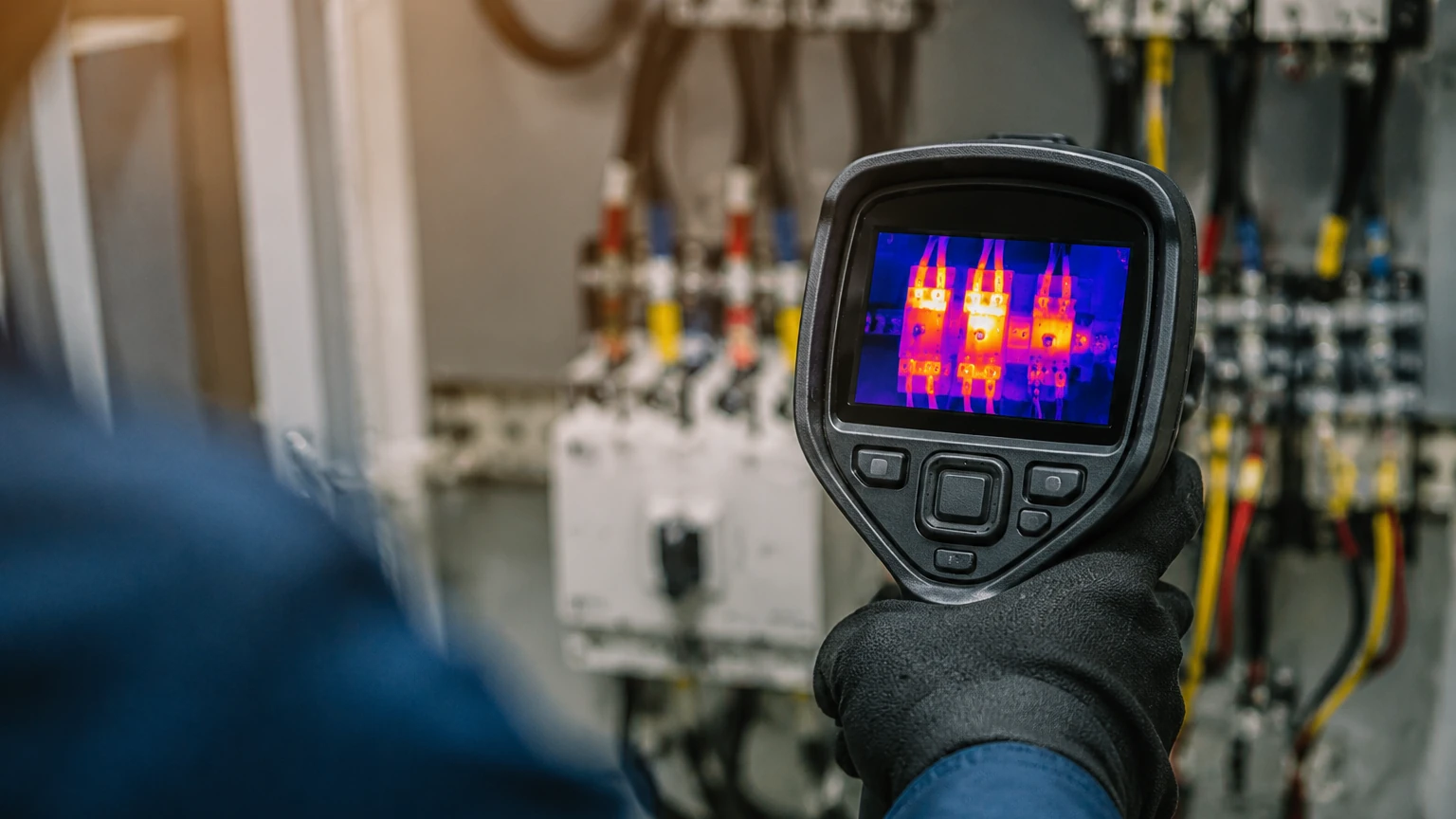
In industrial process control, the term "heat monitoring devices" encompasses a broad range of instruments designed to track, manage, and compensate for thermal variations within a system. While often associated with simple temperature measurement, heat monitoring is a critical component of accurate level measurement. Temperature fluctuations directly impact the physical properties of both the media being measured and the environment through which signals travel. For engineers and plant operators, understanding how thermal dynamics affect instrumentation is essential for maintaining process safety and data integrity.
Industrial level measurement technologies—such as ultrasonic, radar, hydrostatic, and magnetic gauges—rely on specific physical constants. When heat is introduced or removed from a system, these constants change. Therefore, heat monitoring devices are frequently integrated into level transmitters to provide real-time compensation, ensuring that a change in temperature is not misinterpreted as a change in level.
Measurement Principles and Thermal Compensation
To select the correct instrumentation, it is necessary to understand the underlying physics of how heat interacts with different measurement principles. Heat monitoring devices serve different roles depending on whether the level measurement is non-contact or contact-based.
Ultrasonic Level Measurement and the Speed of Sound
Ultrasonic sensors calculate level by measuring the time-of-flight of a sound pulse. However, the speed of sound in air (or any gas) is highly dependent on temperature. At 0°C, sound travels at approximately 331.5 m/s. As the temperature rises, the air molecules move faster, and the speed of sound increases by roughly 0.6 m/s per degree Celsius.
Without integrated heat monitoring devices, an ultrasonic transmitter would report a lower level as the temperature rises, even if the actual liquid height remained constant. Most modern ultrasonic sensors include a built-in thermistor to monitor the air temperature near the transducer, allowing the internal processor to adjust the distance calculation dynamically.
Hydrostatic Pressure and Density Shifts
Hydrostatic level transmitters measure the pressure exerted by a liquid column. The formula $P = \rho gh$ (Pressure = density × gravity × height) assumes a constant density ($\rho$). However, almost all liquids expand when heated, leading to a decrease in density. If a tank of oil is heated from 20°C to 80°C, the volume increases (level rises), but the pressure at the bottom remains largely the same because the mass hasn't changed.
In applications where mass or volume must be calculated precisely, heat monitoring devices are used to measure the liquid temperature, allowing the control system to apply density correction factors. This is particularly vital in the oil and gas and chemical industries where thermal expansion can lead to significant inventory errors.
Thermal Dispersion Principles
Some heat monitoring devices are themselves the primary level measurement tool. Thermal dispersion level switches utilize two temperature sensors (usually RTDs) located within a single probe. One sensor is heated to a constant temperature above the process media, while the other acts as a reference.
When the probe is in air or gas, heat dissipates slowly, creating a large temperature differential between the two sensors. When the liquid level rises and submerges the probe, the higher thermal conductivity of the liquid carries heat away much faster, narrowing the temperature gap. This change triggers the switch. This method is highly reliable for detecting the presence or absence of flow or level in harsh environments.
Practical Selection Criteria
Choosing the right combination of level measurement and heat monitoring devices requires an analysis of the process environment. The following table provides a comparison of how different technologies interact with heat and where specific monitoring is required.
| Technology | Sensitivity to Heat | Role of Heat Monitoring | Typical Application |
| :— | :— | :— | :— |
| Ultrasonic | High | Compensates for speed of sound changes. | Water treatment, open channels. |
| Radar (GWR/Non-contact) | Low | Monitors electronics temperature for longevity. | Chemical tanks, high-temp reactors. |
| Hydrostatic | Medium | Corrects for liquid density changes. | Deep wells, fuel storage. |
| Magnetic Level Gauge | Low | Ensures fluid remains within viscosity limits. | Steam boilers, oil separators. |
| Thermal Dispersion | Critical | Primary measurement mechanism. | Pump protection, leak detection. |
When evaluating Main Page options, engineers should confirm whether the heat monitoring is internal (built into the sensor) or requires an external input from a secondary RTD or thermocouple. For high-precision applications, such as custody transfer, external heat monitoring at multiple points in the tank is often preferred to account for thermal stratification.
Installation Considerations and Thermal Management
The physical installation of heat monitoring devices and level sensors is just as important as the technology itself. Improper mounting can lead to "heat soaking," where the sensor electronics are exposed to temperatures exceeding their rated limits, leading to premature failure or drift.
Standoffs and Heat Sinks
In high-temperature applications (e.g., molten salts or high-pressure steam), level sensors should be mounted using standoffs or extended necks. These components act as heat sinks, allowing the process heat to dissipate into the ambient air before it reaches the sensor head. For radar level meters, using a flange with a cooling fin assembly can extend the operating range of the device significantly.
Insulation and Heat Tracing
In some processes, the challenge is not too much heat, but too little. If a liquid's viscosity increases significantly as it cools (like bitumen or heavy fuel oil), it may become too thick for a magnetic level gauge or a displacement sensor to function. In these cases, heat monitoring devices are used to control heat tracing cables or steam jackets around the measurement chamber. The goal is to maintain a stable temperature to ensure the media remains in a measurable state.
Sun Shields
For outdoor installations, solar radiation can cause the internal temperature of a transmitter to spike far above the actual ambient air temperature. Installing a sun shield is a simple but effective way to protect the heat monitoring devices within the transmitter from false readings and thermal stress.
Limitations and Environmental Factors
While heat monitoring devices improve accuracy, they are not without limitations. Engineers must be aware of the following factors that can compromise thermal data:
1. Thermal Lag: All sensors have a response time. If a process undergoes rapid thermal cycling, the heat monitoring device may not react fast enough to provide accurate compensation in real-time. This is common in batch reactors where steam is injected suddenly.
2. Stratification: In large storage tanks, the temperature at the bottom may be significantly different from the temperature at the top. A single point of heat monitoring near the sensor may not represent the average temperature of the entire liquid column, leading to density correction errors.
3. Sensor Drift: Like all electronic components, RTDs and thermistors can drift over time, especially when exposed to extreme temperatures. Regular calibration is necessary to ensure the compensation algorithms remain valid.
4. Material Compatibility: The protective sheaths of heat monitoring devices must be compatible with the process media. In corrosive chemical environments, specialized coatings like PTFE or high-nickel alloys (Hastelloy) are required to prevent sensor failure.
Frequently Asked Questions (FAQ)
Q: Can I use an ultrasonic level meter in a vacuum if I have heat monitoring?
No. Ultrasonic signals require a medium (gas) to travel. In a vacuum, there is no air to carry the sound wave, regardless of the temperature. For vacuum applications, radar or hydrostatic sensors are preferred.
Q: How does heat affect the accuracy of a radar level meter?
Radar (microwave) signals are largely unaffected by the temperature of the gas through which they travel. However, heat can affect the dielectric constant of the liquid being measured and the physical integrity of the sensor's electronics. Heat monitoring in radar is primarily used for self-diagnostics and to protect the internal circuitry.
Q: What is the difference between an RTD and a Thermocouple in heat monitoring?
RTDs (Resistance Temperature Detectors) are generally more accurate and stable over time, making them ideal for the precision required in level compensation. Thermocouples are more rugged and can measure much higher temperatures, but they are more prone to drift and have lower accuracy.
Q: Does the color of the tank affect heat monitoring?
Indirectly, yes. Dark-colored tanks absorb more solar radiation, which can lead to higher internal temperatures and more significant thermal expansion of the liquid. If using non-contact sensors, this increased heat must be accounted for via integrated monitoring.
Conclusion and Engineering Recommendations
Effective heat monitoring is a prerequisite for reliable industrial level measurement. Whether the goal is to compensate for the speed of sound in an ultrasonic application or to correct for density shifts in a hydrostatic system, the integration of thermal data is what separates a basic measurement from a high-precision process control solution.
When designing a system, always prioritize sensors with integrated temperature compensation for standard applications. For complex, high-temperature, or high-accuracy requirements, consider a multi-point heat monitoring strategy. By understanding the thermal characteristics of both the media and the measurement technology, engineers can select the most robust and cost-effective solution for their specific industrial needs. For further technical specifications and product selection, consult the resources available on the Main Page to ensure all environmental and process variables are addressed.