High-stability Raman Systems
High-stability Raman Systems
In the landscape of industrial process control, the demand for real-time, non-destructive analytical techniques has led to the widespread adoption of Raman spectroscopy. While traditionally a laboratory tool, the transition of this technology to the factory floor requires a significant emphasis on hardware robustness. High-stability Raman systems are now essential for industries ranging from pharmaceutical manufacturing to petrochemical refining, where they work alongside traditional instrumentation like level meters to provide a comprehensive view of process health.
Stability in a Raman system refers to the instrument's ability to maintain consistent wavelength calibration, signal intensity, and signal-to-noise ratios over extended periods and under varying environmental conditions. For B2B stakeholders, understanding the engineering behind these systems is critical for ensuring long-term ROI and process safety.
Understanding the Principles of Raman Spectroscopy
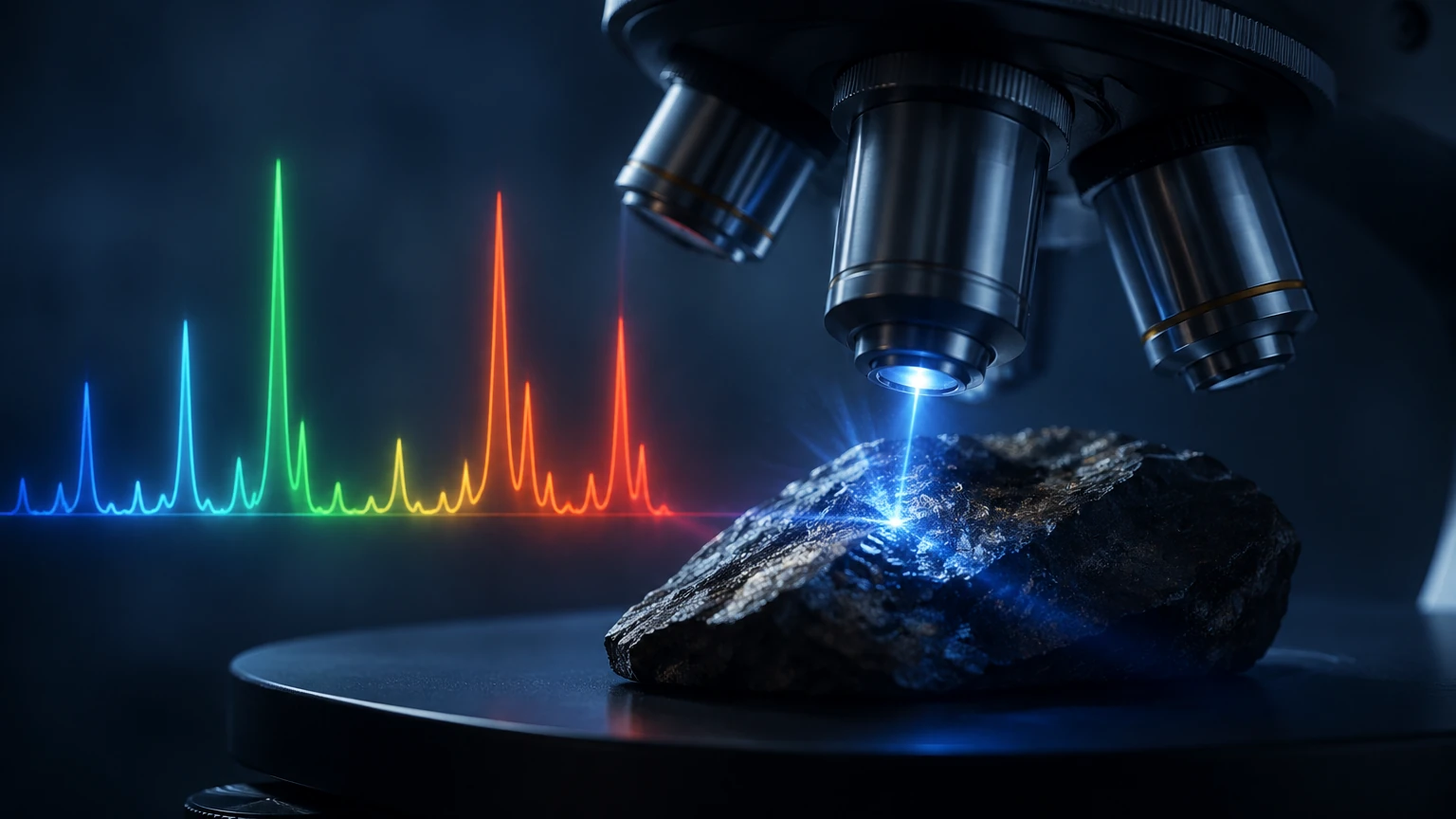
Raman spectroscopy is based on the inelastic scattering of monochromatic light, typically from a laser source. When light interacts with molecular vibrations, phonons, or other excitations in a system, the energy of the laser photons is shifted up or down. This shift, known as the Raman shift, provides a structural fingerprint by which molecules can be identified and quantified.
In an industrial setting, the Raman signal is inherently weak—only about one in every ten million photons undergoes Raman scattering. This weakness makes the system highly susceptible to noise and drift. High-stability Raman systems address this by utilizing advanced optical designs and thermal management to ensure that the detected signal remains representative of the chemical composition, rather than reflecting fluctuations in the instrument's own components.
The Importance of Spectral Stability
Spectral stability involves two primary factors: wavelength stability and intensity stability.
1. Wavelength Stability: If the laser frequency drifts, the entire Raman spectrum shifts. In high-resolution applications, a drift of even 0.05 nm can lead to significant errors in chemical identification or concentration calculations.
2. Intensity Stability: Fluctuations in laser power or detector sensitivity can be mistaken for changes in sample concentration. High-stability systems employ internal reference standards and power monitoring to normalize these variations.
Key Components of High-stability Raman Systems
To achieve the reliability required for 24/7 industrial operations, high-stability Raman systems incorporate several specialized components designed to withstand vibration, temperature swings, and electromagnetic interference.
Stabilized Laser Sources
The laser is the heart of the system. High-stability systems often use Narrow-Linewidth Diode Lasers or Diode-Pumped Solid-State (DPSS) lasers. These lasers are equipped with Volume Bragg Gratings (VBGs) to lock the wavelength and Thermoelectric Coolers (TEC) to maintain a constant operating temperature. A stable laser ensures that the excitation energy remains constant, which is the baseline for all subsequent measurements.
High-Performance Spectrometers
The spectrometer must be mechanically rigid. In industrial high-stability Raman systems, the optical bench is often milled from a single block of aluminum or specialized alloys with low thermal expansion coefficients. This prevents the optical components—mirrors, gratings, and lenses—from shifting due to ambient temperature changes. Many systems are also hermetically sealed or purged with dry nitrogen to prevent humidity from affecting the sensitive optics.
Cooling Systems for Detectors
Charge-Coupled Device (CCD) or Indium Gallium Arsenide (InGaAs) detectors are used to capture the scattered light. These detectors generate "dark noise"—thermal electrons that can obscure the weak Raman signal. High-stability systems utilize deep cooling (often to -60°C or lower) via multi-stage Peltier elements to minimize this noise, ensuring a high signal-to-noise ratio (SNR) even during long exposure times.
Selection Criteria for Industrial Raman Instrumentation
When selecting high-stability Raman systems for integration into a process line, engineers must evaluate the instrument based on its intended environment and the specific chemical species being monitored. The following table provides a comparison of common system configurations found in industrial applications.
| Feature | Portable/Handheld Systems | Integrated Process Systems | High-Resolution Lab-to-Process |
| :— | :— | :— | :— |
| Stability Level | Moderate (Internal compensation) | High (Active thermal control) | Ultra-High (Fixed optics, TEC) |
| Laser Wavelength | 785 nm or 1064 nm | Fixed (785, 830, or 532 nm) | Multiple options available |
| Environment | Field/Warehouse | Plant Floor/Hazardous Areas | Controlled Process Room |
| Data Integration | WiFi/Bluetooth | Modbus, OPC UA, 4-20mA | Ethernet/Software Suite |
| Primary Use Case | Raw material ID | Real-time reaction monitoring | Complex mixture analysis |
For many facilities, the choice of a Raman system is dictated by the need for integration with existing automation. For instance, when monitoring a chemical reactor, the Raman system provides composition data while a radar level meter from a provider like Welk ensures the volume is correctly managed. You can Review product options and application support on our Main Page to see how level measurement instruments complement analytical systems in a total process control strategy.
Installation Considerations and Environmental Protection
The performance of high-stability Raman systems is heavily dependent on proper installation. Unlike standard pressure or level sensors, Raman probes are optical instruments that require precise alignment and protection from fouling.
1. Probe Placement: The Raman probe must be in direct contact with the sample or looking through a transparent window (e.g., sapphire). It should be placed in a zone of high turbulence to prevent the buildup of solids on the optical face, which can attenuate the signal.
2. Fiber Optic Cable Management: High-stability systems often use fiber optic cables to connect the probe to the spectrometer. These cables must be protected by armored conduits. Sharp bends should be avoided, as they can cause signal loss and affect the polarization of the light, leading to instability in the readings.
3. Vibration Isolation: In plants with heavy machinery, the spectrometer should be mounted on vibration-dampening pads. Even microscopic movements in the grating or mirrors can cause spectral blurring.
4. Temperature Control: While the internal components are stabilized, the external enclosure should be rated for the ambient conditions. In outdoor installations, sunshades or air-conditioned cabinets may be necessary to keep the base temperature within the operating range of the internal TECs.
Limitations and Mitigation Strategies
Despite their advanced engineering, high-stability Raman systems face certain physical limitations that must be addressed during the project planning phase.
* Fluorescence Interference: Some chemicals fluoresce strongly when excited by a laser, producing a broad background signal that can drown out the Raman peaks. This is often mitigated by using a longer wavelength laser (e.g., 1064 nm), although this reduces the overall Raman signal strength.
* Sample Transparency: Raman is most effective in transparent or semi-transparent liquids and solids. In highly opaque slurries, the laser penetration depth is limited. In such cases, high-stability systems must be calibrated for "surface" measurements, or backscattering geometries must be optimized.
* Cost of Ownership: The initial investment for a high-stability system is higher than for traditional sensors. However, the reduction in manual sampling and the ability to prevent off-spec batches typically result in a rapid payback period.
Integrating Raman Systems with Level Measurement
In modern industrial automation, data silos are being replaced by integrated sensor networks. High-stability Raman systems provide the "what" (composition), while level meters provide the "how much" (inventory).
For example, in a blending tank, a Raman probe monitors the concentration of active ingredients. Simultaneously, a high-accuracy ultrasonic or radar level transmitter monitors the total volume. By combining these two data points, the control system can calculate the absolute mass of each component in real-time. This level of precision is only possible when both the analytical and the physical sensors are highly stable and correctly calibrated.
When designing such a system, it is advisable to consult the Main Page of a specialized instrument manufacturer to ensure that the communication protocols (such as HART or Profibus) are compatible across all devices. This ensures that the high-stability data from the Raman system can be seamlessly correlated with the level and pressure data from the rest of the plant.
Frequently Asked Questions (FAQ)
Q: How often do high-stability Raman systems need recalibration?
A: Thanks to internal reference standards (like neon lamps or internal silicon wafers), many modern systems perform automated "self-checks" every few hours. Formal factory-traceable recalibration is typically only required once a year, depending on the industry's regulatory requirements.
Q: Can these systems be used in explosive environments?
A: Yes. High-stability Raman systems can be designed with ATEX or IECEx certified enclosures. Furthermore, because the spectrometer can be located hundreds of meters away from the probe via fiber optics, the electronic components can often be placed in a safe zone, with only the passive optical probe entering the hazardous area.
Q: What is the typical lifespan of the laser in these systems?
A: Industrial-grade diode lasers used in high-stability systems usually have a lifespan of 10,000 to 20,000 hours of continuous operation. Most systems include software that monitors laser health and provides alerts before the end-of-life is reached.
Q: Do Raman systems replace the need for level meters?
A: No. They serve different purposes. Raman systems measure chemical properties, whereas level meters measure physical presence and volume. They are complementary technologies used together for comprehensive process control.
By focusing on the technical requirements of stability—from laser cooling to rigid optical benches—industrial operators can leverage Raman spectroscopy as a reliable tool for enhancing product quality and operational efficiency. When paired with robust level measurement solutions, these systems form the backbone of a modern, data-driven manufacturing facility.