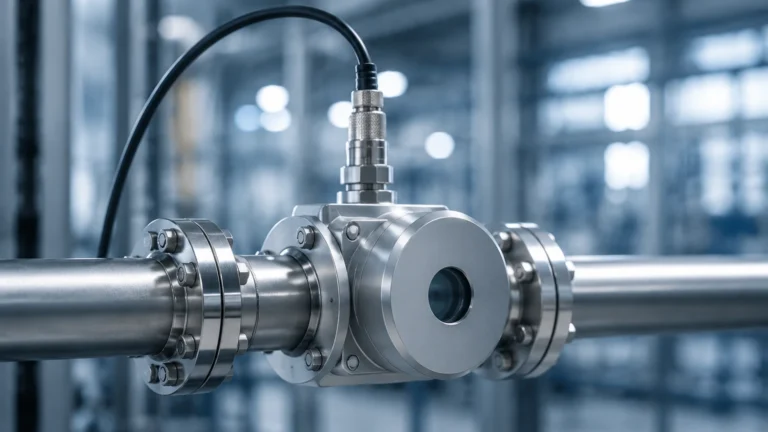
High Temperature Sensors
High Temperature Sensors
In industrial process automation, level measurement becomes significantly more complex as operating temperatures rise. High temperature sensors are not merely standard instruments with better gaskets; they are engineered systems designed to maintain accuracy, structural integrity, and electronic stability under extreme thermal stress. Whether in a petrochemical refinery, a power plant steam drum, or a molten metal processing facility, selecting the right level measurement technology requires a deep understanding of how heat affects both the media and the instrument.
For engineers and procurement specialists, navigating the specifications of high temperature sensors involves balancing the need for precision with the realities of thermal expansion, material degradation, and electronic failure. This guide explores the principles, technologies, and practical considerations for implementing level measurement in high-heat environments.
Understanding High Temperature Level Measurement Principles
Before selecting a specific sensor, it is essential to understand how temperature influences the physical properties of the medium and the measurement signal itself. High temperatures can alter the density, dielectric constant, and vapor pressure of a liquid, all of which impact different measurement technologies.
Thermal Expansion and Density
For buoyancy-based and hydrostatic sensors, temperature is a critical variable. As a liquid heats up, it typically expands, leading to a decrease in density. A hydrostatic pressure sensor measures the weight of the liquid column; if the density drops due to heat, the pressure at the bottom of the tank will decrease even if the actual volume (level) remains the same. High temperature sensors using these principles must incorporate temperature compensation to provide accurate readings.
Dielectric Constant Shifts
In radar and capacitance-based measurement, the dielectric constant ($ε_r$) of the medium is a key factor. While the dielectric constant of most liquids is relatively stable, extreme temperatures can cause shifts, particularly in hydrocarbons. Furthermore, high-temperature environments often involve high pressures and heavy steam or vapor layers, which can attenuate radar signals or change the speed of wave propagation in the gas space.
Mechanical Stress
Materials expand at different rates. In a high temperature sensor, the interface between a metal housing and a ceramic or glass seal is a point of potential failure. Engineering these sensors requires materials with matched coefficients of thermal expansion (CTE) to prevent seal rupture or mechanical binding of moving parts, such as floats in magnetic level gauges.
Key Technologies for High Temperature Sensors
Several technologies have been adapted to handle temperatures ranging from 150°C to over 450°C. Each has specific strengths and limitations depending on the application.
1. Radar Level Meters (Non-Contact)
Non-contact radar is often the preferred choice for extreme temperatures because the sensitive electronics are physically separated from the process media.
* Principle: The sensor emits high-frequency electromagnetic pulses (typically 26GHz or 80GHz). These pulses reflect off the surface of the medium and return to the antenna. The time-of-flight determines the distance.
* High-Temp Adaptation: To handle heat, radar units use specialized antenna designs. Horn antennas may be equipped with ceramic or fused silica windows that act as thermal barriers. Additionally, "standoff" pipes or cooling fins are used to dissipate heat before it reaches the electronic housing.
2. Guided Wave Radar (GWR)
Unlike non-contact radar, GWR uses a physical probe (rod or cable) that extends into the medium.
* Principle: The pulse travels along the probe, reflecting at the point where the dielectric constant changes (the liquid surface).
* High-Temp Adaptation: GWR sensors for high-temperature service utilize robust ceramic-to-metal seals. These seals prevent high-pressure, high-temperature vapors from leaking into the electronics. They are capable of operating in environments up to 450°C and high pressures simultaneously.
3. Magnetic Level Gauges
These are mechanical-based high temperature sensors that provide both local visual indication and remote electronic transmission.
* Principle: A float containing a high-intensity magnet moves inside a bypass chamber. As the float rises and falls, it flips magnetic flags on the outside of the chamber and can trigger a reed chain or magnetostrictive transmitter.
* High-Temp Adaptation: Since the indicator is outside the process fluid, it is naturally protected from heat. However, the float must be engineered to withstand the process temperature without losing its magnetism (staying below the Curie point) and must be weighted correctly for the liquid's reduced density at high heat.
4. Hydrostatic Level Transmitters
Hydrostatic sensors measure level based on the pressure exerted by the liquid column.
* Principle: $P = ρgh$ (Pressure = Density × Gravity × Height).
* High-Temp Adaptation: Standard pressure sensors cannot contact 300°C fluids directly. High temperature versions use diaphragm seals and capillary tubes filled with specialized thermal oils (like silicone or glycerin) to transfer the pressure from the hot process to a remote, cooled transmitter.
Material Selection and Thermal Management
The longevity of high temperature sensors depends heavily on the materials used in the "wetted" parts (those in contact with the process).
1. Stainless Steel (316L/304): The standard for many applications up to 250°C, offering good corrosion resistance and mechanical strength.
2. Hastelloy and Inconel: These superalloys are used when high temperatures are combined with corrosive chemicals, such as in sulfuric acid production or specialized chemical reactors.
3. Ceramics (Alumina/Zirconia): Used for insulation and as pressure-resistant windows for radar antennas. Ceramics can withstand temperatures well exceeding 1000°C, though they are brittle and sensitive to thermal shock.
4. PTFE/PFA: While excellent for corrosion, these fluoropolymers have a temperature limit (usually around 200°C to 250°C). Above these temperatures, they may soften or "creep," leading to seal failure.
Practical Selection Table for High Temperature Level Sensors
| Technology | Max Temperature (Typical) | Max Pressure | Best For | Main Limitation |
| :— | :— | :— | :— | :— |
| Non-Contact Radar | Up to 400°C (with cooling) | Up to 16 MPa | Corrosive liquids, molten metals | Heavy foam or dust |
| Guided Wave Radar | Up to 450°C | Up to 40 MPa | Steam drums, low dielectric liquids | Probe buildup/coating |
| Magnetic Level Gauge| Up to 450°C | Up to 32 MPa | Boilers, oil/water interfaces | Mechanical moving parts |
| Hydrostatic (Seal) | Up to 315°C | Varies by flange | Open tanks, viscous liquids | Density sensitive |
| Ultrasonic | Up to 150°C | Low | Water treatment, cooling towers | Temperature gradients in air |
For more detailed technical specifications and product comparisons, you can visit the Main Page of our industrial instrument catalog.
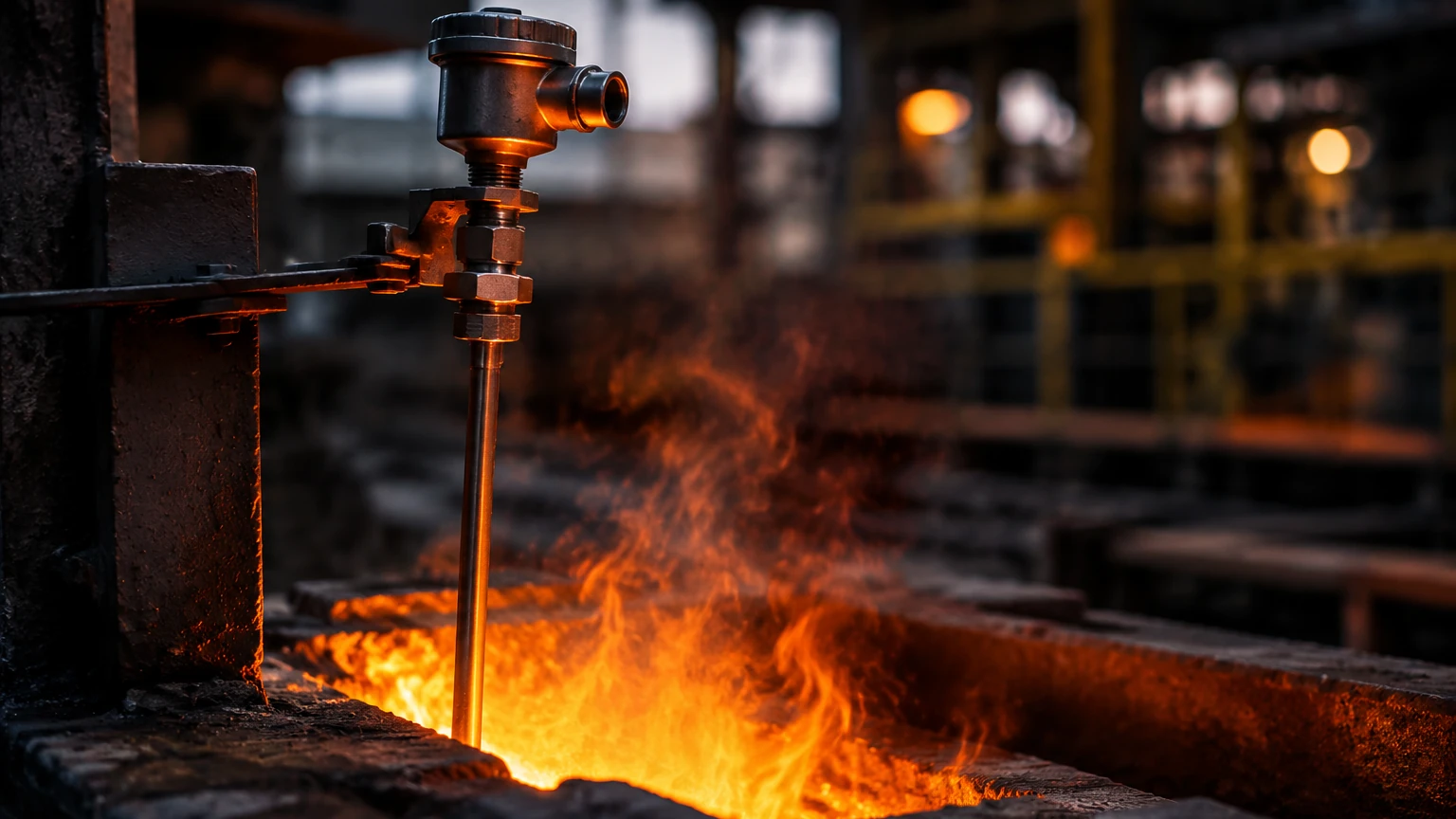
Installation Best Practices and Considerations
Correct installation is as important as selecting the right sensor. In high-temperature applications, heat transfer is the primary enemy of instrument reliability.
Heat Dissipation and Standoffs
One of the most effective ways to protect electronics is the use of a standoff pipe or nozzle. By moving the sensor housing away from the tank wall, you allow for natural convection to cool the neck of the instrument. For temperatures exceeding 250°C, cooling fins are often integrated into the sensor's mounting hardware to increase the surface area for heat radiation.
Insulation Precautions
While tanks are often insulated to conserve energy, the sensor's electronic housing and the area immediately surrounding the cooling fins should never be insulated. Trapping heat near the transmitter will lead to premature electronic failure and signal drift.
Thermal Shock
In batch processes, sensors may be exposed to rapid temperature changes (e.g., cleaning with cold water after a hot process cycle). Ensure that ceramic seals and glass windows are rated for the specific thermal shock profile of your application to prevent cracking.
Expansion Loops and Flexibility
In systems using capillary tubes for hydrostatic measurement, ensure there is enough slack in the capillary to account for the thermal expansion of the tank. A rigid capillary can be snapped or kinked as the vessel grows in size during heat-up.
Limitations and Common Risks in High-Heat Environments
Despite advancements in sensor technology, high-temperature applications carry inherent risks:
* Signal Drift: Electronic components are sensitive to ambient heat. Even with cooling, the internal temperature of a transmitter can rise, leading to small inaccuracies in the signal processing. Regular calibration is recommended.
* Seal Degradation: Over time, the repeated cycling between ambient and high temperatures can cause gaskets and O-rings to lose their elasticity (compression set). High temperature sensors require a more rigorous maintenance and seal-replacement schedule than standard units.
* Condensation and Steam: High temperatures often result in high humidity or steam in the vapor space. This can cause condensation on radar antennas or ultrasonic transducers, which may block the signal. Selecting an instrument with a "dripping" lens or a self-cleaning purge system may be necessary.
* Magnet Strength: In magnetic level gauges, extreme heat can weaken the magnets in the float. It is vital to specify the maximum operating temperature so that the manufacturer can select a magnetic material with a sufficiently high Curie temperature.
Frequently Asked Questions (FAQ)
Q: At what temperature do I need to switch from a standard sensor to a high-temperature version?
A: Generally, if the process temperature exceeds 80°C (176°F), you should check the rating of the electronics. If the process exceeds 150°C (302°F), specialized high temperature sensors with thermal isolation or cooling are almost always required.
Q: Can I use ultrasonic sensors for high-temperature level measurement?
A: Ultrasonic sensors are generally limited to lower temperatures (under 150°C). This is because the speed of sound changes significantly with air temperature and density gradients, which can lead to large measurement errors. Radar is typically a better choice for high-heat vapor spaces.
Q: How do I protect the electronics if the ambient temperature near the tank is also very high?
A: If the ambient air is too hot for natural convection cooling, you may need to use a remote-mounted transmitter. For example, a Guided Wave Radar can be ordered with a remote display connected by a specialized cable, allowing the sensitive electronics to be mounted several meters away in a cooler environment.
Q: What maintenance is required for high-temperature level sensors?
A: Regular inspection of seals and gaskets is critical. For contact-type sensors like GWR or magnetic gauges, check for material buildup or scaling on the probe or float, as high temperatures can accelerate the formation of crusts or deposits from the process media.
Conclusion
Selecting high temperature sensors requires a holistic view of the process environment. It is not enough to simply check a temperature rating on a datasheet; engineers must consider the chemical compatibility of wetted materials, the impact of heat on the medium's physical properties, and the mechanical requirements of the installation. By choosing the appropriate technology—whether it be the non-contact reliability of radar or the robust physical indication of a magnetic gauge—and following strict installation protocols, industrial operators can achieve accurate and safe level measurement in even the most demanding thermal conditions.