Laboratory Ph Probe
Laboratory Ph Probe
In the realm of industrial research, quality control, and process development, the laboratory ph probe stands as one of the most critical analytical instruments. Whether used in water treatment facilities, chemical manufacturing, or pharmaceutical laboratories, the ability to measure the acidity or alkalinity of a solution with precision is fundamental to ensuring product consistency and safety. While industrial level measurement instruments, such as those found on our Main Page, manage the physical volume and containment of liquids, the pH probe provides the chemical insight necessary for comprehensive process control.
This guide examines the technical principles, selection criteria, and maintenance protocols for the laboratory ph probe, providing engineers and laboratory managers with the information required to optimize their analytical workflows.
Understanding the Measurement Principle of Laboratory pH Probes
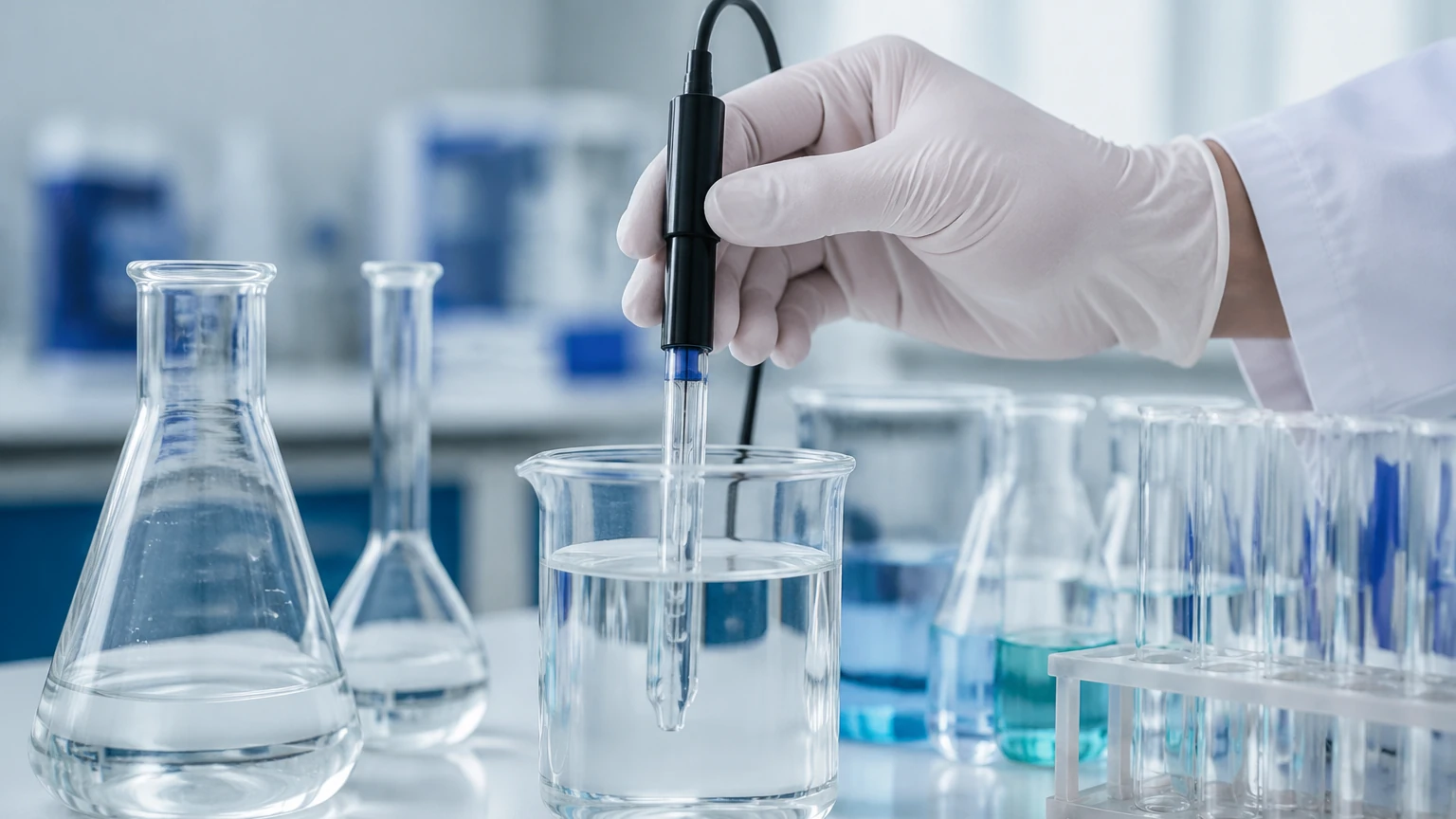
The operation of a laboratory ph probe is based on the principle of potentiometry. Essentially, the probe acts as an electrochemical cell that measures the potential difference between two electrodes: a sensing electrode and a reference electrode.
The Nernst Equation
The relationship between the measured voltage and the pH of the solution is governed by the Nernst equation. In ideal conditions, a pH electrode produces a potential of 0 mV at pH 7.0 (the isopotential point). As the hydrogen ion concentration changes, the electrode generates a voltage. At 25°C, the theoretical change is 59.16 mV per pH unit.
The Glass Membrane
The heart of the laboratory ph probe is the pH-sensitive glass membrane. When immersed in an aqueous solution, a thin hydrated gel layer forms on both the outer and inner surfaces of the glass. Hydrogen ions in the sample exchange with ions in the gel layer, creating a charge. The difference in charge between the internal buffer solution and the external sample creates the potential that the meter translates into a pH reading.
Key Components and Construction
A modern laboratory ph probe is typically a "combination electrode," meaning both the sensing and reference elements are housed within a single body. Understanding these components is essential for selecting the right tool for specific laboratory environments.
1. Sensing Glass Bulb: Available in various shapes (spherical, ruggedized, spear-tip, or flat) depending on the sample consistency.
2. Reference Electrode: Usually an Silver/Silver Chloride (Ag/AgCl) system. It provides a stable, known potential against which the sensing electrode is compared.
3. Reference Electrolyte: A salt solution (typically 3M KCl) that facilitates electrical contact between the reference electrode and the sample.
4. Liquid Junction: The point of contact where the internal electrolyte meets the sample. The design of this junction (ceramic, porous Teflon, or open) significantly impacts the probe’s response time and resistance to clogging.
Selection Criteria for Industrial Laboratory Applications
Selecting the appropriate laboratory ph probe requires an analysis of the samples being tested. Using a standard probe for specialized applications often leads to slow response times, measurement drift, and premature sensor failure.
Sample Characteristics and Probe Features
| Sample Type | Recommended Junction | Membrane Type | Application Example |
| :— | :— | :— | :— |
| General Aqueous | Ceramic / Porous | Standard Glass | Drinking water, dilute acids |
| Viscous / Oily | Open Junction | Easy-to-clean | Paints, lubricants, cosmetics |
| Low Ion / Pure Water | High Flow / Large Surface | Low Resistance | Distilled water, boiler feed |
| Semi-solids | Spear Tip | Ruggedized | Soil, food products, gels |
| High Temperature | Double Junction | High-Temp Glass | Industrial process simulation |
Temperature Compensation
Temperature affects pH measurement in two ways: it changes the chemical equilibrium of the sample and alters the sensitivity of the electrode (the Nernstian slope). Most high-quality laboratory ph probe models include an integrated Automatic Temperature Compensation (ATC) sensor to adjust the slope calculation in real-time.
Calibration Protocols and Buffer Management
Because the characteristics of a laboratory ph probe change over time due to aging and chemical exposure, regular calibration is mandatory. Calibration aligns the probe’s signal with known pH values using certified buffer solutions.
The Calibration Process
1. Cleaning: Always rinse the probe with deionized water between buffers to prevent cross-contamination.
2. Two-Point Calibration: For most applications, a two-point calibration using pH 7.00 and either pH 4.01 or 10.01 is sufficient.
3. Slope and Offset: After calibration, the meter will display the slope (ideally 95–102%) and the offset (ideally ±30 mV). If the slope falls below 85%, the laboratory ph probe may require deep cleaning or replacement.
Buffer Storage
Buffers should be stored in airtight containers and replaced regularly. Alkaline buffers (pH 10) are particularly susceptible to carbon dioxide absorption from the air, which lowers their pH value and leads to calibration errors.
Maintenance, Storage, and Cleaning Procedures
The lifespan of a laboratory ph probe is largely determined by how it is maintained. Unlike the rugged industrial level sensors found on our Main Page, lab probes are delicate instruments.
Proper Storage
* Short-term: Store the probe in a dedicated storage solution (usually 3M or 4M KCl). Never store a pH probe in deionized or distilled water, as this leaches ions from the glass membrane and reference electrolyte, causing permanent damage.
* Long-term: Ensure the protective cap is filled with storage solution and sealed to prevent evaporation.
Cleaning Regimens
Contaminants on the glass membrane or junction are the leading cause of measurement error.
* Proteins: Soak in a pepsin/HCl solution.
* Oils and Greases: Use a mild detergent or specialized solvent (e.g., ethanol or isopropyl alcohol), followed by thorough rinsing.
* Inorganic Scale: Soak in a dilute HCl solution (0.1M).
Limitations and Troubleshooting Common Issues
Even with meticulous care, a laboratory ph probe may exhibit performance issues. Recognizing these early can prevent the recording of inaccurate data.
* Sodium Error: In highly alkaline solutions (pH > 12), the probe may respond to sodium ions as if they were hydrogen ions, leading to a falsely low pH reading. Specialized "low-sodium" glass is required for these environments.
* Slow Response/Drift: This is often caused by a clogged junction or a dehydrated glass membrane. Rehydrating the probe in storage solution for several hours often resolves the issue.
* Static Interference: In low-conductivity samples, static electricity can cause erratic readings. Using a shielded cable or a specialized low-conductivity laboratory ph probe is recommended.
From Laboratory Analysis to Process Level Control
In many industrial settings, laboratory analysis serves as the validation step for large-scale processes. While the laboratory ph probe provides high-precision data on chemical composition, industrial efficiency also relies on physical monitoring. For example, in wastewater treatment, pH levels must be balanced before discharge, but the tanks themselves require reliable level monitoring to prevent overflows and manage chemical dosing volumes.
Integrating analytical data with physical metrics allows for a holistic view of the operation. To explore how professional-grade level measurement instruments can complement your laboratory and process workflows, you may Review product options and application support on our Main Page.
Frequently Asked Questions (FAQ)
How long does a laboratory ph probe typically last?
With proper care, most probes last between 6 to 18 months. Factors such as high temperatures, extreme pH levels, and abrasive samples will shorten this lifespan.
Can I use any pH meter with any probe?
Most laboratory ph probe models use a standard BNC connector, making them compatible with a wide range of meters. However, the temperature compensation connector (if present) may be proprietary to the manufacturer.
Why is my pH reading jumping around?
Erratic readings are usually caused by a dry junction, air bubbles trapped in the bulb, or electromagnetic interference from nearby laboratory equipment. Ensure the internal electrolyte is full and the probe is properly submerged.
Does the probe need to be wet all the time?
Yes. The hydrated gel layer on the glass membrane must remain moist to function. If a probe dries out, it must be soaked in storage solution for at least 4–24 hours to attempt recovery.
By following these engineering guidelines and selection criteria, laboratory professionals can ensure that their pH measurements remain accurate, repeatable, and reliable, providing a solid foundation for industrial process success.