Marine Holding Tank Level Sensor
Marine Holding Tank Level Sensor
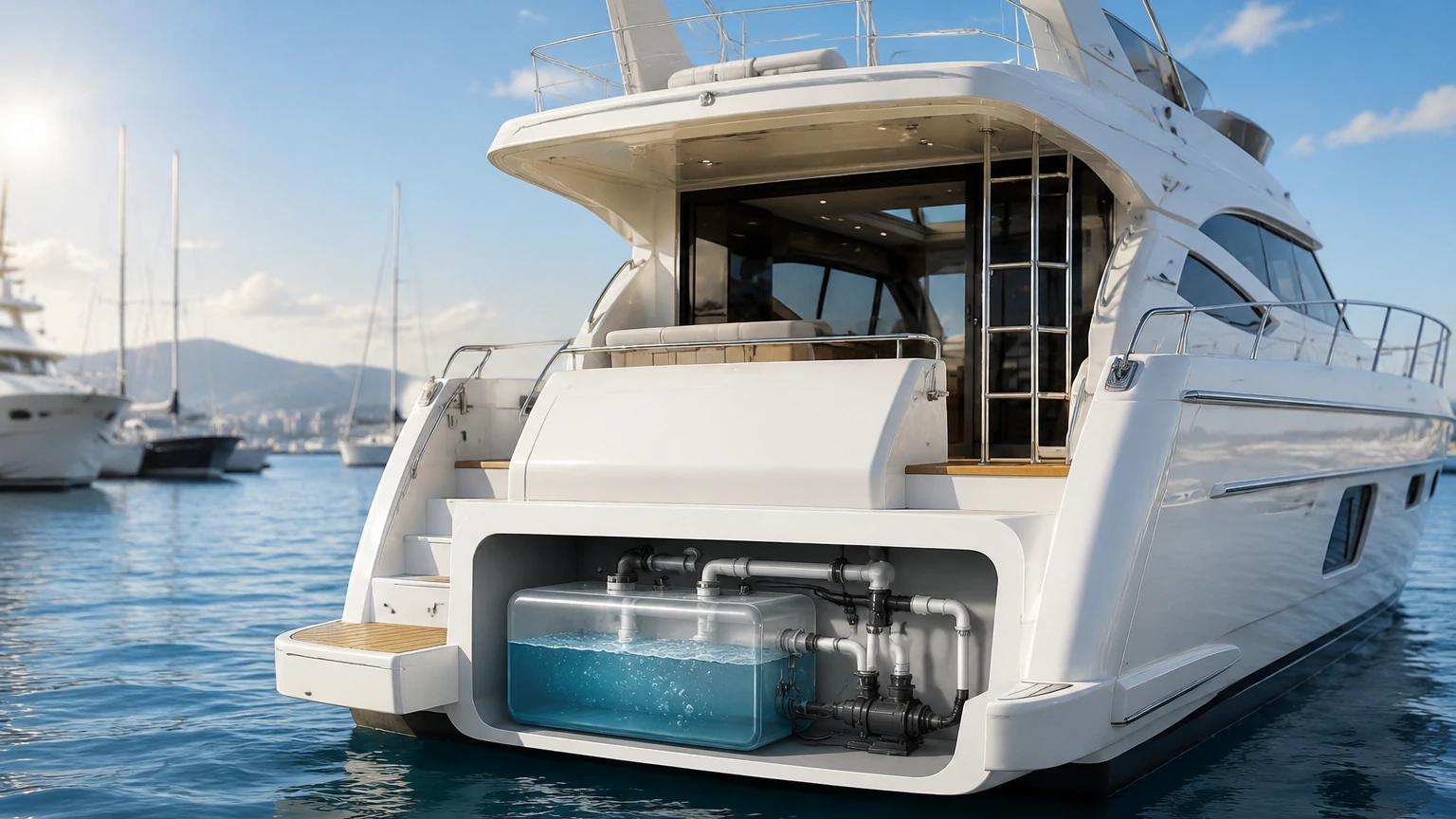
In the maritime industry, effective waste management is not merely a matter of convenience but a critical operational and regulatory requirement. Vessels of all sizes, from commercial shipping vessels to offshore platforms and passenger ships, rely on holding tanks to manage black water (sewage) and gray water (drainage). A reliable marine holding tank level sensor is the cornerstone of these systems, ensuring that tank levels are monitored accurately to prevent overflows, comply with international environmental regulations such as MARPOL, and optimize discharge schedules.
Choosing the correct instrumentation requires an understanding of the specific challenges posed by the marine environment, including constant motion, corrosive atmospheres, and the complex nature of the media being measured. This guide provides a technical overview of measurement principles, selection criteria, and installation best practices for marine level monitoring.
Core Measurement Principles for Marine Tanks
Before selecting a specific sensor, it is essential to understand the physics behind the most common measurement technologies used in marine applications. Each principle offers distinct advantages depending on the tank's contents and the vessel's structural constraints.
1. Radar Level Measurement (Non-Contact)
Radar level meters utilize high-frequency microwave pulses—typically in the 26 GHz or 80 GHz range. The sensor emits a pulse that travels at the speed of light, reflects off the liquid surface, and returns to the receiver. The distance is calculated based on the time-of-flight.
In a marine holding tank, radar is often the preferred choice because it is unaffected by the presence of methane gas, humidity, or temperature fluctuations common in waste tanks. Because it is non-contact, the sensor is not subject to fouling from the solids often found in black water.
2. Ultrasonic Level Measurement (Non-Contact)
Ultrasonic sensors function similarly to radar but use sound waves instead of microwaves. The sensor emits an ultrasonic pulse that reflects off the surface of the liquid. While cost-effective, ultrasonic sensors can be sensitive to heavy foam or significant gas layers above the liquid, which can attenuate the sound signal. However, for gray water tanks where foam is minimal, they provide a reliable, maintenance-free solution.
3. Hydrostatic Pressure Measurement (Contact)
Hydrostatic transmitters measure the pressure exerted by the liquid column at the bottom of the tank. The pressure ($P$) is proportional to the height of the liquid ($h$) and its density ($
ho$), following the formula $P =
ho gh$.
In marine applications, these sensors are usually submerged or mounted via a flange at the bottom of the tank. They are highly accurate but require the sensor diaphragm to be made of materials resistant to the corrosive nature of sewage, such as 316L stainless steel or specialized alloys.
4. Magnetic Float and Level Switches
Magnetic level sensors use a float containing a magnet that moves along a stem. As the float rises or falls with the liquid level, it triggers reed switches or provides a continuous resistive output. While mechanically simple, these are prone to "sticking" in black water tanks due to the buildup of solids and fats, making them better suited for clean water or fuel applications.
Technical Comparison and Selection Guide
Selecting the right marine holding tank level sensor involves balancing accuracy, maintenance requirements, and budget. The following table compares the primary technologies used in modern maritime engineering.
| Technology | Accuracy | Media Suitability | Maintenance | Typical Range |
| :— | :— | :— | :— | :— |
| Radar | High (±2mm) | Black/Gray Water | Very Low | 0.3m – 30m |
| Ultrasonic | Moderate (±0.25%) | Gray Water | Low | 0.2m – 10m |
| Hydrostatic | High (±0.1%) | All Liquids | Moderate | 0m – 200m |
| Capacitance | Moderate | Clean Water | High | 0.1m – 3m |
Evaluation Criteria
When evaluating a sensor for a specific project, engineers must confirm the following parameters:
* Media Composition: Is the liquid corrosive? Does it contain high solids or fats that could coat a contact-based sensor?
* Tank Geometry: Is the tank tall and narrow, or shallow and wide? Non-contact sensors like radar require a clear "viewing" path to the liquid surface.
* Output Signal: Does the vessel's monitoring system require 4-20mA, 0-10V, or a digital protocol like NMEA 2000 or Modbus RTU?
* Environmental Ratings: Sensors must typically meet IP68 ingress protection and be resistant to salt spray and vibration.
For a comprehensive overview of industrial-grade sensors and technical specifications, you may refer to the Main Page of our product catalog.
Installation Best Practices in Marine Environments
Proper installation is as critical as the choice of technology. In the confined and dynamic environment of a ship, several factors can interfere with sensor performance.
Positioning and Baffles
Marine tanks are frequently equipped with internal baffles to prevent the liquid from "sloshing" excessively during heavy seas. Sensors should be installed in a location that minimizes the impact of this movement. For non-contact sensors, the beam should be positioned away from the tank walls and internal obstructions like ladders or pipes to avoid false echoes.
Venting and Pressure Equalization
Holding tanks must be properly vented to prevent pressure buildup. For hydrostatic sensors, it is vital that the atmospheric reference tube in the cable remains unobstructed. If the tank is pressurized or under vacuum, a differential pressure measurement approach may be required to maintain accuracy.
Material Compatibility
The marine environment is inherently corrosive. Sensor housings and wetted parts should be constructed from high-grade materials. For black water tanks, 316L stainless steel is the minimum standard, while some applications may require Hastelloy or plastic coatings (like PTFE) to prevent chemical degradation from cleaning agents or waste decomposition products.
Addressing Common Challenges: Fouling and Sloshing
The two most significant hurdles for a marine holding tank level sensor are the accumulation of debris and the constant motion of the vessel.
Managing Buildup (Fouling)
In black water tanks, fecal matter, toilet paper, and fats can create a thick layer of sludge. Contact-based sensors, such as floats or capacitance probes, often fail when these materials coat the sensing element. To mitigate this, engineers often specify non-contact radar sensors. If a hydrostatic sensor is used, a flush-diaphragm design is recommended to prevent solids from clogging the pressure port.
Compensating for Vessel Motion
When a ship rolls or pitches, the liquid surface in the tank is rarely level. This can lead to erratic readings. Modern level transmitters address this through signal damping and averaging algorithms. By setting a damping time (e.g., 10 to 30 seconds), the sensor ignores momentary spikes caused by waves and provides a stable, averaged level reading to the bridge or control room.
Frequently Asked Questions (FAQs)
Q: Can I use an ultrasonic sensor for a black water tank?
A: While possible, it is not always recommended. Black water tanks can produce methane and other gases that change the speed of sound in the tank headspace, leading to inaccuracies. Furthermore, if the sensor face becomes coated with condensation or waste, the signal may be lost. Radar is generally a more robust non-contact alternative for this application.
Q: What is the "dead zone" in level measurement?
A: The dead zone (or blanking distance) is the area directly beneath a non-contact sensor (radar or ultrasonic) where it cannot accurately measure. For example, if a sensor has a 200mm (approx. 8 inches) dead zone, the tank is effectively "full" when the liquid reaches that 200mm mark. This must be accounted for during the design of the tank mounting.
Q: How do I integrate the sensor with my ship's NMEA 2000 network?
A: Many modern sensors provide a standard 4-20mA signal. To integrate this into a marine network, an analog-to-NMEA 2000 gateway is typically used. Some specialized marine sensors now offer native NMEA 2000 connectivity for plug-and-play installation.
Conclusion
Selecting a marine holding tank level sensor requires a balanced approach that considers the harsh realities of maritime operations. While traditional float switches may suffice for simple applications, the move toward non-contact radar and high-precision hydrostatic transmitters reflects the industry's need for greater reliability and reduced maintenance. By understanding the measurement principles and accounting for the unique challenges of waste media and vessel motion, engineers can ensure long-term operational success and environmental compliance.
For further technical assistance in selecting the appropriate measurement technology for your vessel's specific requirements, please visit our Main Page to review product options and application support.