Mas Flow Meter
Mas Flow Meter
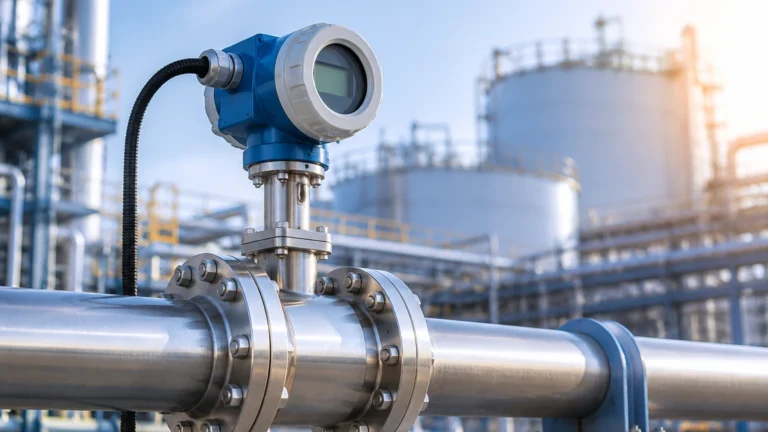
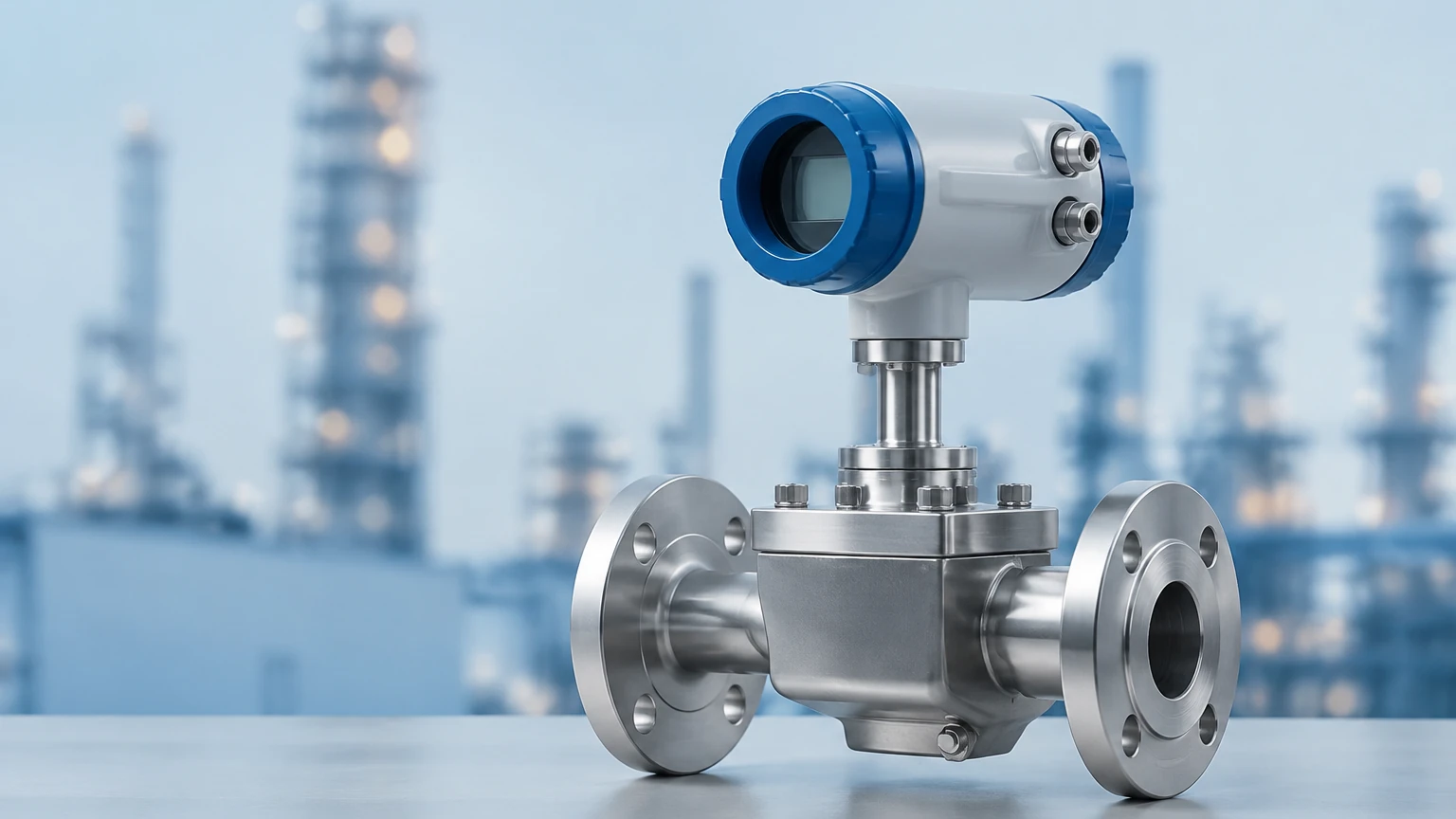
In industrial process control, the precision of fluid measurement often determines the efficiency, safety, and profitability of an entire operation. While volumetric flow measurement is common, many advanced applications require the measurement of mass rather than volume. A mas flow meter is a specialized instrument designed to measure the mass of a fluid traveling through a pipe per unit of time. Unlike volumetric meters, which can be influenced by changes in temperature and pressure, mass flow measurement provides a direct and more stable reading of the actual amount of substance moving through the system.
For engineers and procurement professionals, understanding the mechanics and application limits of a mas flow meter is essential for selecting the right technology for chemical processing, oil and gas, and water treatment facilities. This guide explores the core principles of mass flow measurement, the primary types of meters available, and how to integrate these instruments into a broader process control strategy alongside level measurement solutions.
Principles of Mass Flow Measurement
Before selecting a mas flow meter, it is critical to understand why mass is often a more useful metric than volume. In many industrial processes, chemical reactions are based on mass ratios. For example, in a combustion process, the ratio of fuel to oxygen is calculated by mass. If a system relies on volumetric measurements, fluctuations in temperature or pressure can cause the fluid to expand or contract, leading to inaccuracies in the reaction.
There are two primary technologies used in modern mas flow meters: Coriolis and Thermal. Each operates on a distinct physical principle to derive mass flow without requiring separate pressure and temperature compensation.
Coriolis Measurement Principle
The Coriolis mas flow meter operates based on the Coriolis effect, an inertial force described by Gustave-Gaspard Coriolis in the 19th century. Inside the meter, the fluid flows through one or two vibrating tubes. As the fluid moves through these tubes, the inertia of the mass causes the tubes to twist or shift in phase.
Sensors located at the inlet and outlet of the tubes measure this phase shift. The magnitude of the twist is directly proportional to the mass flow rate. Because this measurement is based on inertia and motion, it is independent of the fluid's viscosity, density, or temperature. This makes Coriolis meters the "gold standard" for accuracy in liquid and high-pressure gas applications.
Thermal Mass Flow Principle
Thermal mas flow meters are primarily used for gas applications. They operate on the principle of thermal dispersion or the anemometer effect. The meter typically contains two sensors: one that measures the ambient temperature of the gas and another that is heated to a specific temperature above the ambient.
As gas flows past the heated sensor, it carries away heat. The amount of energy required to maintain the temperature differential between the two sensors is directly proportional to the mass flow of the gas. Since gas density changes significantly with pressure and temperature, the thermal mas flow meter’s ability to provide a direct mass reading without additional compensation is a significant advantage in compressed air and stack gas monitoring.
Types of Mas Flow Meters and Their Applications
Choosing the right mas flow meter depends heavily on the state of the fluid (liquid, gas, or steam) and the required precision.
1. Coriolis Mas Flow Meters
Coriolis meters are highly versatile. They can measure almost any fluid, from clean water to highly viscous polymers and corrosive chemicals.
* Key Advantage: Direct measurement of mass, density, and temperature simultaneously.
* Common Use Cases: Custody transfer of petroleum, blending of food ingredients, and high-precision chemical dosing.
* Limitations: Higher initial cost and potential sensitivity to external mechanical vibrations.
2. Thermal Mas Flow Meters
These are the preferred choice for low-pressure gas flows where pressure drop must be kept to a minimum.
* Key Advantage: No moving parts and high sensitivity to low flow rates (low-end turndown).
* Common Use Cases: Nitrogen blanketing, wastewater aeration, and natural gas consumption monitoring.
* Limitations: Generally limited to clean gases; moisture or droplets on the sensor can cause significant errors.
Technical Selection Criteria
When evaluating a mas flow meter for a specific project, engineers should utilize a structured selection framework. The following table summarizes the primary considerations for the two main types of mass flow technology.
| Feature | Coriolis Mas Flow Meter | Thermal Mas Flow Meter |
| :— | :— | :— |
| Primary Media | Liquids, Slurries, High-pressure Gas | Gases, Compressed Air |
| Accuracy | ±0.1% to ±0.5% of rate | ±1% to ±2% of full scale |
| Pressure Drop | Moderate to High | Very Low |
| Line Sizes | 1 mm to 300 mm (up to 12 inches) | 15 mm to 6000 mm (Insertion types) |
| Operating Temp | -200°C to +400°C | Up to 450°C |
| Viscosity Effect | Negligible | Not Applicable (Gas only) |
Fluid Properties and Compatibility
It is vital to confirm the chemical compatibility of the meter's wetted parts (the materials that come into contact with the fluid). For corrosive chemicals, stainless steel 316L is standard, but specialized alloys like Hastelloy or Monel may be required for aggressive acids or chlorides. Furthermore, if the fluid contains solids (slurries), a straight-tube Coriolis design is often preferred over a U-tube design to prevent clogging and erosion.
Installation Considerations and Best Practices
Proper installation is as important as the technology itself. Even the most expensive mas flow meter will provide inaccurate data if installed incorrectly.
1. Straight Run Requirements: While Coriolis meters are relatively immune to flow profile disturbances, thermal mas flow meters require significant straight pipe runs (typically 10 to 20 diameters upstream and 5 diameters downstream) to ensure a fully developed flow profile. If space is limited, flow conditioners may be necessary.
2. Orientation: For liquid applications, Coriolis meters should be installed so that the tubes remain full. In gas applications, they should be oriented to allow any condensate to drain out. Thermal meters should generally be installed horizontally in gas lines to avoid moisture accumulation on the sensor probes.
3. Vibration and Support: Coriolis meters are sensitive to external piping vibrations. They should be securely supported on both the inlet and outlet flanges. Avoid mounting them near heavy pumps or vibrating machinery without proper dampening.
4. Zero Calibration: Upon installation and under zero-flow conditions (with the pipe full and valves closed), a "zero trim" should be performed to account for the specific stresses of the piping installation.
Integration with Level Measurement Systems
In many industrial setups, mass flow measurement is part of a larger inventory and process control loop. For instance, in a chemical storage tank, a mas flow meter might track the amount of product being pumped out, while a radar or ultrasonic level sensor monitors the remaining volume in the tank.
Comparing the mass flow data with the level change in a tank provides a redundant check on system integrity. If the level in the tank drops faster than the mass flow meter indicates, it could signal a leak or a calibration error in one of the instruments. For comprehensive process monitoring, reviewing the various sensor options on the Main Page of a specialized manufacturer can help engineers find the right balance between flow and level instrumentation.
Common Risks and Limitations
While mas flow meters offer high precision, they are not a universal solution for every application.
* Entrained Air: In Coriolis meters, bubbles or entrained air in a liquid stream can cause the tubes to vibrate erratically, leading to "slug flow" errors. While modern digital signal processing (DSP) can mitigate this, it remains a risk in applications like unloading tanker trucks.
* Gas Composition Changes: Thermal mas flow meters are calibrated for a specific gas or gas mixture. If the composition of the gas changes (e.g., a shift in the methane/ethane ratio in natural gas), the heat transfer characteristics change, and the meter will require recalibration or a correction factor.
* Cost vs. Benefit: For simple water transfer where high precision is not required, a volumetric meter (like an electromagnetic or ultrasonic meter) may be more cost-effective than a Coriolis mas flow meter.
Frequently Asked Questions (FAQs)
Q: Does a mas flow meter require periodic recalibration?
A: Yes. While these meters have no moving parts to wear out (in the case of thermal and some Coriolis designs), electronic drift and internal coating or erosion can affect accuracy. Most industrial standards recommend a calibration check every 1 to 3 years, depending on the criticality of the process.
Q: Can a Coriolis meter measure steam?
A: Yes, but it is generally limited to high-pressure saturated steam or superheated steam. It is often not the most cost-effective choice for steam compared to vortex meters, unless extremely high precision is required.
Q: How do I handle high-viscosity fluids?
A: The Coriolis mas flow meter is excellent for high-viscosity fluids. Because it measures mass based on inertia, the thickness of the fluid does not interfere with the measurement, provided the pump can overcome the pressure drop through the meter tubes.
Conclusion
The implementation of a mas flow meter is a significant step toward optimizing industrial processes. By providing direct mass readings, these instruments eliminate the variables of temperature and pressure, ensuring that chemical recipes are exact and custody transfers are fair. Whether utilizing the robust inertia-based measurement of a Coriolis meter or the sensitive thermal dispersion of a gas flow meter, selecting the right tool requires a deep understanding of the fluid properties and the installation environment.
For engineers looking to build a complete measurement profile for their facility, it is often useful to look beyond flow alone. Integrating flow data with reliable level measurement ensures a holistic view of the process. You can Review product options and application support to see how different industrial sensors can be combined to achieve maximum operational efficiency.