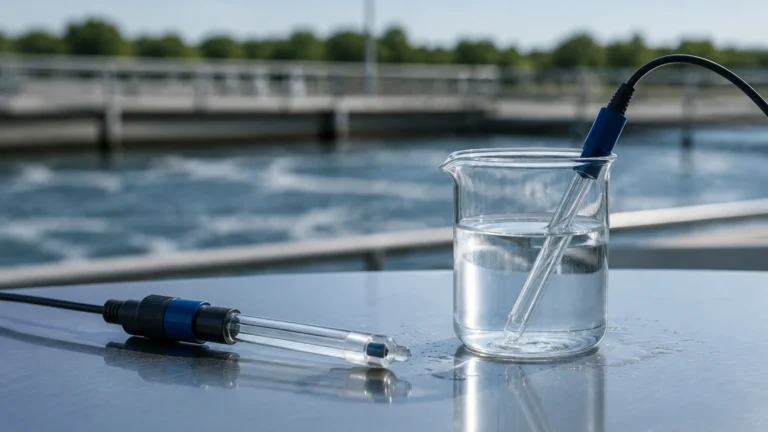
Memosens Cps11e
Memosens Cps11e
In the realm of industrial process automation, the ability to monitor both physical and chemical properties of a liquid is fundamental to operational safety and product quality. While level measurement provides critical data regarding the volume and presence of media within a vessel, analytical sensors like the memosens cps11e provide the necessary insight into the chemical state of that media. For engineers designing systems for water treatment, chemical processing, or industrial manufacturing, understanding how digital analytical sensors interface with traditional level measurement infrastructures is essential for creating a robust control loop.
This guide explores the technical principles of the memosens cps11e, its role in modern process environments, and how it complements the broader suite of industrial instrumentation found on our Main Page.
Principles of pH Measurement and Digital Transmission
Before selecting a specific sensor, it is vital to understand the underlying electrochemical principles. pH measurement is based on the potential difference generated between a pH-sensitive glass membrane and a reference system. This potential, governed by the Nernst equation, is proportional to the hydrogen ion activity in the solution.
The Analog Challenge
Traditionally, pH sensors utilized high-impedance analog signals. These signals are extremely sensitive to environmental interference, such as moisture in the connector, electromagnetic interference (EMI) from nearby pumps or motors, and cable length limitations. In many industrial plants, the distance between the sensor and the transmitter can lead to signal degradation, requiring frequent recalibration and troubleshooting.
The Memosens Solution
The memosens cps11e represents the evolution of this technology into the digital age. Memosens technology utilizes inductive, non-contact signal transmission. This eliminates the metallic contacts prone to corrosion and leakage. The sensor head contains a microchip that converts the analog electrochemical signal into a robust digital protocol. This data is then transmitted via an inductive coupling to the transmitter, ensuring that the measurement remains unaffected by moisture or electrical noise.
Technical Profile of the Memosens CPS11E
The memosens cps11e is a heavy-duty pH sensor designed for standard applications in process technology and environmental engineering. It is a glass electrode with a built-in temperature sensor, which is critical because pH values are temperature-dependent.
Key Design Features
1. Reference System: The sensor typically employs a pressurized or high-stability reference system with a long-path poisoning protection, which prevents the reference electrolyte from being contaminated by the process media.
2. Junction Types: Depending on the specific variant, it may use a PTFE ring junction or a ceramic diaphragm. PTFE junctions are particularly resistant to fouling in applications with high solids content or oily emulsions.
3. Digital Data Storage: The sensor stores its own calibration data and operating history (e.g., total hours of operation, time spent at extreme temperatures). This allows for "plug-and-play" functionality, where sensors can be calibrated in a controlled laboratory environment and then swapped into the process field without requiring on-site calibration.
Integration with Level Measurement Systems
In most industrial tanks and reactors, pH monitoring does not exist in a vacuum. It is almost always paired with level measurement to ensure the sensor remains submerged and to manage chemical dosing.
Synergistic Process Control
When a radar or ultrasonic level meter—such as those detailed on our Main Page—detects that a tank level has dropped below a certain point, the control system must often deactivate the pH sensor's dosing control to prevent the addition of chemicals into an empty or near-empty vessel. Conversely, if the level is too high, the pH sensor might be used to trigger a neutralization process before the liquid is discharged or moved to the next stage of treatment.
Material Compatibility
Just as level meters must be chosen based on their resistance to corrosive vapors, the memosens cps11e must be selected with the appropriate glass type. For example, highly alkaline media require specialized glass membranes to prevent the "alkaline error," which can lead to inaccurate readings at high pH levels.
Practical Selection Table
Choosing the right configuration for a pH sensor involves balancing the chemical environment with physical constraints. The following table outlines typical selection criteria for the memosens cps11e in various industrial contexts.
| Application | Recommended Junction | Temperature Range | Pressure Rating | Level Meter Pairing |
| :— | :— | :— | :— | :— |
| Water Treatment | Ceramic Diaphragm | 0°C to 80°C | Up to 6 bar | Ultrasonic Level Sensor |
| Chemical Processing | PTFE Ring Junction | -15°C to 135°C | Up to 16 bar | Guided Wave Radar |
| Wastewater (Oily) | PTFE Ring Junction | 0°C to 110°C | Up to 10 bar | Hydrostatic Pressure |
| Pure Water | Ceramic (Low Flow) | 0°C to 60°C | Up to 1 bar | Laser Level Meter |
Installation and Engineering Considerations
Proper installation is paramount for both pH sensors and level meters. For the memosens cps11e, the physical orientation and flow dynamics are critical factors.
Mounting Angle
pH electrodes contain an internal buffer solution that must stay in contact with the glass membrane. Therefore, the sensor should typically be installed at an angle of at least 15° from the horizontal to ensure no air bubbles trap themselves in the sensor head. In contrast, level meters like radar are usually mounted vertically (90°) to the liquid surface for optimal signal return.
Immersion Depth and Flow
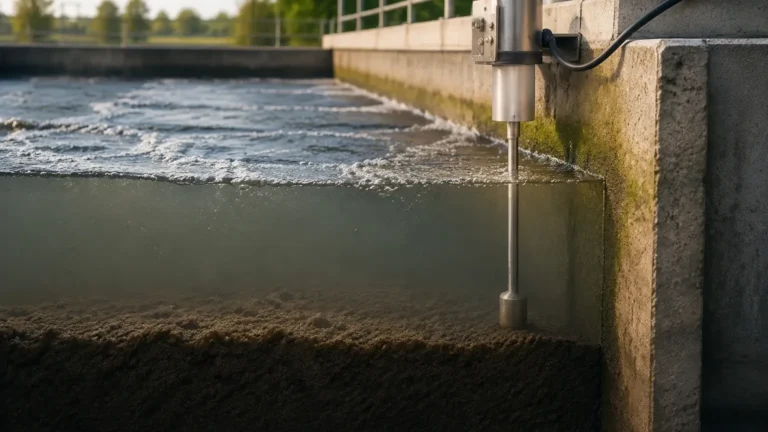
In tanks where the level fluctuates significantly, the pH sensor must be installed in a location where it is consistently submerged. If the level drops below the sensor, the glass membrane can dry out, leading to permanent damage or a long rehydration period. Using a retractable assembly allows the sensor to be withdrawn for cleaning or calibration without draining the tank, a feature often used in conjunction with continuous level monitoring to schedule maintenance during low-level periods.
Calibration and Maintenance in the Digital Era
The primary advantage of the memosens cps11e is its ability to support predictive maintenance. Because the sensor tracks its own "health," it can alert the operator when the slope of the electrode has degraded or when the zero point has shifted beyond acceptable limits.
Lab-to-Process Workflow
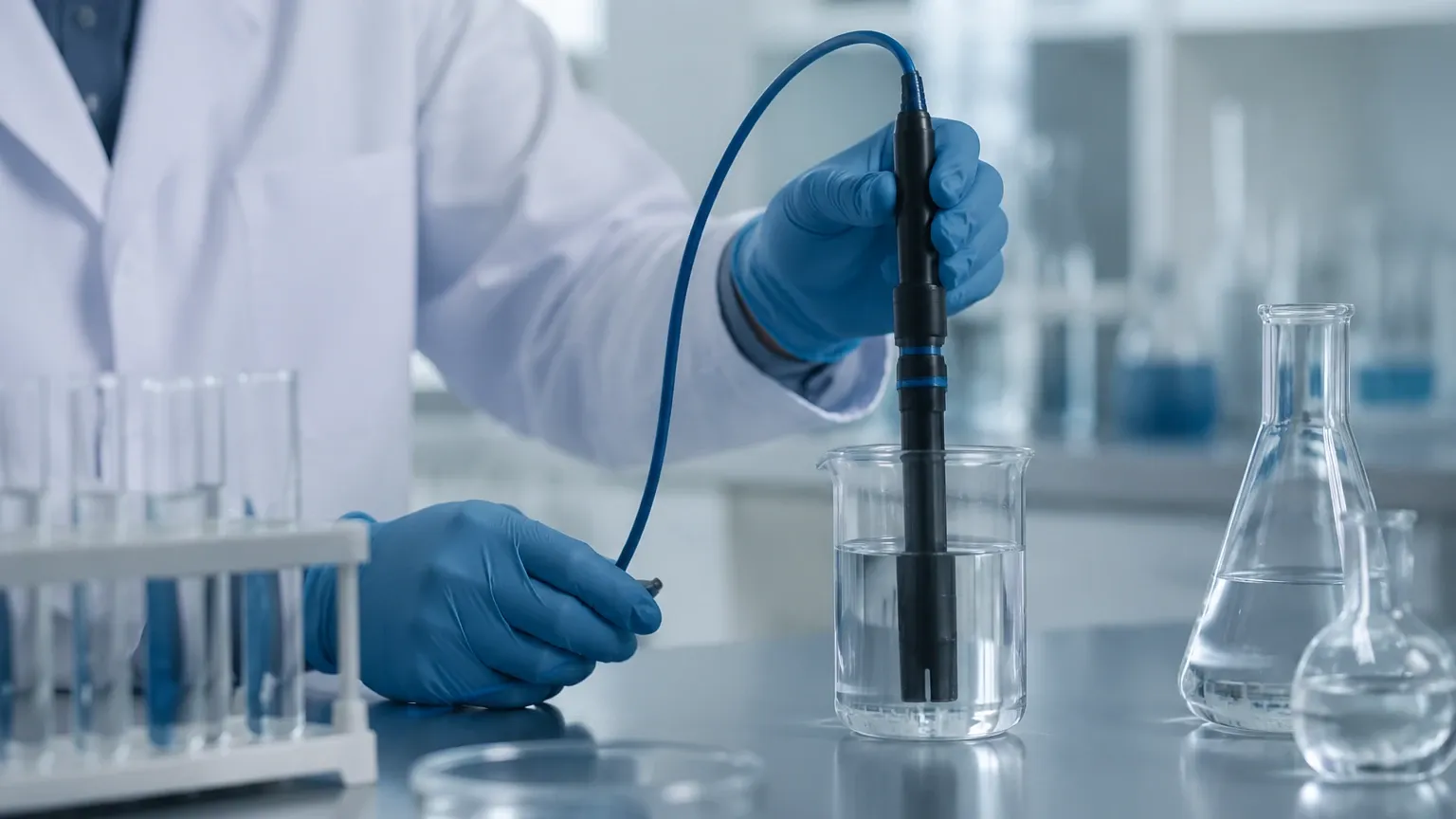
1. Calibration: A technician calibrates the sensor in a lab using standard buffer solutions (e.g., pH 4.0 and pH 7.0).
2. Storage: The calibration constants are stored in the sensor head.
3. Hot Swap: The technician takes the calibrated sensor to the field, removes the old sensor, and connects the new one. The transmitter automatically recognizes the new calibration data.
4. Verification: The system resumes measurement immediately with minimal downtime.
This workflow significantly reduces the time technicians spend in hazardous areas, a safety benefit that aligns with the installation of non-contact level meters which also aim to reduce manual tank gauging.
Limitations and Operating Boundaries
While the memosens cps11e is highly versatile, it is not a universal solution for every chemical environment. Engineers must be aware of the following limitations:
* Hydrofluoric Acid (HF): Standard pH glass is rapidly etched by HF. In applications containing even trace amounts of fluorides at low pH, specialized membranes or alternative measurement technologies (like ISFET) are required.
* Dehydration: If the sensor is left in an empty tank (detected by a low-level alarm from a level meter), the junction can become clogged or the glass membrane can become unresponsive.
* Extreme Pressure Shocks: Rapid pressure fluctuations can cause the reference electrolyte to be forced out or process media to be forced in, potentially poisoning the reference system.
Frequently Asked Questions (FAQ)
Q: How long does a memosens cps11e typically last?
A: Sensor lifespan varies greatly by application. In clean water, a sensor may last 2 years; in hot, aggressive chemicals, it might only last 3 to 6 months. The digital diagnostics help predict this end-of-life.
Q: Can I use a standard analog cable with a Memosens sensor?
A: No. Memosens requires a specific inductive cable (like the CYK10) to facilitate the power and data transfer between the sensor and the transmitter.
Q: Does the sensor require a specific transmitter?
A: Yes, it must be used with a transmitter that supports the Memosens digital protocol. These transmitters often also accept inputs from level meters and other process sensors to provide a centralized display.
Q: How does temperature affect the reading?
A: pH is highly temperature-dependent. The cps11e includes an integrated NTC or Pt100/Pt1000 temperature sensor to provide automatic temperature compensation (ATC) to the transmitter.
Conclusion
The integration of digital analytical sensors like the memosens cps11e into industrial processes represents a significant step forward in reliability and ease of maintenance. By eliminating the vulnerabilities of analog signaling and providing deep diagnostic insights, these sensors allow for more precise control when paired with accurate level measurement systems.
For engineers looking to optimize their process vessels, selecting the right combination of analytical and level instruments is the key to operational excellence. To explore a full range of level measurement technologies that complement your analytical needs, please visit our Main Page for detailed product specifications and application support.