Metering Skid Design
Metering Skid Design
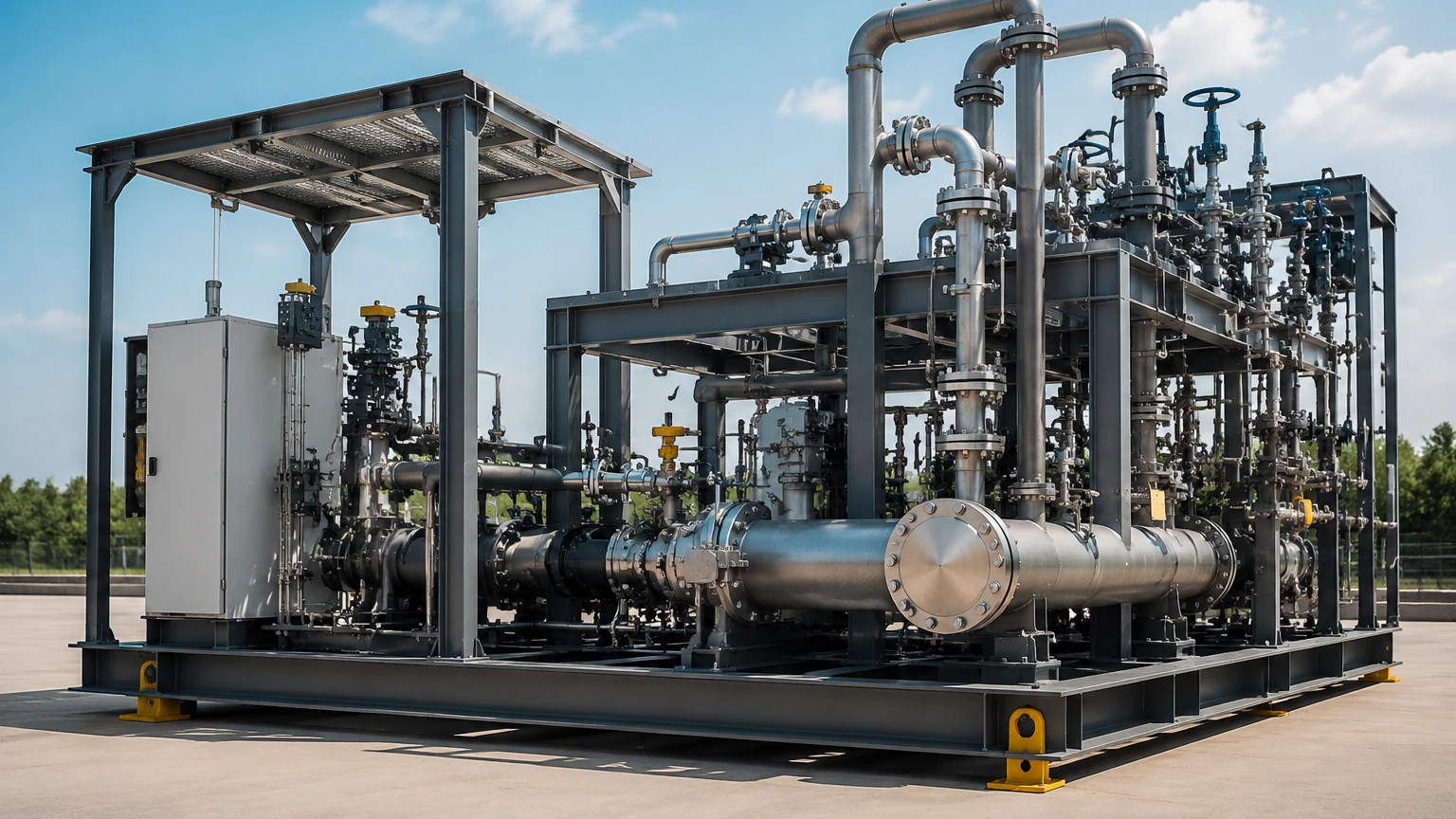
In the landscape of industrial fluid management, metering skid design represents the pinnacle of modular engineering. A metering skid is a pre-packaged, frame-mounted system designed to measure, monitor, and control the flow and volume of liquids or gases. These systems are critical in industries ranging from oil and gas custody transfer to chemical dosing and municipal water treatment. By integrating various instruments—flow meters, level sensors, valves, and control panels—into a single transportable unit, engineers ensure high precision, reduced on-site installation time, and enhanced safety.
Successful metering skid design requires a deep understanding of fluid dynamics, material science, and electronic instrumentation. This guide explores the technical requirements for designing these systems, with a particular focus on the integration of level measurement technologies, which serve as the primary safeguard for tank management and pump protection within the skid architecture.
Fundamentals of Metering Skid Design
The primary objective of a metering skid is to provide accurate data regarding the quantity and quality of a fluid passing through a process line. However, the skid must also manage the storage or buffering of these fluids, which is where level measurement becomes indispensable.
Before selecting components, engineers must define the physical and chemical properties of the process medium. This includes viscosity, density, temperature range, and corrosive potential. For instance, a skid designed for sulfuric acid dosing will require vastly different materials (such as PTFE or PVDF) compared to a skid designed for potable water.
Measurement Principles for Level Integration
In many metering skid designs, level sensors are used to monitor supply tanks or separator vessels. Understanding the principles behind these sensors is the first step in effective design:
1. Radar (Non-Contact): These sensors emit high-frequency microwave pulses that reflect off the liquid surface. By measuring the "time-of-flight," the sensor calculates the distance to the product. Radar is highly favored in metering skids for volatile liquids because it is unaffected by temperature or pressure changes.
2. Ultrasonic: Similar to radar but using sound waves, ultrasonic sensors are cost-effective for water-based applications. They are ideal for atmospheric tanks but can be sensitive to surface foam or heavy vapors.
3. Hydrostatic Pressure: This principle relies on the relationship between the height of a liquid column and the pressure it exerts at the base (P = ρgh). These transmitters are robust and easy to install, making them a staple for deep storage tanks integrated into larger skids.
4. Magnetic Level Gauges: These utilize a float containing a magnet that moves with the liquid level, actuating a visual indicator or an electronic transmitter outside the chamber. They provide a reliable mechanical backup that requires no power for visual confirmation.
For a detailed look at specific instrument specifications, engineers can refer to the Welk Main Page to compare how different measurement principles align with specific skid requirements.
Key Evaluation Criteria for Metering Skid Design
When embarking on a metering skid design project, several technical factors dictate the success of the system. Accuracy and repeatability are the most critical metrics, especially in custody transfer applications where financial transactions depend on the meter's reading.
1. Accuracy and Uncertainty
In high-stakes environments, a total system uncertainty of less than 0.25% may be required. This necessitates high-precision flow meters (such as Coriolis or ultrasonic flow meters) paired with high-accuracy level transmitters to ensure the mass balance of the system remains consistent.
2. Material Compatibility and Pressure Ratings
The frame and piping must be designed to withstand the maximum operating pressure, often rated according to ANSI/ASME or DIN standards. Common pressure ratings include PN16, PN40, or Class 150/300. Furthermore, all wetted parts must be compatible with the fluid to prevent galvanic corrosion or chemical degradation.
3. Modular Footprint
The "skid" nature of the design implies portability. The layout must be compact enough for transport via standard shipping containers or flatbed trucks while remaining spacious enough for maintenance access. Standard dimensions often target a width of 2.4 meters (approx. 8 feet) to comply with road transport regulations.
Comparative Selection Table for Level Instruments in Skids
Choosing the right level measurement technology is vital for the safety and automation of the skid. The table below compares common technologies used in modern metering skid design.
| Technology | Typical Accuracy | Operating Temperature | Best Application | Limitation |
| :— | :— | :— | :— | :— |
| Radar (80GHz) | ±1 mm | -40°C to +250°C | Chemical/Oil storage | Higher initial cost |
| Ultrasonic | ±0.25% of range | -40°C to +80°C | Water/Wastewater | Affected by foam/vacuum |
| Hydrostatic | ±0.1% to ±0.5% | -20°C to +100°C | Constant density liquids | Sensitive to density changes |
| Magnetic Gauge | ±5 mm | -50°C to +400°C | High-pressure boilers | Moving parts may wear |
Installation and Maintenance Best Practices
The physical installation of instruments within the metering skid design significantly impacts their long-term reliability. Even the most expensive sensor will fail to provide accurate data if installed incorrectly.
Piping and Flow Conditioning
Flow meters typically require a specific length of straight pipe upstream and downstream to eliminate turbulence. A common rule of thumb is 10 diameters (10D) upstream and 5 diameters (5D) downstream. If space is limited within the skid, flow conditioners or vanes must be integrated into the design.
Level Sensor Placement
When installing level sensors in skid-mounted tanks:
* Avoid the "Dead Zone": Ensure the sensor is mounted at a height where the maximum liquid level does not enter the sensor’s near-field blocking distance (dead zone).
* Inlet Interference: Do not place level sensors directly above the fluid inlet, as the turbulence and splashing will cause erratic readings.
* Stirrer/Agitator Clearance: For radar and ultrasonic sensors, ensure the signal beam does not hit internal tank structures like baffles or agitator blades. Using a stilling well can mitigate these issues in turbulent tanks.
Calibration and Maintenance
Metering skids should be designed with "double block and bleed" valve configurations. This allows technicians to isolate instruments for calibration or replacement without shutting down the entire process line. Regular calibration, typically performed annually or bi-annually, ensures the skid maintains its certified accuracy levels.
Limitations and Operational Risks
While metering skids offer numerous advantages, designers must account for specific limitations:
* Environmental Factors: Skids located outdoors are subject to ambient temperature swings. In cold climates, heat tracing and insulation are required to prevent fluid crystallization or freezing. Conversely, in desert environments, sunshades are necessary to protect electronic transmitters from overheating.
* Vibration: Metering skids often house pumps or compressors. Excessive vibration can lead to fatigue in piping welds and can interfere with the electronics of sensitive level and flow sensors. Using vibration dampeners and flexible couplings is essential in the mechanical design phase.
* Fluid Aeration: The presence of entrained air or gas bubbles in a liquid stream can cause significant errors in both flow and level measurement. Air eliminators should be included in the skid design if the process is prone to aeration.
Frequently Asked Questions (FAQs)
Q: What is the difference between a process skid and a metering skid?
A: A process skid is a broad term for any modular system that performs a chemical or physical process (like filtration or heating). A metering skid specifically focuses on the high-accuracy measurement of fluid volume or mass, often for fiscal or regulatory purposes.
Q: Can one skid handle multiple types of fluids?
A: It is possible, but the metering skid design must account for the most aggressive fluid in terms of material compatibility. Additionally, cross-contamination must be managed through thorough flushing protocols integrated into the skid's control logic.
Q: Why is 80GHz radar preferred in modern skid design?
A: 80GHz radar offers a much narrower beam angle compared to older 6GHz or 26GHz models. This allows the sensor to be installed in small nozzles or tanks with internal obstructions without receiving false echoes, which is common in compact skid layouts.
Q: How do I ensure the skid meets hazardous area requirements?
A: Components must be selected based on the zone classification (e.g., ATEX Zone 0, 1, or 2). This involves using intrinsically safe (Ex i) or flameproof (Ex d) instruments and ensuring proper grounding and bonding of the entire metal skid frame.
Conclusion
Effective metering skid design is a balance between precision instrumentation and robust mechanical engineering. By prioritizing the correct measurement principles and accounting for the physical constraints of the application, engineers can create systems that offer years of reliable service. Whether the application involves simple water dosing or complex oil and gas custody transfer, the integration of high-quality level and flow instruments remains the cornerstone of system integrity. For those looking to source or specify these critical components, visiting the Main Page provides access to the technical data necessary to complete a high-performance skid design.