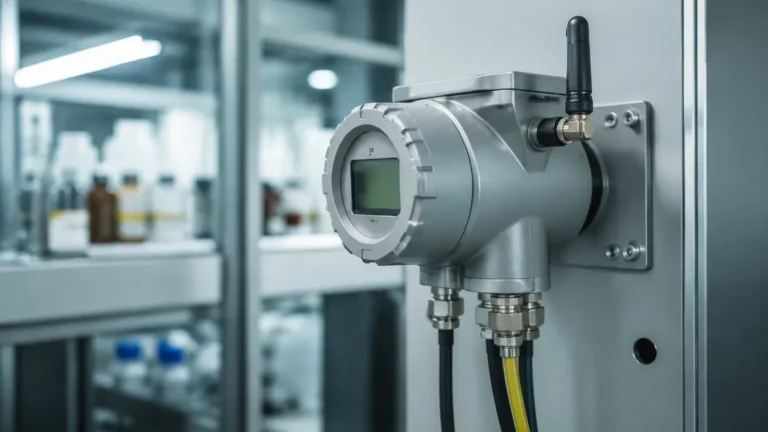
Sulphur Pit
Sulphur Pit
In the oil and gas refining and natural gas processing industries, the management of elemental sulphur is a critical secondary process. As crude oil and raw natural gas often contain significant amounts of hydrogen sulphide (H2S), these compounds must be removed to meet environmental regulations and prevent equipment corrosion. The resulting molten sulphur is typically stored in a sulphur pit—a specialized underground or semi-buried concrete or steel vessel—before it is degassed, granulated, or transported.
Monitoring the level within a sulphur pit is one of the most challenging applications in industrial instrumentation. The combination of high temperatures, corrosive vapors, and the unique physical properties of molten sulphur requires a deep understanding of measurement principles and robust hardware design. For professionals evaluating instrumentation for these demanding environments, the Main Page of Welk provides a comprehensive overview of the technologies available to address such industrial challenges.
Understanding the Sulphur Pit Environment and Measurement Challenges
A sulphur pit is more than a simple storage tank; it is a dynamic process vessel. Molten sulphur is usually maintained at a temperature between 135°C and 145°C (275°F to 293°F). This temperature range is narrow because the physical properties of sulphur change drastically with thermal fluctuations. If the temperature drops below approximately 115°C (239°F), the sulphur begins to solidify, or "freeze," which can lead to catastrophic blockages in pipes and damage to instrumentation. Conversely, if the temperature exceeds 160°C (320°F), the viscosity of the liquid increases exponentially, making it difficult to pump.
From a level measurement perspective, several factors complicate the environment:
1. Vapor Space Hazards: The space above the liquid sulphur often contains high concentrations of H2S and sulphur dioxide (SO2). These gases are not only toxic but also highly corrosive to standard electronic components and housing materials.
2. Solidification and Coating: Sulphur vapors can sublimate onto cooler surfaces, such as sensor faces or probes, forming a solid crust that interferes with signal transmission.
3. Steam Jacketing: To prevent freezing, pits and their associated nozzles are heavily steam-jacketed. This adds mechanical complexity to the installation of level sensors.
4. Agitation and Turbulence: Many pits utilize agitators or pumps to facilitate degassing or transfer, creating a turbulent surface that can scatter radar or ultrasonic signals.
Measurement Principles for Molten Sulphur Level
Before selecting a specific instrument, it is essential to understand the physics behind the primary measurement technologies used in sulphur pits. Each principle has distinct advantages and limitations based on how it interacts with the liquid and the vapor space.
Radar Level Measurement (Non-Contact)
Non-contact radar transmitters operate on the Time-of-Flight (ToF) principle. The device emits a high-frequency electromagnetic wave (typically in the 26GHz or 80GHz range) toward the product surface. The wave is reflected back to the sensor, and the distance is calculated based on the time taken for the round trip.
In a sulphur pit, 80GHz radar is often preferred over lower frequencies because its narrow beam angle allows it to avoid internal obstructions like steam pipes or agitator blades. Because radar waves are electromagnetic, they are largely unaffected by the heavy vapors or temperature gradients present in the pit. However, the sensor face must be kept above the sulphur's freezing point to prevent sublimation buildup.
Guided Wave Radar (GWR)
Guided Wave Radar uses a physical probe (waveguide) to direct the microwave pulse to the liquid surface. This technology is highly effective for liquids with low dielectric constants. While molten sulphur has a stable dielectric constant (approximately 3.0 to 3.5), the physical probe in a GWR system is susceptible to sulphur buildup. If a layer of solid sulphur forms on the probe, it can cause "ghost" echoes or signal attenuation. GWR is generally reserved for pits where surface foam or extreme turbulence makes non-contact radar difficult.
Hydrostatic Pressure Measurement
This principle calculates the level based on the pressure exerted by the liquid column ($P = \rho gh$). A pressure transmitter is mounted at the bottom of the pit or via a capillary system. While simple, this method requires accurate knowledge of the liquid's density ($\rho$), which can change if the sulphur temperature or purity fluctuates. In sulphur pits, the primary challenge for hydrostatic sensors is preventing the process connection from plugging with solidified sulphur.
Magnetic Level Gauges (MLG)
An MLG consists of a bypass chamber mounted to the side of the pit (or internally in a stilling well). A float containing a magnet moves with the liquid level, flipping external flags or triggering a transmitter. For sulphur applications, the entire chamber must be steam-jacketed to ensure the sulphur remains molten. This provides a clear visual indication for field operators and a reliable electronic output.
Comparative Analysis of Level Measurement Technologies
Choosing the right technology involves balancing accuracy, maintenance requirements, and installation costs. The following table summarizes the performance of common instruments in a sulphur pit application.
| Technology | Accuracy | Maintenance Level | Pros | Cons |
| :— | :— | :— | :— | :— |
| 80GHz Radar | High (±2mm) | Low | Non-contact; unaffected by vapors; narrow beam. | Requires purging or heating to prevent sublimation on lens. |
| Guided Wave Radar | High (±3mm) | Medium | Excellent in turbulent conditions; ignore foam. | Probe coating/buildup; mechanical stress on probe. |
| Hydrostatic | Moderate | High | Simple electronics; no moving parts. | Prone to plugging; density dependent; difficult to maintain in-situ. |
| Magnetic Gauge | Moderate | Medium | Visual local indication; robust; no power required for visual. | High installation cost (steam jackets); float can stick if temp drops. |
| Ultrasonic | Low | N/A | Low cost. | Not recommended due to vapor interference and temp limits. |
Engineering Selection and Installation Considerations
Successful level monitoring in a sulphur pit depends as much on the installation method as it does on the sensor technology. Engineers must account for the physical constraints of the pit and the chemical nature of the process.
Steam Jacketing and Insulation
Any instrument that comes into contact with the sulphur or its vapors must be heated. For radar units, this often involves a steam-heated nozzle or a specialized "heating jacket" around the flange. If the nozzle is allowed to cool, sulphur will condense and solidify on the sensor lens, eventually blocking the signal entirely. Insulation should extend to the transmitter housing to protect the electronics from the extreme ambient heat of the pit roof while ensuring the process connection stays hot.
Purging Systems
To further protect non-contact sensors, a nitrogen purge is frequently employed. A small, continuous flow of dry nitrogen into the nozzle creates a positive pressure barrier, preventing corrosive H2S and sulphur vapors from reaching the instrument's sensitive components. This also helps keep the lens clean from sublimation.
Stilling Wells and Nozzle Geometry
In pits with high turbulence or internal obstructions, a stilling well (a vertical pipe submerged in the liquid) can be used to provide a calm surface for measurement. However, the stilling well itself must be designed to allow for cleaning and must be properly vented to ensure the level inside the pipe matches the level in the pit. When using radar, the nozzle height-to-diameter ratio should be minimized to avoid internal signal reflections (ringing).
Material Compatibility
Given the presence of H2S and moisture (which can form sulphuric acid), materials of construction are critical. 316L Stainless Steel is the minimum requirement, but for high-concentration H2S environments, alloys like Hastelloy C-276 or Monel may be necessary for probes or diaphragms. Seals should be made of FFKM (Perfluoroelastomer) to withstand both the chemistry and the temperature.

Operational Limitations and Maintenance Strategies
Even the most advanced level meter will fail if not maintained within its operational boundaries. The primary limitation in sulphur pits is the "cold spot." Any break in the steam tracing or insulation will result in solidified sulphur.
Maintenance Checklists should include:
* Steam Trace Verification: Regularly check that steam traps are functioning and that the process nozzles are at the required temperature (135°C+).
* Purge Flow Monitoring: Ensure nitrogen purge rotameters are showing flow. A loss of purge can lead to H2S ingress into the transmitter housing within hours.
* Signal Strength Analysis: Modern digital radar transmitters provide a "signal quality" or "echo strength" diagnostic. A gradual decline in signal strength usually indicates sulphur buildup on the lens or probe, signaling the need for a preventive cleaning cycle.
Frequently Asked Questions (FAQs)
Q1: Why can't I use ultrasonic sensors in a sulphur pit?
Ultrasonic sensors rely on sound waves, which change speed based on the density and temperature of the air/vapor they travel through. In a sulphur pit, the heavy concentration of H2S and the significant temperature gradients make the speed of sound unpredictable, leading to massive errors. Furthermore, the high temperatures often exceed the operating range of standard ultrasonic transducers.
Q2: What is the best frequency for radar in this application?
80GHz is generally superior. The higher frequency allows for a smaller antenna and a much tighter beam angle (often as low as 3 degrees). This is critical in sulphur pits which are often crowded with pumps, heaters, and manways.
Q3: How do I handle the "crust" that forms on the surface of the sulphur?
If the sulphur surface degasses or cools slightly, a solid crust can form. Radar will measure the top of this crust. If the crust is thick, it may not represent the actual liquid level available for pumping. Maintaining proper pit temperature is the only way to prevent crusting; however, Guided Wave Radar is sometimes better at "seeing through" very thin crusts compared to non-contact radar.
Q4: Is redundant measurement necessary?
Yes. Due to the critical nature of sulphur pits (preventing overflow which is a major environmental and safety hazard), most facilities use 1-out-of-2 (1oo2) or 2-out-of-3 (2oo3) voting systems. Often, a non-contact radar is paired with a magnetic level gauge or a hydrostatic sensor to provide diverse redundancy.
Q5: Can I use a standard pressure transmitter for hydrostatic level?
Only if it is equipped with a remote seal and a flush diaphragm that is steam-jacketed. A standard threaded process connection will plug with solid sulphur almost immediately.
Conclusion
Managing the level in a sulphur pit requires a specialized approach that respects the difficult physical properties of molten sulphur. While non-contact 80GHz radar has emerged as the industry standard due to its reliability and low maintenance, the success of the installation depends on rigorous thermal management and proper material selection. By understanding the measurement principles and addressing the specific challenges of the pit environment, engineers can ensure safe and continuous operation of the Sulphur Recovery Unit. For further technical specifications and to explore a wide range of industrial level measurement solutions, visit the Main Page of Welk's engineering resource center.