Metering Skid System
Metering Skid System
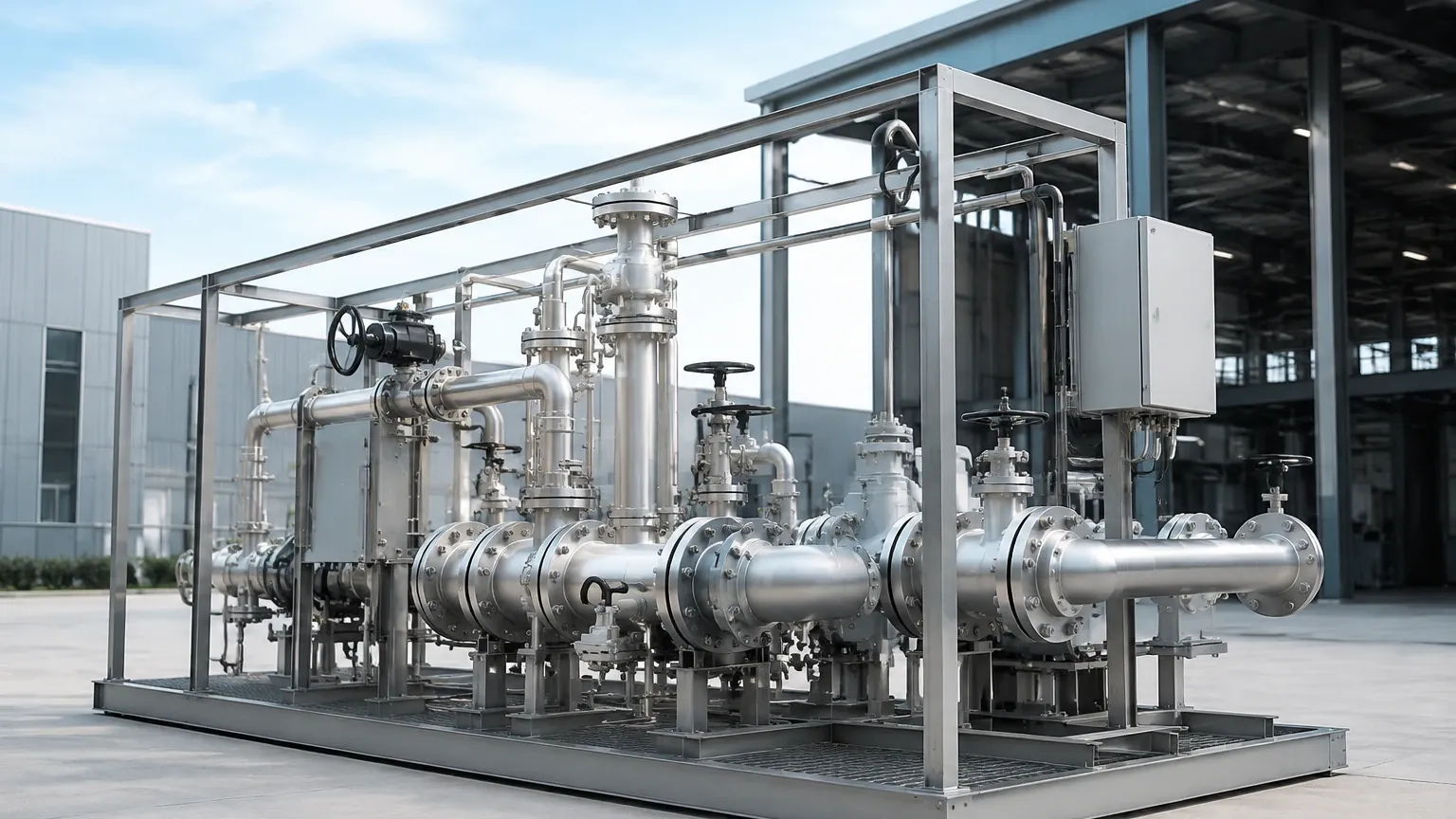
In the landscape of industrial fluid management, a metering skid system represents a critical, integrated solution for the precise measurement and movement of liquids and gases. These systems are modular, pre-engineered units that combine piping, valves, and sophisticated instrumentation onto a single structural frame. For B2B stakeholders in the oil and gas, chemical processing, and water treatment sectors, understanding the technical nuances of these systems is essential for ensuring operational efficiency, regulatory compliance, and fiscal accuracy in custody transfer.
As a professional manufacturer of industrial level measurement instruments, Welk provides the core sensing technologies—such as radar level meters and magnetic level gauges—that allow these systems to operate with high reliability. This guide explores the engineering principles, selection criteria, and installation requirements for a robust metering skid system.
Measurement Principles and Core Instrumentation
A metering skid system relies on the synergy of multiple measurement technologies to provide a complete picture of fluid dynamics. While flow meters (such as Coriolis, turbine, or ultrasonic flow meters) measure the volume or mass moving through the pipes, level measurement instruments are equally vital for inventory control, tank balancing, and safety redundancy within the skid's scope.
Radar Level Measurement
Radar level meters utilize Time-of-Flight (ToF) technology. High-frequency microwave pulses are emitted toward the product surface and reflected back to the sensor. The system calculates the distance based on the time interval between emission and reception. In a metering skid system, non-contact radar is preferred for volatile or corrosive fluids because it does not require physical contact with the media, reducing maintenance needs and preventing contamination.
Ultrasonic Level Sensing
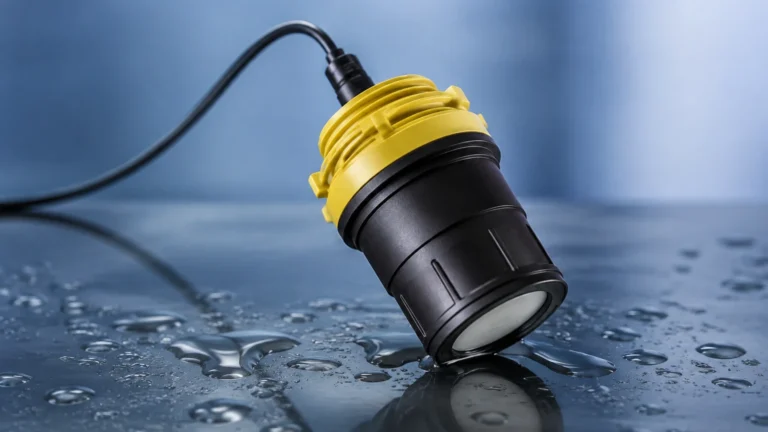
Ultrasonic sensors function similarly to radar but use sound waves. They are highly effective for water-based applications and open-channel measurements within a skid. However, engineers must account for environmental factors; since sound speed varies with air temperature and pressure, these sensors are best suited for stable atmospheric conditions.
Hydrostatic Level Transmitters
For pressurized vessels within a skid, hydrostatic transmitters measure the liquid column's pressure. By knowing the fluid's density, the system converts pressure (measured in bars or pascals) into a precise level reading. This is a reliable method for constant-density fluids in closed-loop systems.
Magnetic Level Gauges
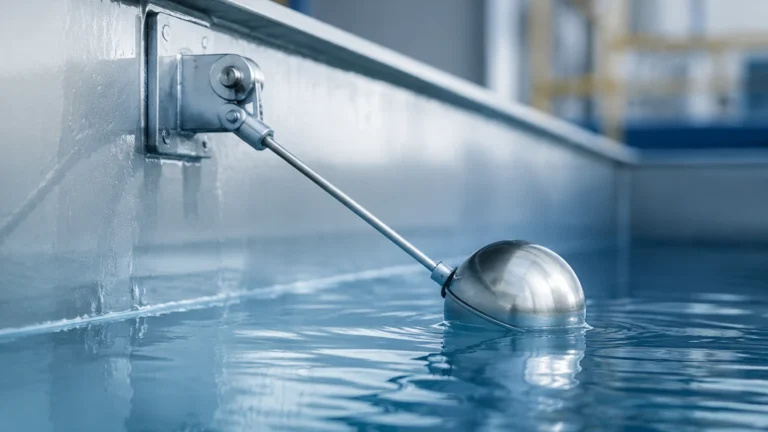
Magnetic gauges provide both a local visual indication and a remote electronic signal. A float containing a magnet moves with the liquid level, flipping colored flaps on an external scale. When paired with a reed switch or transmitter, they provide a robust, power-independent visual backup for critical skid operations.
Design and Engineering of a Metering Skid System
The engineering of a metering skid system is driven by the specific requirements of the application, often referred to as the "process envelope." A standard skid is not merely a collection of parts but a calibrated assembly designed to meet specific flow rates, pressures, and temperatures.
Modular Construction
The primary advantage of a skid-based approach is modularity. Components are mounted on a heavy-duty carbon steel or stainless steel frame. This allows for factory acceptance testing (FAT) before the unit is shipped to the site, significantly reducing field installation time and labor costs.
Piping and Valving
Piping within the skid must adhere to strict international standards such as ASME B31.3. The arrangement of valves—including isolation valves, check valves, and control valves—is designed to allow for maintenance and calibration without shutting down the entire process line. For example, a "double block and bleed" valve configuration is often used to ensure zero leakage during instrument verification.
Control Systems and Data Integration
Modern skids feature integrated Flow Computers or Programmable Logic Controllers (PLCs). These units aggregate data from flow, level, pressure, and temperature sensors to calculate standardized volumes (e.g., correcting for thermal expansion). For those looking to integrate high-precision sensors into their control architecture, the Main Page provides detailed specifications on digital output protocols like HART, Modbus, and Profibus.
Key Evaluation Criteria for Selection
Selecting the right metering skid system requires a balance between initial capital expenditure and long-term operational reliability. Engineers should evaluate the following criteria:
Accuracy and Repeatability
In custody transfer applications, where fluid is being sold or traded, even a 0.1% error can result in significant financial discrepancies. The skid must be designed to maintain its calibrated accuracy across the entire operating range. This often involves selecting high-end radar or Coriolis instruments that offer minimal drift over time.
Material Compatibility
The wetted parts of the instruments and piping must be compatible with the process fluid. For aggressive chemicals, PTFE-lined pipes and Hastelloy sensor diaphragms may be required. In water treatment, stainless steel (304 or 316L) is typically the standard to prevent corrosion and ensure a long service life.
Regulatory Compliance
Depending on the region and industry, the skid may need to meet specific certifications such as ATEX/IECEx for explosive atmospheres, SIL (Safety Integrity Level) for emergency shutdown systems, or OIML standards for legal metrology. Confirming these requirements early in the design phase prevents costly retrofits.
Installation Considerations and Best Practices
The performance of a metering skid system is heavily dependent on how it is installed and integrated into the broader plant infrastructure. Even the most accurate instruments will fail if the physical installation is flawed.
Foundation and Alignment
The skid must be placed on a level, vibration-dampened concrete pad. Misalignment or excessive vibration can cause mechanical stress on the piping joints and interfere with the sensitive electronics of ultrasonic or radar level meters. Leveling bolts are typically used to ensure the frame is perfectly horizontal (within ±2mm per meter).
Straight Run Requirements
Flow meters often require specific lengths of straight pipe upstream and downstream to eliminate turbulence and ensure a fully developed flow profile. While the skid manufacturer usually accounts for this within the frame design, the connection to the external facility piping must also follow these guidelines to prevent flow disturbances at the inlet.
Electrical and Grounding
Proper grounding is essential to protect the skid from electrical noise and lightning strikes. Instrumentation cables should be shielded and separated from high-voltage power lines to prevent signal interference. In hazardous areas, all electrical connections must follow local codes for intrinsically safe or explosion-proof wiring.
Common Risks and Mitigation Strategies
Operating a metering skid system involves managing several technical risks that can compromise data integrity or safety.
| Risk Factor | Potential Impact | Mitigation Strategy |
| :— | :— | :— |
| Calibration Drift | Inaccurate billing or inventory errors | Implement a regular "proving" schedule using a master meter or mobile prover. |
| Cavitation | Damage to valves and flow meters | Ensure the system maintains a back-pressure higher than the fluid's vapor pressure. |
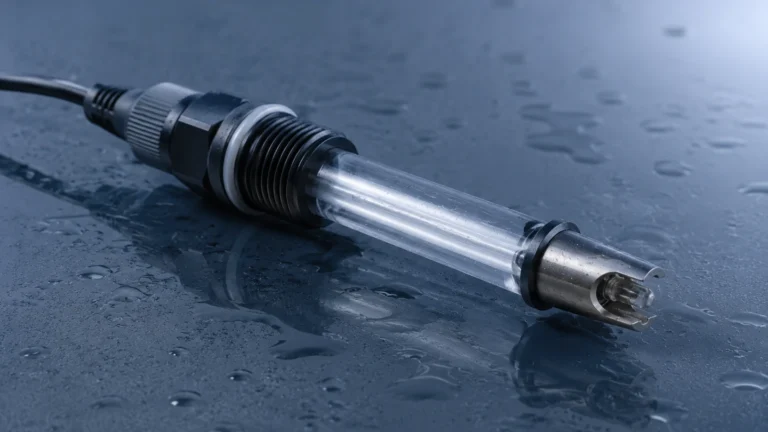
| Signal Interference | Erratic level or flow readings | Use guided wave radar for turbulent surfaces and ensure proper shielding of cables. |
| Thermal Expansion | Pipe stress and volume inaccuracies | Install expansion loops and use flow computers with real-time temperature compensation. |
| Leakage | Environmental hazards and loss of product | Utilize high-quality seals and perform regular hydrostatic pressure tests. |
Practical Selection Table for Level Instrumentation in Skids
When designing the level measurement portion of a skid, use the following table to match the technology to the application requirements.
| Technology | Typical Accuracy | Max Range (Metric) | Best Use Case |
| :— | :— | :— | :— |
| Non-Contact Radar | ±1 mm to ±3 mm | Up to 70 m | High-pressure chemical tanks, volatile liquids. |
| Guided Wave Radar | ±2 mm | Up to 30 m | Small diameter bypass chambers, fluids with low dielectric constants. |
| Ultrasonic | ±0.25% of range | Up to 15 m | Water/wastewater skids, open sumps. |
| Hydrostatic | ±0.1% to ±0.5% | Up to 200 m (H2O) | Constant density fluids in vented or pressurized tanks. |
| Magnetic Gauge | ±5 mm (Visual) | Up to 6 m | Redundant visual indication for high-risk storage. |
Frequently Asked Questions (FAQs)
Q: What is the difference between a process skid and a custody transfer metering skid?
A: A process skid is designed for internal plant operations, such as chemical dosing or filtration. A custody transfer metering skid is built to much higher accuracy standards and must comply with legal metrology laws, as its data is used for financial transactions between buyers and sellers.
Q: How often does a metering skid system require maintenance?
A: While the structural components are low-maintenance, the instruments typically require annual or semi-annual calibration checks. Filters and strainers should be inspected monthly or based on differential pressure readings to prevent debris from damaging the meters.
Q: Can a metering skid handle multiple types of fluids?
A: It depends on the design. Some skids are designed for multi-product use (e.g., different grades of fuel), but this requires sophisticated pigging or flushing systems to prevent cross-contamination and dedicated calibration curves for each fluid's density and viscosity.
Q: How are metric and imperial units handled in international projects?
A: Most modern flow computers can toggle between metric (m³, liters, kg) and imperial (gallons, barrels, lbs) units. However, the physical piping and flange standards (DIN vs. ANSI) must be decided at the start of the engineering phase to ensure compatibility with site connections.
Conclusion and Project Confirmation
Implementing a metering skid system is a significant investment that requires careful coordination between the end-user, the skid integrator, and the instrument manufacturer. Before proceeding with a procurement or design phase, project stakeholders should confirm the following:
1. Fluid Properties: Confirm viscosity, density, and chemical aggressiveness at both minimum and maximum operating temperatures.
2. Accuracy Requirements: Determine if the system is for internal monitoring or legal custody transfer.
3. Site Constraints: Verify available footprint, power supply, and communication protocols (e.g., 4-20mA, Modbus).
4. Redundancy Needs: Decide if critical measurements require secondary sensors (e.g., a radar meter paired with a magnetic level gauge).
By selecting high-quality instrumentation and adhering to rigorous engineering standards, a metering skid system becomes a reliable asset that ensures the precision and safety of industrial fluid handling for decades. For more information on selecting specific level sensors for your next skid project, visit the Main Page to explore our full range of industrial solutions.