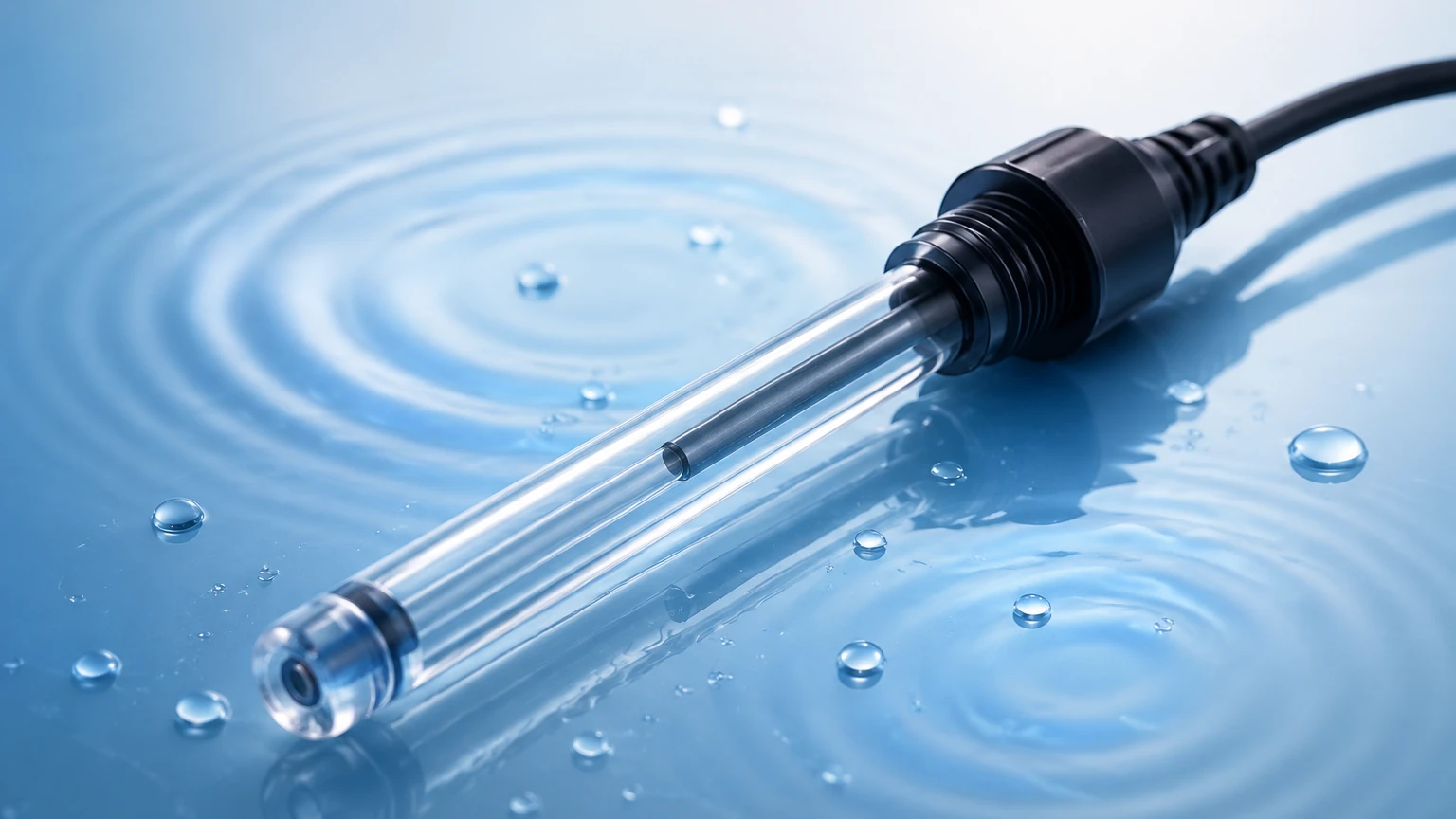
Orp Electrode Probe
Orp Electrode Probe
In industrial process control and water quality monitoring, the oxidation-reduction potential (ORP) is a critical parameter used to determine the oxidizing or reducing power of a solution. An orp electrode probe serves as the primary sensor in this measurement, providing real-time data essential for chemical dosing, disinfection, and wastewater treatment. Unlike pH sensors that measure hydrogen ion activity, an ORP probe measures the relative ability of a chemical species to acquire electrons and thereby be reduced.
Understanding the technical nuances of an orp electrode probe—from its electrochemical principles to its physical construction—is vital for engineers and plant managers who must ensure process stability and regulatory compliance. This guide provides a comprehensive technical overview of ORP technology, selection criteria, and maintenance protocols.
1. Measurement Principles of the ORP Electrode Probe
The measurement of ORP is based on the potential difference generated between a sensing electrode and a reference electrode when immersed in an aqueous solution. This potential is measured in millivolts (mV) and reflects the net balance between oxidizing and reducing agents.
The Electrochemical Cell
An orp electrode probe operates as a galvanic cell. It typically consists of two main components often housed in a single "combination" body:
1. The Sensing Electrode: Usually made of a noble metal such as platinum or gold. This metal does not react with the solution but acts as a surface for electron exchange. If the solution contains strong oxidizers (like chlorine), they will pull electrons from the metal, creating a positive potential. Conversely, reducers (like sodium bisulfite) will donate electrons, creating a negative potential.
2. The Reference Electrode: This provides a stable, constant voltage against which the sensing electrode is compared. Most industrial probes use a Silver/Silver Chloride (Ag/AgCl) reference system immersed in a potassium chloride (KCl) electrolyte.
The Nernst Equation
The relationship between the measured potential and the concentration of chemical species is governed by the Nernst Equation. In simplified terms, the measured mV reading is proportional to the logarithm of the ratio of the activity of the oxidized species to the reduced species. It is important to note that ORP is a non-specific measurement; it reflects the total oxidative state of the solution rather than the concentration of a specific chemical.
2. Key Components and Materials
The durability and accuracy of an orp electrode probe depend heavily on the materials used in its construction. Industrial environments often involve high pressures, extreme temperatures, and corrosive chemicals.
Sensing Element Materials
* Platinum (Pt): The industry standard for most applications. It is highly stable and provides excellent performance in water treatment and general chemical processes.
* Gold (Au): Preferred in specific applications, such as the oxidation of cyanide in metal finishing, where platinum might catalyze unwanted side reactions or suffer from surface fouling in highly alkaline conditions.
Reference Junction Types
The junction is the interface between the internal reference electrolyte and the process liquid. Its design is crucial for preventing "poisoning" of the reference electrode.
* Ceramic Junctions: Common in clean water applications; they provide a slow, steady leak rate of electrolyte.
* Porous Teflon (PTFE) Junctions: Highly resistant to fouling and chemical attack, making them ideal for wastewater and oily processes.
* Double Junction Design: Features an extra internal chamber to protect the primary Ag/AgCl element from contaminants like sulfides, bromides, or heavy metals that can react with silver and ruin the probe.
3. Practical Selection Table
Choosing the right orp electrode probe requires matching the sensor specifications to the specific process conditions. Use the following table as a general engineering reference:
| Application Type | Recommended Sensing Metal | Junction Type | Housing Material |
| :— | :— | :— | :— |
| Cooling Tower Water | Platinum | Single Ceramic | Epoxy or PPS |
| Municipal Wastewater | Platinum | Double PTFE | Ryton (PPS) |
| Cyanide Destruction | Gold | Double PTFE | Glass or PPS |
| High-Pressure Pipelines | Platinum | Tapered/Flush | Stainless Steel/PPS |
| Pure Water Monitoring | Platinum | Refillable Liquid | Glass |
4. Installation Considerations
Proper installation of an orp electrode probe is as important as the sensor selection itself. Incorrect placement can lead to sluggish response times, air-locking, or physical damage.
Orientation and Flow
* Angle of Entry: Probes should generally be installed at an angle of at least 15° to 90° from the horizontal. This ensures that the internal electrolyte stays in contact with the junction and prevents air bubbles from being trapped inside the sensing tip.
* Submersion vs. In-Line: In tanks, the probe must be fully submerged even at low liquid levels. For in-line installation, the probe should be placed in a location with a constant flow (ideally between 0.5 and 2.0 m/s) to ensure a representative sample and to provide a self-cleaning effect on the sensor tip.
Pressure and Temperature
Standard industrial orp electrode probes are typically rated for temperatures up to 80°C (176°F) and pressures up to 6 bar (approx. 87 psi). For high-pressure applications, specialized housings or retractable holders are required to prevent the process fluid from forcing its way into the reference junction.
5. Maintenance and Calibration Protocols
Unlike physical sensors like Main Page level transmitters, electrochemical probes require regular manual intervention to maintain accuracy.
Cleaning the Probe
Fouling is the most common cause of ORP measurement failure. Coatings on the platinum tip prevent electron exchange, leading to "drift" or a "frozen" reading.
* General Debris: Use a soft cloth and mild detergent.
* Mineral Scale: Soak the tip in 5% Hydrochloric Acid (HCl) for 5–10 minutes.
* Oil and Grease: Use a solvent like isopropyl alcohol, followed by a thorough rinse with deionized water.
Calibration (Verification)
ORP probes do not have a "slope" calibration in the same way pH probes do. Instead, they are verified using standard ORP solutions (e.g., Quinhydrone or Light’s Solution).
1. Clean the probe thoroughly.
2. Place the probe in a standard solution (e.g., +200 mV or +475 mV).
3. Allow the reading to stabilize. If the reading is within ±20 mV of the standard, the probe is considered functional. If the deviation is greater, the probe may need aggressive cleaning or replacement.
6. Limitations and Common Risks
While the orp electrode probe is a powerful tool, it has inherent limitations that engineers must account for in their system design.
* Non-Specificity: An ORP probe cannot distinguish between different oxidizers. For example, it will measure the combined effect of chlorine and ozone if both are present.
* pH Dependency: In many chemical reactions, the ORP value is highly dependent on the pH of the solution. For instance, the disinfecting power of chlorine (as HOCl) drops significantly as pH rises, which will be reflected in a lower ORP reading even if the chlorine concentration remains the same.
* Temperature Effects: While ORP is temperature-dependent, there is no universal compensation algorithm like there is for pH. It is best to maintain a constant process temperature for consistent ORP data.
* Poisoning: Certain chemicals, particularly sulfides and heavy metals, can react with the silver ions in the reference electrolyte, creating a solid precipitate that clogs the junction and renders the probe useless.
7. Frequently Asked Questions (FAQ)
Q: How long does an orp electrode probe typically last?
A: In clean water applications, a probe can last 12 to 24 months. In harsh industrial wastewater or high-temperature chemical processes, the lifespan may be reduced to 3 to 6 months.
Q: Why is my ORP reading drifting slowly?
A: This is usually caused by a clogged reference junction or a depleted electrolyte. If cleaning the junction does not stabilize the reading, the probe likely needs replacement.
Q: Can I use a pH meter to read an ORP probe?
A: Yes, most modern pH meters have a "mV mode" that can display the raw signal from an ORP probe. However, the meter must have a high input impedance (typically >10^12 ohms) to avoid loading the circuit.
Q: Is there a difference between ORP and Redox?
A: No, they are the same. ORP stands for Oxidation-Reduction Potential, and "Redox" is a shorthand term for Reduction-Oxidation.
8. Conclusion
The orp electrode probe is a vital instrument for maintaining the efficiency and safety of industrial aqueous processes. By selecting the appropriate sensing materials, ensuring correct installation, and adhering to a strict maintenance schedule, facilities can achieve reliable measurements that protect equipment and ensure product quality. For engineers looking to integrate these sensors into broader automation systems, including tank management and chemical storage, reviewing comprehensive product options and application support on the Main Page is a recommended next step to ensure all instrumentation—from level to liquid analysis—works in harmony.