Oxygen Sensor for Water
Oxygen Sensor for Water
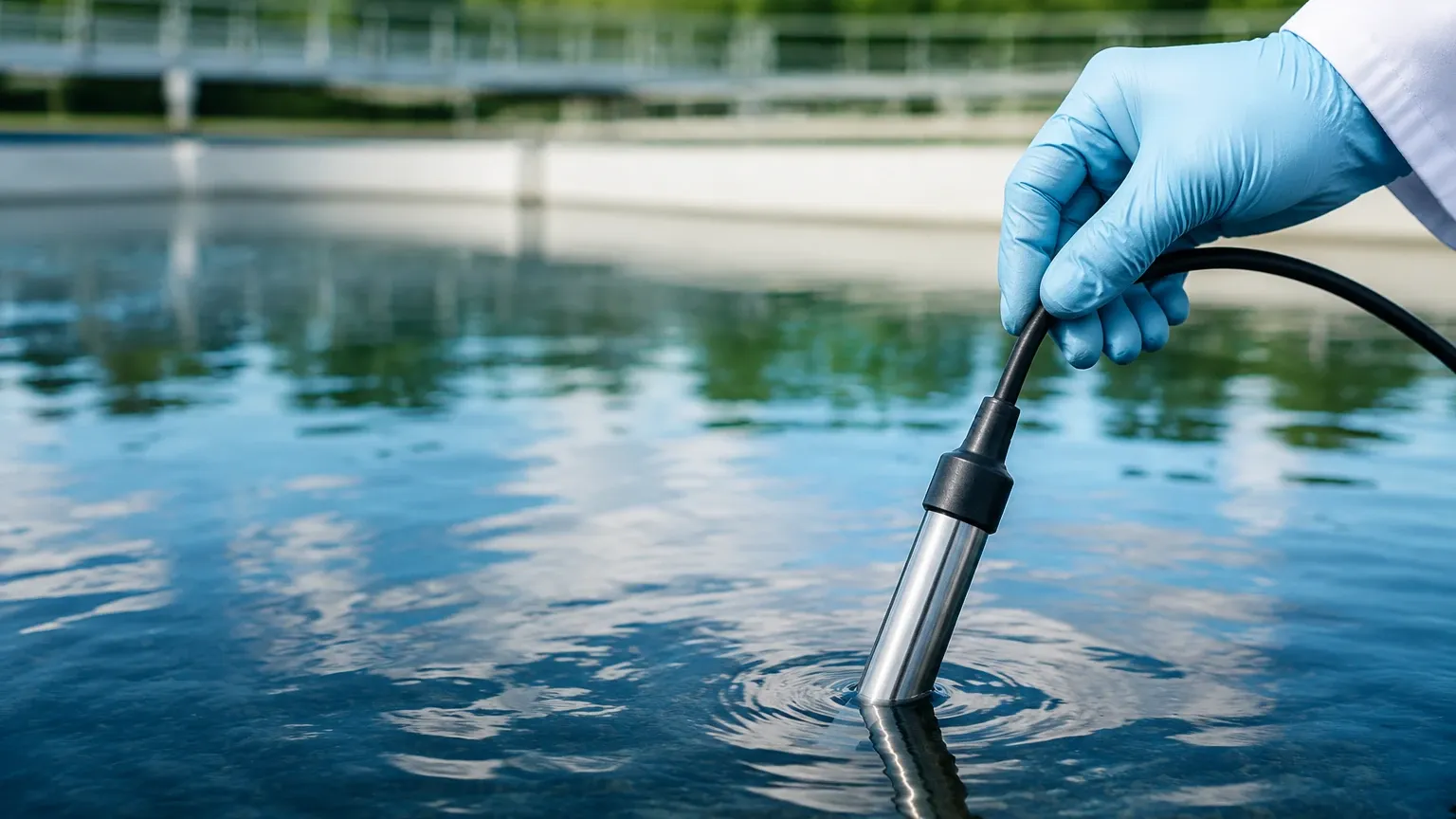
In industrial water treatment, aquaculture, and chemical processing, monitoring dissolved oxygen (DO) is as critical as monitoring pressure or fluid levels. An oxygen sensor for water measures the amount of gaseous oxygen (O2) dissolved in a liquid medium. This parameter is vital because oxygen levels dictate the health of biological processes in wastewater treatment, the corrosivity of boiler feed water in power plants, and the viability of aquatic life in commercial fisheries.
Understanding the technical nuances of an oxygen sensor for water requires a deep dive into measurement principles, sensor construction, and the environmental factors that influence accuracy. This guide provides a practical engineering reference for selecting, installing, and maintaining DO instrumentation in professional environments.
Measurement Principles of Dissolved Oxygen
Dissolved oxygen is not measured directly as a mass; rather, sensors detect the partial pressure of oxygen or the quenching effect oxygen has on specific chemicals. There are three primary technologies used in modern industrial applications: Polarographic, Galvanic, and Optical (Luminescent).
1. Polarographic Sensors
Polarographic sensors are a type of electrochemical sensor that utilizes a cathode, an anode, and an electrolyte solution separated from the process water by a semi-permeable membrane.
* Mechanism: An external electrical voltage (polarizing voltage) is applied to the electrodes. Oxygen molecules diffuse through the membrane and are reduced at the cathode, creating an electrical current.
* Characteristics: These sensors require a "warm-up" period to stabilize the polarization before accurate readings can be taken. They consume oxygen during the measurement process, meaning the water must be constantly moving across the membrane to prevent localized depletion (stagnancy error).
2. Galvanic Sensors
Galvanic sensors operate similarly to polarographic sensors but do not require an external power source to polarize the electrodes.
* Mechanism: The electrode materials (typically lead and silver) have a sufficient difference in electrochemical potential to self-polarize. The reaction begins as soon as the sensor is placed in the electrolyte.
* Characteristics: These sensors provide an instantaneous response and are often preferred for portable or field-use applications where power-up time is a constraint. Like polarographic sensors, they consume oxygen and require a minimum flow rate (typically 0.3 meters per second).
3. Optical (Luminescent) Sensors
Optical oxygen sensors represent the current state-of-the-art in water quality monitoring. They do not rely on chemical reactions or electrode consumption.
* Mechanism: The sensor tip contains a luminophore layer. An LED shines blue light on this layer, exciting the molecules. As the molecules return to their ground state, they emit red light. If oxygen is present, it "quenches" this luminescence. The sensor measures the phase shift or the decay time of the red light to determine the oxygen concentration.
* Characteristics: Optical sensors do not consume oxygen, making them ideal for stagnant water or low-flow environments. They are highly resistant to "poisoning" by gases like hydrogen sulfide (H2S), which can degrade electrochemical membranes.
Key Evaluation Criteria for Industrial Selection
When selecting an oxygen sensor for water, engineers must evaluate the specific constraints of the installation site. While level measurement instruments, such as those found on the Welk Main Page, handle the physical volume of the liquid, the DO sensor handles the chemical state.
Temperature and Pressure Compensation
The solubility of oxygen in water is highly dependent on temperature and atmospheric pressure. As temperature increases, oxygen solubility decreases. Conversely, higher pressure increases the amount of oxygen that can be dissolved. High-quality industrial sensors must include integrated thermistors and pressure compensation algorithms to provide accurate mg/L (milligrams per liter) or ppm (parts per million) readings.
Salinity Correction
In coastal water treatment or brine processing, salinity significantly impacts DO readings. Salt reduces the solubility of oxygen. If the sensor is used in saltwater without salinity compensation, the reported dissolved oxygen value will be higher than the actual concentration. Professional-grade transmitters allow for manual salinity input or integrate with conductivity sensors for real-time correction.
Response Time (T90)
The T90 value indicates the time required for a sensor to reach 90% of its final value following a step change in oxygen concentration. Electrochemical sensors typically have a T90 of 30 to 60 seconds, while optical sensors can vary between 30 and 90 seconds depending on the thickness of the sensing cap.
Practical Selection Table
| Feature | Polarographic | Galvanic | Optical (LDO/RDO) |
| :— | :— | :— | :— |
| Oxygen Consumption | Yes | Yes | No |
| Flow Dependency | High (Requires flow) | High (Requires flow) | None |
| Warm-up Time | 5–20 minutes | None | None |
| Maintenance Interval | 1–3 months (Electrolyte/Membrane) | 1–3 months (Electrolyte/Membrane) | 12–24 months (Cap replacement) |
| H2S Sensitivity | High (Can damage sensor) | High (Can damage sensor) | None |
| Initial Cost | Moderate | Moderate | High |
| Long-term OPEX | High | High | Low |
Installation and Engineering Considerations
Proper placement of an oxygen sensor for water is as critical as the sensor type itself. Incorrect installation leads to erratic data and increased maintenance frequency.
1. Orientation and Angle
Sensors should ideally be installed at a 45-degree angle to the horizontal. This orientation prevents air bubbles from becoming trapped on the sensing membrane or optical cap. Trapped bubbles will cause the sensor to read atmospheric oxygen levels (approximately 20.9%), leading to significant over-reporting of dissolved oxygen.
2. Flow and Turbulence
For electrochemical sensors, ensure the probe is located in a zone with active flow. In tanks with low circulation, a stirring attachment or a flow-through tee may be required. However, avoid areas of extreme turbulence (such as directly under a pump discharge or aerator), as the high concentration of air bubbles will interfere with the reading.
3. Submersion Depth
Ensure the sensor is submerged deep enough to avoid the surface interface where oxygen exchange is most volatile. A minimum depth of 300 mm (approx. 12 inches) is generally recommended for stable readings in open channels or basins.
4. Integration with Process Control
In B2B industrial environments, the oxygen sensor for water is rarely a standalone device. It is typically integrated into a PLC (Programmable Logic Controller) or a SCADA system via 4-20mA, Modbus RS485, or HART protocols. This allows for automated aeration control, where blowers are turned on only when DO levels drop below a specific setpoint, resulting in significant energy savings.
Common Risks and Limitations
Despite advancements in technology, certain conditions can compromise the performance of an oxygen sensor for water:
* Biofouling: In wastewater or aquaculture, algae and bacterial films can grow on the sensor head. This "biofilm" consumes oxygen locally, causing the sensor to report lower-than-actual DO levels. Regular cleaning or the use of sensors with integrated wipers is necessary.
* Membrane Damage: Electrochemical sensors use extremely thin membranes (often Teflon or silicone). These can be easily punctured by suspended solids or debris in the water. Once the membrane is breached, the electrolyte is contaminated, and the sensor fails.
* Chemical Interference: While optical sensors are robust, certain organic solvents or high concentrations of chlorine can degrade the luminophore coating over time.
Frequently Asked Questions (FAQ)
Q: How often should I calibrate my oxygen sensor for water?
A: For electrochemical sensors, weekly or bi-weekly calibration is often necessary due to electrolyte depletion and membrane aging. Optical sensors are much more stable and may only require calibration every 3 to 6 months, depending on the severity of the application.
Q: Can I use a dissolved oxygen sensor in boiling water?
A: Most standard DO sensors are rated for temperatures up to 50°C (122°F). High-temperature versions exist for fermentation or power plant applications that can withstand up to 130°C (266°F) for sterilization, but these are specialized instruments. Always check the sensor's maximum operating temperature.
Q: What is the difference between % Saturation and mg/L?
A: % Saturation measures the partial pressure of oxygen relative to the maximum amount of oxygen that can dissolve in water at that specific temperature and pressure. mg/L (or ppm) is the actual concentration of oxygen by weight. Most industrial transmitters can toggle between these two units.
Q: Why is my sensor reading 0 mg/L in an aerated tank?
A: This usually indicates a "poisoned" electrochemical sensor or a failed optical cap. In electrochemical sensors, hydrogen sulfide (H2S) can coat the anode, stopping the reaction. In optical sensors, a cracked cap or an internal electronic failure may be the cause.
Conclusion
Selecting the right oxygen sensor for water involves balancing the initial capital expenditure against long-term maintenance requirements. For high-fouling environments or applications where flow is inconsistent, optical sensors are the industry preference due to their stability and low maintenance. For cost-sensitive applications with consistent flow, galvanic or polarographic sensors remain viable options.
Effective process monitoring requires a holistic approach. Just as accurate level measurement ensures tank integrity and inventory control, precise dissolved oxygen monitoring ensures the chemical and biological health of the process water. For professionals seeking reliable measurement hardware and engineering support for industrial automation, exploring specialized resources on the Welk Main Page can provide the necessary technical foundation for complex system integration.