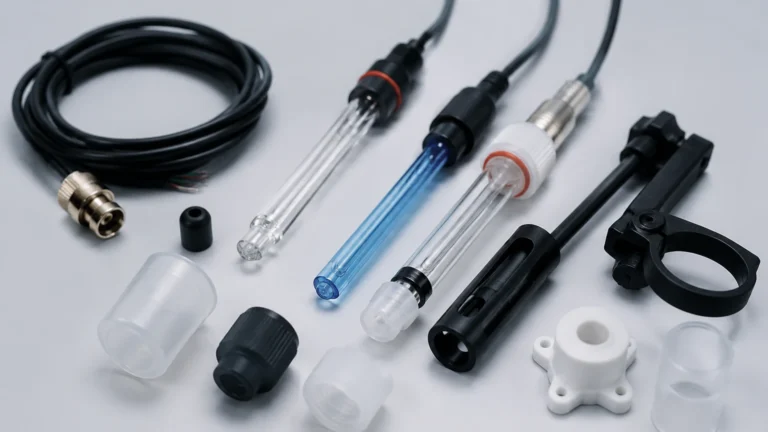
Pressure Trasmitter
Pressure Trasmitter
In the field of industrial automation and process control, the pressure transmitter—often searched for by engineers as a pressure trasmitter—serves as a fundamental component for monitoring both fluid force and liquid levels. While pressure measurement is a distinct discipline, its application in level sensing is one of the most reliable methods used in water treatment, chemical processing, and the oil and gas industry. Understanding the nuances of how these devices function, their selection criteria, and their installation requirements is essential for maintaining process safety and accuracy.
As a professional manufacturer of industrial level measurement instruments, Welk provides a comprehensive range of solutions, including hydrostatic level transmitters that utilize high-precision sensor technology to convert physical pressure into standardized electrical signals. This guide explores the engineering principles behind these devices and provides a framework for selecting the right technology for specific industrial environments.
Understanding the Role of the Pressure Transmitter in Level Measurement
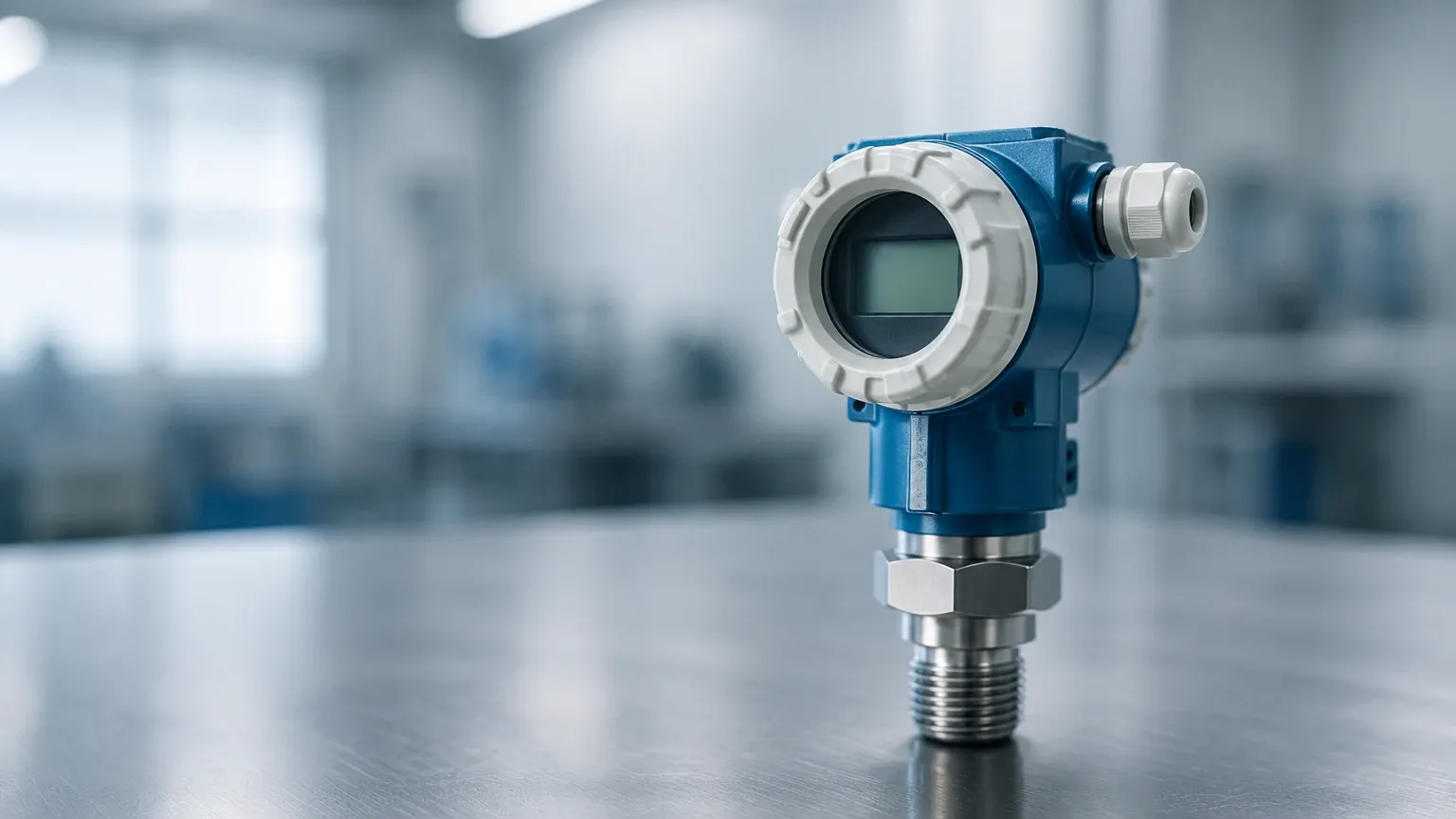
A pressure transmitter is a transducer that measures the force exerted by a fluid (liquid or gas) and converts it into an analog or digital signal, typically 4-20mA or a digital protocol like HART or Modbus. In the context of level measurement, the device specifically measures the hydrostatic pressure exerted by a liquid column.
For many project managers and engineers, the Main Page of a technical supplier serves as the starting point for comparing different sensor architectures. Whether the application involves an open tank, a pressurized vessel, or a deep well, the pressure trasmitter must be configured to account for the specific gravity of the medium and the atmospheric conditions surrounding the vessel.
Core Measurement Principles: From Pressure to Level
The fundamental principle governing the use of a pressure trasmitter for level measurement is the hydrostatic law. This law states that the pressure at a specific point in a static liquid is proportional to the height of the liquid column above that point.
The Hydrostatic Equation
The relationship is defined by the formula:
P = ρ × g × h
Where:
* P is the hydrostatic pressure (measured in Pascals or bar).
* ρ (rho) is the density of the liquid (kg/m³).
* g is the acceleration due to gravity (approximately 9.81 m/s²).
* h is the height of the liquid column (meters).
Because gravity is constant and the density of many industrial liquids is known, the pressure measured by the sensor correlates directly to the level. However, if the density of the liquid changes due to temperature fluctuations, the transmitter must be calibrated or compensated to maintain accuracy.
Types of Pressure Reference
Depending on the application, a pressure transmitter may measure pressure in three different ways:
1. Gauge Pressure: Measured relative to local atmospheric pressure. This is the most common type for open-to-air tanks.
2. Absolute Pressure: Measured relative to a perfect vacuum. These are used in specialized vacuum distillation or high-altitude applications.
3. Differential Pressure (DP): Measures the difference between two pressure points. This is essential for pressurized or sealed tanks where the gas pressure above the liquid must be subtracted from the total pressure at the bottom.
Types of Pressure Transmitters for Industrial Applications
Selecting the correct hardware depends on the physical constraints of the tank and the chemical properties of the fluid. Below are the primary configurations used in modern industrial automation.
1. Submersible Level Transmitters
These devices are designed to be lowered directly into the liquid. The sensor is housed in a waterproof stainless steel or plastic casing, and the cable contains a vent tube to allow the sensor to reference atmospheric pressure. They are ideal for deep wells, reservoirs, and wastewater lift stations.
2. Flange-Mounted / Threaded Transmitters
For tanks where the sensor cannot be submerged, a pressure trasmitter is mounted to the side or bottom of the vessel via a flange or threaded NPT/G connection. This allows for easier maintenance without needing to empty the tank or pull up long cables.
3. Differential Pressure (DP) Cells
In pressurized vessels, such as those found in chemical reactors, the pressure above the liquid (ullage pressure) adds to the hydrostatic pressure. A DP transmitter uses two ports: one at the bottom (high-pressure side) and one at the top (low-pressure side). The device calculates the difference, effectively "canceling out" the gas pressure and leaving only the liquid level measurement.
Key Selection Criteria for Engineering Specifications
When specifying a pressure trasmitter, engineers must evaluate several technical parameters to ensure long-term reliability. The following table provides a comparison of common selection factors:
| Criteria | Submersible Sensors | Side-Mounted (Gauge) | Differential Pressure |
| :— | :— | :— | :— |
| Application | Open wells, sumps | Open tanks, vented vessels | Pressurized tanks, boilers |
| Installation | Top-down suspension | Side/Bottom mounting | Dual-port piping |
| Maintenance | Requires retrieval | External access | Complex piping/valving |
| Media Compatibility | High (Internal seals) | Moderate to High | High (Diaphragm seals) |
| Cost | Low to Moderate | Moderate | High |
Media Compatibility and Diaphragm Materials
The "wetted parts" of the transmitter must be compatible with the process fluid. While 316L stainless steel is the standard, aggressive chemicals may require specialized materials such as:
* Tantalum or Hastelloy: For highly corrosive acids.
* Ceramic Sensors: Excellent for abrasive slurries or fluids that may damage metal diaphragms.
* PTFE Coating: Used to prevent chemical attack on the sensor body.
Pressure Range and Overpressure Protection
It is vital to select a transmitter with a range that covers the maximum possible level of the tank plus a safety margin. Furthermore, the device should have a high overpressure rating to prevent damage during process upsets or pressure surges (water hammer).
Installation Guidelines and Best Practices
Correct installation is as important as selecting the right hardware. Failure to follow best practices can lead to signal drift or total sensor failure.
1. Mounting Location
The pressure trasmitter should be installed in a location where the fluid is relatively static. Avoid placing the sensor directly near an inlet pipe or an agitator, as the turbulence and kinetic energy of the moving fluid will create false pressure readings.
2. Impulse Lines and Venting
For DP transmitters, the impulse lines (the pipes connecting the tank to the sensor) must be sloped to prevent gas bubbles or sediment from becoming trapped. For gauge pressure sensors, ensure the vent port is protected from moisture and debris. If moisture enters the vent tube of a submersible sensor, it can cause internal corrosion and signal failure.
3. Temperature Compensation
If the process fluid undergoes significant temperature changes, the density (ρ) will change. Modern smart transmitters often include internal temperature sensors to provide real-time compensation, ensuring the level reading remains accurate even as the fluid expands or contracts.
Technical Limitations and Environmental Constraints
While pressure-based level measurement is versatile, it is not suitable for every scenario. Engineers should be aware of the following limitations:
* Density Sensitivity: If the tank is used for different liquids with varying densities without recalibration, the level reading will be incorrect. In these cases, radar or ultrasonic sensors may be more appropriate.
* Vacuum Conditions: Standard submersible sensors may fail in vacuum conditions if the internal reference chamber is not designed for negative pressure.
* Sediment Buildup: In wastewater or slurry applications, solids can accumulate on the diaphragm of the pressure trasmitter, leading to a "clogged" reading or a loss of sensitivity. Flush-mounted diaphragms are recommended for these environments.
Frequently Asked Questions (FAQ)
Q: How often should a pressure transmitter be calibrated?
A: Calibration frequency depends on the criticality of the process. For most industrial applications, an annual calibration check is sufficient. However, in highly regulated industries like pharmaceuticals, semi-annual or quarterly checks may be required.
Q: Can I use a pressure trasmitter for boiling liquids?
A: Yes, but it requires a differential pressure setup with a remote seal or a cooling leg (siphon) to protect the electronics from extreme temperatures. The vapor pressure above the boiling liquid must be accounted for using a DP cell.
Q: What is the difference between a pressure sensor and a pressure transmitter?
A: A sensor is the raw element that detects pressure (like a strain gauge), while a transmitter includes the electronics to amplify that signal and convert it into a standardized output (like 4-20mA) suitable for long-distance transmission to a PLC or DCS.
Q: Why is my level reading fluctuating?
A: Fluctuations are often caused by turbulence, air bubbles in the impulse lines, or electrical interference (EMI). Ensure the signal cable is shielded and that the transmitter is mounted away from pump discharges.
Conclusion
The pressure trasmitter remains a cornerstone of industrial level measurement due to its mechanical simplicity and cost-effectiveness. By understanding the hydrostatic principles and carefully matching the sensor material and mounting style to the application, engineers can achieve highly accurate and repeatable results. For those looking to integrate these sensors into a broader automation strategy, visiting a specialized provider's Main Page can provide the technical documentation and product specifications necessary for a successful installation.
Whether you are managing a simple water storage tank or a complex chemical reactor, the right pressure measurement solution ensures that your process remains within safe operating limits while optimizing resource usage.