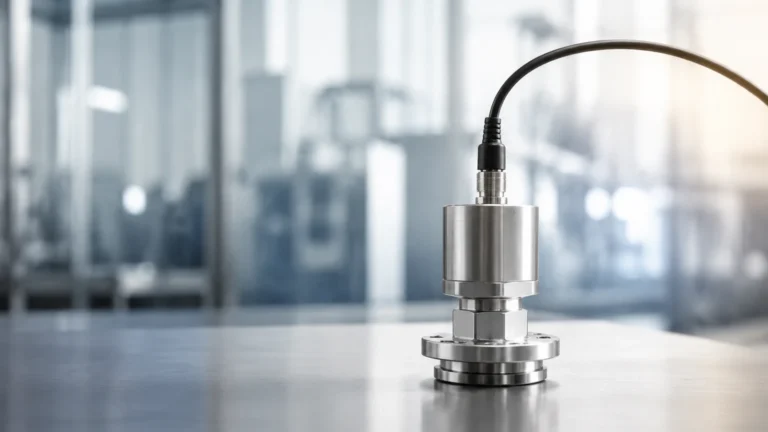
Ph Sensor Accessories
Ph Sensor Accessories
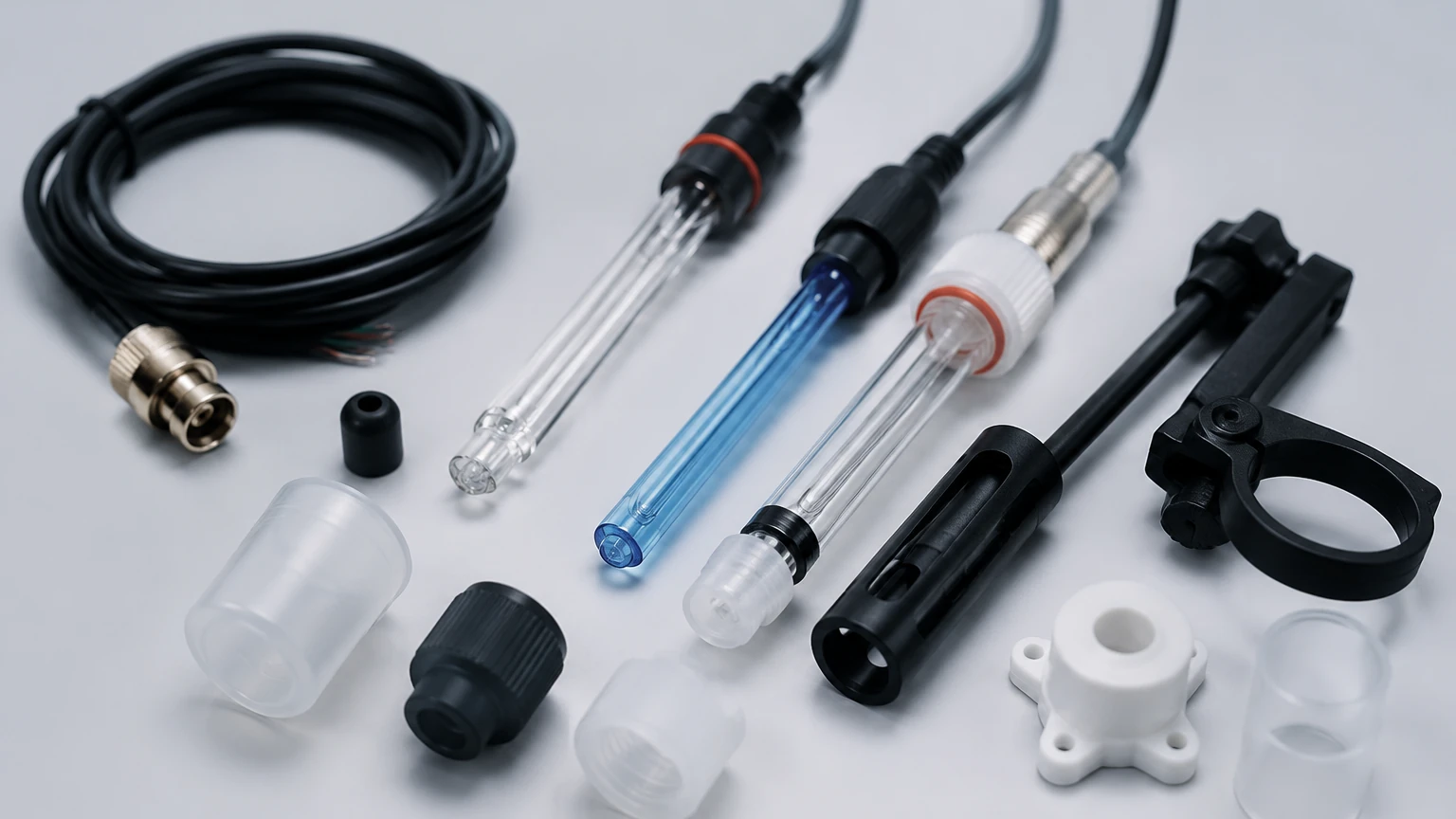
In industrial process control, the accuracy of a pH measurement system depends as much on its peripheral hardware as it does on the primary electrode. While the pH sensor itself performs the electrochemical conversion, the surrounding ph sensor accessories ensure that the signal remains stable, the sensor is protected from harsh environments, and the calibration remains valid over extended service periods. For engineers in water treatment, chemical processing, and industrial automation, selecting the correct accessories is a critical step in reducing the total cost of ownership and preventing frequent manual intervention.
Understanding the Principles of pH Measurement
Before selecting ph sensor accessories, it is essential to understand the underlying measurement principle. Most industrial pH sensors operate on a potentiometric principle, typically using a glass electrode and a reference electrode. The glass electrode develops a potential (voltage) proportional to the hydrogen ion activity in the liquid, following the Nernst equation.
Because the output of a pH sensor is a high-impedance voltage signal—often in the range of millivolts—it is extremely sensitive to electrical noise, temperature fluctuations, and physical fouling. This sensitivity necessitates a robust ecosystem of accessories, ranging from specialized low-noise cables to automated cleaning assemblies. Without these components, even the highest-quality sensor will provide drifted or erroneous data in a matter of days.
Essential Calibration Buffers and Storage Solutions
Calibration is the most frequent maintenance task for any pH system. The sensor’s slope and zero point (isopotential point) change over time due to aging and chemical exposure.
Calibration Buffers
Standard buffer solutions (typically pH 4.01, 7.00, and 10.01) are the primary ph sensor accessories required for routine maintenance. In industrial settings, these should be NIST-traceable to ensure accuracy. It is important to note that pH 10 buffers are particularly susceptible to carbon dioxide absorption from the air, which can lower their pH value over time. Therefore, single-use sachets or fresh bottles are recommended for high-precision applications.
Storage Solutions
A pH electrode must never be allowed to dry out. The hydrated gel layer on the glass membrane is essential for ion exchange. Storage accessories, such as wetting caps filled with 3M KCl (Potassium Chloride) solution, are vital for maintaining sensor readiness during downtime or shipping. Using deionized water for storage is a common error that can leach ions from the glass membrane and permanently damage the sensor.
Mounting Assemblies and Process Connections
How a sensor is physically integrated into a tank or pipe determines its lifespan and ease of maintenance. Mounting assemblies are among the most diverse ph sensor accessories available.
1. Immersion Holders: Used for open tanks or basins, these holders typically consist of a long pipe (0.5 to 3 meters) that protects the sensor and cable from the liquid. They are common in wastewater treatment plants.
2. Flow-Through Cells: Designed for bypass lines, these allow a small portion of the process fluid to pass over the sensor at a controlled velocity. This is ideal for high-purity water applications where flow stability is required.
3. Retractable (Hot-Tap) Assemblies: These are critical for continuous processes where the line cannot be shut down for sensor cleaning or replacement. A retractable assembly allows the operator to withdraw the sensor through a ball valve, isolating it from the process pressure (often up to 6 or 10 bar) without leakage.
Signal Transmission: Cables and Connectors
Because the raw signal from a pH probe is high-impedance, the choice of cabling is paramount. Standard copper wire is insufficient. Specialized pH cables feature multiple layers of shielding, including a semi-conductive layer to drain static electricity caused by cable movement (the triboelectric effect).
Connectors have also evolved. While the traditional S8 or BNC connectors are still used, many modern industrial systems utilize inductive or digital connectors (such as VP or M12). These digital connectors convert the analog signal to a digital protocol at the sensor head, making the system immune to moisture and electromagnetic interference (EMI). This is particularly useful in large-scale plants where the distance between the sensor and the transmitter may exceed 15 meters.
Automated Cleaning Systems
In applications involving oil, grease, or mineral scaling (such as lime softening), the pH sensor membrane can become fouled quickly. Manual cleaning is labor-intensive and increases the risk of mechanical breakage. Automated cleaning accessories mitigate this risk:
* Spray Cleaning: A nozzle integrated into the mounting assembly periodically blasts the sensor tip with water, acid, or a detergent.
* Ultrasonic Cleaning: A transducer generates high-frequency vibrations that prevent solids from adhering to the glass membrane.
* Brush Cleaning: Mechanical brushes physically wipe the sensor, though this is less common due to the fragility of the glass bulb.
Selection Table: Choosing the Right Mounting Accessory
| Application Type | Recommended Accessory | Key Advantage | Limitation |
| :— | :— | :— | :— |
| Open Wastewater Basin | Immersion Pipe (PP/PVC) | Cost-effective, easy access | Not suitable for pressurized lines |
| High-Pressure Chemical Line | Stainless Steel Retractable Holder | Maintenance without shutdown | Higher initial investment |
| High-Purity Water Bypass | Stainless Steel Flow Cell | Stable flow, prevents CO2 ingress | Requires bypass piping |
| Fibrous Pulp Slurry | Automatic Spray Cleaner | Reduces manual cleaning cycles | Requires external water/air supply |
Installation Considerations and Best Practices
Proper installation of ph sensor accessories is as important as the selection itself. Engineers should consider the following:
* Orientation: pH sensors should generally be installed at least 15° above the horizontal. This ensures that the internal electrolyte stays in contact with the pH bulb and prevents air bubbles from being trapped inside the sensor tip.
* Grounding: Ground loops are a frequent cause of unstable pH readings. Using a solution ground (a metal pin in the sensor body) or a dedicated grounding accessory can help dissipate stray currents in the process liquid.
* Cable Routing: pH cables should never be run in the same conduit as high-power AC lines to prevent inductive noise.
In many industrial environments, pH monitoring is part of a larger instrumentation suite. For instance, in chemical dosing tanks, level measurement is equally vital to ensure the pH reagents are available. For comprehensive information on industrial measurement solutions, including radar and ultrasonic systems, professionals can visit the Main Page to review product options and application support.
Common Risks and Limitations
While accessories enhance performance, they are not a cure-all. Users must be aware of specific limitations:
1. Temperature Sensitivity: pH is highly temperature-dependent. If the process temperature fluctuates, an Automatic Temperature Compensation (ATC) probe (often a Pt100 or Pt1000) must be used as a mandatory accessory.
2. Chemical Compatibility: The materials of the mounting hardware (O-rings, gaskets, and holder bodies) must be compatible with the process fluid. For example, EPDM O-rings are excellent for many applications but fail in the presence of certain hydrocarbons, where Viton or Kalrez would be required.
3. Pressure Spikes: In retractable assemblies, sudden pressure surges can damage the sensor glass. Installing pressure dampeners or choosing reinforced sensor designs is necessary in high-pressure environments.
Frequently Asked Questions (FAQs)
Q: How often should I replace my calibration buffers?
A: Once opened, pH 4 and 7 buffers typically last 3 to 6 months if stored properly. pH 10 buffers should be replaced every 1 month due to their sensitivity to air. Always check the expiration date on the bottle.
Q: Can I use a standard BNC cable for my pH sensor?
A: Only for very short distances in laboratory settings. For industrial use, you must use high-impedance, double-shielded cables specifically designed for pH sensors to avoid signal loss and noise.
Q: What is the benefit of a digital sensor connector over an analog one?
A: Digital connectors (like M12 or Variopin) allow for longer cable runs without signal degradation and can store calibration data directly on the sensor head, enabling "plug and play" replacement in the field.
Q: When is a retractable holder necessary?
A: A retractable holder is necessary whenever the process cannot be stopped for sensor maintenance. This is common in continuous chemical production, large-scale fermentation, and critical water supply lines.
Conclusion
Selecting the right ph sensor accessories is a balancing act between process requirements, maintenance budgets, and accuracy needs. By investing in high-quality mounting hardware, shielded cabling, and automated cleaning systems, industrial operators can significantly extend the life of their sensors and ensure the reliability of their process data. Whether managing a simple wastewater neutralization tank or a complex chemical reactor, the hardware surrounding the sensor is the key to successful long-term monitoring.