Sensus Cordonel
Sensus Cordonel
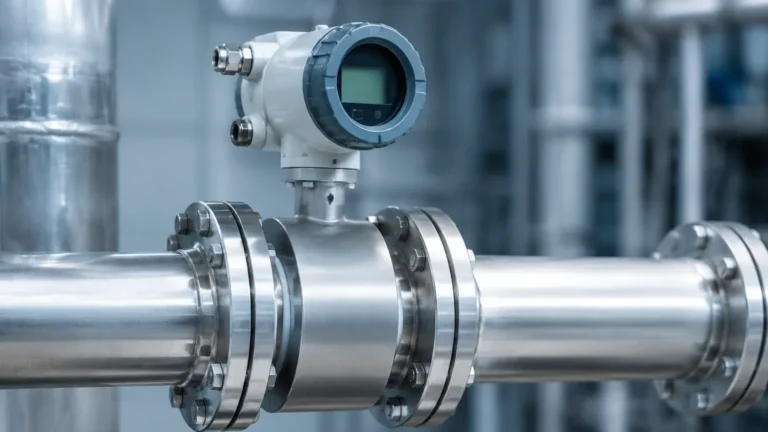
In the landscape of industrial water management and commercial utility billing, the Sensus Cordonel represents a significant shift from mechanical to static metering technology. As a high-performance ultrasonic water meter designed for commercial and industrial (C&I) applications, it addresses the critical need for long-term accuracy and data integration. For engineers and facility managers, understanding the underlying technology and its practical application is essential for optimizing water networks and ensuring precise billing.
While flow measurement is often viewed as a separate discipline from level measurement, the two are intrinsically linked in industrial automation. Accurate flow data from devices like the Sensus Cordonel provides the necessary input for mass balance calculations and leak detection, complementing the data gathered by level sensors in tanks and reservoirs. For those seeking a comprehensive suite of measurement tools, including radar and ultrasonic level sensors, exploring the Main Page of specialized manufacturers like Welk can provide the broader context needed for full-system integration.
Understanding Ultrasonic Transit-Time Measurement
The Sensus Cordonel operates on the ultrasonic transit-time principle. Unlike mechanical meters that rely on moving parts like turbines or pistons, this static meter uses pairs of ultrasonic transducers to measure the velocity of the water.
The Measurement Principle
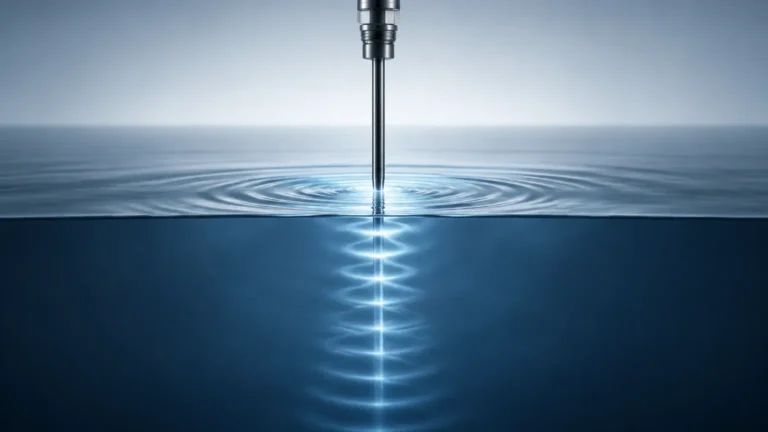
In this configuration, transducers are mounted opposite each other. Each transducer acts as both a transmitter and a receiver. The meter sends ultrasonic pulses both upstream (against the flow) and downstream (with the flow).
1. Downstream Travel Time: The pulse traveling with the flow moves faster.
2. Upstream Travel Time: The pulse traveling against the flow moves slower.
3. Time Difference: The electronics within the meter calculate the difference between these two travel times. This difference is directly proportional to the velocity of the water flowing through the pipe.
Because the cross-sectional area of the meter body is known, the device can accurately calculate the volumetric flow rate. This method is highly precise and, because there are no physical components obstructing the flow, it results in negligible pressure loss and eliminates mechanical wear.
Technical Specifications and Performance Data
The Sensus Cordonel is engineered to handle the rigorous demands of industrial environments. Its design focuses on durability and sustained accuracy over a long operational lifespan, typically rated for up to 20 years of battery life depending on the communication profile.
Key Technical Parameters
* Size Range: Typically available from DN40 to DN300 (1.5" to 12").
* Pressure Rating: Standard PN16 (16 bar), with options for higher pressure ratings in specific configurations.
* Temperature Range: Designed for cold water applications (up to 30°C or 50°C) and sometimes warm water variants.
* Accuracy Class: Compliant with MID (Measuring Instruments Directive) and OIML R49 standards, often achieving R1000 accuracy ratios.
* Protection Class: IP68, ensuring the device can operate even when submerged in flooded pits.
Communication and Data Integration
The device is not merely a meter but a data point in an Advanced Metering Infrastructure (AMI). It supports various communication protocols, including:
* Sensus RF: A proprietary long-range radio frequency for walk-by/drive-by or fixed network reading.
* M-Bus/wM-Bus: Standardized protocols for European utility reading.
* Pulse Output: For integration with legacy SCADA systems or external data loggers.
* NB-IoT / LoRaWAN: Modern LPWAN options for remote, wide-area connectivity.
Comparison with Traditional Metering Technologies
When selecting a meter for C&I applications, engineers must weigh the benefits of ultrasonic technology against traditional mechanical or electromagnetic options. The following table provides a comparison based on key operational criteria.
| Feature | Sensus Cordonel (Ultrasonic) | Mechanical (Woltman/Turbine) | Electromagnetic (Mag Meter) |
| :— | :— | :— | :— |
| Moving Parts | None | Yes (Subject to wear) | None |
| Pressure Loss | Negligible | Moderate to High | Zero |
| Low Flow Sensitivity | Excellent (Starts at <10 L/h) | Poor (Requires high velocity) | Good |
| Power Source | Internal Battery (15-20 yrs) | None (Mechanical) | External Power (Usually) |
| Straight Pipe Req. | U0 / D0 (Zero requirements) | U5 / D3 (Significant) | U5 / D2 (Moderate) |
| Maintenance | Minimal | High (Recalibration/Repair) | Low |
| Initial Cost | Moderate/High | Low | High |
| Accuracy Over Time | Stable | Declines with wear | Stable |
Installation and Maintenance Considerations
One of the primary advantages of the Sensus Cordonel is its flexibility in installation. Traditional meters often require long runs of straight pipe upstream and downstream to stabilize the flow profile before measurement. The Cordonel is designed to be "U0/D0" compliant, meaning it can be installed immediately after a bend or valve without losing accuracy.
Installation Checklist
1. Orientation: The meter can typically be installed in horizontal, vertical, or inclined positions. However, it must always be full of water to maintain the ultrasonic signal path.
2. Air Pockets: Ensure the piping layout prevents air from being trapped in the meter body, as air bubbles will disrupt the ultrasonic pulses.
3. Alignment: While U0/D0 is supported, ensuring the gaskets do not protrude into the flow path is a best practice to avoid unnecessary turbulence.
4. Environmental Factors: While IP68 rated, the communication range can be affected by deep burial or metal pit lids. External antennas may be required for remote data transmission.
Maintenance and Longevity
Because there are no bearings to wear out or propellers to clog, maintenance is largely digital. The meter performs self-diagnostics and can report issues such as empty pipes, reverse flow, or battery depletion via its communication interface. The primary maintenance task is the eventual replacement of the unit or battery after its 15–20 year lifecycle.

Integration with Industrial Automation and Level Monitoring
In a B2B context, the Sensus Cordonel is rarely a standalone device. It is part of a larger ecosystem of process control. For instance, in a water treatment plant, the flow data from the Cordonel is synchronized with the level data from a chemical storage tank. If the flow rate increases but the chemical dosing level (monitored by a hydrostatic level transmitter) remains static, the system can trigger an alarm for a dosing pump failure.
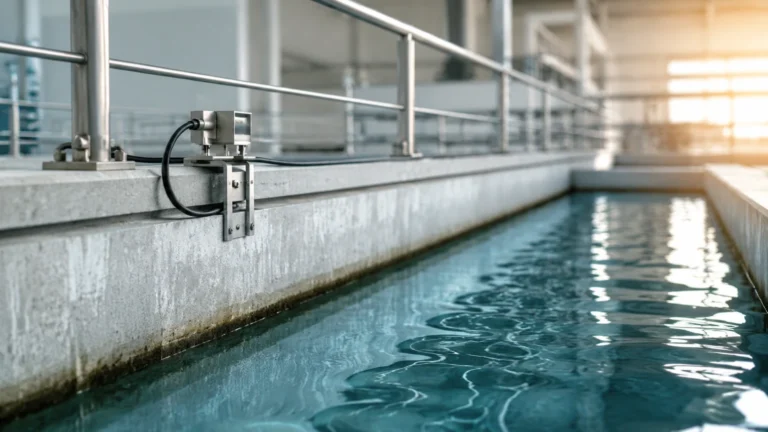
Welk provides the essential level measurement components that work alongside flow meters like the Sensus Cordonel. By integrating high-accuracy radar level meters or ultrasonic level sensors into the same network, operators gain a 360-degree view of their fluid assets. This synergy is vital for:
* Leakage Management: Comparing water pumped (flow) vs. water stored (level changes).
* Automated Billing: Ensuring that industrial consumers are charged based on actual consumption recorded by the Cordonel.
* Process Efficiency: Optimizing pump speeds based on real-time flow and tank level demand.
Common Risks and Limitations
While the Sensus Cordonel is a robust instrument, certain conditions can limit its effectiveness. Engineers should confirm the following before deployment:
* High Solids Content: While more resilient than mechanical meters, extremely high concentrations of suspended solids or heavy aeration can interfere with the ultrasonic signal. For wastewater or slurries, an electromagnetic meter or specialized level sensor might be more appropriate.
* Temperature Extremes: Ensure the process fluid stays within the rated temperature range. Ultrasonic transducers are calibrated for specific sound velocities in water at certain temperatures; significant deviations can impact accuracy if not compensated for.
* Signal Interference: In rare industrial environments, high-frequency vibration or specific electrical noise can interfere with ultrasonic signals, though the Cordonel’s shielding is designed to mitigate this.
* Battery Management: For NB-IoT or high-frequency data logging, the battery life will be significantly shorter than the advertised 20 years. The communication interval must be balanced against the required battery lifespan.
Frequently Asked Questions (FAQ)
Q: Does the Sensus Cordonel require periodic recalibration?
A: Unlike mechanical meters, the Cordonel does not suffer from mechanical drift. However, local regulations may require periodic verification. Many users perform "in-situ" verification using a portable ultrasonic flow meter to check accuracy without removing the device.
Q: Can the meter detect leaks?
A: Yes. Because of its high sensitivity to low flow rates (low starting flow), it can detect small, continuous flows that typically indicate a leak downstream. Many models have built-in leak detection algorithms that trigger an alarm after a set period of continuous flow.
Q: Is it suitable for sea water or deionized water?
A: The materials of construction (typically composite or lead-free copper alloy) must be checked for compatibility. Standard models are designed for potable water. For aggressive fluids, specialized industrial sensors from the Main Page of a dedicated instrument manufacturer should be consulted.
Q: What happens if the battery dies?
A: The meter will stop measuring and communicating. However, the totalized volume data is stored in non-volatile memory, so the data is not lost and can be retrieved once the unit is serviced or replaced.
By understanding these technical nuances, industrial stakeholders can effectively implement the Sensus Cordonel as a cornerstone of their water management strategy, ensuring long-term reliability and data-driven decision-making.