Single Use Ph Probe
Single Use Ph Probe
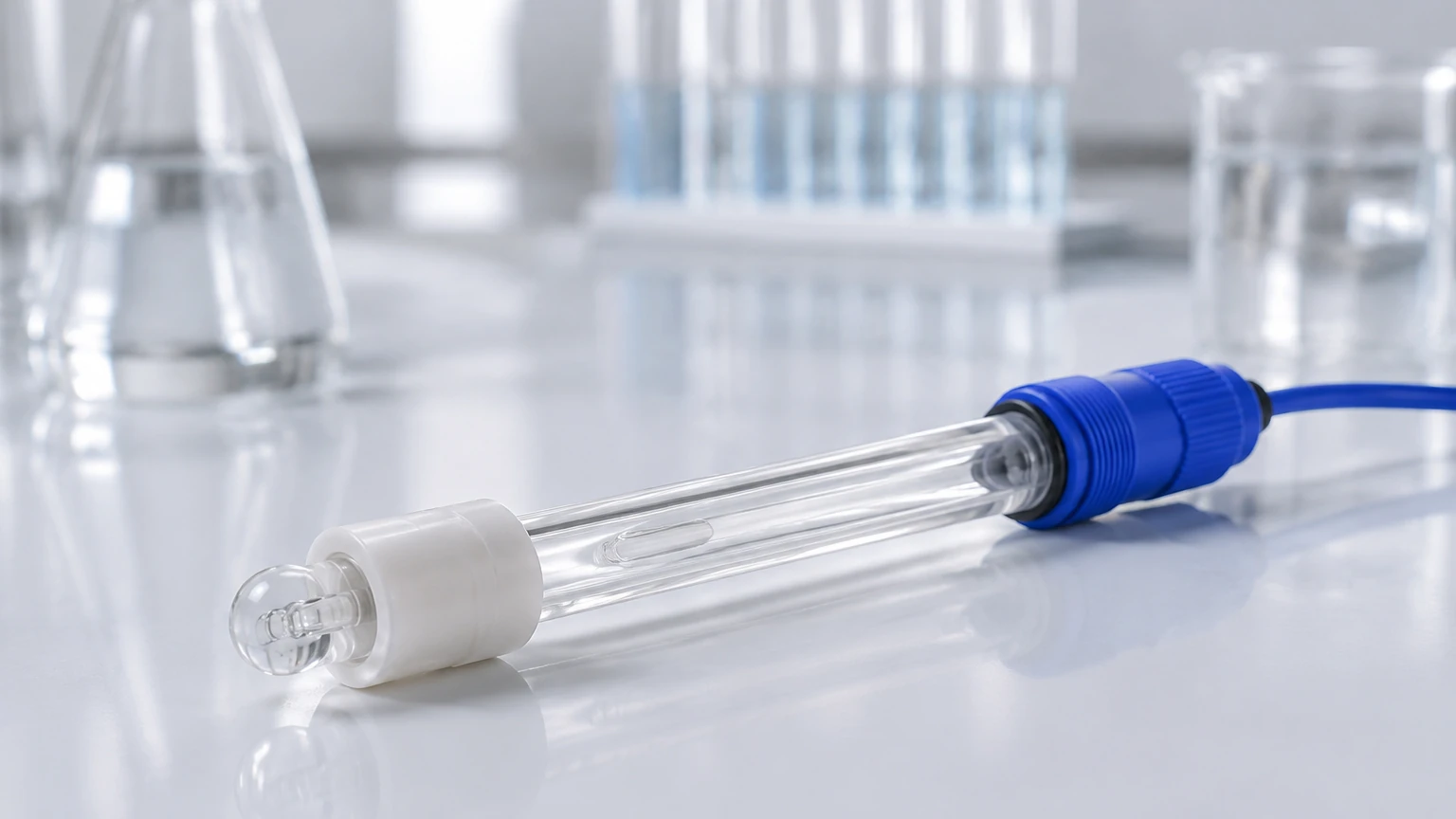
In the landscape of modern bioprocessing and industrial chemical monitoring, the transition from reusable stainless steel components to disposable technologies has significantly altered operational workflows. The single use ph probe is a central component of this shift, particularly within the pharmaceutical, biotechnology, and specialized chemical sectors. These sensors are designed to provide accurate electrochemical measurements without the need for the intensive cleaning and sterilization protocols required by traditional glass electrodes.
This article provides a technical overview of single-use pH measurement technology, its underlying principles, selection criteria, and its integration into wider industrial automation systems, including its relationship with level measurement instrumentation.
Measurement Principles of Single-Use pH Sensors
The fundamental principle of pH measurement remains consistent whether the probe is reusable or single-use. It is based on the potentiometric method, which measures the potential difference between a sensing electrode and a reference electrode.
The Electrochemical Principle
In a standard pH sensor, the sensing electrode is typically a glass membrane sensitive to hydrogen ions (H+). When immersed in a solution, an ion exchange occurs on the hydrated outer layer of the glass, creating a potential. The reference electrode provides a stable, known potential against which the sensing electrode is compared. This relationship is governed by the Nernst equation:
$$E = E_0 + \frac{2.303RT}{nF} \log(a_{H+})$$
Where:
* E is the measured potential.
* E0 is the standard electrode potential.
* R is the gas constant.
* T is the absolute temperature in Kelvin.
* n is the ionic charge.
* F is the Faraday constant.
* aH+ is the activity of hydrogen ions.
Adaptation for Single-Use Applications
A single use ph probe must overcome specific challenges that traditional probes do not face. Most notably, they must withstand gamma radiation (typically 25–45 kGy) used for sterilizing the entire single-use assembly (bags, tubing, and sensors). Traditional liquid-filled glass electrodes often fail under radiation due to the degradation of the electrolyte or the glass structure itself. Consequently, single-use probes often utilize specialized glass formulations or solid-state technologies, such as Ion-Sensitive Field-Effect Transistors (ISFET) or optical (fluorescence-based) sensing, though electrochemical glass electrodes remains the industry standard for high-accuracy bioprocessing.
Single-Use vs. Reusable pH Probes: A Technical Comparison
Choosing between a single-use and a reusable probe involves evaluating capital expenditure (CAPEX) versus operational expenditure (OPEX), as well as risk management regarding cross-contamination.
| Feature | Single-Use pH Probe | Reusable Glass pH Probe |
| :— | :— | :— |
| Sterilization | Gamma irradiated with the assembly | Autoclave or Steam-in-Place (SIP) |
| Cleaning | Not required (disposable) | Cleaning-in-Place (CIP) required |
| Calibration | Pre-calibrated or "one-point" offset | Full multi-point calibration before each use |
| Risk of Contamination | Negligible (closed system) | Moderate (requires validated cleaning) |
| Installation | Integrated into bag/bioreactor | Requires housing and port entry |
| Drift | Generally higher over long durations | Lower; can be recalibrated mid-process |
| Shelf Life | Limited (typically 6–24 months) | Indefinite if stored correctly |
Selection Criteria for Industrial Applications
When specifying a single use ph probe for a process, engineers must evaluate several performance parameters to ensure the sensor meets the rigorous demands of the application.
1. Accuracy and Range
Most industrial pH probes cover a range of 0 to 14 pH. However, the accuracy is often highest in the neutral range (pH 4 to 10). For bioprocessing, an accuracy of ±0.05 to ±0.1 pH units is typically required. It is essential to confirm that the probe maintains this accuracy across the expected temperature range of the process, usually 5°C to 50°C.
2. Drift Stability
Drift is the gradual deviation of the sensor's reading over time while the actual pH remains constant. In long-term fermentations that may last 14 to 21 days, drift can become a significant issue. High-quality single-use probes are designed to limit drift to less than 0.01 pH units per day.
3. Response Time
The response time (t90) is the time it takes for the sensor to reach 90% of its final value following a step change in pH. For dynamic processes where acid or base is being added rapidly, a response time of less than 30 seconds is preferred.
4. Material Compatibility and Compliance
All materials in contact with the process fluid (wetted parts) must be USP Class VI compliant and free of animal-derived components (ADCF). This ensures that no leachables or extractables contaminate the product.
Installation and Integration Considerations
Integrating a single use ph probe into an industrial workflow requires careful planning regarding the physical interface and the data communication protocol.
Physical Integration
Single-use probes are often pre-installed into a single-use bioreactor (SUB) or a mixing bag via a dedicated port. Common connection types include:
* 1-inch Hose Barb: For direct insertion into tubing lines.
* Tri-Clamp (TC) Fittings: Standard in hygienic environments, typically 0.5-inch or 1.5-inch sizes.
* Screw-in Ports: Specific to certain bioreactor brands.
Automation and Level Control
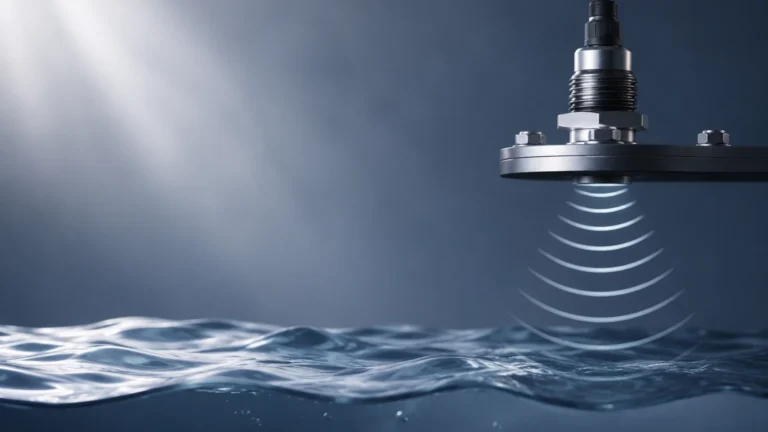
In automated fluid handling, pH measurement does not exist in isolation. It is frequently paired with level measurement to ensure the sensor remains fully submerged. If the liquid level drops below the probe's sensing tip, the readings will fail, and the control system may inadvertently add excessive amounts of acid or base, potentially ruining the batch.
For systems utilizing single-use technology, non-invasive level measurement is preferred. Engineers often refer to the Main Page of instrumentation specialists like Welk to select radar or ultrasonic level sensors that can measure through the walls of plastic containers or via specialized top-mounted ports. This integration ensures that the pH control loop only operates when the level sensors confirm the probe is safely covered by the process media.
Limitations and Operational Risks
Despite their advantages, single use ph probes have specific limitations that must be managed:
* Gamma Sensitivity: The sensing membrane and the internal reference buffer can be affected by the sterilization process. Some probes require a "rehydration" period after the bag is filled before they provide stable readings.
* Storage Conditions: Because they are often stored "dry" or with a small amount of storage solution in a sealed cap, they are sensitive to temperature extremes during shipping and storage. Freezing can destroy the reference junction.
* Calibration Limitations: Unlike reusable probes, you cannot easily perform a three-point buffer calibration once the probe is inside a sterile, closed-system bag. Most operators rely on a "product calibration" or "one-point offset," where a sample is pulled from the bag, measured with a calibrated benchtop meter, and the single-use transmitter is adjusted to match.
Maintenance and Troubleshooting
Since the probe is disposable, "maintenance" in the traditional sense (cleaning, refilling electrolyte) is not performed. Instead, maintenance focuses on pre-use verification and signal integrity.
1. Pre-use Verification: Check the manufacturer’s calibration certificate. Many single-use sensors come with a data chip or a barcode containing the slope and intercept values determined at the factory.
2. Signal Integrity: Ensure the cable connections between the probe and the transmitter are dry and secure. Moisture in the connector can cause high-impedance paths, leading to erratic readings.
3. End-of-Life: Once the process run is complete, the probe is disposed of along with the bag. It is critical to ensure that the probe is disconnected from the transmitter before the bag is moved to prevent damage to the instrumentation cables.
Frequently Asked Questions (FAQ)
Q: Can a single use ph probe be used for more than one batch?
A: No. By definition, they are designed for a single campaign. Attempting to reuse them introduces significant risks of cross-contamination and sensor failure, as they are not designed to withstand the CIP/SIP cycles required for multi-use equipment.
Q: How long can a single-use pH probe remain submerged during a process?
A: Most are validated for continuous use for up to 90 days, though the majority of applications last between 7 and 21 days.
Q: What is the typical shelf life of these sensors?
A: Depending on the technology and storage method, shelf life typically ranges from 12 to 24 months. Always check the expiration date, as the reference junction can dry out over time.
Q: Are single-use pH probes compatible with high-temperature applications?
A: They are generally designed for standard bioprocessing temperatures (up to 50°C). They are not suitable for high-temperature chemical synthesis or processes requiring continuous operation above 60°C, as the plastic components and specialized electrodes may degrade.
Conclusion
The single use ph probe offers a reliable and efficient alternative to traditional glass electrodes in environments where speed, sterility, and the reduction of cleaning validation are priorities. By understanding the electrochemical principles and the specific constraints of disposable technology—such as gamma radiation sensitivity and calibration offsets—engineers can successfully integrate these sensors into complex automated systems. When combined with robust level measurement solutions from providers like Welk, these sensors contribute to a highly controlled and repeatable industrial process.