Udw3 Waterproof Sensor
Udw3 Waterproof Sensor
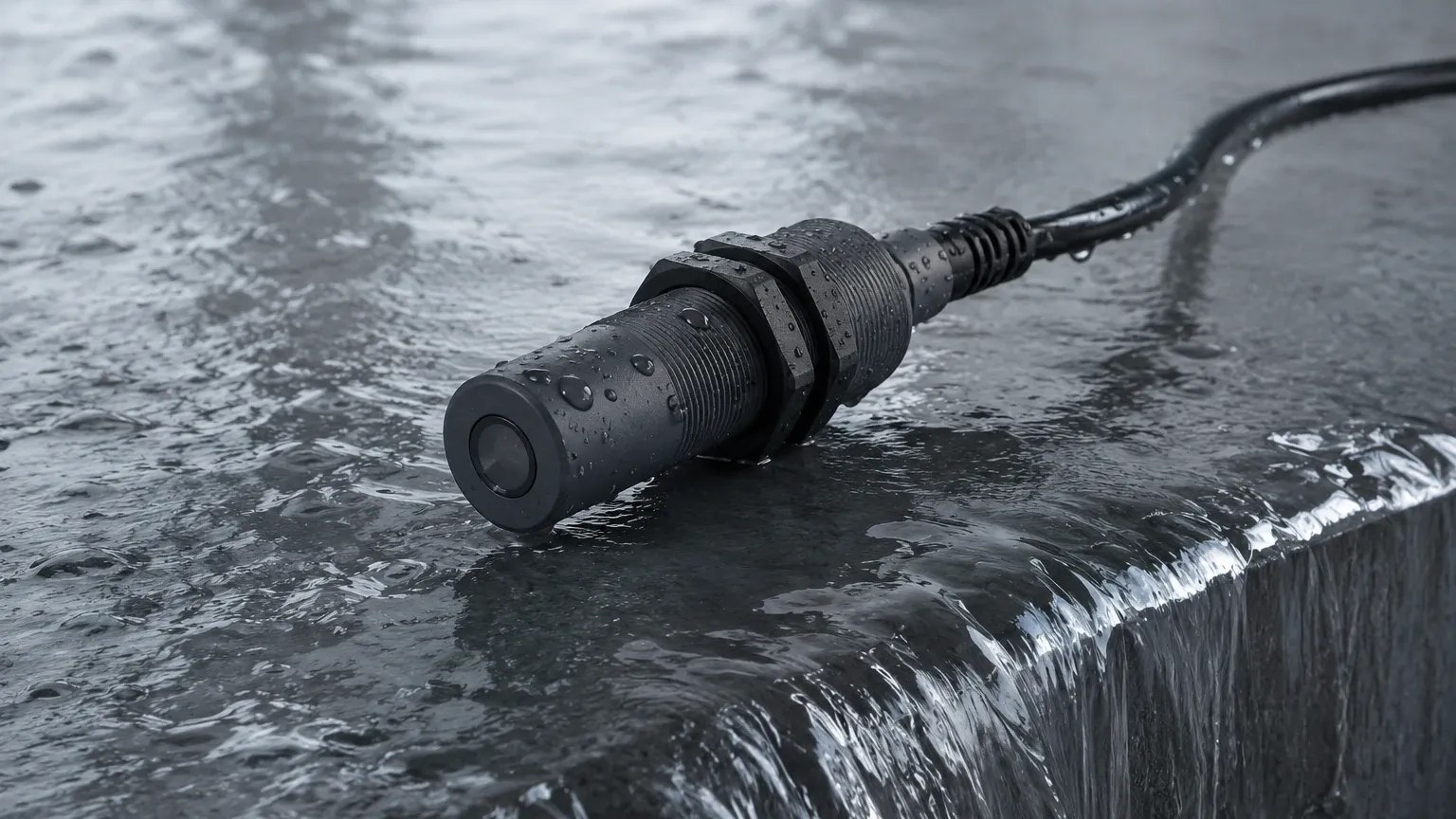
In the field of industrial automation and environmental monitoring, the demand for robust, non-contact level measurement has led to the development of specialized hardware capable of withstanding extreme moisture and occasional submersion. The udw3 waterproof sensor represents a specific class of ultrasonic level transmitters designed for high-reliability performance in challenging environments such as sewers, open channels, and outdoor water storage tanks. As a professional manufacturer, Welk provides these instruments to ensure that process engineers can maintain accurate data even when the sensor is exposed to heavy rain, flooding, or high-humidity conditions.
Understanding the Ultrasonic Measurement Principle
Before selecting a udw3 waterproof sensor for a project, it is essential to understand the physics governing its operation. These sensors utilize ultrasonic time-of-flight technology to determine the distance between the sensor face and the liquid surface.
The Time-of-Flight (ToF) Mechanism
The sensor’s transducer acts as both a transmitter and a receiver. It emits a high-frequency acoustic pulse (typically between 40 kHz and 200 kHz). This pulse travels through the air, hits the surface of the liquid, and reflects back toward the sensor. The internal microprocessor measures the time interval ($t$) between the emission of the pulse and the reception of the echo.
The distance ($D$) is calculated using the formula:
$$D = \frac{c \times t}{2}$$
Where:
* $c$ is the speed of sound in the air.
* $t$ is the total travel time of the pulse.
Since the speed of sound is affected by air temperature, professional-grade sensors like those found on the Welk Main Page incorporate integrated temperature compensation. This ensures that as the ambient temperature fluctuates, the sensor adjusts its calculations to maintain accuracy, usually within 0.25% to 0.5% of the measured range.
The Importance of the Blind Zone
Every ultrasonic sensor has a "blind zone" (also known as a dead band) directly beneath the transducer face. In this zone, the sensor cannot accurately process the returning echo because the transducer is still vibrating from the initial transmission. For a udw3 waterproof sensor, this zone typically ranges from 0.2 meters to 0.5 meters (approx. 8 to 20 inches), depending on the frequency and power of the unit. Engineers must account for this when mounting the sensor to prevent "overflow" readings when the tank is full.
Key Features of the UDW3 Waterproof Design
The "waterproof" designation in the udw3 series refers to its Ingress Protection (IP) rating, typically IP68. This means the unit is dust-tight and protected against long-term immersion under pressure. This is achieved through several design choices:
1. Fully Encapsulated Transducer: The piezoelectric crystal is sealed within a housing made of corrosion-resistant materials like PVDF, ABS, or PVC. This prevents moisture from entering the internal circuitry.
2. Sealed Cable Entry: The connection point where the signal cable enters the sensor body is reinforced with specialized potting compounds and waterproof glands to prevent "wicking," where moisture travels up the inside of the cable jacket.
3. Corrosion Resistance: Because these sensors are often used in wastewater or chemical processing, the outer shell is designed to resist hydrogen sulfide ($H_2S$) and other corrosive gases commonly found in sewer environments.
Technical Selection Criteria
When specifying a udw3 waterproof sensor, engineers should evaluate the following parameters to match the instrument to the specific application requirements.
| Parameter | Standard Specification | Industrial High-Performance |
| :— | :— | :— |
| Measurement Range | 0.3m to 5m | 0.5m to 15m |
| Accuracy | ±0.5% FS | ±0.25% FS |
| Output Signal | 4-20mA / RS485 Modbus | 4-20mA + HART / RS485 |
| Power Supply | 24V DC | 12-24V DC / Battery Compatible |
| IP Rating | IP67 | IP68 (Submersible) |
| Beam Angle | 10° to 15° | 6° to 9° (Narrow beam) |
| Housing Material | ABS / Nylon | PVDF / PTFE |
Practical Application Scenarios
1. Urban Drainage and Sewer Monitoring
In smart city initiatives, the udw3 waterproof sensor is frequently installed in manholes to monitor water levels in real-time. Because manholes are prone to flooding during heavy rainfall, the IP68 rating is critical. If the water level rises to the top of the manhole, the sensor remains functional and resumes measurement as soon as the water recedes, without hardware damage.
2. Open Channel Flow Measurement
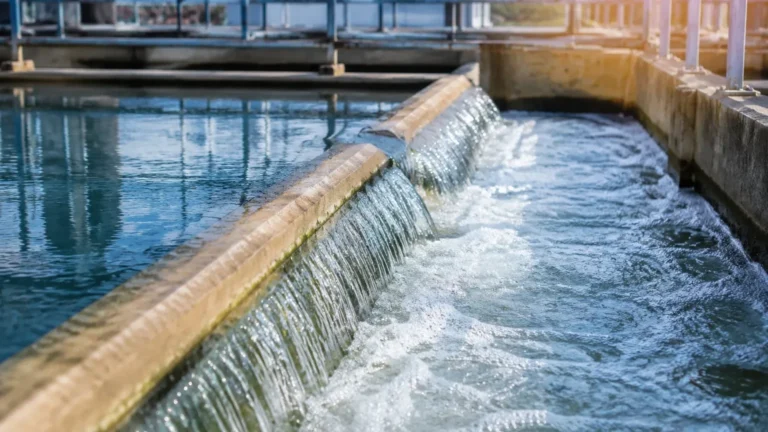
By combining the level data from the sensor with a flume or weir (such as a Parshall flume), the udw3 can calculate the flow rate of water in irrigation or industrial discharge channels. The non-contact nature of the sensor prevents fouling from debris or sludge.
3. Chemical Tank Level Control
For tanks containing corrosive liquids that emit fumes, a waterproof and chemically resistant sensor (often with a PVDF face) is required. The sensor can be mounted at the top of the tank, keeping the electronics away from direct contact with the medium while providing continuous level feedback.
Installation Considerations and Best Practices
Proper installation is the most significant factor in the long-term accuracy of a udw3 waterproof sensor. Failure to follow geometric guidelines can result in "false echoes" or signal loss.
* Vertical Alignment: The sensor must be mounted perfectly perpendicular to the liquid surface. Even a 2° or 3° tilt can cause the ultrasonic pulse to reflect away from the transducer, resulting in a "lost signal" error.
* Avoid Obstructions: The ultrasonic pulse spreads out in a cone shape (the beam angle). Ensure that there are no ladders, pipes, or structural braces within this cone. If an obstruction is unavoidable, many Welk sensors offer "false echo suppression" software to ignore static reflections.
* Distance from Wall: To avoid interference from the tank walls, the sensor should be mounted at a distance of at least 1/6th of the maximum measurement range away from the wall.
* Stilling Wells: In applications with heavy surface turbulence or foam, installing the sensor inside a stilling well (a vertical pipe) can provide a calm surface for measurement. However, the pipe must be vented and have a smooth inner surface to avoid signal interference.
Limitations and Environmental Factors
While the udw3 waterproof sensor is highly versatile, certain environmental conditions can limit its effectiveness:
1. Heavy Foam: Ultrasonic waves are absorbed by thick foam. If the liquid surface is covered in more than 2-3 cm of dense foam, the sensor may fail to receive an echo. In such cases, a radar level meter or a hydrostatic pressure transmitter may be more appropriate.
2. Vacuum or High Pressure: Sound waves require a medium (air) to travel. Therefore, ultrasonic sensors cannot function in a vacuum. High-pressure environments also change the speed of sound significantly, requiring specialized calibration.
3. Steam and Dust: Extremely dense steam or heavy dust can scatter the ultrasonic signal. While the udw3 is waterproof, the physical presence of heavy airborne particles can attenuate the sound wave.
Maintenance and Troubleshooting
One of the primary advantages of the udw3 waterproof sensor is its low maintenance requirement due to the lack of moving parts. However, periodic checks are recommended:
* Transducer Cleaning: In wastewater applications, grease or condensation can build up on the sensor face. While many sensors are designed to shed droplets, a manual wipe with a soft cloth and mild detergent every 6-12 months ensures signal clarity.
* Cable Inspection: Check the integrity of the cable jacket, especially in outdoor installations where UV exposure or rodents might damage the insulation.
* Calibration Verification: Use a manual tape measure to verify the sensor's reading at least once a year. If the reading is off, check the temperature compensation settings or the speed of sound configuration in the sensor's menu.
Frequently Asked Questions (FAQ)
Q: Can the udw3 waterproof sensor be used for solids like grain or sand?
A: While primarily designed for liquids, it can be used for solids if the material has a flat enough surface to reflect sound. However, the range is typically reduced by 50% for solids because the surface is not as reflective as liquid.
Q: What is the maximum cable length for these sensors?
A: For 4-20mA analog signals, the cable can typically run up to 500 meters (1,640 feet) depending on the wire gauge and power supply. For RS485 Modbus, the distance can reach 1,200 meters (3,900 feet) with proper shielding and termination.
Q: How does the sensor handle surface waves?
A: Most modern sensors use digital filtering algorithms. They take multiple samples and average them to provide a stable output, effectively ignoring the "noise" caused by small waves or ripples.
Conclusion
The udw3 waterproof sensor is a vital component for industrial level measurement where environmental resilience is non-negotiable. By leveraging non-contact ultrasonic technology and IP68-rated construction, these sensors provide a cost-effective and low-maintenance solution for water treatment, chemical storage, and flood monitoring. When selecting a sensor, engineers should prioritize correct mounting, account for the blind zone, and ensure the material compatibility of the housing with the process medium. For more detailed specifications and to explore the full range of level measurement technologies, professionals can review product options and application support on the Welk Main Page.