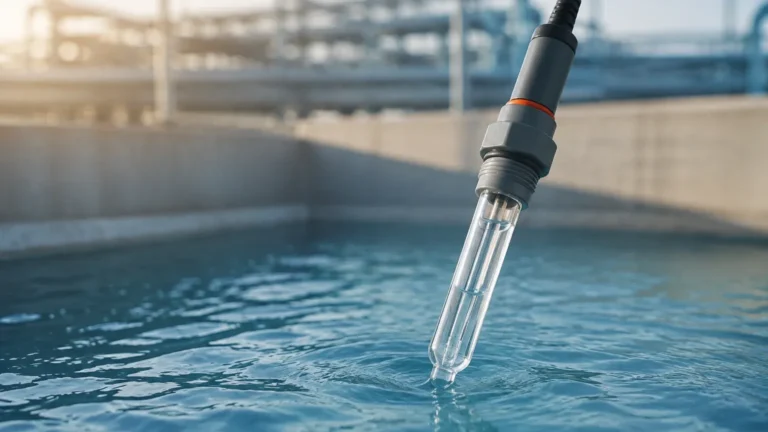
Water Level Pressure Transducer
Water Level Pressure Transducer
In industrial process control and environmental monitoring, the water level pressure transducer—often referred to as a hydrostatic level transmitter—is one of the most reliable and widely adopted technologies for measuring the depth of liquids in tanks, wells, reservoirs, and open channels. By converting the mechanical force of liquid pressure into an electrical signal, these instruments provide continuous data essential for pump control, inventory management, and flood warning systems.
Selecting the right water level pressure transducer requires a deep understanding of hydrostatic principles, material compatibility, and the specific environmental conditions of the installation site. This guide provides a technical overview of how these sensors function, how to select the appropriate model for different applications, and the best practices for installation and maintenance.
Measurement Principles of Hydrostatic Level Transducers
The operation of a water level pressure transducer is based on the physical principle of hydrostatic pressure. In a static liquid, the pressure exerted at a specific depth is directly proportional to the height of the liquid column above it and the density of that liquid.
The Hydrostatic Equation
The fundamental formula used to calculate level from pressure is:
P = ρ × g × h
Where:
* P is the hydrostatic pressure (measured by the transducer).
* ρ (Rho) is the density of the liquid (e.g., approximately 1,000 kg/m³ for clean water).
* g is the acceleration due to gravity (approximately 9.81 m/s²).
* h is the height of the liquid column (the level being measured).
Because gravity and density are typically treated as constants for a specific application, the pressure measured by the sensor diaphragm is linearly related to the depth of the water. For example, in a tank of clean water, every 1 meter (3.28 feet) of depth exerts approximately 9.81 kPa (0.142 psi) of pressure.
Atmospheric Pressure Compensation
A critical aspect of accurate level measurement is accounting for changes in barometric (atmospheric) pressure. Atmospheric pressure acts on the surface of the liquid and effectively adds to the total pressure measured at the bottom of a tank. To ensure the transducer only measures the pressure exerted by the water itself, the sensor must be "vented."
Most submersible water level pressure transducers utilize a vented cable. This cable contains a small capillary tube that runs from the back of the sensor diaphragm to the atmosphere. This allows the sensor to automatically subtract the current atmospheric pressure, resulting in a "gauge pressure" reading that accurately reflects only the water level.
Types of Water Level Pressure Transducers
Depending on the installation environment and the nature of the liquid, different transducer designs are required. For comprehensive technical specifications on various models, engineers often consult the Main Page of specialized manufacturers to compare sensor materials and output protocols.
1. Submersible Level Transmitters
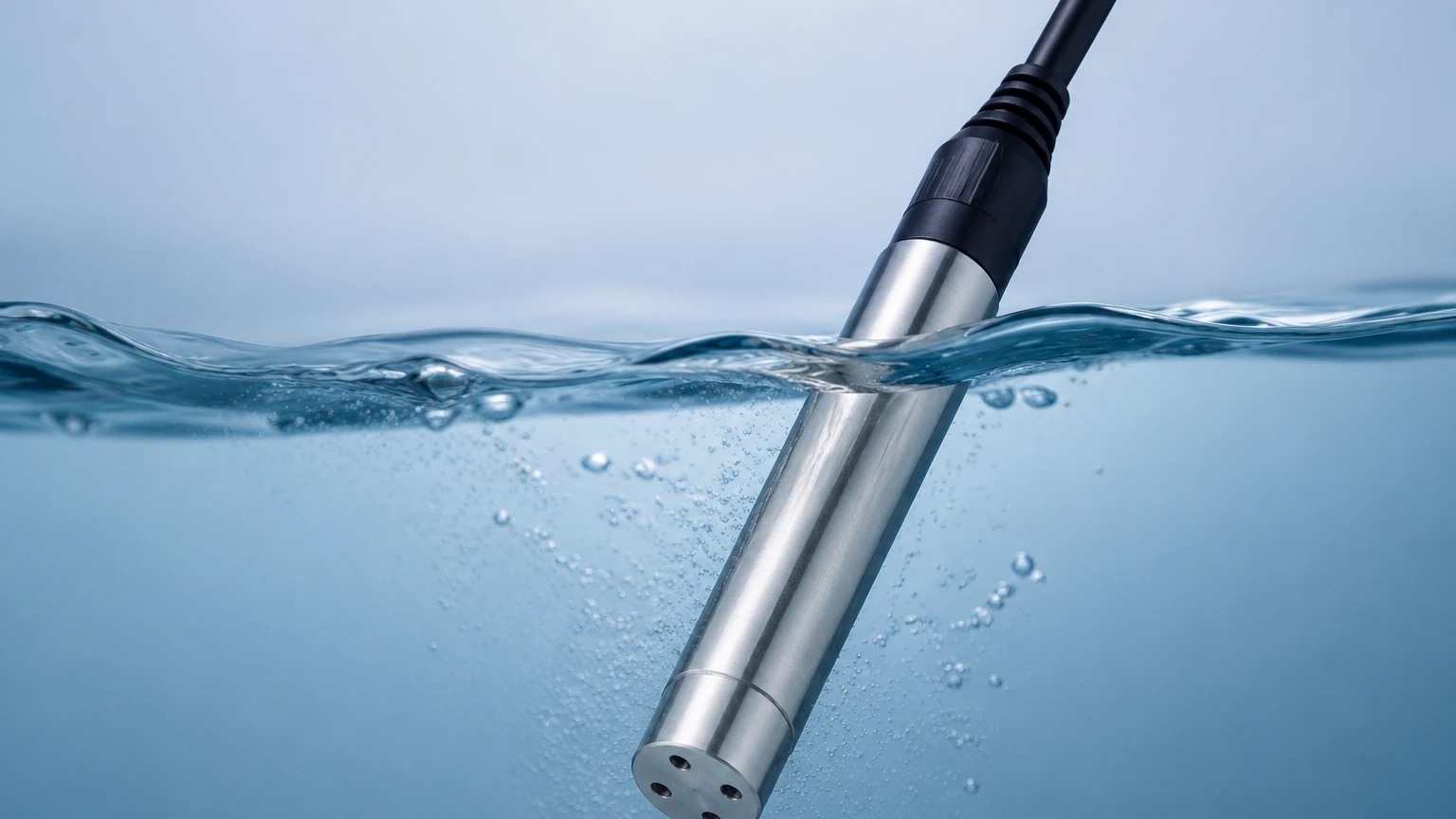
These are the most common type for deep wells, boreholes, and open reservoirs. The entire sensor body is designed to be lowered into the liquid. They are typically constructed from stainless steel (316L) or specialized plastics for corrosive environments. The electronics are hermetically sealed to prevent water ingress.
2. External (Threaded) Pressure Transducers
Used primarily in closed tanks or piping systems, these sensors are mounted to a fitting at the bottom or side of the vessel. They do not sit inside the liquid but measure the pressure through a process connection (such as a G1/2 or NPT thread). These are ideal for applications where the sensor needs to be easily accessible for maintenance without draining the tank.
3. Flush Diaphragm Transducers
In applications involving wastewater, sludge, or viscous liquids, standard pressure ports can become clogged. Flush diaphragm transducers feature a flat sensing surface that prevents the buildup of solids, making them essential for sewage treatment and industrial slurry monitoring.
Selection Criteria for Industrial Applications
Choosing the correct water level pressure transducer involves more than just selecting a depth range. Engineers must evaluate several factors to ensure long-term reliability and accuracy.
Pressure Range and Overpressure
The range of the transducer should be closely matched to the maximum expected water level. Selecting a range that is too high will reduce the resolution and accuracy of the signal. Conversely, the sensor must have a sufficient overpressure rating to withstand surges or accidental overfilling without damaging the diaphragm.
Material Compatibility
While 316L stainless steel is standard for clean water, other materials may be necessary:
* Seawater/Brine: Requires titanium or specialized alloys to prevent galvanic corrosion.
* Chemicals/Acids: PTFE (Teflon) or PVDF coatings and housings are often required.
* Wastewater: Requires robust polyurethane (PUR) or FEP cables that resist degradation from fats, oils, and greases.
Accuracy and Stability
Accuracy is typically expressed as a percentage of the Full Scale (FS). For high-precision applications like reservoir monitoring, an accuracy of 0.1% or 0.25% FS is preferred. Long-term stability is also vital to minimize the frequency of recalibration.
Selection Table: Application vs. Sensor Type
| Application | Recommended Sensor Type | Housing Material | Cable Material |
| :— | :— | :— | :— |
| Deep Well/Borehole | Slim-line Submersible | 316L Stainless Steel | PE or PUR |
| Sewage/Wastewater | Flush Diaphragm Submersible | 316L or Ceramic | PUR |
| Chemical Storage Tank | External Threaded | PVDF or Titanium | N/A (Hard-wired) |
| Coastal/Sea Water | Submersible | Titanium | FEP |
| Potable Water | Submersible (Food Grade) | 316L Stainless Steel | Food-grade PVC/PE |
Installation Considerations
Proper installation is the most significant factor in the longevity of a water level pressure transducer. Even the highest quality sensor will fail prematurely if installed incorrectly.
1. Positioning and Stability
The sensor should be placed in an area where the water is relatively calm. In tanks with high turbulence or agitators, the sensor should be installed inside a "stilling well" (a vertical pipe with small holes) to protect the diaphragm from mechanical shocks and to stabilize the reading.
2. Cable Protection and Venting
The vented cable must be handled with care. If the capillary tube inside the cable is kinked or blocked, the sensor will no longer compensate for atmospheric pressure, leading to significant errors. The end of the cable (where it connects to the junction box) should be protected by a desiccant filter or a specialized vent plug to prevent moisture from entering the tube and causing internal corrosion or condensation.
3. Lightning and Surge Protection
Because submersible sensors are often used in outdoor environments and connected via long cables, they are susceptible to lightning strikes and electrical surges. Installing a surge protector at the junction box and ensuring the sensor housing is properly grounded can prevent electronic failure.
4. Mounting Height
The sensor should not rest directly on the bottom of a well or tank where silt and sediment can accumulate. It should be suspended at least 10 cm to 30 cm (4 to 12 inches) above the bottom to ensure the pressure port remains clear.
Technical Limitations and Potential Risks
While highly effective, the water level pressure transducer has specific limitations that must be managed:
* Density Variations: Since the sensor measures pressure, any change in the liquid's density (caused by temperature changes or changes in chemical concentration) will affect the level reading. If the density varies significantly, a temperature-compensated sensor or a secondary density measurement may be required.
* Mechanical Damage: The sensing diaphragm is extremely thin and sensitive. It should never be touched or cleaned with sharp objects. Even high-pressure water jets during tank cleaning can damage the sensor.
* Media Entrapment: In wastewater, debris can wrap around the cable or the sensor body. Periodic inspection is required to ensure the sensor remains vertical and unobstructed.
Frequently Asked Questions (FAQ)
Q: How often should a water level pressure transducer be calibrated?
A: For most industrial applications, an annual calibration check is sufficient. However, in critical environmental monitoring or high-accuracy billing applications, semi-annual checks may be required.
Q: Can I cut the vented cable to a shorter length?
A: Yes, the cable can usually be shortened, but it must be done carefully to ensure the internal vent tube is not sealed or blocked. The electrical connections must then be re-terminated correctly.
Q: What is the maximum depth a submersible transducer can measure?
A: Standard industrial models can measure up to 200 meters (approx. 650 feet) or more, depending on the pressure rating of the housing and the strength of the cable's internal strain relief.
Q: How does temperature affect the reading?
A: Most modern transducers include internal temperature compensation. However, if the water freezes, the resulting pressure spike will almost certainly destroy the sensing diaphragm.
Conclusion for Project Engineers
The water level pressure transducer remains a cornerstone of liquid level measurement due to its simplicity, reliability, and cost-effectiveness. When specifying a sensor for a project, it is essential to confirm the chemical composition of the liquid, the required depth range, and the specific electrical output (such as 4-20mA, 0-10V, or RS485 Modbus) required by the control system.
Before finalizing a purchase, project managers should verify that the selected hardware meets local regulatory standards for safety and environmental protection. For detailed product comparisons and technical support for specific industrial configurations, visiting the Main Page of a dedicated manufacturer like Welk provides access to the necessary engineering documentation and customization options required for complex automation tasks.