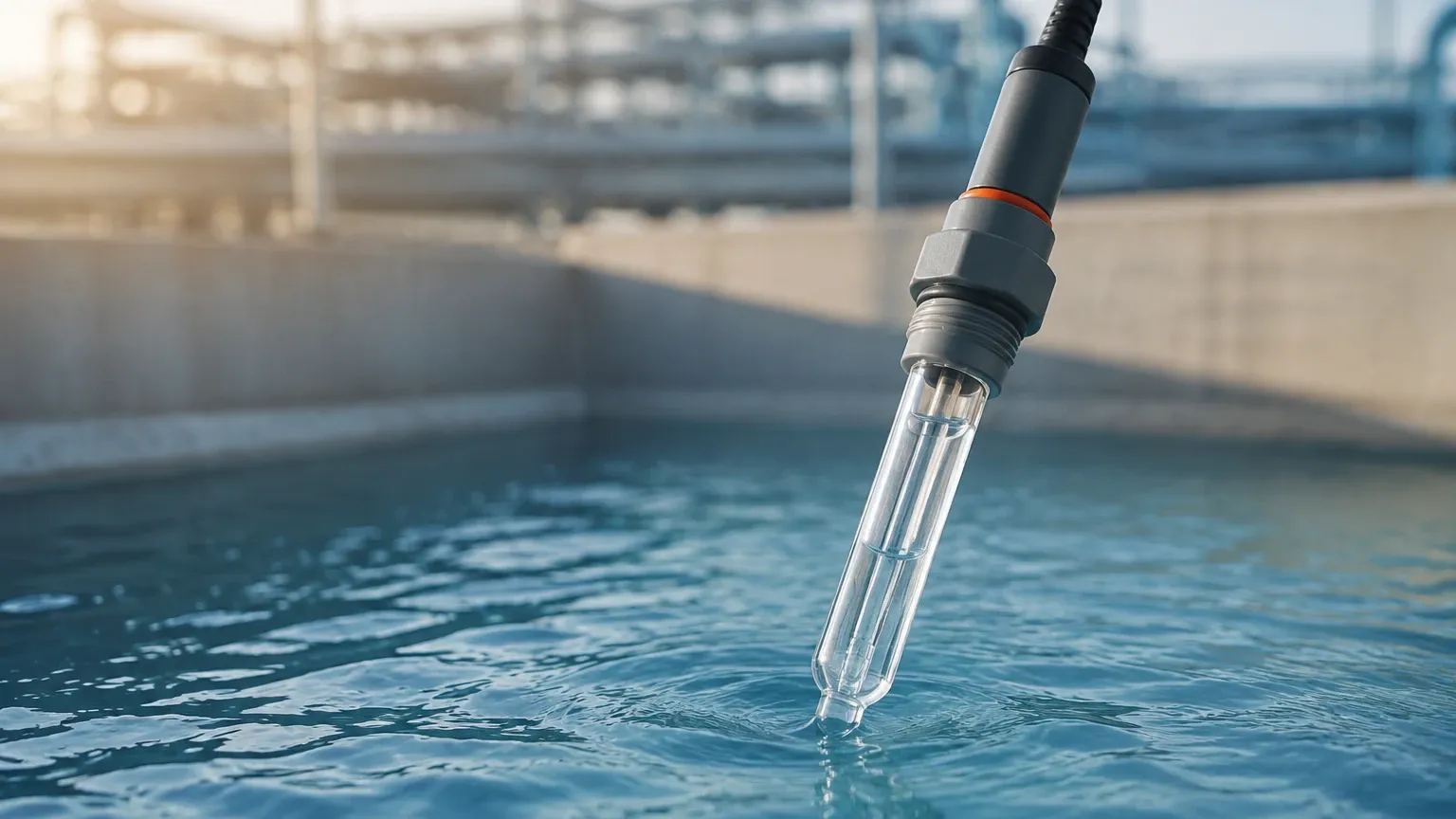
Industrial Ph Sensor
Industrial Ph Sensor
In the landscape of industrial process control, the industrial ph sensor serves as a fundamental component for monitoring and managing the chemical properties of liquids. Whether in water treatment facilities, chemical processing plants, or pharmaceutical manufacturing, precise pH measurement is essential for ensuring product quality, protecting infrastructure from corrosion, and complying with environmental regulations. Unlike laboratory-grade sensors, industrial variants are engineered to withstand harsh environments, including high pressures, fluctuating temperatures, and aggressive chemical exposures.
Understanding the technical nuances of these instruments is critical for engineers and plant managers. This guide explores the operating principles, selection criteria, and installation best practices for industrial pH sensors, providing a factual foundation for integrating these devices into broader process automation systems.
Understanding the Measurement Principle
The measurement of pH—the negative logarithm of hydrogen ion activity—is primarily conducted through the potentiometric method. An industrial ph sensor typically functions as an electrochemical cell consisting of two main components: a sensing electrode (glass electrode) and a reference electrode.
The Nernst Equation
At the core of pH measurement is the Nernst equation, which describes the relationship between the electrical potential of the electrode and the hydrogen ion concentration in the solution. The sensing electrode features a specialized pH-sensitive glass membrane. When this membrane comes into contact with an aqueous solution, a hydrated gel layer forms on both the inner and outer surfaces. Hydrogen ions in the process liquid exchange with ions in the gel layer, creating a potential difference across the glass membrane.
The Reference System
To measure this potential, a stable reference point is required. The reference electrode provides a constant potential that is independent of the pH of the solution. This is achieved through a reference element (usually Silver/Silver Chloride) immersed in a concentrated electrolyte (typically Potassium Chloride, KCl). The electrolyte makes contact with the process medium through a porous junction, completing the electrical circuit. The voltage difference between the sensing and reference electrodes is then converted by a transmitter into a pH value.
Key Components of an Industrial pH Sensor
Industrial environments demand robust construction. A standard industrial ph sensor is often a "composite" or "combination" electrode, where both the sensing and reference elements are housed within a single body.
1. Sensing Glass Membrane: Available in different shapes (spherical, flat, or dome) and glass formulations to suit specific applications, such as high-temperature or low-conductivity environments.
2. Reference Junction: This is the interface between the internal electrolyte and the process liquid. Common materials include ceramic, PTFE (Teflon), or wood. The choice of junction is critical for preventing clogging and electrolyte poisoning.
3. Electrolyte: Most industrial sensors use a gelled or solid-state electrolyte to minimize maintenance and prevent the process pressure from forcing liquid into the sensor.
4. Temperature Compensator: Since the electrode potential is temperature-dependent, most industrial sensors include an integrated RTD (Resistance Temperature Detector), such as a Pt100 or Pt1000, to provide automatic temperature compensation (ATC).
Selection Criteria for Industrial pH Sensors
Choosing the correct sensor requires an analysis of the process conditions. Failure to match the sensor to the environment often leads to premature failure or inaccurate readings. For comprehensive liquid management solutions that include both chemical analysis and physical measurement, engineers often consult the Main Page of specialized manufacturers to ensure system compatibility.
Process Temperature and Pressure
Standard glass electrodes are typically rated for temperatures up to 80°C (176°F). For high-temperature applications, such as steam condensate monitoring or chemical reactors, specialized high-temperature glass and pressurized reference systems are required to prevent the electrolyte from boiling or the glass from degrading. Similarly, if the process pressure exceeds atmospheric pressure, the sensor must be rated for the specific bar (PSI) range to prevent mechanical failure.
Chemical Compatibility
The presence of specific chemicals can damage the sensor. For example, hydrofluoric acid (HF) will dissolve standard glass membranes, requiring HF-resistant glass. In processes with high concentrations of oils or fats, a flat-surface sensor with a PTFE junction is preferred to minimize fouling.
Summary of Sensor Types by Application
| Application Type | Recommended Sensor Feature | Rationale |
| :— | :— | :— |
| General Water Treatment | Composite Glass Electrode | Cost-effective and reliable for neutral pH. |
| Chemical Processing | PTFE Junction / Tough Glass | Resists chemical attack and mechanical abrasion. |
| Wastewater (High Solids) | Flat Surface / Open Junction | Reduces clogging and simplifies cleaning. |
| High Purity Water | Refillable Liquid Electrolyte | Ensures stable potential in low-conductivity liquids. |
| Food and Beverage | Sanitary (3-A/EHEDG) Design | Allows for CIP (Clean-in-Place) sterilization. |
Installation Considerations and Mounting Configurations
The physical placement of an industrial ph sensor significantly impacts its lifespan and accuracy. Proper installation ensures that the sensing membrane remains hydrated and that the reference junction is not compromised.
Orientation
Most pH sensors must be installed at an angle of at least 15° to 80° above the horizontal. This prevents air bubbles from becoming trapped inside the glass bulb, which would break the electrical contact and result in erratic readings. Vertical installation is generally preferred.
Mounting Options
* Immersion Mounting: Used for open tanks or pits. The sensor is mounted at the end of a submerged pipe. It is vital to ensure the cable entry is sealed to prevent moisture ingress.
* Flow-Through Mounting: Used for in-line measurement in pipes. A bypass line is often recommended to allow for sensor maintenance without shutting down the main process flow.
* Retractable Assemblies: These allow the sensor to be removed from a pressurized pipe or tank for cleaning and calibration without interrupting the process. This is the gold standard for critical industrial applications.
Pipeline Velocity
In flow-through installations, the liquid velocity should be high enough to prevent sediment buildup on the sensor but low enough to avoid mechanical damage or excessive noise in the signal. A velocity of 0.5 to 2 meters per second (1.6 to 6.6 feet per second) is typically ideal.
Maintenance, Calibration, and Troubleshooting
Industrial pH sensors are consumable items; their sensitivity decreases over time due to glass aging and electrolyte depletion. A rigorous maintenance schedule is necessary for operational reliability.
Calibration Procedures
Calibration should be performed using at least two buffer solutions (usually pH 4.01, 7.00, or 10.01). This process accounts for the "Zero Point" (offset) and the "Slope" (efficiency) of the electrode. In industrial settings, calibration frequency varies from daily to monthly depending on the aggressiveness of the process.
Cleaning Protocols
Fouling is the most common cause of sensor failure. If a sensor becomes coated with scale, oils, or biological growth, it must be cleaned with appropriate agents:
* General Scale: 5% Hydrochloric acid (HCl).
* Oils/Grease: Mild detergent or isopropyl alcohol.
* Proteins: Pepsin in HCl solution.
Common Risks and Limitations
* Dehydration: If a pH sensor dries out, the hydrated gel layer on the glass membrane is destroyed. Sensors should always be kept wet, even during storage.
* Ground Loops: In industrial environments, electrical noise from motors or pumps can interfere with the low-voltage signal of the pH sensor. Using shielded cables and proper grounding (or differential sensors) is essential.
* Poisoning: Certain ions, such as cyanide or sulfide, can react with the silver ions in the reference electrolyte, clogging the junction and rendering the sensor useless.
Integration with Industrial Level and Process Control Systems
In modern industrial automation, pH measurement is rarely an isolated data point. It is usually integrated into a comprehensive control loop. For instance, in a neutralization tank, the industrial ph sensor provides the feedback signal to a dosing pump, while level measurement instruments—such as radar or ultrasonic sensors—ensure the tank does not overflow and that the volume is sufficient for effective mixing.
Reliable level measurement is a prerequisite for accurate pH control, as the volume of the liquid dictates the required chemical dosage. Manufacturers like Welk provide a range of hydrostatic and radar level transmitters that work in tandem with liquid analysis tools to provide a complete picture of process health. For more information on coordinating these technologies, professionals should review the technical specifications on the Main Page.
Frequently Asked Questions (FAQ)
Q: How long does an industrial pH sensor typically last?
A: In mild conditions, a sensor may last 12 to 24 months. In harsh chemical processes or high temperatures, the lifespan may be reduced to 3 to 6 months.
Q: Can I use a laboratory pH sensor in an industrial pipe?
A: No. Laboratory sensors lack the pressure ratings, temperature compensation, and mechanical robustness required for industrial piping, leading to immediate failure or safety hazards.
Q: What is the difference between an analog and a digital pH sensor?
A: Analog sensors transmit a raw millivolt signal susceptible to noise. Digital sensors (such as those using Memosens or Modbus protocols) convert the signal to a digital format within the sensor head, allowing for longer cable runs and better data integrity.
Q: Why does the pH reading drift over time?
A: Drift is usually caused by the depletion of the reference electrolyte or the gradual coating of the reference junction. Regular calibration and cleaning are required to correct this.
Q: Does pressure affect pH measurement?
A: While pressure does not significantly change the chemical pH of most liquids, it can physically affect the sensor by forcing process liquid into the reference junction, causing "poisoning" or unstable readings. High-pressure applications require specialized sensor designs.
By adhering to these factual guidelines and selection principles, industrial operators can ensure that their liquid analysis systems provide the accuracy and longevity required for efficient process management.