Water System Monitoring
Water System Monitoring
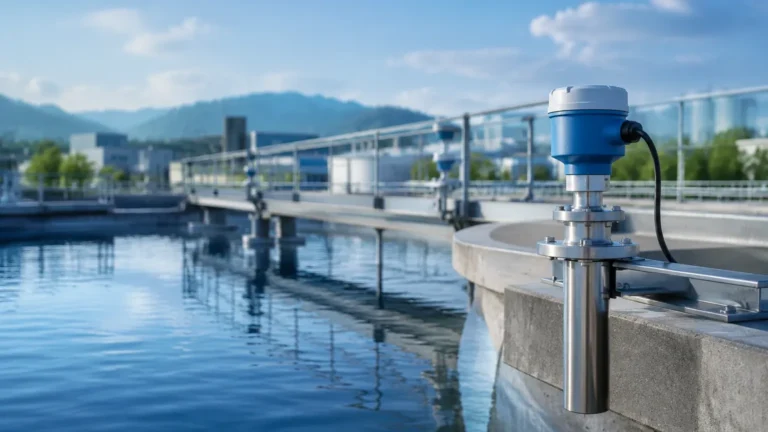
Effective water system monitoring is the backbone of modern industrial automation, municipal infrastructure, and environmental management. In B2B environments—ranging from wastewater treatment plants to chemical processing facilities—the ability to accurately track fluid levels, flow rates, and storage volumes is critical for operational efficiency, safety, and regulatory compliance. This guide examines the technical principles, selection criteria, and installation best practices for level measurement technologies used in comprehensive water system monitoring.
Principles of Level Measurement in Water Systems
Before selecting a specific instrument, it is essential to understand the physical principles that govern how these sensors interact with the medium. In water system monitoring, three primary technologies dominate the landscape: radar, ultrasonic, and hydrostatic measurement.
Radar Level Measurement
Radar sensors utilize Frequency Modulated Continuous Wave (FMCW) or pulse technology. The sensor emits high-frequency electromagnetic waves (typically in the 26GHz or 80GHz range) that travel at the speed of light. When these waves hit the water surface, they are reflected back to the sensor. The time-of-flight or frequency shift is used to calculate the distance to the surface. Because radar waves are electromagnetic, they are unaffected by air temperature, pressure, or the presence of vapors, making them highly reliable for volatile or outdoor environments.
Ultrasonic Level Measurement
Ultrasonic sensors operate on the principle of acoustic reflection. The transducer emits a high-frequency sound pulse that travels through the air, bounces off the water surface, and returns to the receiver. The instrument calculates the level based on the time elapsed. Unlike radar, ultrasonic waves are mechanical and depend on the density of the air. Therefore, integrated temperature compensation is required to maintain accuracy, as the speed of sound varies with temperature changes. This technology is widely used for non-contact measurement in open channels and sumps.
Hydrostatic Level Measurement
Hydrostatic monitoring is a contact-based method that relies on the relationship between liquid height and pressure. A submersible pressure transmitter is placed at the bottom of a tank or well. The sensor measures the pressure exerted by the water column above it. According to Pascal’s Law, the pressure at a specific depth is proportional to the height of the liquid (P = ρgh). This method is exceptionally reliable for deep-well monitoring and sealed tanks where surface foam or turbulence might interfere with non-contact sensors.
Key Technologies for Water System Monitoring
Choosing the right tool for water system monitoring depends on the specific application, whether it involves clean potable water, corrosive chemicals, or wastewater with high solids content. Welk provides a range of instruments tailored to these diverse needs.
1. Radar Level Meters: Ideal for high-precision applications where accuracy within ±2mm is required. They are excellent for large storage tanks and reservoirs.
2. Ultrasonic Level Sensors: Best suited for open-channel flow measurement (using flumes or weirs) and general-purpose sump monitoring where cost-effectiveness is a priority.
3. Hydrostatic Level Transmitters: Preferred for boreholes, deep wells, and lift stations. These sensors are often designed with robust diaphragms to resist clogging in wastewater.
4. Magnetic Level Gauges: Used for visual indication on the side of tanks, often paired with transmitters for remote monitoring in boiler feed-water or chemical storage.
5. Level Switches: Utilized as redundant safety systems to prevent overfills or dry-run conditions in pumps.
For a comprehensive overview of technical specifications and to compare different models, engineers can refer to the Main Page of the Welk product catalog.
Technology Selection Table
To assist in the engineering selection process, the following table compares the primary technologies used in water system monitoring across various performance metrics.
| Feature | Radar (80GHz) | Ultrasonic | Hydrostatic | Magnetic Gauge |
| :— | :— | :— | :— | :— |
| Measurement Type | Non-contact | Non-contact | Contact (Pressure) | Contact (Visual/Float) |
| Accuracy | ±2 mm | ±0.25% of range | ±0.1% to ±0.5% | ±5 mm |
| Max Range | Up to 120m | Up to 30m | Up to 500m (H2O) | Up to 6m (standard) |
| Effect of Foam | Minimal | High interference | No effect | No effect |
| Effect of Vapors | No effect | Significant | No effect | No effect |
| Maintenance | Very Low | Low | Moderate (cleaning) | Moderate |
| Relative Cost | Higher | Medium | Low to Medium | Medium |
Installation Considerations and Best Practices
Proper installation is as critical as the choice of technology. Even the most advanced sensor will provide inaccurate data if not positioned correctly within the water system monitoring framework.
Mounting Position
For non-contact sensors (Radar and Ultrasonic), the instrument must be mounted perpendicular to the liquid surface. Avoid placing the sensor too close to the tank wall to prevent false reflections (echoes). A general rule is to maintain a distance from the wall equal to at least 10% of the tank height. Furthermore, ensure the "dead zone" or "blocking distance" (the area immediately below the sensor where measurement is impossible) is accounted for in the tank's maximum fill level.
Avoiding Obstructions
Internal tank structures such as ladders, pipes, or agitators can cause parasitic reflections. While modern software can "map out" these obstructions, it is best practice to install the sensor in a location with a clear line of sight to the water surface. If turbulence is high, a stilling well or bypass pipe may be necessary to provide a stable surface for measurement.
Environmental Protection
In outdoor water system monitoring, sensors are exposed to the elements. For hydrostatic sensors, ensure the vent tube in the cable is protected from moisture ingress using a desiccant filter. For ultrasonic sensors, a sunshade is often recommended to prevent the internal temperature sensor from being skewed by direct solar heating, which would result in inaccurate distance calculations.
Limitations and Process Challenges
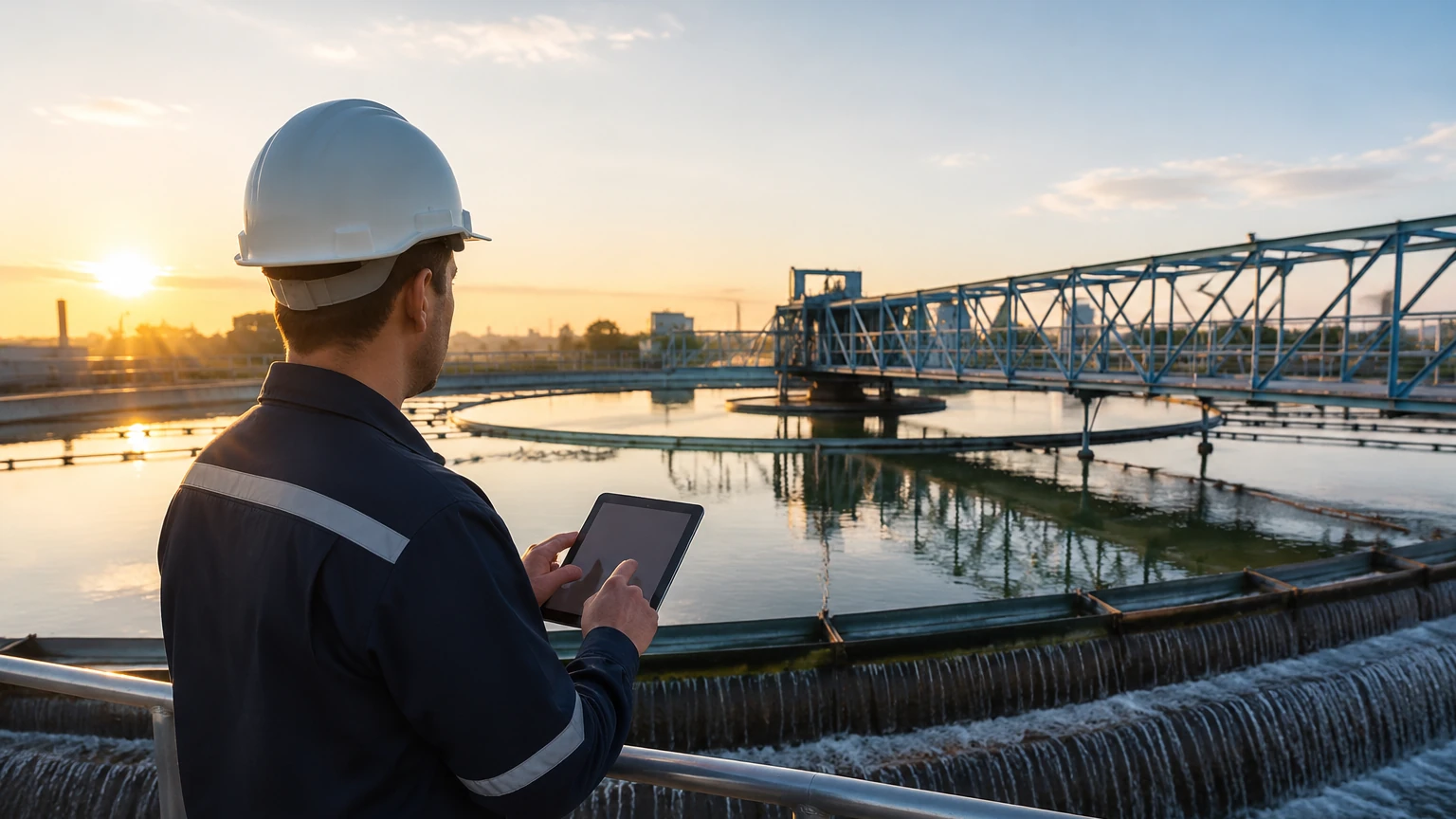
While modern instrumentation is highly capable, certain process conditions pose challenges to water system monitoring accuracy:
* Heavy Foam: Foam absorbs ultrasonic signals and can scatter radar waves. In systems with persistent foam, hydrostatic transmitters or radar with specialized signal processing are preferred.
* Turbulence: Rapidly fluctuating surfaces can cause signal instability. Increasing the damping or integration time in the sensor's software can help smooth the output, but for extreme cases, mechanical damping (stilling wells) is required.
* Temperature Gradients: In large outdoor tanks, air temperature layers can refract ultrasonic waves. Radar is the superior choice for these applications as it is immune to gas-phase temperature variations.
* Build-up and Scaling: In wastewater or hard water applications, mineral deposits can form on sensor faces or diaphragms. Regular maintenance schedules should include inspection and cleaning of contact-based sensors to prevent drift.
Frequently Asked Questions (FAQ)
Q: How often should water level sensors be calibrated?
A: For most industrial water system monitoring applications, an annual calibration check is standard. However, in regulated municipal water treatment, semi-annual calibration may be required to ensure compliance with safety standards.
Q: Can wireless technology be integrated into these systems?
A: Yes. Most modern transmitters support 4-20mA HART, Modbus, or Profibus protocols, which can be connected to wireless gateways (such as LoRaWAN or NB-IoT) for remote monitoring of distant reservoirs or pump stations.
Q: What is the lifespan of a submersible hydrostatic sensor?
A: In clean water, a high-quality hydrostatic sensor like those from Welk can last 7–10 years. In aggressive wastewater, the lifespan may be shorter (3–5 years) depending on the acidity and solid content of the medium.
Q: Is radar always better than ultrasonic?
A: Not necessarily. While radar offers higher precision and is unaffected by environmental conditions, ultrasonic sensors remain a cost-effective and reliable solution for simple applications like indoor sump monitoring or open-channel flow where extreme precision is not the primary driver.
Conclusion
Selecting the appropriate technology for water system monitoring requires a balance of technical requirements, environmental conditions, and budget constraints. By understanding the underlying principles of radar, ultrasonic, and hydrostatic measurement, engineers can design systems that are both resilient and accurate. For further technical documentation, application notes, and product selection tools, please visit the Main Page to explore our full range of industrial level measurement solutions.