Wet Gas Meter
Wet Gas Meter
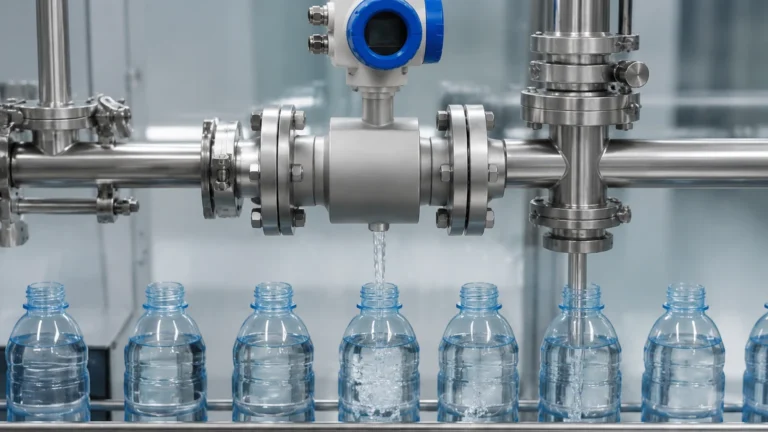
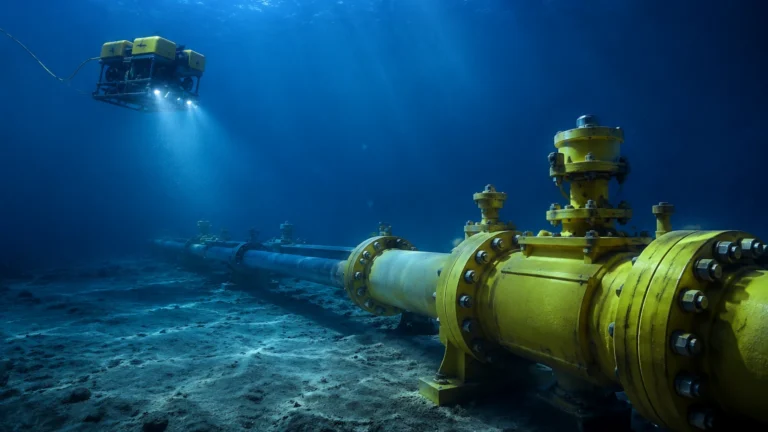
In industrial process engineering, the measurement of gas flows is rarely as simple as monitoring a pure, single-phase substance. In many sectors—most notably oil and gas production, chemical processing, and geothermal energy—the gas being measured often contains entrained liquids, such as water or condensed hydrocarbons. This mixture is known as "wet gas." A wet gas meter is a specialized instrument designed to provide accurate flow data despite the presence of these liquid phases, which would otherwise cause significant errors in standard dry gas measurement devices.
Accurate wet gas measurement is critical for reservoir management, allocation metering, and process optimization. Without a dedicated wet gas meter, operators often face "overreading," a phenomenon where the liquid phase causes a differential pressure or ultrasonic signal that suggests a much higher gas flow rate than actually exists. This article explores the principles, selection criteria, and practical applications of wet gas metering technology.
Measurement Principles of Wet Gas Meters
Measuring a two-phase flow (gas and liquid) requires more complex mathematics and sensor configurations than single-phase flow. The primary challenge is that the liquid phase travels at a different velocity than the gas phase (slip) and occupies a portion of the pipe's cross-sectional area. Several technologies are employed to address these challenges.
Differential Pressure (DP) and Venturi Meters
Differential pressure is the most common foundation for a wet gas meter. Specifically, the Venturi meter is favored because its smooth internal geometry minimizes permanent pressure loss and resists the accumulation of liquids.
When wet gas passes through a Venturi, the pressure drop is measured. Because liquid is much denser than gas, even a small volume of liquid significantly increases the differential pressure. To provide an accurate reading, the meter must apply a correction factor, often based on the Lockhart-Martinelli parameter, which relates the pressure drop of the mixture to the properties of the individual phases. Advanced DP wet gas meters may also incorporate a second measurement, such as a tracer or a microwave sensor, to determine the liquid fraction (Liquid-to-Gas Ratio or LGR) in real-time.
Ultrasonic Flow Measurement
Ultrasonic wet gas meters use transit-time technology. Pairs of transducers send ultrasonic pulses across the flow stream. In dry gas, the transit time is predictable. In wet gas, liquid droplets scatter the signal and change the speed of sound. Modern ultrasonic meters use sophisticated digital signal processing to identify the presence of liquids. By analyzing the signal attenuation and the variation in sound speed, these meters can compensate for the liquid phase, though they are typically limited to lower liquid volume fractions compared to DP-based systems.
Coriolis Mass Flow Meters
Coriolis meters measure the mass flow rate directly by sensing the inertia of the fluid moving through vibrating tubes. While highly accurate for single-phase fluids, the presence of liquid in a gas stream can cause "decoupling," where the liquid droplets do not move in perfect synchronization with the gas, leading to measurement errors. High-end Coriolis meters designed for wet gas use advanced algorithms to compensate for this effect, making them useful for applications with high gas volume fractions (GVF).
Wet Gas Meter vs. Dry Gas Meter
It is essential to distinguish between a standard gas meter and a dedicated wet gas meter. A standard meter is calibrated under the assumption that the fluid is 100% gas. If liquid enters the stream, the meter will typically report a flow rate that is significantly higher than the actual gas flow. This error, known as overreading, can range from 1% to over 20% depending on the liquid loading.
A wet gas meter, by contrast, is designed to handle a Gas Volume Fraction (GVF) typically between 95% and 99.9%. It incorporates hardware or software (or both) to calculate the overreading and subtract the influence of the liquid phase to provide a corrected gas flow rate and, in many cases, a measurement of the liquid flow rate as well.
Selection Criteria for Industrial Applications
Selecting the right wet gas meter requires a detailed understanding of the process conditions. Engineers should use the following table as a starting point for comparing common technologies.
| Technology | Typical GVF Range | Pressure Drop | Maintenance Needs | Primary Advantage |
| :— | :— | :— | :— | :— |
| Venturi (DP) | 90% – 99.9% | Low to Moderate | Low | Robust, well-understood physics. |
| Ultrasonic | 98% – 100% | Negligible | Moderate | No moving parts, high turndown. |
| Coriolis | 95% – 100% | Moderate | Low | Direct mass flow measurement. |
| V-Cone | 92% – 99% | Moderate | Low | Short straight-run requirements. |
Key Evaluation Factors
1. Liquid Loading (LGR): Determine the maximum expected liquid-to-gas ratio. If the LGR is very high, a standard wet gas meter may require a separator upstream.
2. Operating Pressure and Temperature: Wet gas properties change drastically with pressure. High-pressure applications require meters with robust housing and specialized seal materials.
3. Turndown Ratio: The ratio between the maximum and minimum flow rates the meter can accurately measure. Ultrasonic meters typically offer the best turndown.
4. Fluid Composition: The presence of corrosive elements like H2S or CO2 requires the use of exotic alloys (e.g., Inconel or Duplex stainless steel) for the meter body.
Installation and Engineering Considerations
To ensure the accuracy of a wet gas meter, installation must follow strict engineering guidelines. Unlike dry gas, wet gas is subject to "flow regimes"—the liquid may travel as a film along the pipe wall (annular flow), as droplets in the center (mist flow), or in large plugs (slug flow).
Piping and Orientation
Most wet gas meters are sensitive to orientation. Horizontal installation is common, but it can lead to liquid pooling at the bottom of the pipe, especially at low velocities. Vertical upward flow is often preferred for wet gas because it promotes a more symmetrical distribution of the liquid phase (annular flow), which is easier for the meter's algorithms to process.
Straight Pipe Runs
Flow disturbances caused by elbows, valves, or reducers can take a long distance to dissipate in two-phase flow. Typically, a wet gas meter requires 10 to 20 diameters of straight pipe upstream and at least 5 diameters downstream. If space is limited, flow conditioners may be used, but their impact on the liquid distribution must be carefully evaluated.
Drainage and Low Points
The piping system should be designed to prevent the accumulation of liquids during shutdowns. Low points in the piping can fill with liquid, creating a "slug" when the flow restarts, which can potentially damage the meter or cause extreme measurement spikes.
Limitations and Common Risks
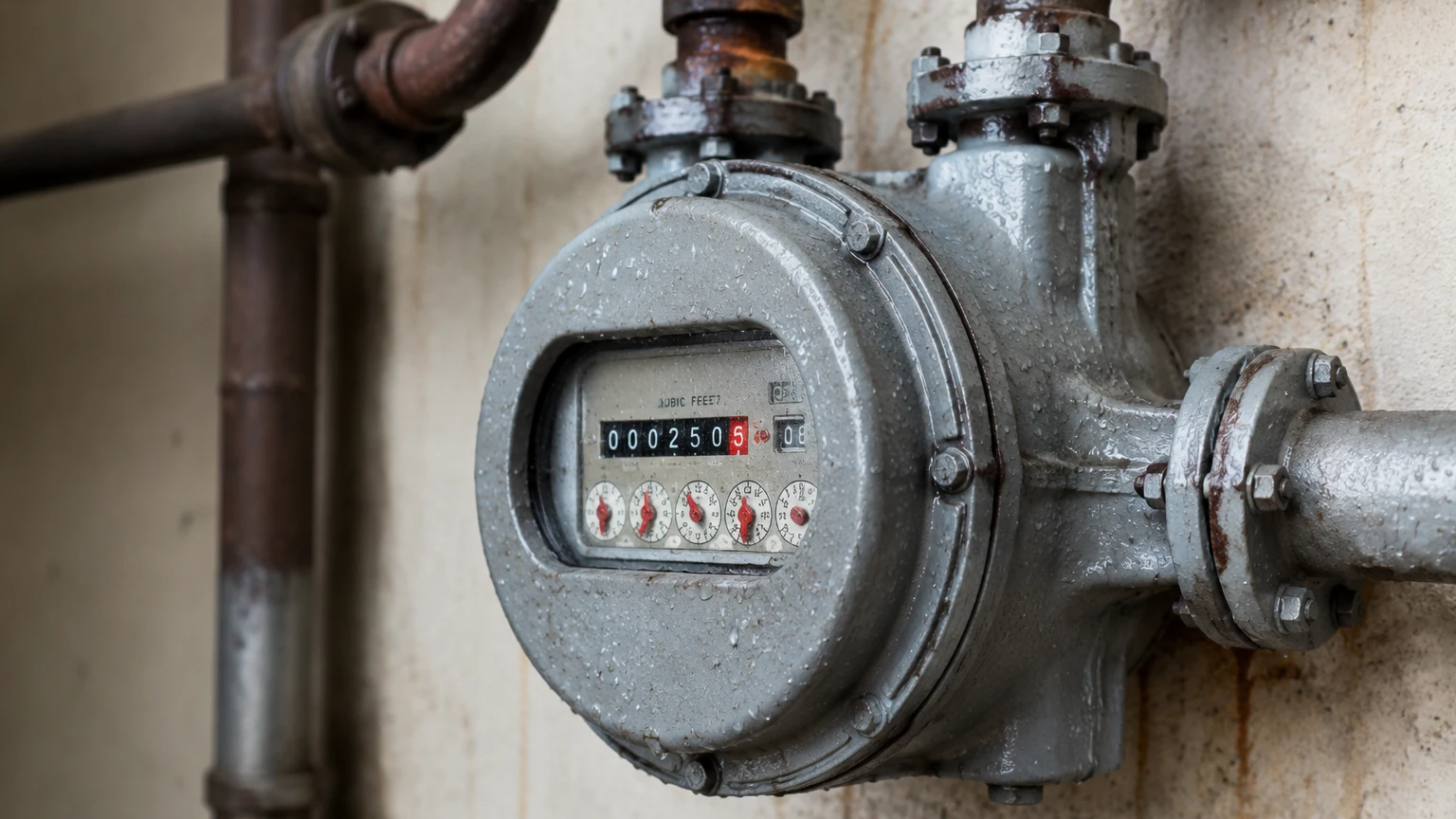
While wet gas meters are highly advanced, they are not infallible. Users must be aware of the following limitations:
* Phase Change: If the temperature or pressure drops across the meter, gas may condense into liquid, or liquid may flash into gas. This phase change can invalidate the meter's calibration constants.
* Erosion: High-velocity liquid droplets can be abrasive. Over time, this can wear down the throat of a Venturi or the edges of an orifice plate, leading to a permanent shift in accuracy.
* Scaling and Waxing: In oil and gas applications, the accumulation of paraffin wax or mineral scale on the internal surfaces of the meter will change the cross-sectional area and lead to significant errors.
* Calibration Complexity: Calibrating a wet gas meter is significantly more expensive than a dry gas meter because it requires a multi-phase flow loop capable of injecting controlled amounts of liquid into the gas stream.
Frequently Asked Questions (FAQ)
Q: What is the difference between multiphase flow and wet gas flow?
A: Multiphase flow generally refers to any mixture of gas, oil, and water. Wet gas flow is a specific subset of multiphase flow where the gas volume fraction is very high (typically >95%). In wet gas, the gas is the dominant continuous phase.
Q: Can a radar level meter be used in wet gas applications?
A: While a radar level meter is used to measure the liquid level in a separator, it is not a wet gas meter. However, in many systems, a Main Page level instrument is used in conjunction with a flow meter to manage the liquid phase before or after the gas measurement point.
Q: How often should a wet gas meter be recalibrated?
A: This depends on the criticality of the measurement and the erosive/corrosive nature of the fluid. In fiscal allocation applications, annual verification is common. In process monitoring, visual inspection for erosion and secondary instrumentation checks may allow for longer intervals.
Q: Does the salinity of the water affect the measurement?
A: Yes, for meters that use microwave or electrical impedance technology to determine the liquid fraction, the salinity (conductivity) of the water is a critical variable that must be accounted for in the software settings.
Conclusion
The implementation of a wet gas meter is a strategic decision for any facility dealing with non-ideal gas streams. By understanding the underlying physics—whether it be differential pressure, ultrasonic transit time, or Coriolis forces—engineers can select a solution that minimizes overreading and provides reliable data for process control.
When designing a system, it is vital to look beyond the meter itself and consider the entire measurement loop, including upstream piping and downstream liquid handling. For those seeking comprehensive industrial measurement solutions, including level control for separators and storage tanks, it is helpful to Review product options and application support from established manufacturers like Welk. Reliable level measurement often serves as the first line of defense in ensuring that a wet gas meter operates within its intended Gas Volume Fraction range, preventing liquid carryover from compromising the accuracy of the entire facility.