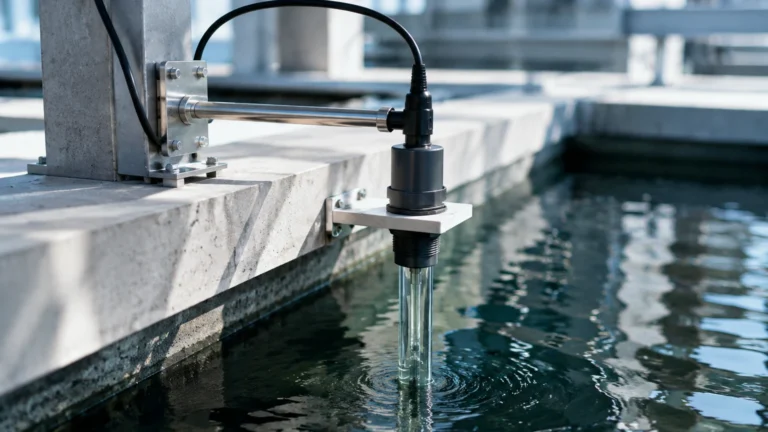
What Is a Oxygen Depletion Sensor
What Is a Oxygen Depletion Sensor
In industrial environments where inert gases are stored or utilized, the risk of oxygen displacement poses a significant threat to personnel safety. An oxygen depletion sensor (ODS) is a specialized safety device designed to monitor the concentration of oxygen ($O_2$) in a specific area and trigger alarms if the levels fall below a safe threshold. While industrial facilities often focus on process control—such as monitoring liquid volumes via the Main Page of instrumentation providers—atmospheric safety monitoring is an equally critical component of a comprehensive risk management strategy.
This article examines the underlying measurement principles of oxygen depletion sensors, their application in industrial settings, and the technical criteria necessary for selecting and installing these systems effectively.
The Fundamental Measurement Principles of Oxygen Sensors
To understand what is a oxygen depletion sensor, one must first look at the technology used to detect gas concentrations. Unlike level measurement technologies that rely on physical properties like wave reflection or hydrostatic pressure, oxygen sensors typically utilize chemical or electromagnetic properties. There are three primary technologies used in industrial ODS systems.
1. Electrochemical Sensors
Electrochemical sensors are the most common type used for safety monitoring. These sensors operate as a galvanic cell. When oxygen molecules enter the sensor through a capillary or membrane, they undergo a chemical reduction reaction at the cathode. This reaction generates an electrical current that is directly proportional to the partial pressure of oxygen in the atmosphere.
* Advantages: Low power consumption, compact size, and cost-effective for portable and fixed safety monitors.
* Limitations: The electrolyte is consumed over time, typically resulting in a sensor lifespan of 12 to 24 months.
2. Zirconia (Ceramic) Sensors
Zirconia sensors utilize a solid-state ceramic electrolyte made of zirconium dioxide. At high temperatures (typically above 600°C), the zirconia becomes conductive to oxygen ions. If there is a difference in oxygen concentration between the reference side and the measurement side of the sensor, a voltage (Nernst voltage) is produced.
* Advantages: Extremely fast response time and a long operational life (often 5+ years) since the sensor is not "consumed" like electrochemical cells.
* Limitations: Requires an internal heater, leading to higher power consumption and potential risks in explosive atmospheres without proper housing.
3. Paramagnetic Sensors
Oxygen is unique among common gases because it is paramagnetic, meaning it is attracted into a magnetic field. Paramagnetic sensors measure the physical displacement of a nitrogen-filled glass sphere suspended in a magnetic field when oxygen molecules are present.
* Advantages: High precision and stability; they do not suffer from the drift common in electrochemical sensors.
* Limitations: Sensitive to vibration and significantly more expensive than other technologies.
Why Oxygen Depletion Occurs in Industrial Environments
Oxygen depletion is rarely the result of oxygen being "consumed" in the traditional sense; rather, it is usually displaced. Normal atmospheric air contains approximately 20.9% oxygen. When other gases are introduced into a confined or poorly ventilated space, the oxygen concentration drops.
Displacement by Inert Gases
In facilities using nitrogen ($N_2$), argon ($Ar$), or helium ($He$) for blanketing tanks or purging lines, a leak can rapidly displace breathable air. Because these gases are often colorless and odorless, the human senses cannot detect the change. For instance, in cryogenic storage areas where liquid nitrogen is used, a small leak can expand into a massive volume of gas, pushing oxygen levels below the critical 19.5% safety limit.
Chemical Reactions and Oxidation
In the water treatment and chemical industries, oxidation processes can consume oxygen within enclosed vessels. When maintenance personnel enter these areas, the lack of oxygen can lead to immediate hypoxia. This is why ODS units are frequently integrated into the same safety protocols as the level measurement instruments found on the Main Page of industrial equipment suppliers.
Technical Specifications and Selection Criteria
Selecting the right oxygen depletion sensor requires an evaluation of the specific environmental conditions of the site. The following table provides a comparison of the primary sensor types based on industrial requirements:
| Feature | Electrochemical Cell | Zirconia Sensor | Paramagnetic Sensor |
| :— | :— | :— | :— |
| Typical Lifespan | 1–2 Years | 5–10 Years | 8–15 Years |
| Response Time (T90) | < 15 Seconds | < 2 Seconds | < 3 Seconds |
| Calibration Frequency | 3–6 Months | 6–12 Months | 6–12 Months |
| Operating Temp Range | -20°C to +50°C | Up to +700°C (Process) | 0°C to +45°C |
| Relative Cost | Low | Moderate | High |
| Cross-Sensitivity | High (to $CO_2$, $SO_2$) | Low | Very Low |
Key Evaluation Factors
1. Response Time (T90): This is the time it takes for the sensor to reach 90% of its final reading. In safety applications, a T90 of less than 15 seconds is generally required.
2. Environmental Stability: If the area is subject to high humidity or fluctuating pressures (such as in pressurized storage rooms), the sensor must be compensated for pressure to avoid false alarms.
3. Cross-Sensitivity: In chemical plants, sensors may be exposed to other gases. Electrochemical sensors, in particular, can produce inaccurate readings if "poisoned" by gases like hydrogen sulfide ($H_2S$) or high concentrations of carbon dioxide ($CO_2$).
Installation Considerations for ODS Systems
The effectiveness of an oxygen depletion sensor is heavily dependent on its placement. Unlike a level transmitter which is fixed to a tank, an ODS must be placed where the risk is highest or where personnel are most likely to be present.
Strategic Placement
* Breathing Zone: For general room monitoring, sensors should be mounted at the "breathing zone," typically 1.5 to 1.8 meters above the floor.
* Gas Density: If the displacing gas is heavier than air (like Argon), the sensor should be placed lower to the ground. If the displacing gas is lighter (like Helium), the sensor should be placed higher.
* Avoid Dead Air Pockets: Sensors should not be placed in corners or behind structural beams where air circulation is restricted.
Integration with Automation
Modern ODS units provide 4-20mA or RS485 Modbus outputs. This allows them to be integrated into the same SCADA or PLC systems that manage process level measurement. For example, if a level sensor on the Main Page detects a rapid drop in a liquid nitrogen tank, the ODS system can be programmed to increase ventilation in the room automatically.
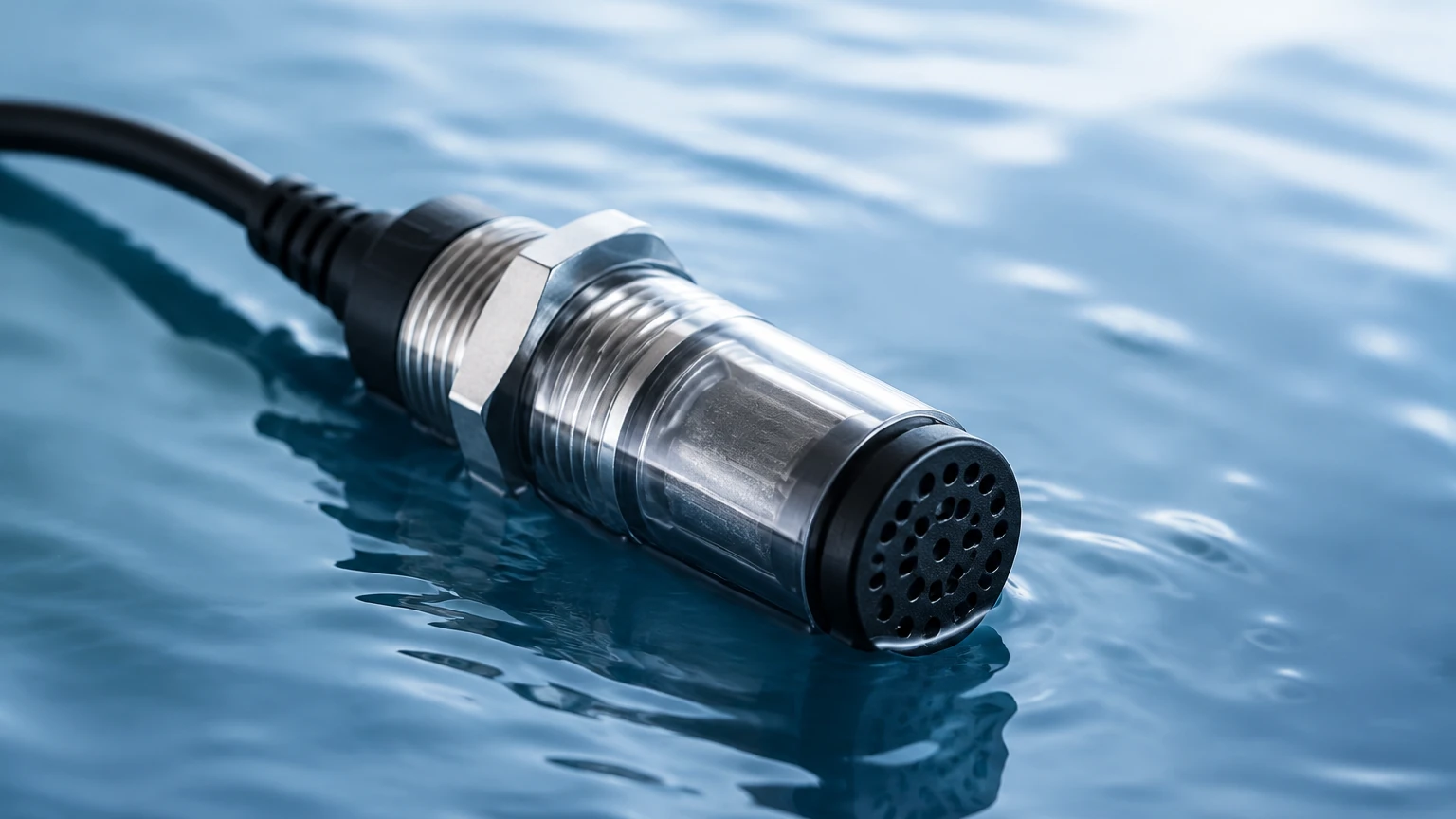
Limitations and Maintenance Requirements
No sensor is "set and forget." Oxygen depletion sensors require a rigorous maintenance schedule to ensure reliability.
1. Sensor Drift: All oxygen sensors experience some degree of drift over time. Electrochemical cells drift as the electrolyte is used, while Zirconia sensors may drift due to contaminants on the ceramic surface.
2. Calibration (Bump Testing): Regular "bump tests" involve exposing the sensor to a known concentration of gas (usually 18% $O_2$ in $N_2$) to verify that the alarms trigger correctly. Full calibration should occur at least every six months.
3. End-of-Life Warnings: Many modern digital ODS units include self-diagnostics that predict when the sensor element will fail. This is crucial for electrochemical sensors to prevent a "fail-silent" scenario.
Frequently Asked Questions (FAQs)
Q: At what level does an oxygen depletion alarm typically sound?
A: Most industrial standards (such as OSHA) require a primary alarm at 19.5% oxygen. A secondary, more urgent alarm is often set at 18% or 17%.
Q: Can I use a single sensor for a large warehouse?
A: No. Gas diffusion is limited. A single sensor typically covers a radius of 3 to 5 meters. Large areas require a grid of sensors to ensure total coverage.
Q: Does altitude affect oxygen depletion sensors?
A: Yes. Most sensors measure the partial pressure of oxygen. At high altitudes, the partial pressure is lower even if the percentage remains 20.9%. Sensors used at high altitudes must be calibrated at that specific altitude or be pressure-compensated.
Q: How do I choose between a portable and a fixed ODS?
A: Fixed systems provide 24/7 continuous monitoring and can trigger building-wide ventilation. Portable sensors are intended for personal protection when entering confined spaces or performing maintenance in areas not covered by fixed systems.
Conclusion
Understanding what is a oxygen depletion sensor is vital for any engineer or facility manager working with compressed gases or in confined industrial spaces. While level measurement instruments ensure the efficiency of the process, ODS systems ensure the safety of the people operating that process. By selecting the appropriate sensor technology—whether electrochemical, zirconia, or paramagnetic—and following strict installation and maintenance protocols, facilities can effectively mitigate the invisible risks of oxygen displacement. For those looking to integrate these safety measures with robust process control, reviewing the technical specifications of both safety and level measurement tools at the Main Page is a recommended first step in system design.