What Is Static Water Level in Well
What Is Static Water Level in Well
In the field of industrial water management and hydrogeology, understanding the fundamental metrics of a borehole is critical for operational efficiency and equipment longevity. One of the most vital parameters is the static water level (SWL). For engineers, site managers, and hydrologists, knowing what is static water level in well provides the baseline data required to design pumping systems, monitor aquifer health, and prevent catastrophic pump failure.
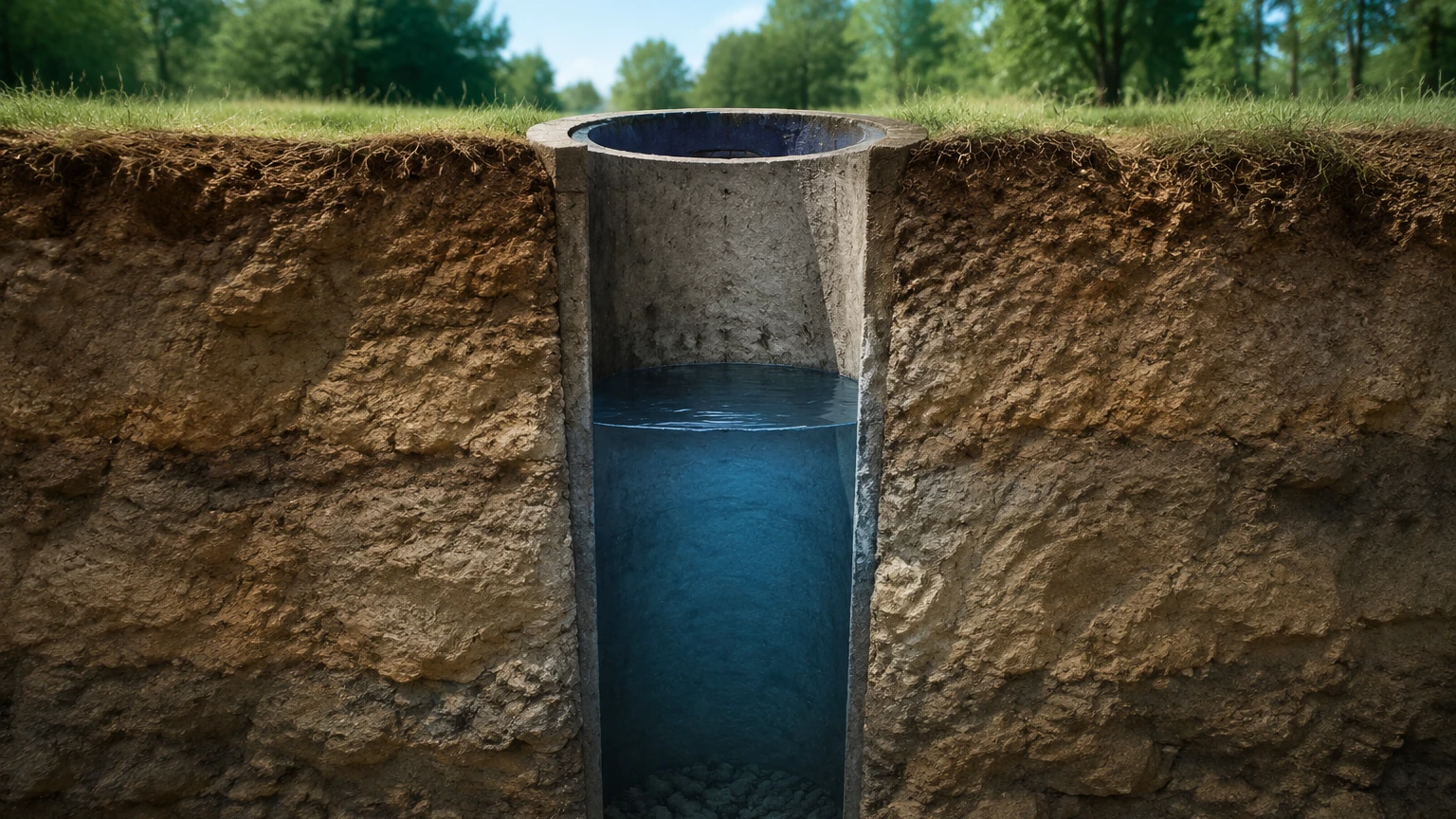
Static water level refers to the distance from the ground surface (or a specific reference point like the top of the well casing) to the water's surface when the well is at rest. "At rest" signifies that no pumping has occurred for a sufficient duration to allow the water level to stabilize, reflecting the natural equilibrium of the surrounding aquifer. This article explores the technical nuances of static water level, the principles of measurement, and the selection of appropriate instrumentation for continuous monitoring.
Understanding the Definition and Importance of Static Water Level
The static water level is not a permanent constant; it is a dynamic measurement that fluctuates based on seasonal recharge, local precipitation, and the extraction rates of neighboring wells. When a pump is turned off, the water level in the well rises until it reaches the level of the water table in the surrounding geological formation. This stabilized point is the static level.
Static vs. Dynamic Water Level
To fully grasp what is static water level in well, one must distinguish it from the dynamic water level. The dynamic level, or pumping level, is the position the water reaches while the pump is operating. The difference between the static level and the dynamic level is known as the "drawdown." Monitoring both allows operators to calculate the specific capacity of the well, which is an indicator of how much water the well can yield per unit of drawdown.
Why SWL Matters in B2B Operations
1. Pump Protection: Submersible pumps must remain submerged to ensure cooling and lubrication. If the static level drops significantly over time, the pump may be at risk of running dry during operation.
2. Aquifer Management: Persistent declines in static water levels indicate that the extraction rate exceeds the recharge rate, signaling a need for water conservation or deeper drilling.
3. System Design: For new installations, the static level determines the initial depth at which the pump and level sensors must be set.
For professionals seeking comprehensive hardware solutions for these measurements, the Main Page of industrial suppliers offers a range of sensors designed for deep-well environments.
Measurement Principles for Well Level Monitoring
Accurate measurement of the static water level requires an understanding of the physics involved. Different technologies offer varying degrees of precision, ease of installation, and maintenance requirements.
Hydrostatic Pressure Principle
Hydrostatic level transmitters are the most common choice for continuous well monitoring. These sensors are submerged below the water surface and measure the pressure exerted by the column of liquid above them.
* The Formula: $P = \rho \cdot g \cdot h$
* $P$ is the hydrostatic pressure.
* $\rho$ (rho) is the density of the water (typically 1,000 kg/m³).
* $g$ is the gravitational acceleration (approx. 9.81 m/s²).
* $h$ is the height of the water column above the sensor.
To determine the static water level from the surface, the height of the water column ($h$) is subtracted from the total depth at which the sensor is installed. High-quality hydrostatic sensors include a vent tube in the cable to compensate for changes in atmospheric pressure, ensuring the reading reflects only the water depth.
Ultrasonic (Non-Contact) Principle
Ultrasonic sensors are mounted at the top of the well casing. They emit a high-frequency sound pulse that travels down the well, reflects off the water surface, and returns to the sensor.
* The Formula: $Distance = (Speed\ of\ Sound \times Time) / 2$
While convenient because they do not touch the liquid, ultrasonic sensors can be affected by the narrow diameter of well casings, internal obstructions (like pipe joints or wires), and temperature gradients within the well shaft.
Radar Level Measurement
Radar transmitters, particularly those operating at 80GHz, represent the premium tier of level measurement. They use Frequency Modulated Continuous Wave (FMCW) technology to provide millimeter-level accuracy. Unlike ultrasonic waves, radar signals are unaffected by air temperature, pressure, or vapor, making them highly reliable for deep wells where environmental conditions vary.
Technical Comparison: Selecting the Right Level Sensor
Choosing the right instrument depends on the depth of the well, the required accuracy, and the budget. The following table provides a comparison of the primary technologies used to determine what is static water level in well.
| Feature | Hydrostatic Transmitter | Ultrasonic Sensor | Radar (FMCW) |
| :— | :— | :— | :— |
| Measurement Type | Contact (Submerged) | Non-Contact | Non-Contact |
| Max Range | Up to 500m+ | Typically up to 15-30m | Up to 120m |
| Accuracy | ±0.1% to ±0.5% FS | ±0.25% FS | ±1mm to ±2mm |
| Installation | Suspended by cable | Flange or Threaded mount | Flange or Threaded mount |
| Maintenance | Low (occasional cleaning) | Medium (sensor face) | Very Low |
| Cost | Moderate | Economical | Higher Initial Investment |
| Best For | Deep wells, narrow bores | Shallow wells, open basins | High-precision industrial wells |
Installation Guidelines and Best Practices
Proper installation is as important as the choice of technology. Incorrectly placed sensors will provide misleading data regarding the static water level.
Hydrostatic Sensor Placement
1. Depth Setting: The sensor should be placed at least 2 to 5 meters below the lowest expected dynamic water level to ensure it never goes dry, but it should not be placed at the very bottom of the well where silt and sediment can clog the pressure diaphragm.
2. Cable Anchoring: Use a proper strain-relief clamp at the wellhead to prevent the cable from slipping. The weight of a 100-meter cable plus the sensor is significant.
3. Atmospheric Venting: Ensure the vent tube in the cable is protected by a desiccant filter to prevent moisture from entering the sensor electronics, which would lead to signal drift or failure.
Non-Contact Sensor Alignment
1. Beam Angle: For ultrasonic and radar sensors, ensure the beam is perfectly vertical. Even a slight tilt can cause the signal to hit the well casing wall rather than the water surface.
2. Stilling Wells: In wells with significant turbulence or narrow diameters, installing a stilling well (a vertical pipe) can help guide the signal and provide a clean surface for measurement.
Common Challenges and Limitations in Well Measurement
Even with advanced technology, several factors can complicate the measurement of what is static water level in well.
* Aquifer Recovery Time: After a pump stops, the water level does not return to static immediately. In low-permeability aquifers, it may take hours or even days to reach a true static state. Measuring too early will result in an inaccurately low reading.
* Barometric Effects: In confined aquifers, changes in atmospheric pressure can cause the water level to fluctuate. Without a vented cable or a secondary barometric pressure sensor for compensation, these fluctuations can be misinterpreted as changes in water volume.
* Cascading Water: If water is entering the well from a higher-level perforation, it can interfere with ultrasonic and radar signals, creating "noise" that obscures the true level. In such cases, hydrostatic sensors are preferred as they are unaffected by surface turbulence.
* Temperature Variations: The density of water changes with temperature. While usually negligible in standard water wells, in geothermal or deep industrial wells, temperature compensation must be integrated into the hydrostatic calculation.
Frequently Asked Questions (FAQs)
Q1: How often should I measure the static water level?
For industrial and municipal wells, continuous monitoring is recommended. If manual measurements are used, they should be taken at least monthly, or more frequently during drought periods or high-demand seasons.
Q2: Can the static water level be higher than the ground surface?
Yes. This occurs in "artesian wells" where the pressure in the confined aquifer is high enough to push the water above the top of the well casing. In these instances, a sealed pressure gauge or a high-pressure hydrostatic transmitter is required.
Q3: Does the diameter of the well affect the static level?
No. The static water level is a measure of pressure equilibrium and is independent of the well's diameter. However, the diameter does affect how quickly the level drops during pumping and how fast it recovers.
Q4: What is the difference between SWL and TOC?
TOC stands for "Top of Casing." Most static water level measurements are referenced as "depth below TOC." It is essential to record the height of the TOC relative to the actual ground level to ensure data consistency across different sites.
Q5: Why is my hydrostatic sensor reading drifting?
Drift is often caused by moisture entering the vent tube or by the buildup of mineral scale on the sensor diaphragm. Regular inspection and the use of desiccant dryers at the termination point can mitigate this.
Conclusion
Identifying what is static water level in well is the first step toward responsible and efficient water management. Whether using the robust simplicity of a hydrostatic transmitter or the high-precision capabilities of 80GHz radar, the goal remains the same: obtaining accurate, repeatable data to inform operational decisions. For engineering teams tasked with specifying these systems, reviewing the technical documentation and product options on the Main Page ensures that the selected instrumentation meets the specific demands of the borehole environment. By adhering to proper installation protocols and understanding the geological variables at play, operators can maintain the health of both their equipment and the vital aquifers they tap into.