Where Is Starch Stored in the Plant
Where Is Starch Stored in the Plant
In the industrial processing of agricultural commodities, understanding the biological origins of raw materials is essential for optimizing storage and handling systems. Starch, a primary carbohydrate and a critical industrial feedstock, is synthesized by plants through photosynthesis. For engineers and plant managers involved in food production, paper manufacturing, and biofuel processing, knowing exactly where is starch stored in the plant provides the necessary context for managing bulk solids and liquid slurries in processing facilities.
Starch serves as the primary energy reserve for plants. While it is produced in the leaves, it is often transported and concentrated in specialized storage organs. These concentrations determine the physical characteristics of the material—such as particle size, moisture content, and bulk density—which in turn dictate the selection of level measurement instrumentation in industrial silos and tanks.
Biological Storage of Starch: From Leaves to Amyloplasts
Starch is not distributed uniformly throughout a plant. Its location depends on whether the storage is transient (short-term) or long-term.
Transient Storage in Chloroplasts
During the day, plants undergo photosynthesis in their leaves. The glucose produced is converted into starch and stored directly within the chloroplasts. This is known as "transient starch" because it is broken down into sucrose during the night and transported to other parts of the plant to support growth or long-term storage. For industrial purposes, leaf starch is rarely harvested due to its low concentration and rapid turnover.
Long-term Storage in Amyloplasts
For industrial extraction, the focus is on organs where starch is stored in specialized organelles called amyloplasts. These are non-pigmented organelles that convert glucose into starch granules and store them in high concentrations. The primary sites for this storage include:
* Seeds and Grains: In crops like maize (corn), wheat, and rice, starch is stored in the endosperm. This provides the energy necessary for the embryo to germinate. Corn starch is one of the most common industrial products, often stored in large-scale Main Page silos before wet or dry milling.
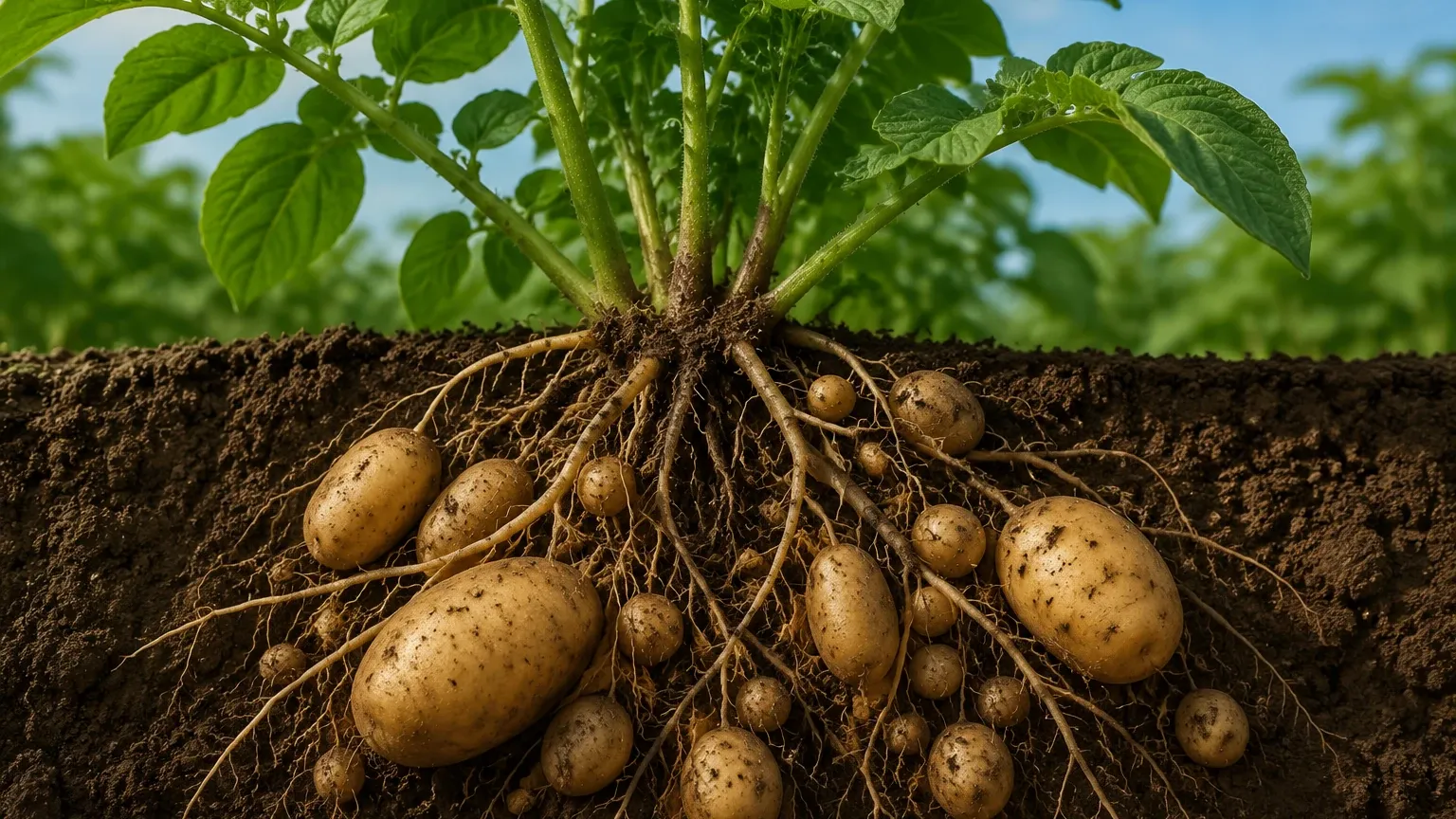
* Tubers: In plants like potatoes, starch is stored in underground stems known as tubers. These are designed to survive winter or dormant periods.
* Roots: Cassava (tapioca) and sweet potatoes store massive amounts of starch in their thickened secondary roots.
* Stems: Some plants, like the Sago palm, store starch within the pith of the stem.
Understanding where is starch stored in the plant allows processors to predict the physical behavior of the raw material. For instance, grain starch (from seeds) is typically handled as a dry bulk solid, whereas tuber starch (from potatoes) often involves high-moisture handling and wash-water management during the initial extraction phases.
Industrial Implications of Starch Physical Properties
The source of the starch influences the design of the storage vessel and the requirements for level monitoring. Starch granules vary in size depending on the plant source:
| Starch Source | Granule Size (µm) | Typical Storage Method | Measurement Challenge |
| :— | :— | :— | :— |
| Potato | 15–100 | Wet Slurry / Dry Powder | High viscosity / Dust |
| Corn (Maize) | 5–25 | Dry Silo / Bulk Grain | Heavy dust / Bridging |
| Rice | 3–8 | Fine Powder | Low dielectric constant |
| Wheat | 2–35 | Dry Powder | Material build-up |
Because starch is often processed into a very fine powder, it presents unique challenges for level measurement, including a low dielectric constant ($ε_r$) and the tendency to create significant dust clouds during filling. Selecting the correct measurement principle is vital for inventory accuracy and process safety.
Principles of Level Measurement for Starch Processing
Before selecting a specific instrument for starch storage, it is important to understand the measurement principles commonly employed in the industry. Each technology interacts differently with the physical properties of starch.
Radar Level Measurement (ToF)
Radar level meters operate on the Time-of-Flight (ToF) principle. They emit high-frequency electromagnetic pulses (typically in the 26GHz or 80GHz range) that reflect off the surface of the starch.
* 80GHz Radar: This is preferred for dry starch powder. The high frequency allows for a narrow beam angle, which helps avoid internal tank obstructions and handles the steep angle of repose common in starch silos. It also penetrates dust more effectively than optical solutions.
Ultrasonic Level Measurement
Ultrasonic sensors emit sound waves that bounce off the material surface. While cost-effective, they are generally less suitable for dry starch silos because the dust absorbs the sound energy, leading to signal loss. However, they are highly effective in starch milk (slurry) tanks where dust is not present.
Hydrostatic Pressure
For liquid starch applications, such as starch milk or glucose syrup, hydrostatic transmitters measure the pressure exerted by the liquid column. This is a reliable method for tanks with consistent density, though starch slurries may require flush diaphragms to prevent clogging.
Capacitance and Admittance
These sensors measure the change in electrical capacitance between the probe and the tank wall. While useful for point-level detection (high/low alarms), they can be sensitive to the moisture content of the starch, which may vary depending on the plant source and environmental conditions.
Recommended Instrumentation for Starch Storage and Processing
Based on the physical characteristics derived from where is starch stored in the plant and how it is extracted, the following selection guide assists in choosing the right technology.
1. Raw Grain Silos (Corn, Wheat, Rice)
For large silos containing raw grains, the primary challenge is the large volume and the uneven surface.
* Recommendation: 80GHz Non-contact Radar.
* Why: It provides a continuous level reading regardless of dust or the noise generated during pneumatic filling. It can accurately track the level even when the grain forms a cone shape.
2. Dry Starch Powder Hoppers
Once the starch is extracted and dried, it becomes a fine, light powder with a low dielectric constant.
* Recommendation: Guided Wave Radar (GWR) or High-Frequency Non-contact Radar.
* Why: GWR uses a probe to guide the signal, making it highly effective for materials with low reflectivity. If the tank has internal agitators, a non-contact 80GHz radar with a high-sensitivity chip is the better choice.
3. Starch Slurry and "Milk" Tanks
In wet milling, starch is transported as a slurry. These tanks often involve agitation to prevent the starch from settling.
* Recommendation: Non-contact Radar or Hydrostatic Level Transmitters.
* Why: Non-contact radar is unaffected by the density changes or the movement of the agitator. If using hydrostatic sensors, ensure a "clog-free" design is used to handle the viscous nature of the slurry.
Installation Considerations and Best Practices
Proper installation is as critical as technology selection. When dealing with starch, engineers must account for the following:
1. Angle of Repose: Dry starch does not sit flat. It forms a cone when filling and a crater when emptying. Radar sensors should be mounted approximately 1/6th to 1/3rd of the diameter from the tank wall to get an average level reading.
2. Nozzle Interference: Ensure the sensor beam does not hit the side of the mounting nozzle. For 80GHz radar, the narrow beam allows for longer nozzles, but for ultrasonic or lower-frequency radar, the nozzle must be kept short.
3. Dust Management: In dry powder silos, dust can coat the sensor face. While radar can penetrate dust clouds, a build-up on the lens can eventually attenuate the signal. Sensors with an integrated air purge connection are recommended for these environments.
4. Static Electricity: Fine starch powder can generate significant static charges. All instrumentation must be properly grounded, and in many jurisdictions, sensors must be ATEX or IECEx certified for explosive dust environments (Zone 20/21).
Limitations of Common Technologies
While modern instrumentation is highly capable, there are inherent limitations to consider:
* Ultrasonic Sensors: Should be avoided in vacuum or high-pressure starch tanks, as sound requires a medium (air) to travel. They also fail in heavy dust.
* Guided Wave Radar: While excellent for low-dielectric powders, the physical probe is subject to significant pull-down forces in large silos. In silos taller than 20 meters, the weight of the starch can snap the cable, making non-contact radar a safer long-term investment.
* Mechanical Plumb Bobs: These are prone to getting buried or stuck in fine starch powder and require high maintenance compared to solid-state electronic sensors.
Frequently Asked Questions (FAQ)
Q: How does moisture content in starch affect level measurement?
A: Moisture significantly increases the dielectric constant of starch. For radar sensors, this actually makes the reflection stronger and easier to detect. However, for capacitance-based sensors, varying moisture can lead to calibration drift and inaccuracies.
Q: Can I use the same sensor for corn starch and potato starch?
A: Generally, yes, if using high-frequency radar. However, potato starch granules are much larger and may behave differently in terms of flowability and dust generation compared to the much finer rice or corn starch.
Q: What is the best way to prevent "bridging" in starch silos?
A: While level sensors cannot prevent bridging (where starch sticks to the walls and forms a hollow space), a reliable level meter can detect it. If the level reading remains static while the discharge pump is running, it is a clear indicator of a bridge or "rat-holing" issue.
Conclusion
Understanding the biological origins of starch—specifically where is starch stored in the plant—highlights the diversity of physical forms this carbohydrate can take, from hard grains to fleshy tubers. In the industrial sector, this diversity necessitates a nuanced approach to level measurement. Whether managing the heavy dust of a corn silo or the viscous slurry of a potato processing line, selecting the right measurement principle is the key to operational efficiency and safety.
For technical specifications on radar, ultrasonic, and hydrostatic solutions tailored to the starch and grain industry, engineers are encouraged to Review product options and application support to ensure their instrumentation matches the specific demands of their process media.