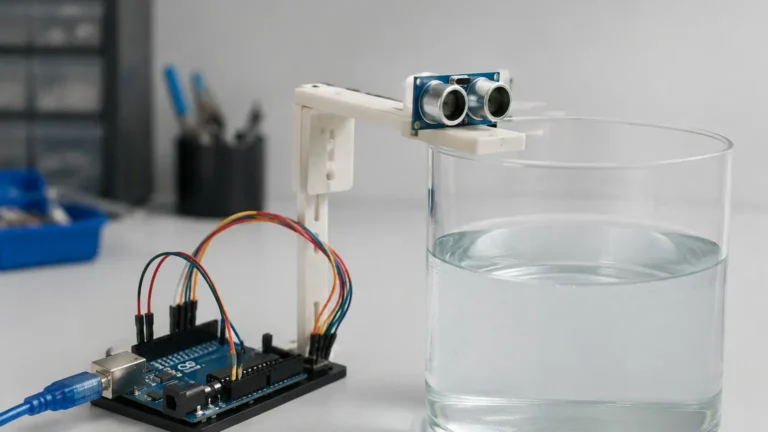
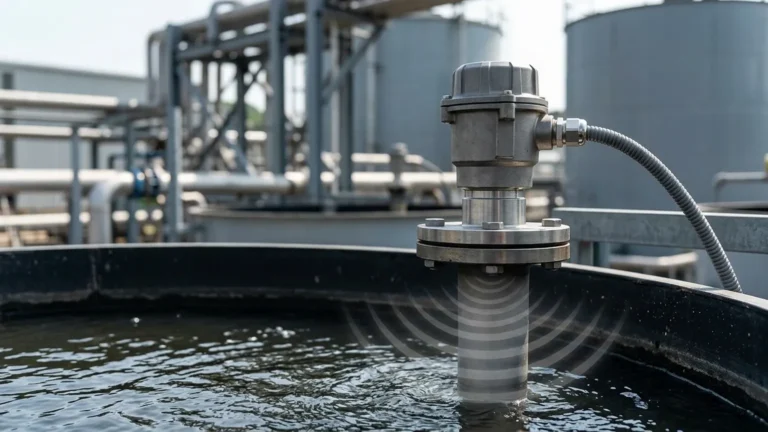
Ultrasonic Level Sensor Aliexpress
Ultrasonic Level Sensor AliExpress: A Guide to Industrial vs. Consumer Selection
In the era of global e-commerce, sourcing industrial components has become more accessible than ever. For many maintenance engineers and procurement specialists, searching for an ultrasonic level sensor aliexpress is often the first step in identifying cost-effective solutions for tank monitoring or water treatment projects. However, the transition from a consumer-grade platform to a professional industrial environment requires a deep understanding of measurement principles, technical specifications, and the long-term reliability required for B2B applications.
Professional Ultrasonic Level Meters are sophisticated instruments designed to withstand harsh industrial conditions that standard consumer-grade sensors may not survive. This guide explores the technical foundations of ultrasonic technology, provides a framework for evaluating sensors found on platforms like AliExpress, and outlines the critical installation factors necessary for industrial success.
Understanding the Measurement Principle
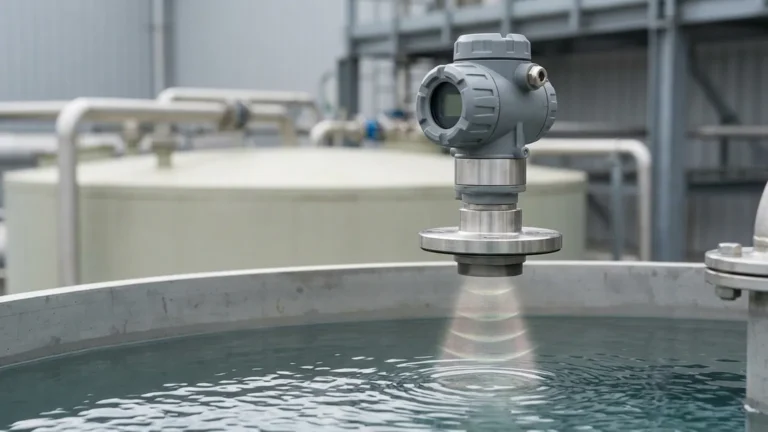
Before selecting a sensor, it is essential to understand how ultrasonic technology functions. Ultrasonic level meters operate on the "Time of Flight" (ToF) principle. The sensor’s transducer emits high-frequency sound pulses—typically ranging from 20 kHz to 200 kHz—toward the surface of the medium being measured.
1. Emission: The transducer converts electrical energy into an ultrasonic pulse.
2. Reflection: The pulse travels through the air, hits the material surface (liquid or solid), and reflects back toward the sensor.
3. Detection: The transducer receives the returning echo and converts it back into an electrical signal.
4. Calculation: The internal processor calculates the distance based on the formula:
Distance = (Speed of Sound × Time) / 2
Because the speed of sound in air is approximately 344 m/s (1,128 ft/s) at 20°C (68°F), the device can determine the level of the medium by subtracting the measured distance from the total height of the tank. For industrial-grade accuracy, high-quality sensors must account for temperature fluctuations, as the speed of sound varies with air temperature.
Evaluating Ultrasonic Level Sensors: Industrial Standards vs. AliExpress Sourcing
When browsing for an ultrasonic level sensor aliexpress, users will encounter a vast spectrum of products, from DIY-grade modules to legitimate industrial transmitters. For B2B applications, the following distinctions are critical:
Build Quality and Materials
Consumer-grade sensors often use standard ABS plastics that may degrade when exposed to UV light or chemical vapors. Professional industrial sensors utilize chemically resistant materials such as PVDF (Polyvinylidene fluoride) or PTFE (Polytetrafluoroethylene) for the transducer face, ensuring longevity in acidic or alkaline environments.
Signal Processing and Filtering
Industrial environments are noisy—both acoustically and electrically. A professional ultrasonic level meter includes advanced digital signal processing (DSP) to filter out "false echoes" caused by tank agitators, internal ladders, or wall reflections. Low-cost sensors found on mass-market platforms often lack these sophisticated algorithms, leading to erratic readings in complex tank geometries.
Output and Integration
While a hobbyist sensor might only offer a simple pulse-width modulation (PWM) output, industrial sensors provide standardized communication protocols such as 4-20mA analog signals, RS485 (Modbus RTU), or HART. These are essential for integrating the sensor into a PLC (Programmable Logic Controller) or SCADA system.
Technical Selection Criteria for Industrial Applications
To ensure the selected sensor meets the requirements of a professional facility, use the following selection table as a baseline for comparison:
| Feature | Consumer/DIY Grade | Industrial Grade (Welk Standard) |
| :— | :— | :— |
| Measurement Range | 0.1m to 4m | 0.3m to 30m+ |
| Accuracy | ±1% to ±5% of span | ±0.2% to ±0.5% of span |
| Ingress Protection | IP65 or lower | IP67 / IP68 (Submersible options) |
| Temperature Comp. | Often absent or basic | Automatic (Built-in NTC thermistor) |
| Housing Material | Basic Plastic | Die-cast Aluminum or Reinforced Polymer |
| Certifications | CE (Self-declared) | CE, RoHS, Explosion-proof (Ex d/Ex ia) |
When evaluating an ultrasonic level sensor aliexpress, verify if the vendor provides full data sheets and technical support. In industrial B2B procurement, the total cost of ownership (TCO) is influenced more by reliability and support than the initial purchase price.
Installation Guidelines for Accurate Measurement
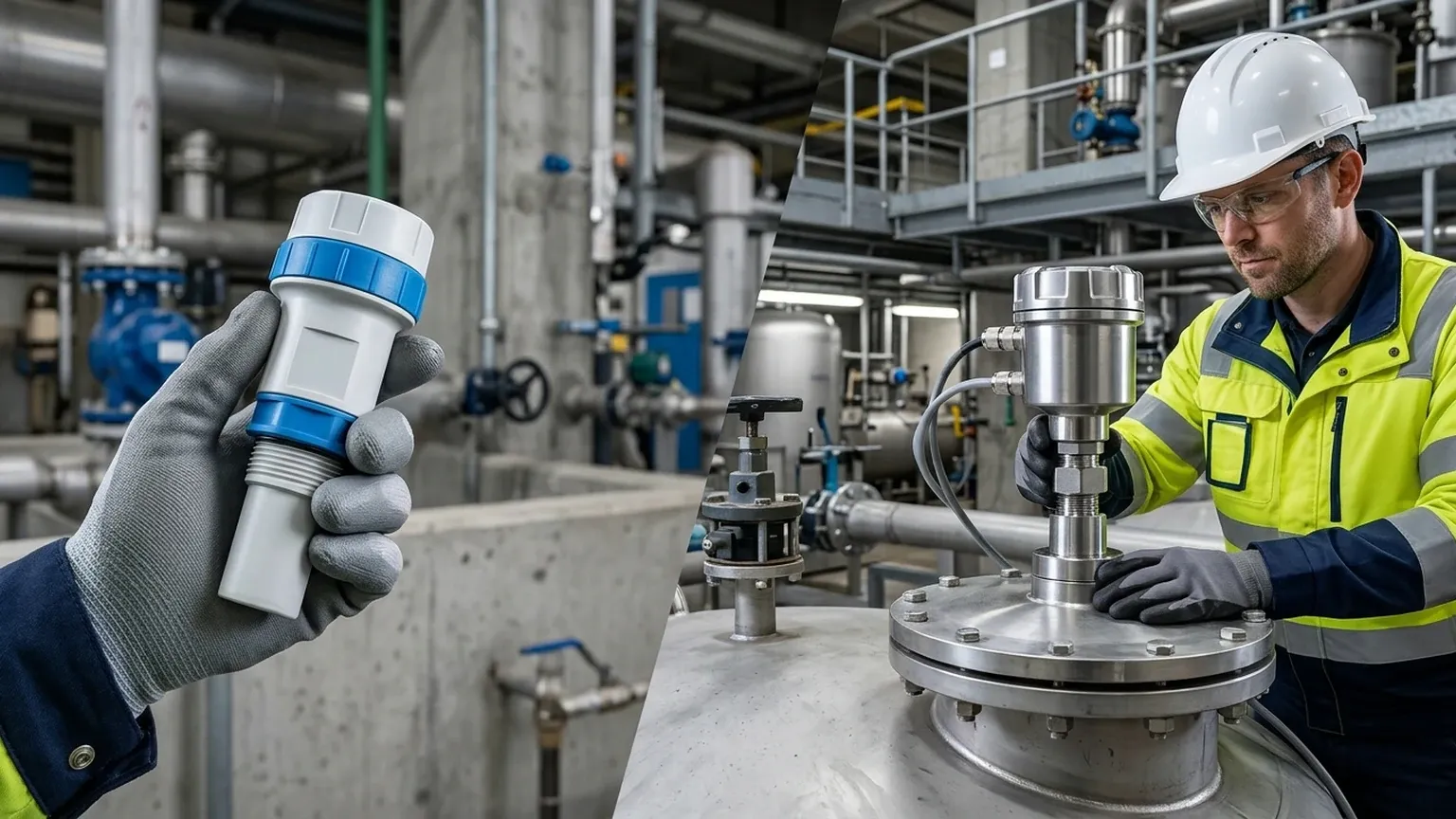
Even the highest quality ultrasonic level meter will fail if installed incorrectly. Proper placement is the most significant factor in achieving stable readings.
1. The Blocking Distance (Dead Zone)
Every ultrasonic sensor has a "dead zone" directly beneath the transducer where it cannot measure. This is the time required for the transducer to stop vibrating after sending a pulse before it can listen for the echo. For a sensor with a 5-meter range, the dead zone is typically 0.25m to 0.3m (10 to 12 inches). Ensure the highest liquid level never enters this zone.
2. Beam Angle and Obstructions
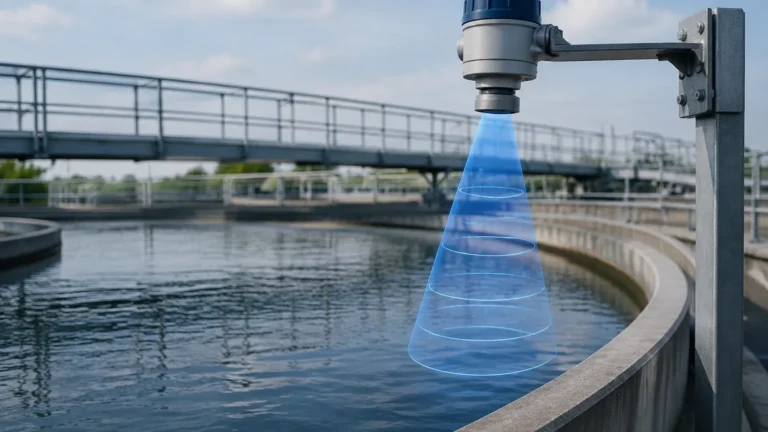
The ultrasonic pulse spreads out in a cone shape, usually between 5° and 12°. It is vital to ensure that no internal tank structures (pipes, reinforcement bars, or sensors) intersect this cone. If the beam hits an obstruction, it will return a false "high level" reading.
3. Perpendicularity
The sensor must be mounted perfectly perpendicular to the liquid surface. A tilt of even a few degrees can cause the sound wave to reflect away from the transducer rather than back toward it, resulting in a "Loss of Echo" (LOE) error.
4. Mounting Location
* Avoid the Center: In cylindrical tanks, avoid mounting the sensor in the exact center, as this can create parabolic focal points for noise.
* Avoid the Fill Stream: Never install the sensor directly above the point where liquid enters the tank, as the turbulence and splashing will disrupt the signal.
Environmental Limitations and Mitigation Strategies
Ultrasonic technology is versatile but has physical limitations that must be addressed during the engineering phase.
* Foam: Heavy, dense foam on the surface of a liquid absorbs ultrasonic waves, preventing an echo. In these cases, a radar level meter or a contact-based solution like a magnetic level gauge is preferred.
* Vapors and Pressure: High-pressure environments or heavy chemical vapors (like those from concentrated fuming acids) change the density of the air, which alters the speed of sound. While temperature compensation is standard, pressure and vapor compensation are more complex and may require specialized calibration.
* Vacuum: Sound waves require a medium (air/gas) to travel. Ultrasonic sensors cannot function in a vacuum.
* Dust: In solid level measurement (e.g., grain or cement silos), heavy dust can attenuate the signal. High-power transducers with self-cleaning faces are required for these applications.
Frequently Asked Questions (FAQ)
Q: Can I use an ultrasonic level sensor for fuel or oil?
A: Yes, but ensure the sensor housing and transducer face are compatible with hydrocarbons. Many low-cost sensors use rubber seals that may swell or degrade when exposed to fuel vapors.
Q: How do I handle a tank with a curved top?
A: Use a flange or a standpipe to ensure the sensor is mounted level. If using a standpipe, the interior must be smooth and free of burrs to prevent interference echoes.
Q: Why is my sensor showing a full tank when it is actually empty?
A: This is often caused by the sensor detecting a reflection from an internal obstruction or the tank wall. Check the beam angle and ensure the sensor is not mounted too close to the wall.
Q: Is it worth buying an ultrasonic level sensor from AliExpress for a factory?
A: It depends on the application. For non-critical monitoring (e.g., a secondary rainwater tank), it may be acceptable. However, for process control, chemical dosing, or safety-critical applications, sourcing from a professional manufacturer like Welk ensures you receive calibrated instruments, technical documentation, and warranty support.
Conclusion
While searching for an ultrasonic level sensor aliexpress can provide a quick overview of the market's entry-level pricing, industrial-grade level measurement requires a focus on precision, material compatibility, and signal integrity. By understanding the physics of sound and adhering to strict installation practices, engineers can implement reliable level monitoring solutions that reduce downtime and improve process efficiency. For those requiring robust, certified, and high-accuracy instrumentation, professional Ultrasonic Level Meters remain the industry standard for modern automation.