Decarbonization Transformation
Decarbonization Transformation
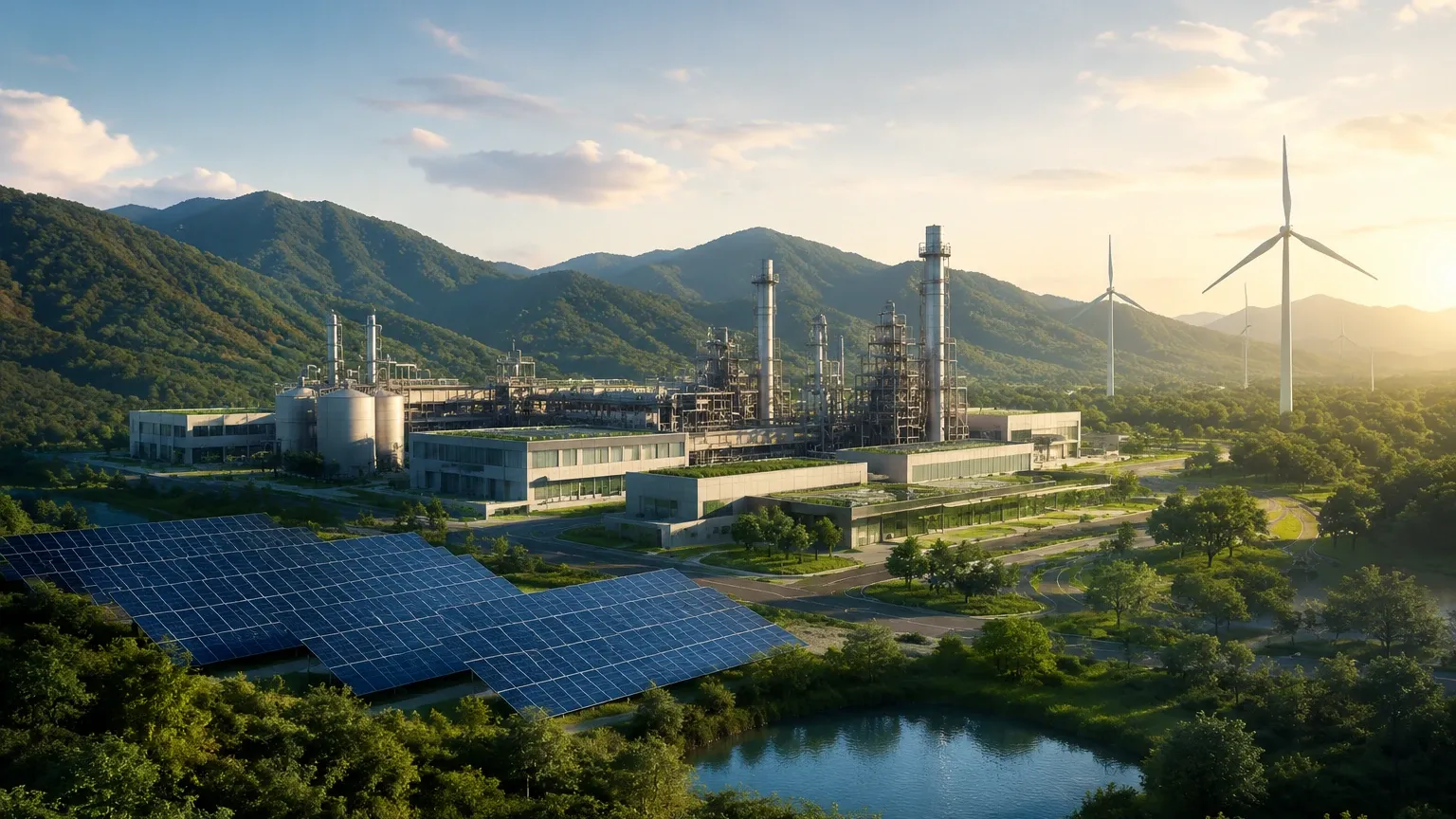
In the current industrial landscape, the drive toward sustainability is no longer a peripheral concern but a core operational mandate. The process of decarbonization transformation involves a comprehensive overhaul of industrial practices to reduce greenhouse gas emissions, optimize resource utilization, and enhance energy efficiency. For sectors such as water treatment, chemical processing, and oil and gas, achieving these goals relies heavily on the precision of process control. Level measurement instruments serve as a critical foundation for this transition, providing the data necessary to minimize waste, prevent environmental accidents, and ensure that every liter of fluid or gram of solid is accounted for in a circular economy.
The Role of Level Measurement in Decarbonization
Decarbonization transformation is often viewed through the lens of renewable energy adoption, but for many B2B entities, the most immediate gains are found in process optimization. Inaccurate level measurement leads to overflows, which result in chemical spills and environmental remediation costs—both of which have high carbon footprints. Furthermore, inefficient tank management leads to unnecessary pump operations, increasing electricity consumption.
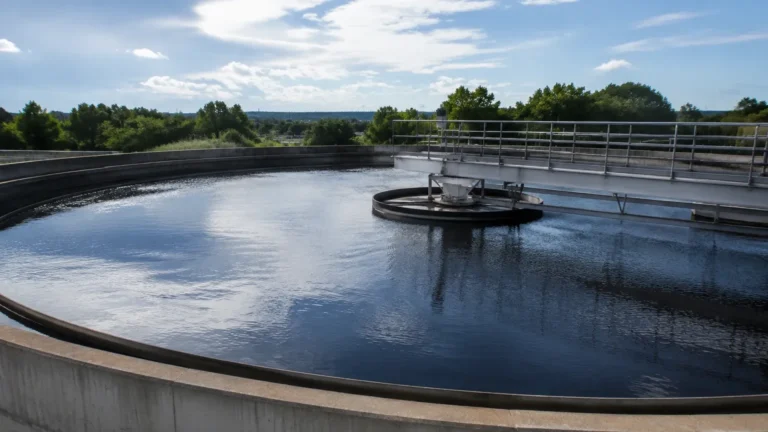
By implementing advanced level sensors, facilities can achieve "just-in-time" inventory management and precise dosing. For example, in wastewater treatment, accurate level data ensures that aeration and chemical treatment processes run only when necessary, significantly reducing the energy intensity of the plant. In the chemical industry, precise level monitoring of volatile organic compounds (VOCs) prevents fugitive emissions, directly contributing to a reduction in Scope 1 emissions.
Understanding Measurement Principles
Before selecting an instrument to support a decarbonization transformation strategy, engineering teams must understand the underlying physics of various measurement technologies. Each principle offers specific advantages depending on the medium, environment, and accuracy requirements.
1. Radar Level Measurement (ToF and FMCW)
Radar level meters operate on the Time of Flight (ToF) principle or Frequency Modulated Continuous Wave (FMCW) technology. The sensor emits a high-frequency microwave signal (typically 26GHz or 80GHz) that travels to the surface of the medium and reflects back.
* 80GHz Radar: This technology uses a higher frequency, allowing for a narrower beam angle. This is particularly useful in tanks with internal obstructions like agitators or heating coils. By avoiding false echoes, 80GHz radar provides a more stable signal, which is essential for automated systems aiming to reduce operational waste.
* Advantages: Non-contact measurement, unaffected by vacuum, pressure, or temperature fluctuations.
2. Ultrasonic Level Sensors
Ultrasonic sensors emit acoustic pressure waves. The time it takes for the sound wave to hit the surface and return to the transducer determines the distance.
* Considerations: Because sound speed is affected by air temperature, these sensors usually include an integrated temperature probe for compensation. They are ideal for water and wastewater applications where the medium is relatively stable and non-volatile.
* Advantages: Cost-effective and easy to install for open-channel flow and simple liquid storage.
3. Hydrostatic Level Transmitters
This principle relies on the relationship between the height of a liquid and the pressure it exerts at the base of a vessel (P = ρgh). A pressure sensor at the bottom of the tank measures the head pressure of the liquid column.
* Considerations: Accuracy depends on the density (ρ) of the liquid remaining constant. If the process involves varying temperatures that change the liquid's density, compensation is required.
* Advantages: Highly reliable for deep wells, vented tanks, and sludge applications.
4. Magnetic Level Gauges
Magnetic level gauges utilize a float containing a permanent magnet that moves with the liquid level inside a bypass chamber. This magnet interacts with a series of bi-color flaps or a transmitter on the outside of the chamber.
* Advantages: Provides a clear visual indication without the need for electrical power, making it a safe choice for high-pressure boilers and hazardous chemical storage where redundant, non-electronic monitoring supports safety and sustainability protocols.
Selection Guide for Decarbonization Projects
Choosing the right technology is essential for the long-term success of any decarbonization transformation. The following table summarizes the suitability of different technologies based on common industrial requirements.
| Technology | Accuracy | Best For | Decarbonization Benefit |
| :— | :— | :— | :— |
| 80GHz Radar | ±1 mm | Corrosive chemicals, narrow tanks | Maximum precision prevents overflows and optimizes inventory. |
| Ultrasonic | ±0.25% of range | Water treatment, open channels | Low power consumption and low cost for mass deployment. |
| Hydrostatic | ±0.1% to 0.5% | Sludge, deep tanks, oils | Durable and reliable for long-term waste management. |
| Magnetic Gauge | ±5 mm to 10 mm | High pressure, toxic liquids | Zero-power visual monitoring; prevents leaks via robust containment. |
| Level Switches | N/A (Point) | Overfill protection | Critical safety layer to prevent environmental contamination. |
Installation Considerations for Optimized Performance
To ensure that level instruments contribute effectively to a facility's decarbonization goals, proper installation is paramount. An incorrectly installed sensor provides erratic data, leading to process oscillations and energy waste.
1. Dead Zones (Blocking Distance): Every sensor has a minimum distance it cannot measure (the "dead zone"). For ultrasonic sensors, this is typically 0.25m to 0.5m (approx. 10 to 20 inches). For radar, it is much smaller. Ensure the sensor is mounted high enough that the maximum liquid level never enters this zone.
2. Nozzle Geometry: For radar and ultrasonic units, the mounting nozzle should be short and wide enough to prevent the signal from reflecting off the nozzle walls. Internal welds or burrs can cause "ringing" that masks the true level signal.
3. Beam Path Obstructions: Identify any internal pipes, ladders, or agitators. While modern software can "map out" these obstructions, it is best to install the sensor in a location with a clear line of sight to the liquid surface.
4. Turbulence and Foam: In tanks with heavy agitation or foaming, a stilling well or bypass pipe may be necessary. Foam can absorb ultrasonic signals and scatter radar signals, leading to signal loss. Choosing a high-power radar or a contact-based hydrostatic sensor can mitigate these issues.
Limitations and Challenges
While advanced instrumentation is a catalyst for decarbonization transformation, engineers must be aware of technical limitations:
* Media Dielectric Constant: Radar measurement depends on the dielectric constant (εr) of the material. Low-dielectric materials (like certain oils or liquefied gases) reflect less energy. In these cases, guided wave radar or high-sensitivity 80GHz radar is required.
* Vapor and Dust: Heavy steam or dust can attenuate ultrasonic signals. In such environments, radar is almost always the superior choice because microwaves penetrate these atmospheres with minimal loss.
* Maintenance Requirements: Even the best sensors require periodic calibration. A decarbonization strategy that ignores maintenance will eventually suffer from "sensor drift," leading to gradual inefficiencies.
Frequently Asked Questions (FAQ)
Q: How does upgrading to 80GHz radar assist in decarbonization?
A: 80GHz radar provides a much narrower beam, which reduces interference from tank walls and internals. This higher precision allows for tighter control loops, reducing the "safety buffer" of chemicals or fuels kept in tanks and minimizing the energy used in pumping and heating.
Q: Can level sensors be integrated into existing carbon tracking software?
A: Yes. Most modern instruments from professional manufacturers like Welk offer 4-20mA HART, Modbus, or Profibus outputs. These protocols allow real-time level and volume data to be fed directly into Energy Management Systems (EMS) or carbon accounting platforms.
Q: What is the most energy-efficient level measurement technology?
A: For local indication, magnetic level gauges require zero power. For continuous electronic measurement, loop-powered (2-wire) transmitters are highly efficient, drawing very little current (typically 4-20mA) to operate both the sensor and the communication interface.
Q: Is hydrostatic measurement suitable for carbon capture and storage (CCS)?
A: Hydrostatic sensors are excellent for monitoring the level of liquids in deep geological storage or transport tanks, provided the density of the captured medium is well-understood and compensated for temperature and pressure.
Conclusion
Successful decarbonization transformation requires a shift from "good enough" measurement to high-precision, data-driven process control. By selecting the appropriate level measurement technology—whether it be the precision of 80GHz radar or the rugged reliability of hydrostatic transmitters—industrial operators can significantly reduce their environmental footprint while improving their bottom line.
Reliable data is the first step toward a sustainable future. For detailed technical specifications and to explore the full range of industrial measurement solutions, engineers and procurement specialists are encouraged to visit the Main Page of Welk's official site. Accessing expert application support ensures that the chosen instrumentation aligns perfectly with both operational requirements and long-term sustainability targets.