High Accuracy Pressure Transducer
High Accuracy Pressure Transducer
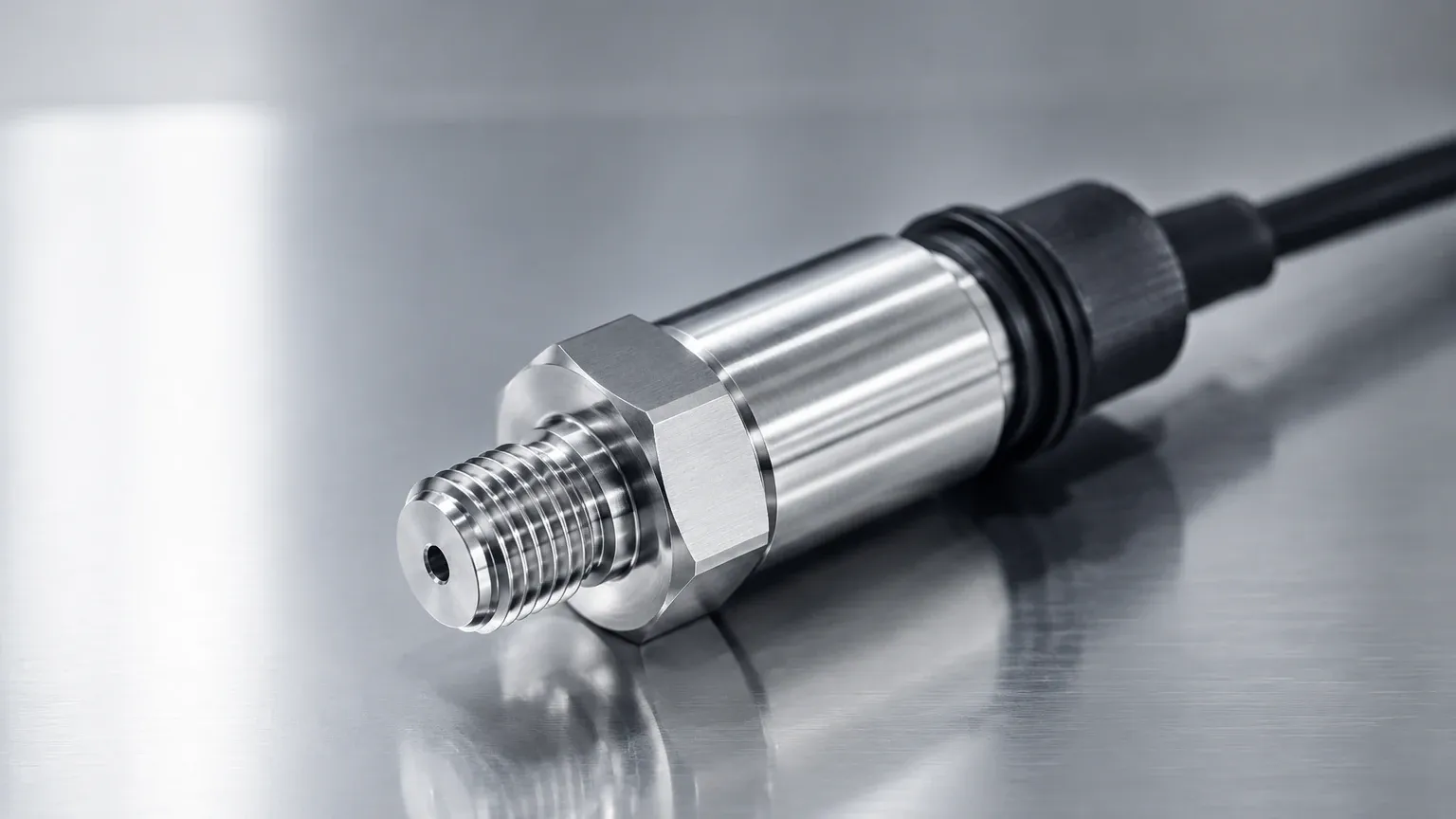
In the landscape of industrial automation and process control, the high accuracy pressure transducer serves as a fundamental component for monitoring system health, ensuring safety, and optimizing performance. These instruments are designed to convert physical pressure into a precise electrical signal, typically used for monitoring gases and liquids in pipelines, tanks, and reactors. For engineers and procurement specialists, selecting a high accuracy pressure transducer requires a deep understanding of sensor physics, environmental variables, and the specific requirements of the application, such as hydrostatic level measurement or high-pressure hydraulic monitoring.
Welk, as a professional manufacturer of industrial level measurement instruments, provides a range of solutions including radar level meters and hydrostatic level transmitters that rely on high-precision sensing elements. Understanding the nuances of these transducers is essential for achieving reliable data in demanding environments like water treatment, chemical processing, and oil and gas operations.
Understanding the Principles of Pressure Measurement
Before selecting a high accuracy pressure transducer, it is vital to understand the underlying technologies that enable precision. Most industrial transducers utilize one of three primary sensing principles: piezoresistive, capacitive, or strain gauge technology.
Piezoresistive Sensors
Piezoresistive transducers utilize the change in electrical resistance of a semiconductor (usually silicon) when subjected to mechanical strain. These sensors are often mounted on a flexible diaphragm. When pressure is applied, the diaphragm deflects, changing the resistance of the bridge circuit. This technology is favored for its high sensitivity and ability to be miniaturized. High-end piezoresistive sensors often include internal temperature compensation to maintain accuracy across varying thermal conditions.
Capacitive Sensors
Capacitive pressure transducers measure the change in electrical capacitance between a flexible diaphragm and a fixed metal plate. As pressure moves the diaphragm, the gap between the electrodes changes, altering the capacitance. These sensors are known for their excellent long-term stability and resistance to overpressure. They are frequently used in low-pressure applications where high sensitivity is required.
Strain Gauge Sensors
Thin-film or foil strain gauges are bonded to a diaphragm. As the diaphragm deforms under pressure, the strain gauge stretches or compresses, changing its resistance. While generally less sensitive than piezoresistive sensors, they are exceptionally robust and suitable for very high-pressure ranges (up to 1,000 bar or more) and harsh industrial environments.
Defining Accuracy in Industrial Transducers
When discussing a "high accuracy pressure transducer," it is important to define what "accuracy" actually means in a B2B context. Accuracy is typically expressed as a percentage of the Full Scale (FS) output. A standard industrial transducer might have an accuracy of ±0.5% FS, whereas a high-precision model may offer ±0.1% FS or even ±0.05% FS.
Key Components of Accuracy
1. Linearity: The maximum deviation of the sensor's output curve from a specified straight line. High-precision units use advanced calibration to ensure the output is as linear as possible.
2. Hysteresis: The difference in output at a specific pressure point depending on whether the pressure is increasing or decreasing. Low hysteresis is a hallmark of high-quality diaphragm materials.
3. Repeatability: The ability of the transducer to provide the same output for the same applied pressure under identical conditions.
4. Thermal Drift: The change in accuracy due to fluctuations in ambient or media temperature. High accuracy pressure transducers often feature active temperature compensation to mitigate this effect.
For comprehensive technical specifications and to explore various sensor configurations, engineers can visit the Main Page of the Welk product catalog to review how these accuracy standards are applied across different measurement technologies.
Applications in Level Measurement
One of the most common applications for a high accuracy pressure transducer is hydrostatic level measurement. This method relies on the principle that the pressure at the bottom of a liquid column is directly proportional to the height of the liquid and its density ($P = \rho gh$).
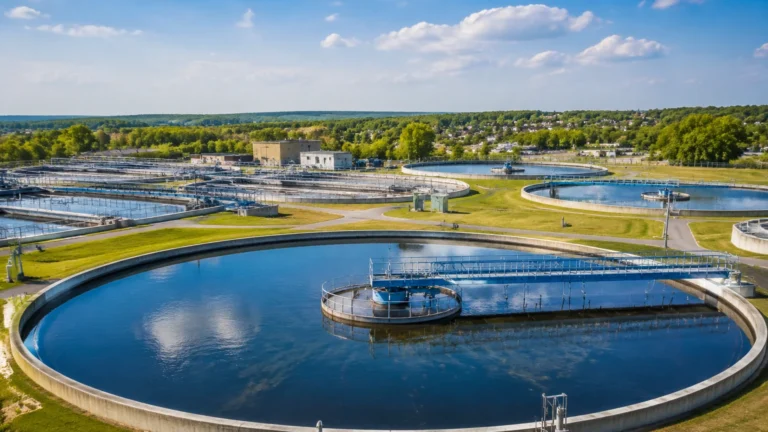
In water treatment or chemical storage, a submersible pressure transducer is lowered to the bottom of a tank. The sensor measures the "head pressure" of the liquid above it. To ensure high accuracy, the transducer must account for atmospheric pressure changes, usually via a vented cable that allows the internal side of the sensor diaphragm to reference the local barometric pressure. This ensures that the resulting measurement reflects only the liquid level, not changes in weather or altitude.
Key Selection Criteria for High-Precision Applications
Selecting the right instrument involves more than just looking at the accuracy percentage. Engineers must consider the operational environment and the characteristics of the media being measured.
Media Compatibility
The wetted parts of the transducer—usually the diaphragm and the housing—must be chemically compatible with the fluid. 316L stainless steel is the standard, but for corrosive chemicals, materials like Tantalum, Hastelloy C, or ceramic diaphragms may be required.
Pressure Type
* Gauge Pressure: Referenced to local atmospheric pressure.
* Absolute Pressure: Referenced to a vacuum. Necessary for applications where atmospheric pressure fluctuations would introduce unacceptable errors.
* Differential Pressure: Measures the difference between two pressure points, often used for filter monitoring or flow measurement.
Signal Output
High accuracy pressure transducers must transmit their data without signal degradation. Common outputs include:
* 4-20 mA: The industrial standard for long-distance transmission with high noise immunity.
* 0-10 V: Common in laboratory or HVAC settings.
* Digital (HART, RS485/Modbus): Allows for remote configuration and provides diagnostic data alongside the pressure reading.
Practical Selection Table
The following table provides a comparison of common transducer configurations used in industrial level and pressure monitoring.
| Feature | Piezoresistive (Silicon) | Ceramic Capacitive | Thin-Film Strain Gauge |
| :— | :— | :— | :— |
| Typical Accuracy | ±0.1% to ±0.25% FS | ±0.1% to ±0.5% FS | ±0.2% to ±0.5% FS |
| Pressure Range | Low to Medium (0.1 – 40 bar) | Very Low to Medium (0.05 – 60 bar) | Medium to Very High (10 – 2000 bar) |
| Media Compatibility | Requires oil filling/isolator | Excellent (Corrosion resistant) | Good (Stainless steel) |
| Long-term Stability | High | Excellent | Good |
| Best For | Clean liquids, gases, level | Corrosive chemicals, slurries | Hydraulics, high-pressure gas |
Installation and Maintenance Guidelines
Even the most expensive high accuracy pressure transducer will fail to perform if installed incorrectly. Proper installation is the bridge between theoretical accuracy and field performance.
Mounting Considerations
* Orientation: Some highly sensitive low-pressure transducers may exhibit a zero-shift if mounted in a different orientation than they were calibrated in. Always check the manufacturer's documentation regarding mounting position.
* Pressure Snubbers: In systems prone to pressure spikes or water hammer (such as pump discharge lines), a snubber should be installed to protect the delicate sensor diaphragm.
Environmental Protection
* Venting: For gauge pressure sensors, ensure the vent tube in the cable is not kinked or blocked. Use a desiccant filter if the environment is highly humid to prevent moisture from entering the sensor housing.
* Electrical Grounding: Proper shielding and grounding of the signal cable are essential to prevent EMI (electromagnetic interference) from degrading the high-accuracy signal.
Calibration Cycles
High accuracy instruments should be calibrated annually. In critical B2B applications, such as custody transfer or safety-instrumented systems (SIS), semi-annual calibration may be necessary to account for any long-term sensor drift.
Limitations and Troubleshooting
While high accuracy pressure transducers are highly reliable, they are not immune to failure or error. Common limitations include:
1. Overpressure Damage: Exceeding the proof pressure (the maximum pressure the sensor can withstand without permanent damage) will deform the diaphragm and destroy the accuracy. Always select a sensor with a range slightly higher than the maximum expected process pressure.
2. Temperature Extremes: While compensated, extreme temperatures outside the rated operating range can cause the electronics to fail or the fill fluid (in isolated sensors) to expand and introduce errors.
3. Clogging: In applications involving viscous liquids or wastewater, the pressure port can become clogged. In these cases, a flush-diaphragm design is preferred over a recessed port.
Frequently Asked Questions (FAQ)
Q: What is the difference between a pressure transducer and a pressure transmitter?
A: While the terms are often used interchangeably, a transducer typically refers to a device that outputs a voltage signal (e.g., 0-5V), whereas a transmitter refers to a device that outputs a current signal (e.g., 4-20mA) or a digital signal, making it more suitable for long-distance industrial transmission.
Q: How does temperature compensation work in a high accuracy pressure transducer?
A: Manufacturers use internal thermistors to monitor the temperature near the sensing element. A microprocessor then applies a mathematical correction factor to the output signal to cancel out the errors caused by thermal expansion or changes in resistance due to temperature.
Q: Can I use a high accuracy pressure transducer for oxygen service?
A: Only if the transducer is specifically cleaned and certified for oxygen service. Standard transducers often contain oils or residues that can spontaneously combust in high-pressure oxygen environments.
Q: Why is 4-20 mA the preferred output for high-accuracy applications?
A: The 4-20 mA loop is a closed-loop system where the current remains constant regardless of wire resistance (within limits). This means the signal does not drop over long distances, unlike voltage signals, ensuring the accuracy at the sensor is the same as the accuracy at the controller.
Conclusion
Investing in a high accuracy pressure transducer is a strategic decision for any industrial operation aiming for precision and reliability. By understanding the measurement principles, defining the necessary accuracy parameters, and following strict installation protocols, engineers can ensure their systems operate at peak efficiency. For those seeking specialized level measurement solutions that integrate high-precision pressure sensing, exploring the technical resources available on the Main Page provides a solid foundation for equipment selection and application engineering. Whether the goal is monitoring a deep-water well or controlling a complex chemical reaction, the right transducer is the key to data integrity.