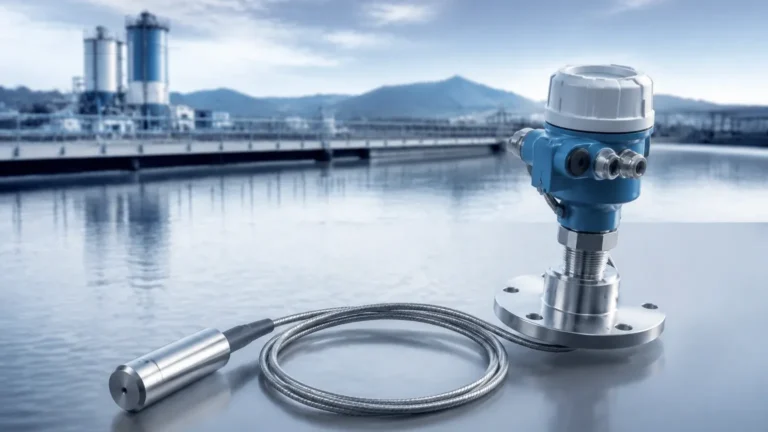
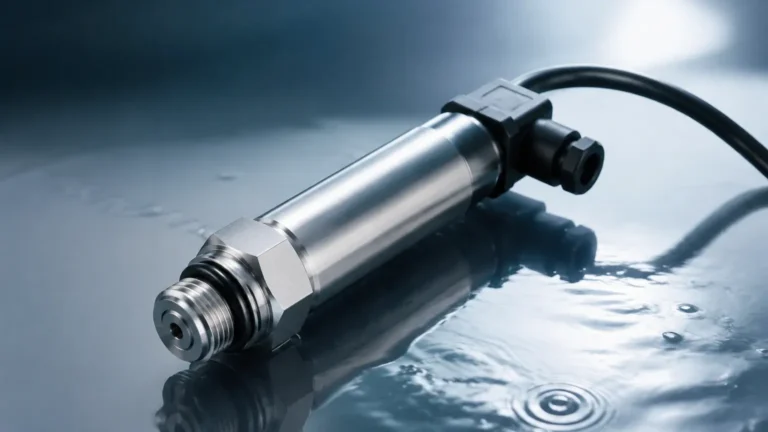
Ast Pressure Transmitter
Ast Pressure Transmitter
In the landscape of industrial automation and process control, the AST pressure transmitter represents a critical component for monitoring and managing fluid dynamics. These instruments are engineered to convert physical pressure into standardized electrical signals, enabling real-time data acquisition and system safety. For professionals in the water treatment, chemical, and oil and gas sectors, selecting the correct pressure transmitter is not merely a matter of procurement but a fundamental engineering decision that impacts the longevity and accuracy of the entire process loop.
Industrial pressure transmitters, such as those utilized in Welk’s broader measurement portfolios, must withstand harsh environments while maintaining high precision. This article provides a technical overview of the measurement principles, selection criteria, and installation best practices for AST-style pressure transmitters.
Measurement Principles of Pressure Transmitters
Before selecting an ast pressure transmitter, it is essential to understand the underlying sensing technologies that drive these devices. Most modern industrial transmitters utilize one of three primary physical phenomena to detect pressure changes.
Piezoresistive Sensing
This is the most common technology used in high-performance transmitters. It involves a silicon or metallic diaphragm with integrated strain gauges. When pressure is applied, the diaphragm deflects, causing a change in the electrical resistance of the gauges. This change is proportional to the applied pressure. Piezoresistive sensors are favored for their high sensitivity and stability over a wide range of pressures, typically from 100 mbar to over 1,000 bar (1.45 psi to 14,500 psi).
Capacitive Sensing
Capacitive pressure transmitters measure the change in electrical capacitance between a sensing diaphragm and a fixed reference plate. As pressure moves the diaphragm, the distance between the plates changes, altering the capacitance. These sensors are exceptionally robust and are often used in low-pressure applications or environments where high overpressure protection is required.
Thin-Film Technology
In thin-film sensors, the strain gauges are sputtered directly onto a stainless steel diaphragm. This creates a molecular bond that eliminates the need for adhesives, which can degrade over time. Thin-film AST pressure transmitters are highly resistant to vibration and thermal shock, making them ideal for heavy hydraulic machinery and high-cycle applications.
Key Features and Technical Specifications
When evaluating an ast pressure transmitter, engineers must look beyond the basic pressure range. The technical specifications define the instrument's compatibility with the specific industrial environment.
1. Accuracy Classes: Standard industrial transmitters typically offer accuracies of 0.5% or 0.25% of the Full Scale (FS). For high-precision laboratory or critical process control, high-accuracy versions (0.1% FS) are available.
2. Output Signals: The most prevalent output in B2B industrial applications is the 4-20 mA current loop, which is highly resistant to electrical noise over long distances. Other options include 0-10V DC, RS485 (Modbus), and digital protocols like HART.
3. Wetted Materials: The material in contact with the process media must be chemically compatible. While 316L stainless steel is the standard, specialized applications involving corrosive chemicals may require Hastelloy C, Monel, or Titanium.
4. Pressure Types: Transmitters are configured for Gauge pressure (referenced to atmosphere), Absolute pressure (referenced to a vacuum), or Sealed Gauge (referenced to a sealed internal chamber).
Practical Selection Table for Industrial Applications
The following table serves as a reference for selecting the appropriate transmitter type based on common industrial requirements.
| Application Requirement | Recommended Sensor Technology | Typical Output | Key Consideration |
| :— | :— | :— | :— |
| General Water Treatment | Piezoresistive (Stainless Steel) | 4-20 mA | Cost-effectiveness and reliability. |
| Corrosive Chemicals | Ceramic or Hastelloy Diaphragm | 4-20 mA + HART | Chemical compatibility and longevity. |
| High-Pressure Hydraulics | Thin-Film | 0-10V or 4-20 mA | Vibration resistance and burst pressure. |
| Oil & Gas (Hazardous) | Explosion-Proof Piezoresistive | Modbus / 4-20 mA | ATEX/IECEx certification. |
| Food & Beverage | Flush Diaphragm | 4-20 mA | CIP/SIP compatibility and hygiene. |
Industrial Application Scenarios
Water and Wastewater Management
In water treatment facilities, pressure transmitters are used to monitor pump discharge pressure and filter differential pressure. Accurate pressure data ensures that pumps operate within their optimal curves, preventing cavitation and reducing energy consumption. For these applications, an ast pressure transmitter with an IP67 or IP68 rating is often required to handle potential submersion or high humidity.
Chemical Processing
Chemical plants often deal with aggressive media and fluctuating temperatures. Here, the transmitter must not only provide accurate readings but also act as a barrier between the process and the environment. Using transmitters with remote seals can protect the sensitive electronics from extreme temperatures (exceeding 150°C) or highly viscous fluids that might clog a standard pressure port.
Oil and Gas Automation
In the oil and gas industry, pressure monitoring is vital for wellhead control, pipeline integrity, and storage tank management. Transmitters used in these sectors must meet stringent safety standards, often requiring redundant sensing elements and rugged enclosures to withstand offshore or desert environments.
To explore specific product configurations and technical support for these industries, engineers are encouraged to visit the Main Page for detailed insights into industrial measurement solutions.

Installation and Maintenance Considerations
The performance of an ast pressure transmitter is heavily dependent on proper installation. Even the most accurate sensor will provide erroneous data if installed incorrectly.
Mounting Orientation
While many transmitters can be mounted in any orientation, the zero point may shift slightly due to the weight of the internal oil fill or the diaphragm itself. It is best practice to calibrate the zero point after the unit is installed in its final position.
Impulse Lines and Venting
For gas applications, the transmitter should be mounted above the pressure tap to allow condensate to drain back into the process. Conversely, for liquid applications, the transmitter should be mounted below the tap to ensure air bubbles can escape. If the transmitter is measuring gauge pressure, the vent port must remain unobstructed to allow for atmospheric compensation.
Electrical Protection
Industrial environments are prone to electromagnetic interference (EMI) and lightning strikes. Using shielded cables and ensuring the transmitter housing is properly grounded can prevent signal fluctuations and hardware damage. In areas with high lightning risk, external surge protectors are recommended.
Common Risks and Limitations
Despite their robustness, pressure transmitters face several operational risks:
* Pressure Spikes (Water Hammer): Sudden valve closures can create pressure waves that exceed the transmitter's burst pressure. Installing a syphon or a pressure snubber can dampen these spikes.
* Temperature Drift: While most transmitters include internal temperature compensation, extreme ambient temperature swings can still affect accuracy. Insulation or specialized cooling elements may be necessary for high-temperature lines.
* Diaphragm Fouling: In wastewater or slurry applications, solids can build up on the diaphragm. A flush-mount diaphragm design is preferred in these cases to prevent clogging.
Frequently Asked Questions (FAQ)
Q: How often should an ast pressure transmitter be calibrated?
A: For most industrial processes, an annual calibration check is sufficient. However, in critical safety applications or highly corrosive environments, semi-annual checks may be required to ensure the device has not drifted beyond its specified tolerance.
Q: Can a pressure transmitter be used for level measurement?
A: Yes, this is known as hydrostatic level measurement. By measuring the pressure at the bottom of a tank, the transmitter can calculate the liquid height based on the fluid's density. This is a common application for Welk's level measurement solutions.
Q: What is the difference between a pressure transducer and a pressure transmitter?
A: While the terms are often used interchangeably, a transducer typically provides a raw voltage output (e.g., 0-100mV), whereas a transmitter includes signal conditioning circuitry to provide a standardized industrial output like 4-20 mA.
Q: How do I select the right pressure range?
A: It is recommended to select a range where the normal operating pressure falls within 25% to 75% of the transmitter's full scale. This provides a buffer for unexpected pressure surges while maintaining high resolution in the working range.
Conclusion
The ast pressure transmitter is a versatile and indispensable tool in modern process engineering. By understanding the specific requirements of the media, the environmental conditions, and the necessary electrical outputs, B2B buyers can ensure they implement a solution that provides reliable data for years to come. For comprehensive technical data and to review a wide range of level and pressure measurement options, visit the Main Page to connect with application experts.